Water seeping into a basement is a common woe that homeowners face, and its consequences can range from structural damage to health hazards. In this comprehensive article, we will delve into the causes of water seepage, the signs indicating its presence, potential consequences for your home, and effective strategies to prevent and remedy this persistent issue.
I. Understanding the Causes of Water Seepage:
A. Hydrostatic Pressure:
Groundwater Saturation: One primary cause of water seepage is hydrostatic pressure. When the soil around your home becomes saturated with groundwater, the pressure against the basement walls increases, leading to water finding its way through even minor cracks or vulnerabilities.
Rising Water Table: Periods of heavy rainfall or melting snow can elevate the water table, exerting additional pressure on the foundation. This increased water table height may contribute to water seeping into the basement.
B. Poor Exterior Drainage:

Clogged Gutters and Downspouts: Ineffective exterior drainage can result from clogged gutters and downspouts, leading to water overflow and pooling around the foundation. This accumulation of water increases the likelihood of seepage.
Improper Grading: Incorrect grading around the home, where the ground slopes toward the foundation, allows water to pool around the base. Proper grading directs water away from the foundation, reducing the risk of water infiltration.
C. Foundation Cracks:
Settling and Shifting: Over time, a home’s foundation may settle or shift due to changes in the soil, causing cracks to develop. These cracks become direct entry points for water seepage.
Concrete Aging: The natural aging of concrete can result in the formation of cracks. As a porous material, concrete becomes more susceptible to water infiltration through these cracks.
II. Signs of Water Seepage:
A. Dampness and Musty Odor:
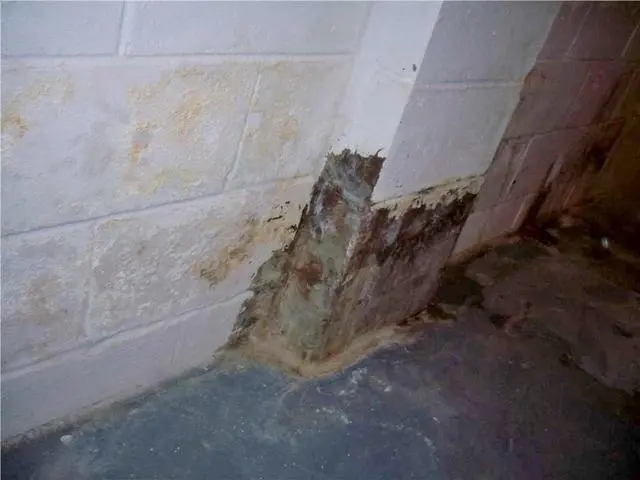
Persistent Dampness: The presence of water seepage often manifests as persistent dampness in the basement. This damp environment promotes the growth of mold and mildew.
Musty Odor: A distinctive musty or earthy odor is a telltale sign of mold and mildew growth, triggered by the damp conditions resulting from water seepage.
B. Visible Stains and Efflorescence:
Water Stains: Water seepage can leave visible stains on basement walls and floors. These stains may vary in color and intensity, offering visual evidence of water intrusion.
Efflorescence: Efflorescence appears as white, chalky deposits on basement surfaces and occurs when water evaporates, leaving behind mineral residues. It indicates a history of water seepage.
C. Mold and Mildew Growth:
Dark Spots and Patches: The presence of dark spots or patches on walls and surfaces is indicative of mold and mildew growth. These fungi thrive in the damp environment created by water seepage.
Health Effects: Exposure to mold spores can cause respiratory issues and other health problems, making prompt remediation of water seepage crucial for occupant well-being.
III. Consequences of Water Seepage:
A. Structural Damage:
Foundation Deterioration: Prolonged water seepage can lead to the deterioration of the foundation. The continuous presence of water weakens the concrete, contributing to cracks, shifts, and compromised structural integrity.
Cracked Walls and Floors: Water seepage can exacerbate existing cracks in basement walls and floors or create new ones. These cracks may widen over time, further compromising the structure.
B. Mold and Mildew Infestation:
Health Hazards: Mold and mildew release spores into the air, which can pose health risks when inhaled. Respiratory issues, allergies, and other health problems may arise due to prolonged exposure.
Unpleasant Odors: Beyond health concerns, mold and mildew infestations contribute to unpleasant odors in the basement, affecting the overall indoor air quality of your home.
C. Damage to Personal Property:
Furniture and Belongings: Stored items in the basement, such as furniture, cardboard boxes, and electronics, are susceptible to water damage. Water seepage poses a risk of ruining or compromising the integrity of these belongings.
Financial Consequences: The financial burden of replacing damaged possessions and undertaking structural repairs adds to the overall consequences of water seepage.
D. Pest Infestations:
Insect Attraction: Water seepage creates an attractive environment for insects, including termites, ants, and silverfish. These pests can further damage the structure and compromise the home’s integrity.
Disease Vectors: Pests attracted to damp conditions can act as vectors for diseases, posing additional health risks for occupants.
IV. Effective Strategies to Prevent and Remediate Water Seepage:
A. Exterior Drainage Maintenance:
Gutter Maintenance: Regularly clean gutters and downspouts to prevent clogs and ensure proper water drainage away from the foundation.
Grading Improvements: Correct the grading around your home to ensure water slopes away from the foundation. This prevents water accumulation near the basement walls.
French Drains: Install French drains around the perimeter of the foundation to redirect groundwater away from the home, reducing the risk of water seepage.
B. Foundation Waterproofing:
Exterior Waterproof Coatings: Apply waterproof coatings or sealants to the exterior of the foundation walls to create a protective barrier against water infiltration.
Interior Waterproofing: Consider applying waterproof coatings to the interior walls as an additional layer of protection against moisture intrusion.
Sump Pump Installation: Install a sump pump system with a sump pit to collect excess water and pump it away from the foundation, preventing water seepage.
C. Foundation Crack Repair:
Epoxy Injection: Epoxy injection is an effective method for sealing cracks in the foundation. The injected epoxy forms a strong bond, preventing further water seepage.
Polyurethane Foam Injection: Polyurethane foam injection is suitable for filling and sealing cracks, creating a watertight seal and stabilizing the surrounding soil.
D. Interior Moisture Control:
Dehumidifiers: Install and regularly use dehumidifiers in the basement to maintain optimal humidity levels. This helps prevent mold and mildew growth in response to water seepage.
Seal Interior Cracks: Seal any visible cracks or gaps in the basement walls with appropriate sealants to prevent water seepage through vulnerable points.
E. Professional Assessment:
Structural Engineers: Engage the services of structural engineers to assess the extent of foundation damage and recommend appropriate repair solutions.
Waterproofing Specialists: Consult with waterproofing specialists to implement comprehensive solutions tailored to the specific conditions of your basement.
F. Landscape Management:
Strategic Planting: Choose plants with water-absorbing qualities and strategic placement to help manage moisture around the foundation.
Avoid Aggressive Roots: Plant trees and shrubs with non-aggressive root systems away from the foundation to prevent root-induced damage.
Water seeping into a basement is not just a cosmetic concern; it is a potential threat to the structural integrity of your home and the health of its occupants. By understanding the causes, recognizing the signs, and implementing effective preventive and remedial strategies, homeowners can take proactive measures to address water seepage. Whether through exterior drainage improvements, foundation waterproofing, or professional assessments, the key lies in a comprehensive approach tailored to the unique characteristics of each home. Taming the intruder requires diligence, timely intervention, and a commitment to maintaining a dry and healthy basement environment.
Contact the Professionals at All County Waterproofing Today! 908-688-0518
For more than a decade, we have been the go-to waterproofing and related services provider for homeowners across New Jersey. Our reputation has been built on a foundation of delivering exceptional workmanship and top-notch customer service to each and every one of our valued clients.
We truly understand the significance of your home to you and your family, as well as the importance of the services we offer in safeguarding your home. That’s why we take our responsibilities seriously and never compromise on the quality of our work. Our commitment to your satisfaction is unwavering, and we go above and beyond to ensure that you are completely content with every aspect of the job we perform.
When it comes to protecting your home, trust is of utmost importance. At our professional New Jersey Waterproofing Company, we prioritize the well-being of your basement and ensure it remains shielded from any harmful moisture damage, regardless of the job’s size. Whether you require waterproofing, mold remediation, or even foundational or structural repairs, we are always ready and eager to take on any challenge.
Our singular focus is your happiness, and we leave no stone unturned in achieving it. If you are searching for a trustworthy New Jersey waterproofing company to safeguard your home, look no further. Contact us today and experience firsthand what sets us apart from the competition. Your home’s protection is our major priority, and we are here to serve you with dedication and expertise.