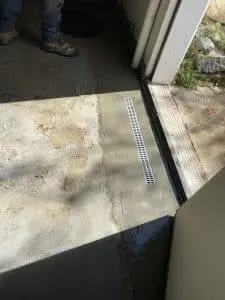
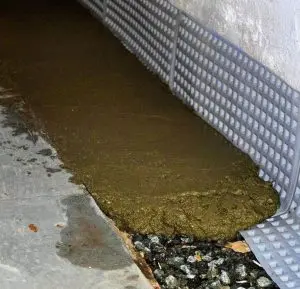
French Drains: Installation, Benefits, and Maintenance
In the realm of effective drainage solutions, the French drain stands out as a versatile and efficient method to manage excess or standing water. Whether you’re dealing with a soggy lawn, basement flooding, or pooling water around your home, a well-designed French drain system can be a game-changer. In this comprehensive guide, we will explore the intricacies of French drains, from their installation to the multitude of benefits they offer and the essential maintenance tips to ensure their longevity.
I. Understanding the French Drain
Definition and Purpose
The French drain, often hailed as a masterpiece in drainage engineering, is a subsurface system designed to manage and redirect excess ground and surface water away from targeted areas. Originating in the 19th century, this drainage technique has evolved into a versatile solution, addressing various water-related challenges faced by property owners.
The fundamental principle behind a French drain involves the utilization of a perforated pipe, strategically positioned in a trench, and surrounded by a bed of gravel or rock. This design allows water to enter the pipe, subsequently channeling it away from the problem zone, preventing issues such as waterlogged landscapes, ground-level basement flooding, and structural damage.
Components of a French Drain
Breaking down the anatomy of a French drain unveils its ingenious design, which relies on several key components working in harmony.
Perforated Pipe: At the core of the typical French drain-off system lies the perforated pipe. This specialized conduit features evenly spaced openings that enable water ingress. Strategically placed within the trench, it serves as the conduit for water redirection.
Gravel or Rock Bed: Surrounding the perforated pipe is a layer of gravel or rocks. This bed plays a pivotal role in promoting water infiltration and preventing soil clogging. The porous nature of the material allows water to flow freely while simultaneously providing structural support to the perforated drainage pipe system.
Filter Fabric: To further enhance the longevity and efficiency of the French drain, a filter fabric is often employed. Wrapped around the gravel or rock bed and drainage pipe, this fabric acts as a barrier, preventing soil particles from infiltrating the drainage system. By inhibiting soil intrusion, the filter fabric ensures sustained functionality over an extended period.
Understanding the synergy between these components is essential for appreciating the efficiency and reliability that a well-designed French drain brings to water management challenges. In the subsequent sections, we delve deeper into the intricacies of installing a French drain installation, its myriad benefits, and the vital role it plays in preserving property integrity.
II. Installation Process of French Drains
Site Assessment and Planning
The journey to a successful French drain installation begins with a meticulous site assessment and strategic planning. This initial phase is paramount for identifying the problematic areas, understanding water flow dynamics, and crafting a tailored solution. Professionals conduct a thorough analysis, considering factors such as terrain elevation, soil composition, and the natural course of water runoff. This comprehensive assessment lays the foundation for a well-informed installation strategy.
Excavation and Trenching
Once the site assessment is complete, the next step involves excavation and trenching. Skilled excavators carefully carve out a trench, ensuring it is both deep enough to accommodate the perforated pipe and wide enough for ease of installation. The precision in trenching is crucial, as it dictates the overall effectiveness of the first French drain pipe in redirecting water away from the targeted area.
Installing the Perforated Pipe and Gravel Bed
With the trench in place, the focus shifts to installing the key components of the French drain. The perforated pipe is laid within the trench, strategically positioned to facilitate optimal water entry. Once in place, a layer of gravel or rock is carefully arranged around the perforated drain pipe. This aggregate material not only provides structural support but also allows water to flow freely, preventing any potential clogging and ensuring efficient drainage.
Adding the Filter Fabric and Backfilling
To fortify the French drain against soil intrusion, a layer of filter fabric is added fill the trench, enveloping the gravel or rock bed. This fabric acts as a shield, preventing fine soil particles from infiltrating the drainage system and compromising its functionality. After this step, the trench is meticulously backfilled with soil, leaving the top of the French drain slightly exposed. This deliberate exposure ensures unobstructed water entry into the drain and contributes to the overall efficiency of the system.
The installation process of French drains demands a delicate balance of precision and expertise. The success of each step hinges on the careful execution of the preceding ones, culminating in a seamlessly integrated drainage system that effectively manages water-related challenges. In the subsequent sections, we explore the myriad benefits that a well-installed French drain brings to properties, from water damage prevention to soil erosion control.
III. Benefits of French Drains
Water Damage Prevention
One of the primary advantages of incorporating French drains into your property lies in their exceptional ability to prevent water damage. Whether you are grappling with a persistently soggy lawn or concerns about water infiltrating your basement, a well-designed French drain serves as a formidable barrier against these potential threats. By efficiently redirecting excess water away from critical structures, such as foundations and basements, French drains act as a proactive measure to safeguard your property from the damaging consequences of water accumulation.
Soil Erosion Control
Beyond protecting structures, French drains play a pivotal role in soil erosion control. When rainwater or surface runoff is left unchecked, it can erode the topsoil, compromising the stability of your landscape. The gravel or rock bed surrounding the perforated pipe in a French drain serves as a natural filter, allowing water to percolate into the ground slowly. This controlled infiltration minimizes the surface water runoff and effectively prevents soil erosion, preserving the integrity of your outdoor spaces.
Basements are often vulnerable to water seepage and flooding, especially in areas with high water tables or heavy rainfall. French drains serve as an integral component in basement waterproofing strategies. By intercepting and redirecting subsurface water away from the foundation, French drains work to create a dry and stable environment in the basement. This not only protects valuable possessions but also contributes to the overall structural longevity of the building.
The benefits of French drains extend beyond the immediate mitigation of water-related issues. They contribute to the sustainability of your property, fostering a stable foundation and healthy landscape. In the upcoming sections, we delve into the essential aspects of maintaining your French drain system, ensuring its continued functionality and longevity.
IV. Maintaining Your French Drain System
Regular Inspection
Regular inspections are the cornerstone of effective French drain maintenance. Scheduled check-ups, ideally conducted at least twice a year, allow homeowners to identify and address potential issues before they escalate. During these inspections, pay close attention to the visible components of the French drain, ensuring that the surface is clear of debris and that water can easily enter the drain. A proactive approach to inspections ensures the early detection of any problems, allowing for timely intervention and preventing costly repairs.
Cleaning and Flushing
Cleaning and flushing are essential maintenance tasks that help keep your French drain in optimal condition. Remove any accumulated debris, leaves, or sediment that may obstruct the perforated drain pipe or impede water flow. Flushing the system with water helps clear out any remaining debris and ensures unobstructed drainage. This routine maintenance not only preserves the efficiency of your French drain but also extends its lifespan, preventing potential issues that may arise from neglect.
Professional Maintenance
While homeowners can perform basic maintenance tasks, seeking professional maintenance services is advisable, especially after heavy rainfall or significant water events. Professionals have the expertise to conduct thorough assessments, identifying underlying issues that may not be apparent during routine inspections. Their skill in diagnosing potential problems ensures that your French drain system remains robust and reliable in the face of changing weather patterns and environmental conditions.
Addressing Clogs and Blockages
Over time, French drains may face challenges such as clogs or blockages. Addressing these issues promptly is crucial to maintaining the efficacy of the drainage system. In cases of stubborn clogs, professionals can employ specialized equipment, such as drain snakes or high-pressure water jets, to clear obstructions and restore optimal flow.
V. The Importance of Hiring Professionals for French Drain Installation and Maintenance
Expertise and Experience
Engaging professionals for the installation and maintenance of your French drain brings unparalleled expertise and experience to the table. These specialists possess in-depth knowledge of soil dynamics, water flow patterns, and the intricacies of drainage systems. Their experience allows them to navigate potential challenges effectively, ensuring that your French drain is not just installed but is optimized for long-term functionality.
By leveraging their expertise, professionals can assess your property’s unique characteristics and tailor the French drain installation to suit its specific needs. This personalized approach is crucial in achieving maximum efficiency and durability, factors that may be challenging for an inexperienced homeowner to ascertain.
Precision in Installation
The precision required for the proper installation of a French drain is a hallmark of professional services. From accurate trenching to ensuring the correct slope for optimal water flow, professionals execute each step with meticulous care. This attention to detail is critical for the seamless integration of the drainage system into your property, minimizing the risk of issues such as water pooling or ineffective water diversion.
Compliance with Local Regulations
Navigating the complex landscape of local regulations and building codes is a task best left to professionals. Reputable drainage specialists are well-versed in the legal requirements governing drainage systems in your area. By entrusting the installation to professionals, you ensure that your French drain complies with all relevant codes, preventing potential legal complications in the future.
Time and Cost Efficiency
While the prospect of a DIY French drain installation might seem tempting, the time and cost involved may outweigh the initial savings. Professionals bring efficiency to the table, completing the installation swiftly without compromising on quality. Their experience allows them to anticipate and address challenges effectively, reducing the likelihood of costly errors that may arise from DIY attempts.
Warranty and Guarantee
Reputable professionals often provide warranties or guarantees for their work. This additional layer of protection offers peace of mind, assuring homeowners that any issues arising post-installation will be promptly addressed at no additional cost. This commitment to customer satisfaction underscores the confidence that professionals have in the quality of their work.
Comprehensive Maintenance Services
Professional drainage experts go beyond installation; they offer comprehensive maintenance services to ensure the longevity of your French drain system. Scheduled inspections, proactive cleaning, and preventive measures are integral parts of their service packages. This ongoing commitment to maintenance ensures that your French drain continues to function optimally, providing reliable protection against water-related challenges.
Embracing the Power of French Drains for Lasting Water Management
In the realm of effective water management solutions, the French drain emerges as a champion, offering a versatile and efficient approach to redirecting excess water away from critical areas. From its foundational components to the intricacies of installation, the benefits it brings, and the critical importance of maintenance, a well-designed French drain system is a transformative investment for property owners.
As we conclude this comprehensive guide, it is evident that the success of a French drain lies not only in its initial installation but in the ongoing commitment to its care. Regular inspections, diligent cleaning, and professional maintenance ensure that the system continues to function optimally, safeguarding your property from potential water-related challenges.
For more than a decade, we have been the go-to waterproofing and related services provider for homeowners across New Jersey. Our reputation has been built on a foundation of delivering exceptional workmanship and top-notch customer service to each and every one of our valued clients.
We truly understand the significance of your home to you and your family, as well as the importance of the services we offer in safeguarding your home. That’s why we take our responsibilities seriously and never compromise on the quality of our work. Our commitment to your satisfaction is unwavering, and we go above and beyond to ensure that you are completely content with every aspect of the job we perform.
When it comes to protecting your home, trust is of utmost importance. At our professional New Jersey Waterproofing Company, we prioritize the well-being of your basement and ensure it remains shielded from any harmful moisture damage, regardless of the job’s size. Whether you require waterproofing, mold remediation, or even foundational or structural repairs, we are always ready and eager to take on any challenge.
Our singular focus is your happiness, and we leave no stone unturned in achieving it. If you are searching for a trustworthy New Jersey waterproofing company to safeguard your home, look no further. Contact us today and experience firsthand what sets us apart from the competition. Your home’s protection is our major priority, and we are here to serve you with dedication and expertise.
To provide the best experiences, we use technologies like cookies to store and/or access device information. Consenting to these technologies will allow us to process data such as browsing behavior or unique IDs on this site. Not consenting or withdrawing consent, may adversely affect certain features and functions.
Functional Always active
The technical storage or access is strictly necessary for the legitimate purpose of enabling the use of a specific service explicitly requested by the subscriber or user, or for the sole purpose of carrying out the transmission of a communication over an electronic communications network.
Preferences
The technical storage or access is necessary for the legitimate purpose of storing preferences that are not requested by the subscriber or user.
Statistics
The technical storage or access that is used exclusively for statistical purposes.The technical storage or access that is used exclusively for anonymous statistical purposes. Without a subpoena, voluntary compliance on the part of your Internet Service Provider, or additional records from a third party, information stored or retrieved for this purpose alone cannot usually be used to identify you.
Marketing
The technical storage or access is required to create user profiles to send advertising, or to track the user on a website or across several websites for similar marketing purposes.