Waterproofing a basement is a crucial step in protecting a home from water damage, mold growth, and structural deterioration. Basements are particularly susceptible to moisture problems due to their below-ground positioning, making them prone to water seepage through walls, floors, and foundations. Whether you’re dealing with minor dampness or significant flooding, employing the right basement waterproofing techniques can prevent costly repairs and ensure a dry, healthy home.
In this article, we will explore the most effective basement waterproofing techniques, discussing both interior and exterior methods, along with the professional approaches used by contractors.
1. Exterior Waterproofing Techniques
Exterior waterproofing techniques are designed to prevent water from penetrating the foundation and walls of the basement. These methods focus on keeping water away from the structure by addressing the problem at its source—outside the home.
a) Exterior Waterproofing Membranes
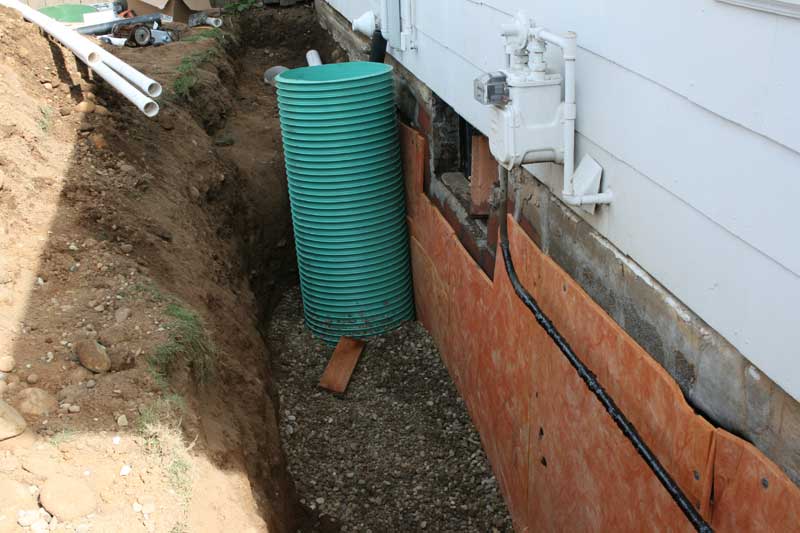
One of the most effective methods for waterproofing a basement from the outside is the application of waterproof membranes to the exterior foundation walls. These membranes, typically made of rubberized asphalt or similar materials, create an impermeable barrier that prevents water from seeping through the foundation.
The process involves excavating the soil around the foundation to expose the walls, cleaning the surface, and applying the membrane. In some cases, drainage boards are also installed to allow water to flow down to a drainage system, further protecting the foundation.
b) Exterior French Drain Systems
An exterior French drain system, also known as a weeping tile, is installed along the perimeter of the home at the foundation level. This system consists of a perforated pipe placed in a trench filled with gravel. The pipe collects groundwater and directs it away from the foundation, reducing hydrostatic pressure and preventing water from entering the basement.
French drains are a proactive solution that helps manage groundwater and prevent it from accumulating near the foundation. They are especially effective for homes located in areas with high water tables or heavy rainfall.
c) Proper Grading and Landscaping
Ensuring that the ground around the foundation is properly graded is an important step in exterior waterproofing. The soil should slope away from the foundation at a minimum grade of 6 inches over 10 feet. This prevents water from pooling around the foundation, reducing the risk of seepage.
Additionally, landscaping elements such as rain gardens, swales, and strategically placed plants can help manage surface water and direct it away from the home. Gutter extensions and downspouts that discharge water at least 5-10 feet away from the foundation further enhance the effectiveness of exterior waterproofing.
2. Interior Waterproofing Techniques
Interior waterproofing methods are used to manage water that has already entered the basement or to control moisture levels inside the space. These techniques are often employed in conjunction with exterior methods for comprehensive protection.
a) Interior Drainage Systems
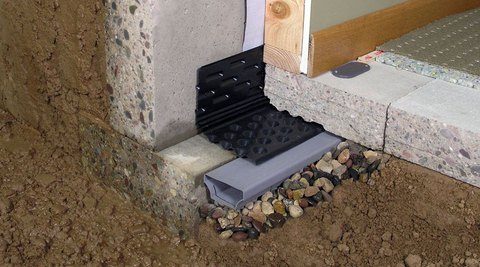
An interior drainage system is one of the most effective solutions for managing water inside the basement. This system involves the installation of a perforated drain pipe along the inside perimeter of the basement floor. The pipe collects water that enters through the walls or floors and directs it to a sump pump, which then removes the water from the basement.
The installation of an interior drainage system requires the excavation of a trench along the perimeter of the basement floor, where the drain pipe is laid. The trench is then covered with gravel and concrete, creating a discreet and effective drainage system.
b) Sump Pumps
Sump pumps play a critical role in interior waterproofing. These devices are installed in a sump pit, which is located at the lowest point in the basement. When water enters the sump pit, the pump automatically activates, removing the water and discharging it outside the home.
There are two main types of sump pumps: pedestal and submersible. Pedestal sump pumps have the motor mounted above the sump pit, while submersible sump pumps are placed inside the pit. Battery backup systems are often installed to ensure the pump continues to function during power outages, which are common during heavy storms.
c) Waterproofing Coatings
Waterproofing coatings, such as cementitious or epoxy-based sealants, are applied to basement walls and floors to create a moisture-resistant barrier. These coatings are particularly effective at sealing small cracks and preventing water vapor from permeating the basement.
Although waterproofing coatings are not a standalone solution for major water issues, they work well when combined with other interior waterproofing methods. They are often used to enhance the effectiveness of interior drainage systems by preventing minor seepage through the walls.
3. Professional Methods for Crack Repair
Cracks in foundation walls and floors are common entry points for water. Professional contractors employ several techniques to repair these cracks and prevent water from infiltrating the basement.
a) Epoxy and Polyurethane Injections
Epoxy and polyurethane injections are two of the most commonly used methods for sealing foundation cracks. These materials are injected directly into the cracks, where they expand and create a watertight seal.
Epoxy injections are often used for structural repairs, as the material provides strength to the foundation. Polyurethane injections, on the other hand, are flexible and ideal for cracks that experience movement due to soil expansion and contraction.
b) Hydraulic Cement for Large Cracks
Hydraulic cement is a quick-setting material used to fill larger cracks and holes in basement walls and floors. When applied, it expands as it hardens, creating a watertight seal that prevents water from entering the basement. Hydraulic cement is particularly useful for sealing cracks around pipes and other penetrations in the foundation.
4. Basement Ventilation and Humidity Control
Controlling humidity levels in the basement is essential for preventing mold growth and maintaining a dry environment. Even with effective waterproofing measures in place, basements can still be prone to moisture buildup due to condensation and poor ventilation.
a) Dehumidifiers
Dehumidifiers are an effective way to reduce humidity levels in the basement. These devices pull moisture from the air and either collect it in a reservoir or discharge it through a drainage system. Keeping humidity levels below 60% is ideal for preventing mold growth and maintaining a healthy indoor environment.
b) Vapor Barriers
Vapor barriers are another useful tool for controlling moisture in the basement. These barriers are typically made of plastic or other impermeable materials and are installed on the walls and floors to prevent water vapor from seeping into the basement. Vapor barriers are often used in conjunction with dehumidifiers to create a comprehensive moisture control system.
5. Preventative Maintenance for Long-Term Protection
Once a basement has been waterproofed, regular maintenance is essential to ensure the longevity of the waterproofing system. Preventative measures include:
- Inspecting Gutters and Downspouts: Clogged gutters and downspouts can cause water to overflow and pool around the foundation. Regular cleaning ensures that rainwater is properly directed away from the home.
- Checking for New Cracks: New cracks in the foundation should be addressed promptly to prevent water from entering the basement.
- Testing Sump Pumps: Sump pumps should be tested regularly to ensure they are functioning properly. Battery backup systems should also be checked to confirm they will work during power outages.
Basement waterproofing is essential for protecting the structural integrity of a home and preventing water damage. A combination of exterior and interior waterproofing techniques, along with professional crack repair methods, provides comprehensive protection against water infiltration. By employing these techniques and performing regular maintenance, homeowners can ensure their basements remain dry, safe, and secure.
Contact the Professionals at All County Waterproofing Today! 908-688-0518
For more than a decade, we have been the go-to waterproofing and related services provider for homeowners across New Jersey. Our reputation has been built on a foundation of delivering exceptional workmanship and top-notch customer service to each and every one of our valued clients.
We truly understand the significance of your home to you and your family, as well as the importance of the services we offer in safeguarding your home. That’s why we take our responsibilities seriously and never compromise on the quality of our work. Our commitment to your satisfaction is unwavering, and we go above and beyond to ensure that you are completely content with every aspect of the job we perform.
When it comes to protecting your home, trust is of utmost importance. At our professional New Jersey Waterproofing Company, we prioritize the well-being of your basement and ensure it remains shielded from any harmful moisture damage, regardless of the job’s size. Whether you require waterproofing, mold remediation, or even foundational or structural repairs, we are always ready and eager to take on any challenge.
Our singular focus is your happiness, and we leave no stone unturned in achieving it. If you are searching for a trustworthy New Jersey waterproofing company to safeguard your home, look no further. Contact us today and experience firsthand what sets us apart from the competition. Your home’s protection is our major priority, and we are here to serve you with dedication and expertise.