Basement waterproofing is crucial for maintaining a safe, dry, and usable space below your home’s foundation. Interior waterproofing methods provide a comprehensive solution that helps homeowners tackle water seepage, mold, and humidity from inside the basement without costly exterior excavation. This article delves into the specific methods involved in interior waterproofing and how each can create a robust barrier against moisture.
Understanding Interior Basement Waterproofing
Interior basement waterproofing focuses on managing water once it has already entered or is close to entering the basement area. This approach is highly effective for reducing basement moisture levels, preventing mold growth, and protecting structural elements from water damage. Unlike exterior waterproofing, interior methods are easier to install and maintain, making them a preferred choice for many homeowners.

1. Installing Interior Drainage Systems
One of the most effective methods of interior waterproofing is the installation of drainage systems designed to capture and redirect water before it accumulates.
French Drains
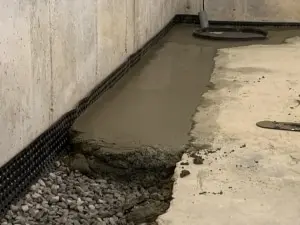
French drains, also known as interior perimeter drains, are among the most popular interior drainage solutions. Installed along the perimeter of the basement floor, French drains collect excess water seeping through walls or rising from the ground. The drain consists of a perforated pipe wrapped in a filter to block sediment and debris. Water collected by the French drain flows to a sump pump, which directs it safely out of the basement.
French drains are often installed in new builds but can also be retrofitted in existing basements. Their setup is minimally invasive, requiring only a small trench along the basement walls to house the pipe and gravel base.
Drainage Channels and Floor Sloping
Another effective drainage technique is installing floor channels and ensuring the floor slopes slightly toward the drainage path. Channels are created on the basement floor’s perimeter, allowing water to run naturally toward a sump pit or designated drainage area. By sloping the floor, water is prevented from pooling, helping to keep the space dry.
Drainage Tiles
Drainage tiles are another form of interior drainage that works similarly to French drains but with a focus on groundwater control. Installed beneath the basement floor, they help capture groundwater before it reaches the basement interior. Drainage tiles are often more complex to install, involving digging beneath the floor slab, but they are a long-term solution for areas with high groundwater levels.
2. Sump Pump Systems
Sump pumps are essential components in many interior waterproofing setups, particularly for homes in flood-prone areas or those with high water tables.
Primary Sump Pumps
A primary sump pump is a basic electric pump that moves water collected in a sump pit to an exterior drainage location. Installed at the lowest point of the basement, these pumps activate automatically when water in the pit reaches a certain level. Regular maintenance is key for primary sump pumps to ensure they remain operational during periods of heavy rain or high groundwater pressure.
Battery Backup Sump Pumps
Battery backup sump pumps offer an added layer of protection in case of power outages. These units activate when the primary pump fails or if there is a surge of water too large for one pump to handle. Backup sump pumps are especially valuable during storms that cause flooding, which often coincide with power outages. Some advanced models even come with Wi-Fi alerts, allowing homeowners to monitor water levels and pump status remotely.
Combination Sump Pumps
Combination sump pumps include both a primary and backup pump in one unit, offering redundancy and extra capacity when needed. This setup ensures that even during extended periods of heavy rainfall or power failure, the sump system continues to protect the basement from flooding.
3. Vapor Barriers and Interior Wall Sealants
Waterproofing methods that involve sealing and coating basement walls play a critical role in controlling moisture levels and preventing damage to interior surfaces.
Vapor Barriers
A vapor barrier is a heavy-duty plastic or foil sheet installed on walls and sometimes floors to prevent moisture and vapor infiltration. Vapor barriers are particularly effective in basements with concrete walls that can absorb and transfer water. They also provide an additional layer of mold prevention by keeping surfaces dry and inhospitable to mold spores. When properly installed, vapor barriers can significantly reduce humidity levels in the basement.
Epoxy and Polyurethane Sealants
Interior sealants, including epoxy and polyurethane injections, are useful for patching cracks and minor leaks in walls. These materials are injected into cracks to create a solid, watertight seal that blocks water infiltration. Epoxy is durable and long-lasting, making it ideal for structural repairs, while polyurethane is more flexible, allowing it to accommodate slight shifts in the foundation without cracking. Both sealants are ideal for addressing smaller issues before they become major problems.
Waterproof Paints and Coatings
While waterproof paints do not serve as primary waterproofing solutions, they are an effective addition to other waterproofing methods. Specialized paints form a layer over the basement walls that blocks minor moisture seepage. Waterproof paints are also mold-resistant and provide a clean, polished finish, enhancing the aesthetic appeal of basement walls.
4. Dehumidifiers for Moisture Control
A dehumidifier is a supplemental tool in interior waterproofing that helps regulate humidity levels, preventing condensation and dampness. High-capacity dehumidifiers are designed specifically for basement environments, where they can handle greater moisture levels than standard units. By maintaining low humidity levels, dehumidifiers prevent mold growth, structural damage, and musty odors. Many modern dehumidifiers also have continuous drain options, reducing the need for frequent emptying.
Interior basement waterproofing is a practical, efficient approach to preventing moisture buildup and maintaining a dry, usable space. From drainage systems to vapor barriers and dehumidifiers, each component plays a critical role in managing water infiltration and creating a safe environment. By investing in these waterproofing methods, homeowners can protect their basements from water damage and improve the long-term value of their homes.
Contact the Professionals at All County Waterproofing Today! 908-688-0518
For more than a decade, we have been the go-to waterproofing and related services provider for homeowners across New Jersey. Our reputation has been built on a foundation of delivering exceptional workmanship and top-notch customer service to each and every one of our valued clients.
We truly understand the significance of your home to you and your family, as well as the importance of the services we offer in safeguarding your home. That’s why we take our responsibilities seriously and never compromise on the quality of our work. Our commitment to your satisfaction is unwavering, and we go above and beyond to ensure that you are completely content with every aspect of the job we perform.
When it comes to protecting your home, trust is of utmost importance. At our professional New Jersey Waterproofing Company, we prioritize the well-being of your basement and ensure it remains shielded from any harmful moisture damage, regardless of the job’s size. Whether you require waterproofing, mold remediation, or even foundational or structural repairs, we are always ready and eager to take on any challenge.
Our singular focus is your happiness, and we leave no stone unturned in achieving it. If you are searching for a trustworthy New Jersey waterproofing company to safeguard your home, look no further. Contact us today and experience firsthand what sets us apart from the competition. Your home’s protection is our major priority, and we are here to serve you with dedication and expertise.