
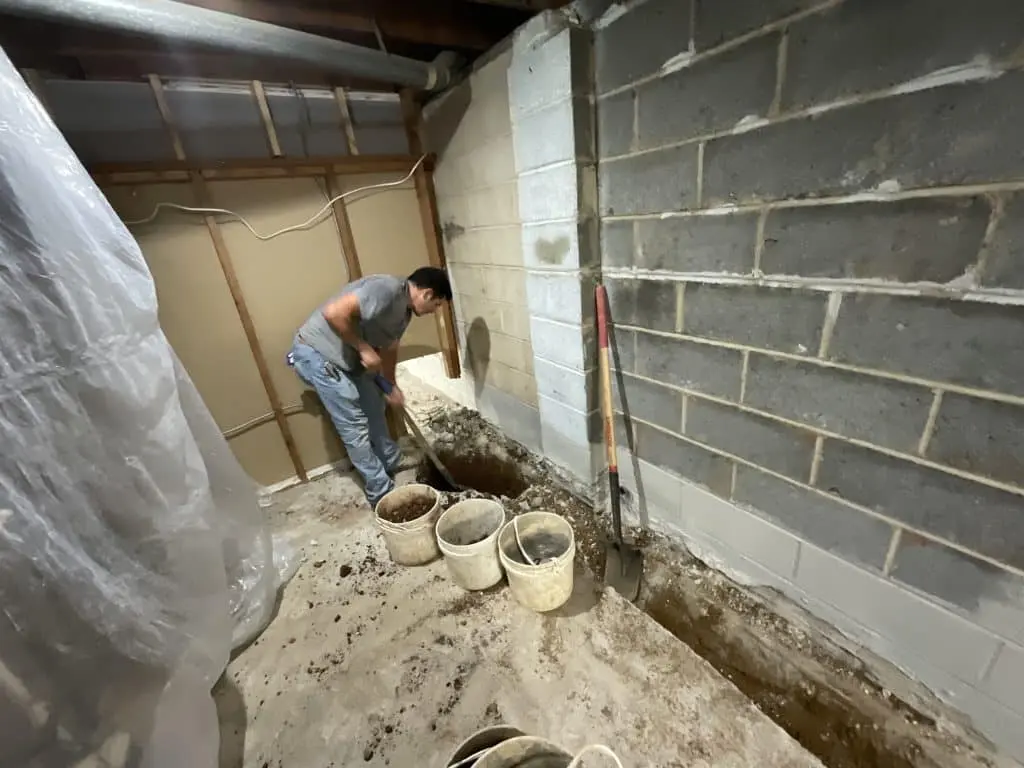
It’s easy to ignore small quirks in your home—sticky doors, uneven floors, a tiny crack in the drywall. But these “minor” annoyances might be your home’s way of warning you about something serious: foundation problems.
Many homeowners don’t recognize the early signs of foundation damage until it’s too late. By then, repairs are far more extensive—and expensive. The good news? You don’t need to wait for a wall to collapse to act. The key is knowing what to look for.
In this article, we’ll explore the subtle warning signs of foundation issues, explain what causes them, and show you why early intervention by a foundation repair expert can save your home—and your budget.
Key Takeaways
- Early signs of foundation problems include sticking doors, sloped floors, cracked walls, and water intrusion.
- Foundation damage worsens over time, especially in homes with poor drainage, expansive soils, or high water tables.
- Identifying and addressing the problem early can prevent major structural issues and costly repairs.
- Professional inspections offer clarity and peace of mind when warning signs appear.
- Repair solutions vary depending on the cause and severity, ranging from crack injections to structural pier systems.
Why Early Detection Matters
Foundation issues aren’t always dramatic. They start small—imperceptibly small—and get worse as your home shifts, settles, or succumbs to outside pressure.
The Cost of Waiting
The longer foundation damage goes untreated, the more expensive it becomes. What might have been solved with a minor crack seal could turn into a major structural stabilization project.
Foundation problems can also affect:
- Your home’s value: Unresolved foundation issues are a red flag for buyers.
- Your interior finishes: Cracks in tile, gaps in crown molding, and warped flooring are all common.
- Indoor air quality: Foundation cracks can let in moisture and mold.
- Your safety: In extreme cases, structural integrity is compromised.
Subtle Signs Most Homeowners Miss
You don’t need to be a contractor to spot early warning signs. Many clues are visible—you just need to know where to look.
1. Doors and Windows That Stick or Don’t Latch Properly
This is one of the most overlooked signs. As the foundation shifts, the frame around doors and windows twists or tilts, causing them to jam or become misaligned.
Look for:
- Doors that swing open or shut on their own
- Gaps at the top or bottom of door frames
- Windows that won’t close or seal fully
2. Cracks in Walls and Ceilings
Hairline cracks in drywall can be harmless—but larger, jagged, or widening cracks often signal a deeper issue.
Warning signs include:
- Diagonal cracks at corners of doors and windows
- Stair-step cracks in brick or block walls
- Horizontal cracks in basement walls
3. Uneven or Sloping Floors
If a marble rolls across the floor on its own, your foundation may be shifting. Sagging or uneven floors can indicate that the foundation or support beams are no longer level.
Check for:
- Sloping in one direction
- Bouncy or soft spots in the floor
- Cracks in floor tiles or gaps between baseboards and flooring
4. Separation Between Walls, Floors, or Ceilings
When your foundation shifts, it pulls your home’s frame with it—literally. This can create visible gaps or separations in the structure.
Examples include:
- Crown molding pulling away from the ceiling
- Baseboards detaching from the wall
- Gaps where walls meet at corners
5. Basement Water Intrusion or Dampness
A damp basement might not seem connected to your foundation—but it often is. Cracks in the foundation allow water to seep in, especially during heavy rains or snowmelt.
Warning signs:
- Musty odors
- Water stains or efflorescence (white powdery residue)
- Pooling water after rain
What Causes Foundation Damage?
Understanding the “why” behind foundation problems can help you prevent them. Common culprits include:
Poor Drainage
When water doesn’t drain properly around your home, it accumulates near the foundation. This increases hydrostatic pressure and leads to cracks or shifting.
Fix it by:
- Installing downspout extensions
- Regrading your yard
- Adding a French drain or sump pump
Expansive Soils
Clay-rich soils swell when wet and shrink when dry. This constant movement puts pressure on your foundation, causing it to heave, settle, or crack.
Plumbing Leaks
Undetected leaks in supply or drain lines can saturate the soil and destabilize the foundation over time.
Tree Roots
Large tree roots can draw moisture from the soil or exert pressure on your foundation, especially if planted too close.
When to Call a Foundation Repair Expert
If you notice any of the warning signs we’ve outlined—especially more than one—it’s time to bring in a professional.
What to Expect from an Inspection
A foundation specialist will perform a detailed assessment, including:
- Visual inspection of interior and exterior cracks
- Level checks of floors and walls
- Soil analysis around the home
- Moisture measurements in basement or crawl space
- Foundation movement monitoring using crack gauges or laser tools
Afterward, they’ll recommend the appropriate repair strategy based on your specific issue.
Foundation Repair Options
The right solution depends on the type, severity, and cause of your foundation problem. Here are some of the most common methods:
1. Epoxy or Polyurethane Injection
Used for sealing minor foundation wall cracks that are not structurally significant. This method restores strength and stops water intrusion.
2. Carbon Fiber Straps or Staples
Ideal for bowing basement walls. These high-strength materials are bonded to the wall to prevent further movement.
3. Piering Systems (Helical or Push Piers)
If the foundation is settling unevenly, piers can be installed beneath the footing to transfer the home’s weight to stable soil layers. They also allow for lifting and realignment.
4. Slab Jacking or Mudjacking
This method lifts a sunken concrete slab by injecting a stabilizing material underneath. Common for garages or interior floors.
5. Full Wall Reinforcement and Waterproofing
Used when walls are cracking and leaking water. This comprehensive solution may involve excavation, crack sealing, and applying a waterproof membrane.
Preventative Measures for Homeowners
Even if you haven’t seen any warning signs, taking these steps can help protect your home long-term:
- Inspect your foundation at least twice a year
- Keep gutters and downspouts clean and functional
- Ensure grading slopes away from your home
- Monitor large cracks with a pencil mark and date
- Avoid excessive watering near the foundation
- Install basement waterproofing if moisture is present
Proactive maintenance is always more affordable than reactive repair.
Frequently Asked Questions
Are foundation problems common in older homes?
Yes. Older homes often lack modern waterproofing or soil stabilization techniques. But foundation problems can occur in new homes too, especially if built on problematic soil.
Will foundation repair disrupt my home?
Most repairs are non-invasive and completed in 1–3 days. More extensive solutions (like piering) may require digging, but professionals aim to minimize disruption.
How much does foundation repair cost?
Costs vary widely based on the issue. Small crack repairs may be a few hundred dollars, while structural stabilization can reach several thousand. Early action always reduces the cost.
Can foundation cracks lead to mold?
Yes. Cracks allow water and humidity into basements and crawlspaces—ideal conditions for mold growth. That’s why mold remediation often accompanies foundation repair.
Conclusion: Don’t Ignore the Early Clues
Foundation problems don’t happen overnight. They build slowly, quietly—until the damage is too big to ignore. But if you catch the warning signs early, you can protect your home’s value, safety, and comfort.
From sticking doors to hairline wall cracks, your house is speaking to you. Are you listening?
At All County Waterproofing, we specialize in identifying and repairing foundation issues before they escalate. Our experts are trained to recognize the subtle signs and offer lasting solutions tailored to your home. Don’t wait for a small problem to become a big one—schedule your foundation inspection today.
For more than a decade, we have been the go-to waterproofing and related services provider for homeowners across New Jersey. Our reputation has been built on a foundation of delivering exceptional workmanship and top-notch customer service to each and every one of our valued clients.
We truly understand the significance of your home to you and your family, as well as the importance of the services we offer in safeguarding your home. That’s why we take our responsibilities seriously and never compromise on the quality of our work. Our commitment to your satisfaction is unwavering, and we go above and beyond to ensure that you are completely content with every aspect of the job we perform.
When it comes to protecting your home, trust is of utmost importance. At our professional New Jersey Waterproofing Company, we prioritize the well-being of your basement and ensure it remains shielded from any harmful moisture damage, regardless of the job’s size. Whether you require waterproofing, mold remediation, or even foundational or structural repairs, we are always ready and eager to take on any challenge.
Our singular focus is your happiness, and we leave no stone unturned in achieving it. If you are searching for a trustworthy New Jersey waterproofing company to safeguard your home, look no further. Contact us today and experience firsthand what sets us apart from the competition. Your home’s protection is our major priority, and we are here to serve you with dedication and expertise.