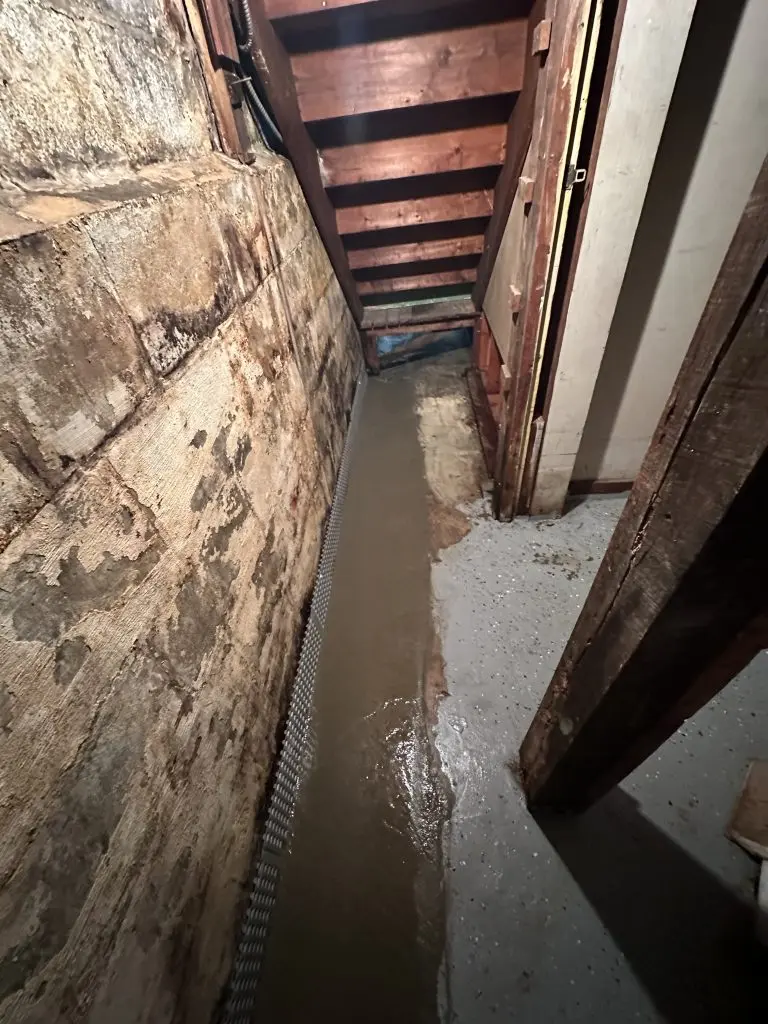
You walk into your basement and immediately notice it—that stale, musty odor that refuses to go away. You spot some dark patches on the walls or floorboards and think, “It’s just mold. I’ll clean it later.” But what if those spots are doing more than just making your basement look unappealing?
Basement mold isn’t just a cosmetic issue. It can silently impact your health, lower your home’s value, and compromise your property’s structural integrity. And the longer it’s ignored, the more damage it causes.
In this article, we’ll uncover why basement mold is more than just an eyesore, how it can silently harm your well-being and finances, and why professional remediation is the only way to truly protect your home.
Key Takeaways
- Mold exposure in basements can cause or worsen respiratory conditions, allergies, and fatigue.
- Persistent mold growth often indicates hidden moisture or structural issues that must be resolved.
- Mold damage can significantly lower a home’s resale value and scare off potential buyers.
- DIY cleanup usually addresses surface mold, not the underlying cause or airborne spores.
- Professional mold remediation improves indoor air quality, safeguards your investment, and prevents recurrence.
Why Mold Thrives in Basements
Basements are prime territory for mold growth due to a combination of factors:
- They’re below ground level, where moisture accumulates easily.
- They often have poor ventilation, trapping humidity.
- They contain porous materials, like drywall, wood, carpet, and insulation.
- They’re prone to water intrusion from foundation cracks, plumbing leaks, and high water tables.
Even “dry” basements often have elevated humidity—especially in summer. And once moisture is present, mold can begin growing within 24 to 48 hours.
Health Risks: What Mold Does to Your Body
Mold releases tiny particles called spores, which become airborne and are easily inhaled. While not everyone reacts to mold the same way, exposure can lead to a range of health problems—especially for children, seniors, and individuals with preexisting conditions.
Short-Term Symptoms
- Sneezing, coughing, or wheezing
- Itchy, watery eyes
- Skin rashes or irritation
- Headaches and fatigue
- Nasal congestion and sinus pressure
Long-Term Health Effects
If mold exposure continues, more serious effects may develop, including:
- Asthma attacks
- Chronic respiratory issues
- Immune system suppression
- Inflammation and lung infections
- Neurological symptoms (in rare but severe cases)
Who’s Most at Risk?
- Infants and toddlers
- Older adults
- Asthma or allergy sufferers
- People with compromised immune systems
Even people with no preexisting conditions can become sensitive to mold with prolonged exposure.
The Psychological and Emotional Toll
Living in a moldy environment can cause anxiety, sleep disruption, and ongoing stress—especially when health issues go undiagnosed or unresolved. Many homeowners also feel overwhelmed by the challenge of keeping mold under control and helpless when DIY efforts fail.
Mold’s Impact on Property Value
If you’re planning to sell your home—or even refinance—mold can be a deal breaker.
Why Buyers Walk Away from Mold
- Mold raises concerns about hidden damage or water issues.
- Buyers worry about health risks for their families.
- Home inspectors will flag mold as a serious issue.
- Banks and lenders may require remediation before approving financing.
How Mold Affects Appraisals
Mold can cause a direct hit to property value by:
- Lowering the home’s appraised worth
- Increasing the time your property sits on the market
- Reducing the final selling price
- Triggering costly demands for repairs or mold certification
Even remediated mold can leave behind a stigma if not handled professionally and documented properly.
Structural Damage Caused by Mold
Mold isn’t just growing on the surface—it feeds on organic material. In basements, that includes:
- Wood framing
- Insulation
- Drywall
- Carpeting
- Subflooring
As mold consumes these materials, they weaken. Over time, this can result in:
- Warping or buckling floors
- Rotting support beams
- Weakened wall studs
- Compromised insulation performance
- Costly reconstruction and material replacement
Why DIY Mold Removal Falls Short
Many homeowners try to handle mold on their own, using bleach, vinegar, or store-bought mold sprays. Unfortunately, most DIY attempts fail to resolve the problem because they:
- Only treat the visible mold, not hidden spores behind walls or under floors
- Fail to address the moisture source, allowing regrowth
- Disturb spores, causing them to spread throughout the home
- Expose homeowners to unsafe conditions, including airborne mycotoxins
Without containment, HEPA filtration, and proper protective equipment, DIY efforts often make things worse.
What Professional Mold Remediation Includes
At All County Waterproofing, we provide comprehensive mold remediation that doesn’t just clean the surface—it restores your home and protects your health.
Our 6-Step Process:
1. Inspection and Moisture Detection
We use infrared cameras and moisture meters to locate hidden mold and track down the moisture source—be it a leak, foundation crack, or humidity issue.
2. Containment
We seal off the affected area to prevent mold spores from spreading to other parts of the home. This includes negative air pressure systems and protective barriers.
3. HEPA Filtration
Air scrubbers and filters remove mold spores from the air to improve indoor air quality during and after cleanup.
4. Safe Removal
Contaminated materials like drywall, carpet, and insulation are removed and disposed of safely. Non-porous materials are thoroughly cleaned and disinfected.
5. Disinfection
We apply EPA-registered antimicrobial solutions to kill remaining spores and sanitize the space.
6. Moisture Control and Prevention
We repair the moisture source and install waterproofing systems or dehumidifiers to ensure the problem doesn’t return.
Additional Services That Protect Your Basement
To prevent mold from coming back, we may recommend:
- Crack repair and foundation sealing
- Drainage improvements (e.g., French drains, sump pumps)
- Basement dehumidifiers
- Crawl space encapsulation
- Interior or exterior waterproof coatings
We focus on creating an environment where mold simply can’t survive.
What to Expect After Remediation
Once mold remediation is complete, homeowners typically notice:
- Improved air quality and smell
- Fewer allergy or asthma symptoms
- Peace of mind knowing the issue is resolved
- Increased confidence in the property’s value and integrity
Frequently Asked Questions
How much does basement mold remediation cost?
It depends on the size of the affected area and the level of damage. Most basement projects range from $1,500 to $5,000, but major cases may cost more. Early detection keeps costs lower.
How do I know if mold is still hiding?
If you have ongoing musty smells, damp walls, or health symptoms that improve outside the home, mold may still be present. Professional testing and inspection can confirm.
Will insurance cover mold remediation?
It depends. If mold results from a sudden covered event (like a burst pipe), insurance may help. Gradual damage or poor maintenance usually isn’t covered. Check your policy details.
Can mold come back after remediation?
Not if the moisture source is addressed. That’s why our team combines remediation with waterproofing to stop recurrence.
Conclusion: Mold Is a Threat You Can’t Afford to Ignore
Basement mold isn’t just a visual problem—it’s a silent threat to your health, your home’s structure, and its market value. If you’ve been battling recurring mold or ignoring that musty smell, it’s time to take it seriously.
At All County Waterproofing, we combine mold remediation with full waterproofing solutions to eliminate mold at the root. We don’t just clean—we protect.
Don’t wait for mold to impact your health or investment. Contact us today for a professional mold inspection and long-term solution.
For more than a decade, we have been the go-to waterproofing and related services provider for homeowners across New Jersey. Our reputation has been built on a foundation of delivering exceptional workmanship and top-notch customer service to each and every one of our valued clients.
We truly understand the significance of your home to you and your family, as well as the importance of the services we offer in safeguarding your home. That’s why we take our responsibilities seriously and never compromise on the quality of our work. Our commitment to your satisfaction is unwavering, and we go above and beyond to ensure that you are completely content with every aspect of the job we perform.
When it comes to protecting your home, trust is of utmost importance. At our professional New Jersey Waterproofing Company, we prioritize the well-being of your basement and ensure it remains shielded from any harmful moisture damage, regardless of the job’s size. Whether you require waterproofing, mold remediation, or even foundational or structural repairs, we are always ready and eager to take on any challenge.
Our singular focus is your happiness, and we leave no stone unturned in achieving it. If you are searching for a trustworthy New Jersey waterproofing company to safeguard your home, look no further. Contact us today and experience firsthand what sets us apart from the competition. Your home’s protection is our major priority, and we are here to serve you with dedication and expertise.