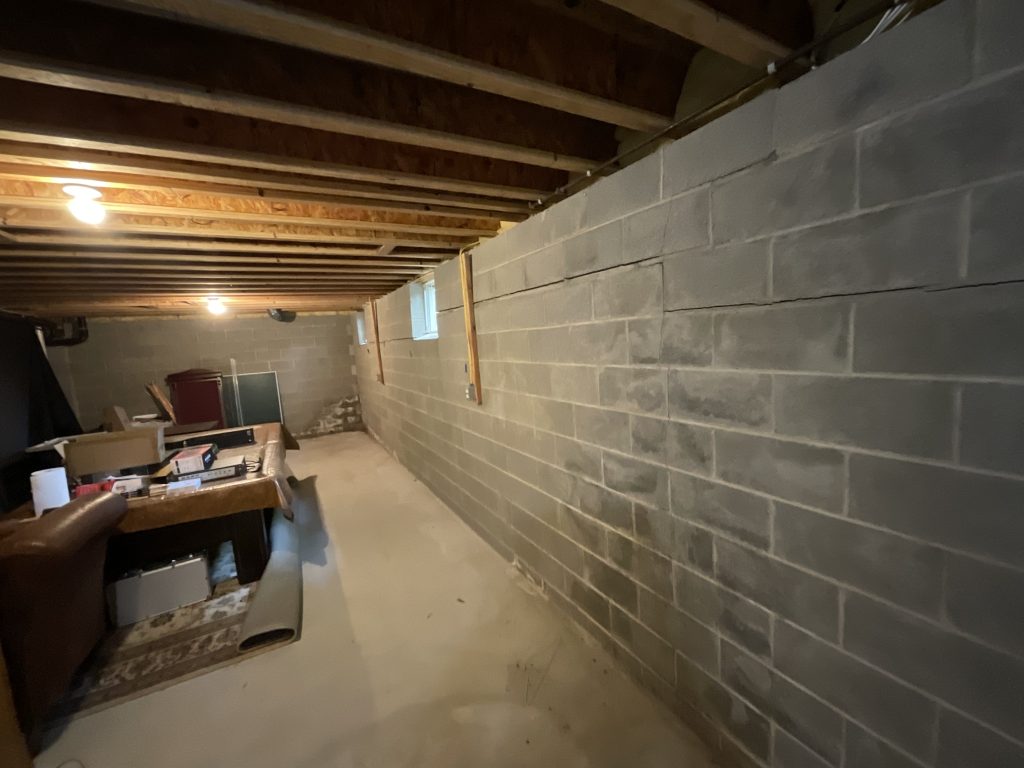
You discover a crack in your basement wall. Maybe there’s water seeping in after heavy rain or perhaps you’ve noticed your floors are uneven or a door sticks. You search online and are quickly overwhelmed: some companies recommend foundation waterproofing, others suggest structural repair. So which one is right for your home?
Understanding the difference between waterproofing and structural repair is key to choosing the right solution, protecting your investment, and preventing future damage. While these two services are often connected, they solve very different problems.
In this article, we’ll help you figure out what’s going on with your foundation, how to tell whether you need waterproofing, structural repair, or both, and why getting a professional diagnosis is critical to keeping your home safe and dry.
Key Takeaways
- Foundation waterproofing stops water from entering your home; structural repair fixes movement or damage in the foundation itself.
- Cracks, leaks, and bowed walls can signal both water and structural issues.
- Many homeowners need a combination of both services for a complete fix.
- Choosing the wrong repair (or skipping one entirely) can lead to recurring problems.
- A professional inspection is the best way to determine the real cause and solution.
What Is Foundation Waterproofing?
Waterproofing involves keeping water out of your basement or crawl space. Moisture problems typically happen when rain, groundwater, or poor drainage pushes water toward your foundation.
Common Waterproofing Methods:
- Interior drain tile systems: Installed beneath the basement floor to capture water and move it to a sump pump.
- Sump pumps: Pump collected water out and away from the house.
- Exterior excavation and membranes: A protective barrier is applied to the outer foundation walls to stop moisture at the source.
- Crack sealing and injection: Wall cracks are filled with polyurethane or epoxy to stop active leaks.
- Downspout extensions and grading: Ensures water is directed away from your foundation.
Waterproofing is about managing moisture. It protects your home from mold, mildew, and water damage—but it doesn’t fix structural shifting or instability.
What Is Structural Foundation Repair?
Structural repair addresses movement, failure, or instability in the actual structure of your foundation. This could be due to soil problems, erosion, age, or pressure from water-saturated soil.
Common Structural Repair Methods:
- Push piers or helical piers: Installed deep into stable soil to lift and stabilize settling foundations.
- Wall anchors or braces: Used to stabilize bowed or leaning basement walls.
- Carbon fiber straps: Strengthen cracked or bowed concrete walls with minimal visibility.
- Underpinning: Reinforces or deepens the existing foundation to prevent future movement.
Structural repair restores your home’s strength and stability, preventing settlement, collapse, and long-term damage.
So What’s the Difference?
Here’s a simple way to look at it:
| Category | Waterproofing | Structural Repair |
|---|---|---|
| Purpose | Keeps water out | Stabilizes and strengthens the foundation |
| Signs | Leaks, damp walls, musty smell | Cracks, sinking, bowing walls, uneven floors |
| Materials Used | Drain systems, membranes, sump pumps | Piers, anchors, carbon fiber, steel supports |
| Involves Soil Movement? | No | Yes |
| Fixes Water Issues? | Yes | Sometimes |
| Fixes Movement? | No | Yes |
Can a Home Need Both?
Yes—and many do. For example, if your foundation wall is bowing inward due to soil pressure, you likely need:
- Structural reinforcement (to stabilize the wall), and
- Waterproofing (to stop the water that’s creating that pressure)
Ignoring either side of the problem sets the stage for repeat damage. Sealing a crack without stabilizing the wall? It will reopen. Bracing a wall without addressing the water? It will bow again.
Signs You Might Need Structural Repair
- Diagonal, horizontal, or stair-step cracks
- Bowing or leaning basement walls
- Uneven or sloping floors
- Doors or windows that stick or won’t close
- A visibly sinking corner of your home
- Gaps where walls meet floors or ceilings
These suggest foundation movement or soil instability, not just water intrusion.
Signs You Might Need Waterproofing
- Wet walls or puddles after rain
- Musty basement odor
- Visible mold or mildew
- Efflorescence (white powdery residue on concrete)
- Rust on basement appliances or stored items
- Water marks or streaks along foundation walls
These point to water entering the home, but not necessarily to structural failure.
Why Choosing the Right Service Matters
Let’s say you have a leak and a crack. If you only seal the crack without stabilizing the wall (if it’s bowing or shifting), the problem will come back.
Or, if your basement is dry but the floor is sloping and your walls are cracking, installing a sump pump won’t solve the issue—it’s likely settlement, and structural repair is needed.
Misdiagnosing the issue leads to wasted money and recurring damage. The only way to get a complete, lasting fix is to match the solution to the root cause.
How Professionals Diagnose the Right Problem
At All County Waterproofing, we start with a detailed inspection to assess both the structural condition and moisture intrusion factors.
Our experts:
- Examine visible cracks and wall movement
- Use laser levels or elevation tools to detect settlement
- Test walls for moisture levels and inspect for drainage problems
- Evaluate soil conditions and exterior grading
- Check for signs of hydrostatic pressure or seepage
Only then do we build a repair plan often blending both structural and waterproofing elements for total protection?
Example Scenarios
Case 1: The Wet Basement With Wall Movement
The homeowner complains about water on the floor after heavy rain. On inspection, we find the rear basement wall is bowing inward and cracked. Moisture levels are high.
Solution:
- Install interior drain tile and sump pump (waterproofing)
- Reinforce wall with anchors and steel braces (structural)
Case 2: The Settling Home With No Water
The owner notices the floors are sloping and the doors aren’t closing. The basement is dry, and no leaks are found. Elevation measurements confirm one corner is sinking.
Solution:
- Install push piers to lift and stabilize the foundation (structural repair only)
Long-Term Prevention Tips
- Keep gutters clear and direct downspouts 6–10 feet from foundation
- Slope soil away from the home to prevent pooling
- Install dehumidifiers in basements and crawl spaces
- Inspect your foundation each season for new cracks or movement
- Fix small leaks and cracks before they become big problems
Frequently Asked Questions
Can waterproofing fix structural cracks?
No. While it may temporarily stop a leak, waterproofing doesn’t address the cause of the crack or prevent it from growing.
Do I always need both services?
Not always. Some homes only need moisture control, others need structural help. Many benefit from a combination—especially if problems have progressed over time.
Is it more expensive to do both?
At first, yes—but much cheaper than paying twice. Addressing both problems at once prevents future repairs, damage, and stress.
How long does a full repair take?
Depending on the severity, most combined jobs are completed in 3–10 days.
Conclusion: Two Services. One Goal—A Safe, Dry, Stable Foundation.
Waterproofing and structural repair are two sides of the same coin. One protects your home from moisture, the other from movement. Knowing which you need—or when you need both—is the first step to protecting your home long-term.
At All County Waterproofing, we don’t guess. We inspect. We test. And we create a plan tailored to your foundation’s specific challenges—so you get the right repair the first time.
If you’re noticing cracks, water, or shifting floors, don’t wait. Contact us today for a professional foundation evaluation and get peace of mind for years to come.
For more than a decade, we have been the go-to waterproofing and related services provider for homeowners across New Jersey. Our reputation has been built on a foundation of delivering exceptional workmanship and top-notch customer service to each and every one of our valued clients.
We truly understand the significance of your home to you and your family, as well as the importance of the services we offer in safeguarding your home. That’s why we take our responsibilities seriously and never compromise on the quality of our work. Our commitment to your satisfaction is unwavering, and we go above and beyond to ensure that you are completely content with every aspect of the job we perform.
When it comes to protecting your home, trust is of utmost importance. At our professional New Jersey Waterproofing Company, we prioritize the well-being of your basement and ensure it remains shielded from any harmful moisture damage, regardless of the job’s size. Whether you require waterproofing, mold remediation, or even foundational or structural repairs, we are always ready and eager to take on any challenge.
Our singular focus is your happiness, and we leave no stone unturned in achieving it. If you are searching for a trustworthy New Jersey waterproofing company to safeguard your home, look no further. Contact us today and experience firsthand what sets us apart from the competition. Your home’s protection is our major priority, and we are here to serve you with dedication and expertise.