As a parent, your number one priority is keeping your child safe and healthy. You baby-proof the outlets, install stair gates, and check for lead paint or smoke detectors—but there’s one threat that often goes unnoticed: mold in your home.
While mold can affect anyone, children are especially vulnerable to its health effects. Their immune systems are still developing, they breathe faster than adults, and they spend more time close to the floor—where mold spores tend to settle.
The presence of mold in your basement, crawl space, or behind walls isn’t just a cosmetic issue it’s a serious risk to your family’s well-being. In this article, we’ll explain how mold impacts children’s health, the signs to watch for, and how professional remediation protects the ones you love most.
Key Takeaways
- Mold exposure affects children more severely than adults, often triggering respiratory and immune problems.
- Common health symptoms include asthma, allergies, fatigue, headaches, and skin irritation.
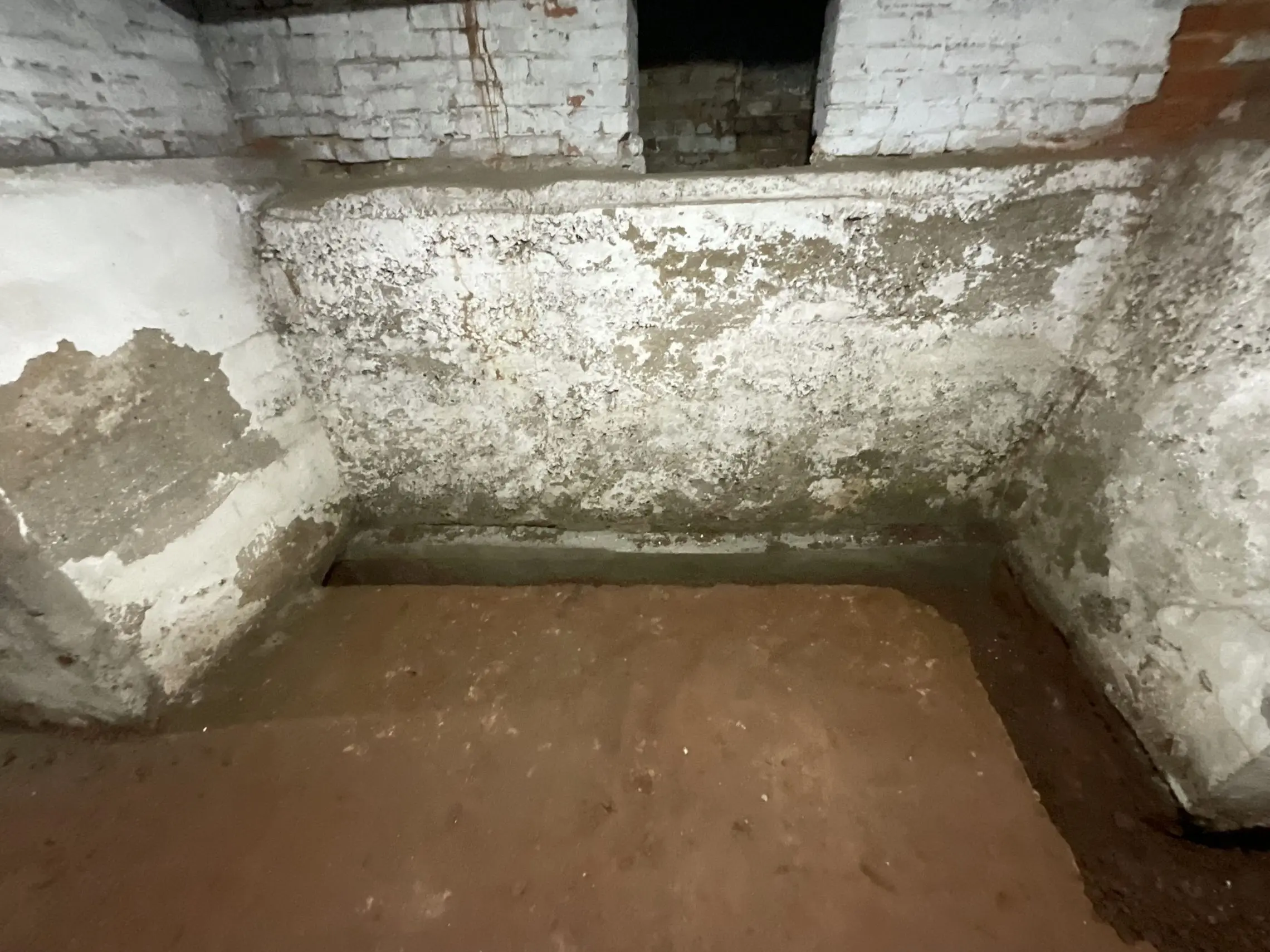
- Crawl spaces and basements are common sources of hidden mold that circulate spores throughout the home.
- Professional mold remediation and moisture control create a safer indoor environment.
- Early detection and action are critical for protecting your child’s health long-term.
Why Kids Are More Susceptible to Mold
Children are not simply “smaller adults.” Their bodies react differently to environmental pollutants—and mold is no exception.
Factors That Increase Risk:
- Developing immune systems are less equipped to fight off allergens or irritants.
- Faster breathing rates mean kids inhale more air (and spores) per pound of body weight.
- More time indoors—especially in crawl spaces, carpeted areas, and playrooms.
- Frequent contact with floors, where mold spores often settle or grow in carpeting.
Because their bodies are still forming, early and repeated mold exposure can lead to long-term health consequences.
The Health Effects of Mold on Children
1. Respiratory Issues
Mold spores are known to irritate the respiratory tract. For children, this can mean:
- Chronic coughing or wheezing
- Nasal congestion or runny nose
- Difficulty breathing, especially at night
- Tightness in the chest
In children with asthma, mold exposure is a common trigger and can lead to more frequent or severe attacks.
2. Asthma Development and Worsening
According to the CDC, early mold exposure can increase the risk of developing asthma, especially in children with genetic predispositions. For those already diagnosed, it can:
- Increase dependence on medication
- Lower lung function
- Lead to more frequent hospital visits
3. Allergic Reactions
Many children develop mold allergies—often without realizing it.
Symptoms may include:
- Sneezing or itchy eyes
- Skin rashes or hives
- Eczema flare-ups
- Persistent sore throat
4. Cognitive and Behavioral Symptoms
Emerging research links mold exposure to:
- Headaches
- Fatigue and irritability
- Trouble concentrating
- Sleep disturbances
While more studies are ongoing, parents often report improved focus and behavior in children after mold remediation.
5. Long-Term Immune Effects
Chronic mold exposure may affect a child’s:
- Immune regulation
- Inflammatory response
- Susceptibility to future allergies
In severe cases or with toxic molds (such as Stachybotrys, or “black mold”), children may experience neurological symptoms or developmental impacts if exposure is prolonged.
Where Mold Hides in Homes with Kids
Even in clean, well-maintained homes, mold can thrive unnoticed—especially in areas children spend time.
Common Sources:
- Basements: Finished or unfinished, often damp and poorly ventilated
- Crawl spaces: Moisture seeps in from soil, and mold grows out of sight
- HVAC systems: Spores spread through vents and ducts
- Carpet and rugs: Especially in playrooms or bedrooms
- Windows and walls: Condensation creates perfect breeding grounds
Parents may never see the mold—but their children are breathing it in every day.
Warning Signs for Parents
If you notice any of the following in your home, mold may be the cause:
- Musty odors that linger or worsen after rain
- Recurring allergy or cold-like symptoms in your child
- Visible spots or stains on walls, ceilings, or carpet
- Peeling paint or bubbling wallpaper
- Water intrusion or past flooding
- Condensation on windows or around baseboards
- Family members feeling better outside the home
Even without visible mold, moisture and smell are strong indicators of a deeper problem.
Why Professional Mold Remediation Is the Only Safe Option
DIY mold removal may seem cost-effective—but for homes with children, it’s not worth the risk.
Risks of DIY Cleanup:
- Doesn’t eliminate spores hidden in walls or ducts
- Can release spores into the air, worsening exposure
- Bleach and cleaners often don’t reach porous materials like drywall or wood
- No air testing or verification to ensure safety
What Professionals Provide:
- Full inspection and moisture source identification
- Safe containment of affected areas
- HEPA air filtration during and after cleaning
- Removal of contaminated materials
- Antimicrobial treatments to prevent regrowth
- Post-remediation air testing and clearance
At All County Waterproofing, we don’t just treat the mold—we make sure your home is safe for your entire family.
Preventing Mold in Kid-Friendly Spaces
Once mold is removed, it’s essential to keep it from returning. Here’s how:
1. Control Humidity
- Use dehumidifiers in basements or crawl spaces
- Keep indoor humidity below 50%
- Use exhaust fans in bathrooms and kitchens
2. Waterproof Your Basement or Crawl Space
- Install drain tile and sump pump systems
- Seal foundation cracks
- Use waterproof coatings on walls and floors
- Consider crawl space encapsulation
3. Maintain HVAC and Ventilation Systems
- Clean or replace filters regularly
- Keep ductwork free of dust and debris
- Ensure vents aren’t blocked by furniture or curtains
4. Inspect After Storms or Plumbing Leaks
- Check carpet, drywall, and insulation for dampness
- Dry wet areas within 24–48 hours
- Monitor for musty smells or new stains
What to Expect from a Mold Inspection
When you contact All County Waterproofing for a mold inspection, we’ll:
- Listen to your concerns and health symptoms
- Inspect visible and hidden areas, including crawl spaces and basements
- Test moisture levels in air and materials
- Take air samples (if needed) to measure spore concentration
- Provide a clear action plan for remediation
We’ll also answer all your questions and walk you through how to make your home safer for your kids.
Frequently Asked Questions
How do I know if mold is affecting my child?
If your child has unexplained allergies, asthma, or fatigue that improves when away from home, mold may be a contributing factor. A doctor’s visit and home inspection are both recommended.
Can mold in a crawl space affect my child upstairs?
Yes. The stack effect moves air—and mold spores—upward into your living space. Crawl space mold can easily impact bedrooms, play areas, and nurseries.
Is mold dangerous even if it’s not black?
Yes. Many molds (not just “black mold”) can cause health problems, especially for children. All mold should be addressed seriously.
How much does professional mold removal cost?
Mold remediation generally ranges from $2,000 to $6,000, depending on size and severity. When children’s health is at stake, it’s an investment in their safety.
Conclusion: Don’t Let Mold Compromise Your Child’s Health
Mold might be invisible, but its effects on children’s health are very real. From chronic allergies to asthma and developmental concerns, exposure to mold in your home can have lasting consequences.
At All County Waterproofing, we understand the importance of creating a safe environment for your family. Our certified team identifies, removes, and prevents mold in the spaces where your children eat, sleep, and play—giving you the peace of mind every parent deserves.
Worried that mold could be affecting your child’s health? Contact us today for a professional inspection and let’s make your home a safe space from the ground up.
For more than a decade, we have been the go-to waterproofing and related services provider for homeowners across New Jersey. Our reputation has been built on a foundation of delivering exceptional workmanship and top-notch customer service to each and every one of our valued clients.
We truly understand the significance of your home to you and your family, as well as the importance of the services we offer in safeguarding your home. That’s why we take our responsibilities seriously and never compromise on the quality of our work. Our commitment to your satisfaction is unwavering, and we go above and beyond to ensure that you are completely content with every aspect of the job we perform.
When it comes to protecting your home, trust is of utmost importance. At our professional New Jersey Waterproofing Company, we prioritize the well-being of your basement and ensure it remains shielded from any harmful moisture damage, regardless of the job’s size. Whether you require waterproofing, mold remediation, or even foundational or structural repairs, we are always ready and eager to take on any challenge.
Our singular focus is your happiness, and we leave no stone unturned in achieving it. If you are searching for a trustworthy New Jersey waterproofing company to safeguard your home, look no further. Contact us today and experience firsthand what sets us apart from the competition. Your home’s protection is our major priority, and we are here to serve you with dedication and expertise.