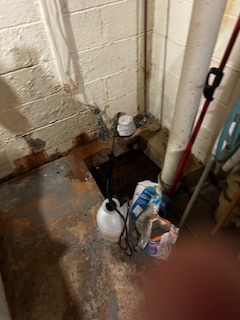
You’ve probably heard the terms ‘mold’ and ‘mildew’ tossed around when discussing basement issues, but do you really know the difference? Both are fungi that thrive in damp environments, yet the impact they have on your home and health can vary significantly. It’s crucial to understand these differences and how to effectively deal with each. Why? Let’s just say, the earlier you can identify and treat these issues, the better off you’ll be. So grab your flashlight and let’s uncover some dark (and light) truths about mold and mildew in basements.
Key Takeaways
- Mold, often black or green, thrives in cool, damp, and dark basements, while mildew is typically white and powdery, growing in warm, moist areas.
- Musty odors and discoloration on surfaces are common signs of both mold and mildew in basements.
- Mold can cause structural damage and health issues, while mildew is less harmful but can discolor and degrade surfaces.
- Controlling moisture and humidity, using mold-resistant materials, and ensuring cleanliness and proper ventilation are key to preventing mold and mildew.
- Regular inspections, prompt leak repairs, and the use of mildew-resistant cleaning products can prevent further growth and damage.
Understanding Mold and Mildew
What’s the deal with mold and mildew in your basement? Well, let’s break it down.
You see, basements are often the perfect breeding ground for these pesky fungi due to their damp, dark, and cool conditions. Mold growth can be a serious issue. Not only can it cause structural damage to your home, but it can also have adverse effects on your health, leading to allergies, and in severe cases, respiratory problems.
Now, what about mildew? Mildew is a type of mold that’s usually less harmful but still a nuisance. It’s typically white, powdery, and grows on the surface of moist, warm areas.
Mildew prevention involves controlling the moisture level in your basement. A dehumidifier can be your best friend here, keeping humidity levels low and making your basement less inviting to these fungi.
Identifying Mold in Your Basement
Having understood the nature of mold and mildew, it’s vital to know how to identify mold in your basement.
Firstly, look out for discoloration on your walls, floors, or ceilings. Mold types can vary in color from black, green, to white, and even orange.
Next, pay attention to any musty, earthy odors. Mold often gives off a distinct smell that’s hard to miss. If you’ve noticed a persistent foul odor in your basement, mold might be the culprit.
Don’t ignore any health effects either. Mold can cause allergies, breathing issues, and other health problems. If you or your family members have been experiencing unexplained coughs, sneezes, or itchy eyes, you might’ve a mold issue in your basement.
Identifying Mildew in Your Basement
Just as with mold, spotting mildew in your basement involves some detective work.
You’ve to be aware of the telltale signs, including mildew appearance and odors.
Let’s break it down into a list:
- Look for Powdery or Fluffy Surfaces: Mildew usually appears as a powdery or fluffy white, grey, or yellow substance clinging to flat surfaces.
- Check for a Flat Pattern: Unlike mold, mildew tends to grow in a flat pattern, spreading over surfaces without penetrating deep into the material.
- Watch Out for Discoloration: Mildew often discolors the surfaces it grows on.
If you notice any unusual color changes on your walls or floor, it’s a good idea to investigate further.
- Sniff for Musty Odors: Mildew odors are often musty and foul.
If there’s a persistent musty smell in your basement, it could be a sign of mildew.
Solutions for Basement Mold
Now that you’re equipped with the knowledge to identify mildew in your basement, let’s tackle another common issue—mold. Mold prevention is key in maintaining a healthy and safe basement environment.
First off, moisture control should be your top priority. Mold loves damp, dark places, so keeping your basement dry will go a long way in preventing this unwanted guest. Invest in a dehumidifier to reduce moisture levels.
Inspect your basement regularly for leaks, and fix them promptly. Make sure that your basement has proper ventilation to prevent condensation.
Next, consider using mold-resistant products. If you’re finishing your basement, use mold-resistant drywall and paint. There are even certain types of insulation designed to resist mold.
Lastly, remember to keep things clean. Dust and dirt can provide food for mold, so regular cleaning can help with mold prevention.
Pay special attention to carpeting and fabric, as these can trap moisture and become breeding grounds for mold.
Solutions for Basement Mildew
Shifting our focus to mildew, it’s equally important to take preventive measures. Mildew prevention in basements doesn’t have to be a daunting task. In fact, you can take simple steps to keep your basement mildew-free.
- Improve Basement Ventilation: Mildew thrives in damp, stagnant air. Make sure your basement is well-ventilated. Install vents or use dehumidifiers to keep the air dry and circulating.
- Regular Cleaning: Regular cleaning is crucial. Use mildew-resistant cleaning products to wipe down surfaces, especially after flooding or leaks. Don’t forget those hidden corners!
- Waterproof Your Basement: This is a more drastic measure, but it can save you a lot of trouble in the long run. Use sealants on walls and floors to prevent moisture seepage.
- Keep an Eye on Humidity Levels: Invest in a good-quality humidity monitor. If humidity levels consistently exceed 60%, you’ve got a potential mildew problem.
Frequently Asked Questions
What Health Risks Are Associated With Mold and Mildew Exposure?
Exposure to mold and mildew can seriously affect your health.
You might experience symptoms like coughing, sneezing, and skin rashes. These are common allergic reactions.
In severe cases, you could face respiratory issues or even asthma attacks.
It’s crucial to handle any mold or mildew problem promptly and properly to avoid these health risks.
Seek professional help if necessary to ensure your environment is safe and healthy.
Can Mold and Mildew Damage the Structural Integrity of My Basement?
Yes, mold and mildew can damage your basement’s structural integrity.
Mold identification is crucial because it decays organic material, potentially weakening wooden structures. Mildew, though less destructive, can still cause damage over time.
Mildew prevention is key to maintaining your basement. Regular inspections, proper ventilation, and moisture control can help prevent these issues.
It’s essential to address any mold or mildew problem promptly to prevent serious damage.
Are There Professional Services Available for Mold and Mildew Removal?
Yes, professional services for mold and mildew removal are widely available.
They’re experts in identifying and implementing removal techniques that are safe and effective.
It’s crucial to have a professional inspection as mold and mildew can lurk in hidden areas.
They’ll ensure every trace is eliminated, reducing the risk of future growth.
You’ll gain peace of mind knowing your basement is clean, safe, and protected against these harmful fungi.
How Can I Prevent Mold and Mildew From Reoccurring in My Basement?
To prevent mold and mildew from recurring in your basement, you’ve to focus on moisture control and ventilation techniques.
Dehumidifiers can help reduce dampness. Also, ensure you’ve proper ventilation; fans or vents can facilitate airflow.
Fix any leaks promptly and avoid storing damp items.
Regularly clean and inspect your basement for any signs.
It’s not just about removal, but maintaining a dry, well-ventilated environment is key to keeping mold and mildew at bay.
What Are the Costs Associated With Mold and Mildew Remediation?
Mold and mildew remediation costs can vary greatly.
You’ll need to consider several factors. The size of the affected area, the severity of the contamination, and the remediation techniques used all play a part.
It’s not uncommon for costs to range from $500 to $30,000. Hidden mold or structural damage can further increase the price.
Always get a professional quote for precise costs.
Conclusion
So, you’ve got the lowdown on basement mold and mildew. Remember, mold is dark and potentially harmful, while mildew is lighter and usually less damaging. Keep moisture in check with dehumidifiers, ventilation, and sealing. Stay vigilant with your inspections and repairs. Your basement’s health depends on you. Don’t let these fungi take over. Act promptly and keep your basement clean and safe for everyone.
For more than a decade, we have been the go-to waterproofing and related services provider for homeowners across New Jersey. Our reputation has been built on a foundation of delivering exceptional workmanship and top-notch customer service to each and every one of our valued clients.
We truly understand the significance of your home to you and your family, as well as the importance of the services we offer in safeguarding your home. That’s why we take our responsibilities seriously and never compromise on the quality of our work. Our commitment to your satisfaction is unwavering, and we go above and beyond to ensure that you are completely content with every aspect of the job we perform.
When it comes to protecting your home, trust is of utmost importance. At our professional New Jersey Waterproofing Company, we prioritize the well-being of your basement and ensure it remains shielded from any harmful moisture damage, regardless of the job’s size. Whether you require waterproofing, mold remediation, or even foundational or structural repairs, we are always ready and eager to take on any challenge.
Our singular focus is your happiness, and we leave no stone unturned in achieving it. If you are searching for a trustworthy New Jersey waterproofing company to safeguard your home, look no further. Contact us today and experience firsthand what sets us apart from the competition. Your home’s protection is our major priority, and we are here to serve you with dedication and expertise.