You’ve probably noticed that pests seem to be more prevalent in damp, humid conditions. That’s no coincidence – insects like termites and cockroaches thrive in moist environments. So, controlling the moisture level in your home could be a key strategy in preventing these unwelcome house guests. Techniques such as fixing plumbing leaks, using dehumidifiers, and ensuring proper ventilation can drastically reduce your home’s attractiveness to pests. But what are the signs of a moisture problem, and how can you effectively address it? Let’s unpack this further.
Key Takeaways
- Control moisture levels in your home with dehumidifiers and proper ventilation to deter insect infestations.
- Regularly inspect for signs of moisture problems, such as water stains and musty odors, to prevent pest attraction.
- Correct plumbing leaks and dampness in areas like kitchens and bathrooms, which could provide ideal conditions for pests.
- Professional services can provide comprehensive moisture assessments, identifying potential risks and implementing preventative measures.
- Implement proactive strategies like regular inspections, installation of gutters, and education on proper ventilation to prevent future moisture issues.
Understanding Insect Infestation Triggers
In the battle against bug invasions, knowledge is your best weapon. Understanding pest behavior and various environmental factors is key to preventing a full-blown infestation in your home.
Most pests are attracted by food sources and suitable habitats. Everything from your overflowing garbage bin to the fallen fruit in your backyard can serve as a feast for these invaders.
You’ve got to keep your surroundings clean and tidy. Don’t leave food lying around and make certain your trash is properly sealed.
Environmental factors greatly influence pest behavior. Changes in weather, for instance, can drive pests indoors. They’re not a fan of extreme temperatures, be it too hot or too cold, and they’ll seek refuge in your cozy home.
Regularly check potential entry points and seal them off to stop them from moving in.
Lighting too can attract or repel pests. Some bugs are attracted to light, while others prefer the dark. Be mindful of this when illuminating your home or garden.
Role of Moisture in Pest Attraction
You mightn’t realize it, but moisture in your home could be a big welcome sign for insects.
It’s not just food that attracts pests – dampness can be a bug magnet too.
Let’s talk about the role of moisture in pest attraction and how you can use this knowledge to keep bugs at bay.
Moisture’s Lure for Pests
Water might seem harmless, but it’s a big draw for bugs and pests. You see, many pests are attracted to moisture, and the reason lies in their basic survival requirements. Understanding pest behavior and their moisture preferences is key to keeping them at bay.
- Food Source: Moisture often leads to mold and decay, a gourmet meal for many pests. They aren’t picky eaters, and your damp basement might be their next five-star restaurant.
- Breeding Ground: Many pests, like mosquitoes, need standing water for their eggs to hatch. A tiny puddle could turn into a big problem.
- Hydration: Just like you, pests need water to survive. Damp areas provide an easily accessible water source.
- Habitat: A moist environment is like a luxury apartment for pests. It’s where they eat, breed, and thrive.
Dampness: A Bug Magnet
Despite its benign appearance, moisture acts as a powerful magnet for pesky pests. It’s not just about the water they drink; damp environments also provide ideal conditions for breeding and survival. The moisture retention in such areas allows insects to thrive and multiply, making it a critical factor in insect behavior.
You might be surprised at just how much of a role moisture plays in pest prevention. It’s not as simple as drying out a damp basement or fixing a leaky pipe. It’s about constant vigilance and understanding the relationship between moisture and pests.
You see, insects can detect moisture levels in their surroundings, and they’re attracted to areas where moisture is abundant. This is why you’ll often find them in bathrooms, kitchens, or basements – places where humidity tends to be high.
Identifying Moisture Problems in Homes
Now, let’s turn our attention to identifying moisture problems in your home.
You’ll need to learn how to spot signs of dampness, understand common household moisture sources, and know how to repair potential water leaks.
These are key steps in preventing those unwelcome insect guests.
Spotting Signs of Dampness
Pools of condensation on your windowsills or damp patches on walls may be your first clues to a moisture problem in your home.
Detecting dampness early is vital to prevent insect infestations. But how exactly can you spot these signs?
- Look closely: Small water stains, discoloration, or a darkening of materials could indicate dampness. Don’t overlook these subtle signs.
- Feel it out: Surfaces may feel cold, wet, or clammy to the touch. This tactile method is a simple yet effective damp detection strategy.
- Smell for mustiness: Damp areas often carry a distinct, musty odor. Trust your nose, it’s a reliable moisture sensor.
- Use technology: Moisture sensors available in the market can accurately measure humidity levels, helping you catch moisture problems before they escalate.
Common Household Moisture Sources
Understanding how and where moisture accumulates in your home is the key to spotting the problem early and preventing insect infestations.
Perpetrators like kitchen appliances, bathroom fixtures, and laundry areas are common culprits. Leaky faucets or appliances can create damp environments, perfect breeding grounds for pests.
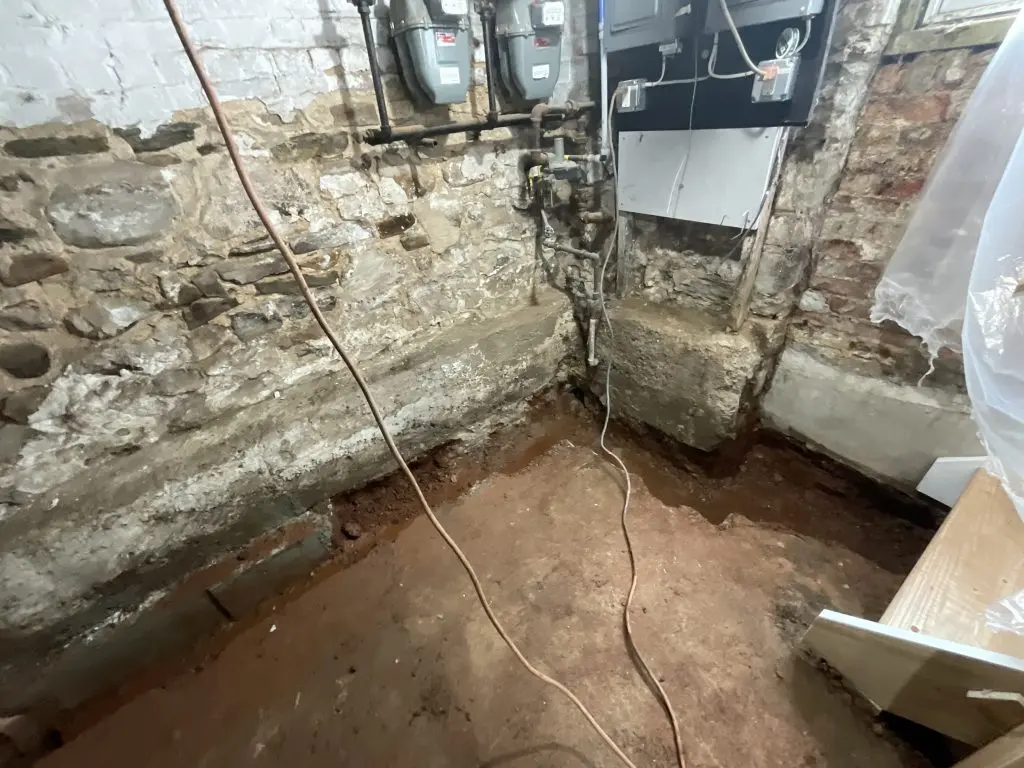
Basement humidity is another concern. A damp basement often results from poor outdoor drainage or foundation cracks, allowing water to seep in.
Crawl spaces can harbor moisture too, leading to a humid home and enticing bugs. Regularly inspect these areas for dampness and rectify any issues promptly.
Attic ventilation plays an essential role in maintaining your home’s moisture balance. Inadequate ventilation can lead to condensation, providing an ideal damp environment for insects.
Check your attic’s ventilation system and verify it’s functioning properly.
Window seals are often overlooked, but faulty seals can let in moisture, especially during rainy seasons. Check them periodically for any damage.
Lastly, don’t underestimate the moisture from indoor plants. Overwatering or poor plant placement can contribute to indoor humidity.
Repairing Potential Water Leaks
Spotting potential water leaks in your home is the first step towards resolving moisture problems.
But, leak detection is just the start. You’ve got to repair them to prevent water damage and insect infestations.
- DIY Solutions: Don’t be scared to try your hand at minor leaks. Simple repair techniques may be all you need. You can use waterproof tape, fillers, or compounds to seal minor leaks.
Remember, DIY isn’t always the solution, but it’s a start.
- Professional Services: When leaks are beyond your control, bring in the pros. They’ll conduct a thorough plumbing inspection, identify the problem, and fix it effectively.
- Preventative Measures: Always be proactive. Regular seasonal checks guarantee you catch those sneaky leaks early.
- Understanding Water Damage: Knowledge is power. Learn the signs of water damage—mold growth, peeling paint, damp spots.
This helps you take quick action, preventing expensive repairs down the line.
Effective Dehumidification Techniques
Ever considered how humidity levels could play a significant role in the fight against insects? Well, it does, and an essential part of controlling moisture is through effective dehumidification techniques.
Proper dehumidifier selection is vital. You need a device that’s not just efficient but also suitable for the size of your space. For small rooms, a portable dehumidifier works wonders, while a whole-house dehumidifier is ideal for larger spaces.
And don’t forget, it’s not a ‘set and forget’ thing. Regular maintenance is key to guarantee maximum performance.
Next, comes humidity monitoring. Invest in a good hygrometer to keep an eye on the humidity levels in your home. Aim to keep it below 50% to discourage insect infestation.
If it goes above, it’s time to crank up your dehumidifier.
Importance of Proper Ventilation
Proper ventilation is a cornerstone in your battle against bugs. It’s not just about temperature control; it’s about creating an environment that’s inhospitable to pests. An effective ventilation system guarantees the overall health of your home, and here’s why:
- Air Circulation: Good ventilation systems maintain regular air circulation. Stagnant air creates a damp environment, which is a haven for insects. Keep the air moving, and you’ll discourage them from setting up shop.
- Humidity Control: Ventilation aids in maintaining the right humidity levels. High humidity attracts pests, so it’s crucial to keep it in check.
- Prevent Fungal Growth: With proper ventilation, you’ll decrease the chances of mold and mildew. These fungi are food sources for many insects.
- Healthier Living Space: Finally, a well-ventilated home provides a healthier living space for you and your loved ones.
Don’t underestimate the power of a well-ventilated home. Make certain that your ventilation systems are working correctly, and you’ll not only have a fresher, healthier home, but also a formidable defense against pesky intruders.
Plumbing Leaks and Insect Invasion
In the face of an insect infestation, don’t overlook the crucial role of your plumbing system. Plumbing leaks can inadvertently create a hospitable environment for insects. The excess moisture from leaks can attract pests like cockroaches, silverfish, and termites that thrive in damp conditions.
Don’t wait until you’re knee-deep in pests before you act. Regular pipe inspections can be a lifesaver. When you regularly inspect your pipes, you’re not just checking for leaks; you’re also keeping an eye out for potential insect invasions. It might seem like a chore, but it’s one that’ll pay off in the long run.
Now, let’s talk about leak detection. If you’ve got a hidden leak, it could be drawing in insects without your knowledge. You’ve got to find the leak before you can fix it, right? Leak detection methods like moisture meters and infrared cameras can help pinpoint the problem.
Once the leak is located and repaired, the reduction in moisture will make your home less attractive to pests.
In short, take control of your plumbing system to prevent insect infestations. Inspect your pipes regularly and act swiftly at the first sign of a leak.
Landscape Grading for Moisture Control
Let’s shift our focus to landscape grading and how it can be a game-changer for moisture control.
First, you need to understand what landscape grading is and how it works.
Then, we’ll help you implement effective grading techniques, highlighting why it’s essential in keeping your space dry and free from insects.
Understanding Landscape Grading
Before diving into the nitty-gritty of pest control, you need to grasp the fundamentals of landscape grading. It’s an essential part of a well-rounded moisture control strategy, and it’s much easier than you think.
Firstly, start with a thorough landscape assessment. This gives you a clear understanding of your property’s grading and its current status. Knowing where water pools and which areas are prone to water logging will help you determine necessary changes.
- Identify high and low spots in your yard. Pay attention to water pooling around your foundation.
- Look for signs of erosion or soil displacement. These could indicate grading issues.
- Assess your current drainage solutions. Are they working as expected?
- Consider the impact of your garden or lawn on the landscape grading.
Armed with this knowledge, you can start devising a plan for improving your landscape’s grading.
Remember, the goal is to direct water away from your home, preventing excess moisture that draws insects. By understanding how landscape grading works, you’re taking the first major step towards preventing pest infestations.
It’s all about taking control, understanding your landscape, and making it work for you.
Implementing Effective Grading Techniques
Now that you’ve assessed your landscape, it’s time to roll up your sleeves and get down to business. Grading your landscape effectively requires a keen understanding of your soil composition and the implementation of appropriate drainage solutions.
Your first step is to evaluate your soil composition. This will dictate how water moves through your landscape and is vital to effective grading. You’ll want soil that allows water to percolate instead of pooling. If your soil is too compact or clay-heavy, you may need to amend it with organic matter to improve drainage.
Next, develop a thorough drainage plan. Where does water naturally gather in your yard? Where does it need to go? Grading techniques, such as digging swales or installing French drains, can help redirect water away from your home and to areas where it won’t cause problems.
Grading’s Role in Moisture Control
Often, the importance of landscape grading in moisture control is overlooked. Improper grading can result in water pooling around your home’s foundation or seeping into your basement, creating an ideal environment for insects to thrive.
- Drainage Systems: An effective grading strategy directs water away from your home and into proper drainage systems. This reduces the likelihood of water pooling and damaging your property or encouraging insect infestation.
- Soil Composition: The type and composition of your soil can greatly affect water drainage. Clay soils, for example, retain more water than sandy soils. Knowing your soil’s composition allows you to design an effective grading plan.
- Consistent Maintenance: Over time, natural elements can affect your landscape’s grading. Regular maintenance guarantees that your grading remains effective in directing water away from your home.
- Professional Help: If you’re unsure about your grading or drainage system, don’t hesitate to consult with a professional. They can provide valuable insight and practical solutions to safeguard your home against excess moisture and potential insect infestations.
The Role of Insulation in Preventing Infestations
In the fight against insect infestations, don’t underestimate the role of insulation. It’s not just about keeping your home warm or cool, but also about pest prevention. The right insulation types can form thermal barriers and moisture barriers, preventing pests from making your home theirs.
Selecting the appropriate insulation materials is essential. Some materials offer better pest resistance than others. For instance, cellulose insulation is treated with boric acid, a deterrent to many pests. Foam insulation, on the other hand, is less inviting to pests due to its structure.
Besides pest resistance, consider energy efficiency. A well-insulated house prevents air leaks, reducing your energy bills while keeping pests out. Remember, insects often enter homes through these air leaks.
However, insulation alone won’t solve everything. While it’s an integral part of pest prevention, it’s just one part of a larger plan. Regular home maintenance is also necessary, which we’ll discuss later.
Ultimately, understanding and utilizing the role of insulation in your home can be a game-changer in the struggle against insect infestations. Don’t overlook its importance, and you’ll be well on your way to a bug-free home.
Regular Home Maintenance for Moisture Control
Keeping your home dry is an important step in preventing insect infestations. Regular home maintenance for moisture control isn’t just about mopping up spills and fixing leaks, it’s an ongoing commitment that requires attention and care.
You’ve got to be proactive, and that’s where seasonal maintenance and humidity monitoring come in.
- Seasonal maintenance is vital. Make sure you’re inspecting and cleaning your gutters in the spring and fall. A blocked gutter can lead to water seeping into your home, providing a perfect breeding ground for insects.
- Humidity monitoring is your next step. Invest in a good quality humidity monitor. High humidity levels can attract a whole host of insects. Keep it under control.
- Ventilation is key. Guarantee your home is well-ventilated, especially in areas prone to dampness like the bathroom and kitchen. Use dehumidifiers if necessary.
- Don’t forget about regular checks for leaks. A small leak can quickly become a big problem if left unattended.
Professional Moisture Control Services
While your personal efforts to maintain a dry home environment are commendable and necessary, they may not always be enough. Sometimes, it’s best to call in the professionals.
Specialized moisture control services are available to assist you in your fight against potential insect infestations. These experts utilize advanced techniques and equipment for effective moisture management, going beyond what you can achieve with DIY solutions.
Professional moisture control services perform thorough assessments of your space, identifying and addressing areas susceptible to excessive dampness. They’re trained to spot the subtle signs of moisture build-up that you might overlook, such as hidden leaks or condensation issues.
Their expertise spans across basements, crawlspaces, attics, bathrooms, kitchens, and more.
These professionals don’t just resolve existing moisture issues, they also provide preventative measures to stop future problems before they start. This approach is essential for pest prevention, as many pests, including insects, thrive in damp environments.
Frequently Asked Questions
What Are the Common Signs of an Insect Infestation in My Home?
You’ll notice common signs of an insect infestation in your home through certain indications.
Unusual noises, especially at night, might be a giveaway. That’s probably insects moving around.
Visible droppings are another major sign. They’re tiny, so you’ve got to look closely.
If you spot these signs, it’s time to act.
How Long Does It Usually Take for Insects to Infest a Moisture-Rich Area?
Insect infestation timelines can vary greatly. It largely depends on the type of insect and the environment’s conditions.
If you’re noticing moisture indicators like dampness or mold, you’ve created a welcoming environment for bugs. Insects like termites or roaches can infest a moisture-rich area within a few weeks.
It’s essential to manage moisture levels to prevent these unwelcome guests. Regular inspections can also help catch any infestations early on.
Can Pest Control Sprays or Chemicals Cause Moisture Problems in My Home?
Yes, they can. Pest control sprays often leave behind chemical residues that can contribute to moisture retention in your home.
They can create damp spots, especially if they’re used excessively or improperly. This excess moisture can attract pests, leading to an infestation.
Consequently, it’s vital to use these products wisely and guarantee proper ventilation in your home to avoid creating a conducive environment for pests.
Are There Specific Types of Insects Attracted to Moisture More Than Others?
Absolutely, there are specific insects that are attracted to moisture more than others.
These are often referred to as moisture-loving insects. They thrive in areas with high humidity, as it directly affects their survival and reproduction.
Examples include cockroaches, silverfish, and termites.
By controlling the moisture in your home, you’re effectively making it less appealing to these pests.
It’s an effective method of pest control.
What Preventive Measures Can I Take During the Construction Phase to Prevent Moisture Accumulation?
During construction, you’ve got several options to prevent moisture accumulation.
First, install vapor barriers. They’ll block moisture from seeping into your building.
Second, consider implementing drainage systems. They’ll guide water away from your structure.
These steps can be critical in preventing future issues.
Don’t underestimate the role of moisture control. It’s not just about comfort, it’s about preventing problems like insect infestations.
Conclusion
So, you’ve got the power to prevent pesky insect infestations by controlling moisture in your home. By recognizing moisture problems, using dehumidifiers, ensuring proper ventilation, and staying on top of home maintenance, you’re creating an environment that’s less inviting to pests. Consider professional moisture control services for stubborn issues. Remember, a dry home is a happy home, promoting your well-being and keeping those unwanted guests at bay.
For more than a decade, we have been the go-to waterproofing and related services provider for homeowners across New Jersey. Our reputation has been built on a foundation of delivering exceptional workmanship and top-notch customer service to each and every one of our valued clients.
We truly understand the significance of your home to you and your family, as well as the importance of the services we offer in safeguarding your home. That’s why we take our responsibilities seriously and never compromise on the quality of our work. Our commitment to your satisfaction is unwavering, and we go above and beyond to ensure that you are completely content with every aspect of the job we perform.
When it comes to protecting your home, trust is of utmost importance. At our professional New Jersey Waterproofing Company, we prioritize the well-being of your basement and ensure it remains shielded from any harmful moisture damage, regardless of the job’s size. Whether you require waterproofing, mold remediation, or even foundational or structural repairs, we are always ready and eager to take on any challenge.
Our singular focus is your happiness, and we leave no stone unturned in achieving it. If you are searching for a trustworthy New Jersey waterproofing company to safeguard your home, look no further. Contact us today and experience firsthand what sets us apart from the competition. Your home’s protection is our major priority, and we are here to serve you with dedication and expertise.