
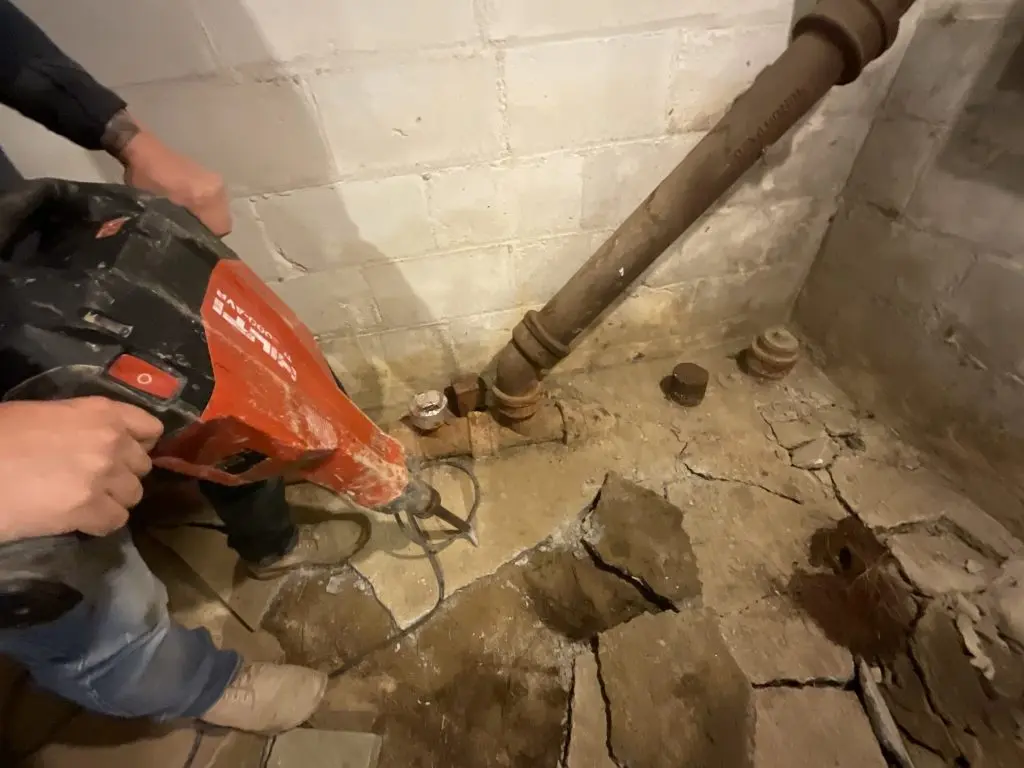
When it comes to your home’s structural integrity, overlooking the early signs of foundation cracks that lead to water infiltration can cause big headaches down the line. By keeping a keen eye out for warning signs such as visible fissures, jammed windows, or uneven floors, you’re taking the first essential step to mitigate potential damage. But what about the less obvious indicators? And once you’ve detected a problem, how can you effectively address it? The answers may surprise you. Let’s explore this further.
Key Takeaways
- Regularly inspect both inside and outside surfaces for vertical, horizontal, or diagonal cracks.
- Use moisture meters to detect levels of water infiltration in the foundation.
- Utilize infrared cameras to identify temperature variations indicating potential leaks.
- Install crack monitors to track crack movement and stability over time.
- Inspect basements and crawl spaces frequently for signs of moisture or water damage.
Understanding Your Home’s Foundation
Nearly every home rests on a foundation that serves as its bedrock, anchoring the structure and protecting it from the earth’s movement. Understanding your home’s foundation is essential to maintaining its overall health. You’ve got to dig a little into the nitty-gritty, like foundation types and soil composition.
Your home’s foundation type depends on multiple factors, such as geographical location, climate, and soil composition. The three major types are slab, crawl space, and basement foundations. Each of these foundation types has its unique characteristics and potential issues.
Soil composition is another vital element in the stability of your foundation. Soil types vary greatly, from clay-rich soils that expand when wet to sandy soils that drain quickly. Your foundation’s health can be heavily impacted by the type of soil it’s built upon.
If you’re a homeowner, it’s your responsibility to understand these elements. You need to know if you’re dealing with a concrete slab in a dry, sandy region or a basement foundation in an area with expansive clay soil.
The Dangers of Water Infiltration
While you’re getting to know your home’s foundation, it’s crucial to keep an eye out for water infiltration. Water damage isn’t just a cosmetic issue. It poses a real threat to your home’s structural integrity and foundation stability.
Persistent water infiltration can cause the foundation to weaken over time, making your home unsafe.
In addition, water infiltration does more than just damage your property; it can greatly affect your property value. Potential buyers are often wary of homes with foundation problems due to the high maintenance costs involved.
Moreover, insurance claims related to foundation issues can be a hassle, adding to your financial stress.
Even more concerning are the health risks associated with water infiltration. Damp environments provide a perfect breeding ground for mold growth.
Exposure to certain types of mold can lead to health problems, especially for those with allergies or respiratory conditions.
In short, water infiltration is a menace you can’t afford to ignore. It’s a matter of safety, health, and financial well-being.
Recognizing Signs of Foundation Cracks
Just as you monitor your home for signs of water infiltration, you should also be on the lookout for foundation cracks. They’re a clear indicator of potential problems, posing a risk to your home’s structural integrity and potentially leading to water infiltration.
One sign to watch for is foundation movement. Look for vertical, horizontal, or diagonal cracks across your home’s walls, floors, or ceilings. These are often the result of shifting soil, changes in temperature, or even the age of the building.
Uneven flooring and jammed windows or doors can also signal foundation movement.
Another sign is the crack width. While hairline cracks aren’t generally a cause for concern, wider cracks may indicate more serious issues. If you notice a crack wider than 1/8 inch, you should seek professional evaluation.
Similarly, if small cracks are growing over time, it’s a clear sign that there’s an ongoing issue.
Tools for Detecting Foundation Damage
You’ve spotted the signs, now let’s equip you with the right tools for detecting foundation damage.
We’ll first explore essential detection equipment, then move onto visual inspection techniques.
Essential Detection Equipment
Cracks in your home’s foundation can go undetected until they cause serious damage. To prevent this, you’ll need the right tools to detect these potentially destructive breaches. Moisture meters, infrared cameras, and crack monitors are essential equipment for identifying foundation damage early on.
Moisture meters help you detect water infiltration caused by cracks. They measure the amount of moisture in your foundation, indicating possible water damage. Infrared cameras, on the other hand, allow you to see variations in temperature which could signify water leaks. Crack monitors are tools that track the movement of cracks over time. They’re vital in determining whether a crack is getting worse or if it’s stable.
Excess hydrostatic pressure can lead to foundation cracks. This is why it’s critical to monitor this pressure as part of your detection strategy.
Here’s a quick overview of these tools:
| Tool | Function |
|---|---|
| Moisture Meters | Detect water infiltration |
| Infrared Cameras | Visualize temperature variations indicating leaks |
| Crack Monitors | Track crack movement |
Being equipped with these tools, you’re now ready to protect your home from potential foundation damage.
Visual Inspection Techniques
Inspecting your home’s foundation visually is an essential step in detecting potential damage. Regular scrutiny can help identify crack patterns, indicating structural issues that might lead to water infiltration.
Your visual inspection should be thorough, taking into account the following steps:
- Start from the Outside: Start your inspection outside. Look for cracks in the exterior wall, paying particular attention to where the ground meets the foundation.
- Move Indoors: Next, examine the interior of your home. Pay close attention to the basement, as this is where most foundation issues first appear.
- Identify Crack Patterns: Not all cracks are problematic, but certain patterns can indicate serious issues. Horizontal cracks may suggest pressure from soil or water pushing against the wall, while vertical cracks might mean the house is settling unevenly.
- Maintain Regular Inspection Frequency: Regular inspections are vital to early detection. Conduct them seasonally, especially after periods of heavy rain or drought, when foundation stress is most likely to occur.
Understanding Infiltration Indicators
Understanding the signs of water infiltration is crucial in detecting foundation damage. You’re not just looking for cracks. You’re searching for evidence of water sneaking into places it shouldn’t be. Moisture sources, such as leaky pipes or groundwater, can cause damp patches, mildew, or mold on walls and floors.
Pay attention to seasonal changes. During rainy periods, check for increased dampness or water pooling near your foundation. If you notice water stains on the walls or a musty smell, it’s likely you have a water infiltration problem. These changes can also occur during the winter when snow melts and pools near your foundation.
But don’t forget about the interior of your home. Infiltration indicators can include peeling paint, warped floorboards, or rust on metal fixtures. These signs often mean water is seeping in from the outside.
Infiltration indicators are your home’s cry for help. It’s telling you there’s an issue with the foundation that needs addressing. Don’t ignore these signs. It’s important to take action quickly to prevent further damage.
Regular Home Inspection Checklist
Every homeowner should have a regular home inspection checklist to guarantee the structural integrity of their home.
It’s not just about aesthetics or functionality, but also about the safety and longevity of your investment. Regular maintenance and seasonal checks are essential parts of this process, ensuring that you’re always one step ahead of any potential issues.
Here’s a quick rundown to assist you:
- Roof and Attic – Look for any signs of leaks or damage that could lead to water infiltration.
Regular maintenance plays an important role here.
- Interior Check – Examine your walls, ceilings, and floors for dampness or discoloration.
Don’t overlook those hidden corners.
- Plumbing System – Frequent checks can prevent significant water damage.
Keep an eye out for slow drains, low water pressure, or unusual noises.
- Basement – Often overlooked, it’s a common area for water infiltration.
Watch for musty odors, damp walls, or efflorescence.
Exterior Foundation Check: Step by Step
Don’t let potential foundation problems slip under your radar. For effective foundation maintenance, make it a point to do an exterior foundation check regularly. Here’s a step-by-step guide to help you out.
Start with a visual inspection. Walk around your house looking for visible cracks, bulges or shifts in the foundation. Pay attention to the ground near your house. If you notice water pooling close to the foundation, that could indicate a problem with drainage solutions.
Next, check for doors and windows that stick or won’t close properly. This can often signal foundation issues. Additionally, look at the corners of your house. If you see diagonal cracks, this might be a sign of foundation movement.
Lastly, inspect your exterior walls. Are they leaning or bulging? If yes, it’s a sure sign of foundation trouble.
Now, you’re not a foundation expert, and that’s okay. Some problems aren’t easy to spot. However, regular checks can help you catch small issues before they become major problems.
Interior Foundation Check: What to Look For
Now that you’ve checked the exterior of your foundation, it’s time to move indoors.
You’ll want to know how to spot signs of interior foundation cracks, understand the potential damage caused by water infiltration, and learn preventive measures to avoid leaks.
Let’s get started on this vital part of foundation health.
Identifying Interior Foundation Cracks
A significant number of homeowners tend to overlook the importance of regularly inspecting their home’s interior foundation.
It’s essential to detect and fix cracks early to prevent costly damage down the line. Here are some pointers on identifying interior foundation cracks.
- Visual Inspection: Keep an eye out for visible splits or fractures on your walls and floors. These crack types can range from hairline to wide gaps.
- Check Interior Materials: Cracks can appear on various interior materials such as drywall, plaster, or concrete. Be thorough in your inspection.
- Look for Discoloration: Water infiltration can cause staining around the crack. This is a telltale sign of an underlying problem.
- Presence of Mold or Mildew: Moisture seeping through cracks can lead to the growth of mold or mildew.
Effects of Water Infiltration
While inspecting your home’s interior foundation for cracks, you might come across signs of water infiltration. This can have serious implications, ranging from structural damage to health issues caused by mold growth.
Water infiltration can lead to water damage, compromising the integrity of your home. Telltale signs include discoloration, damp or soft spots, and a musty odor. It’s essential to spot these early, as prolonged exposure can weaken the foundation, causing it to buckle or crumble.
Moisture control is another concern. Excess moisture in your home can promote mold growth and attract pests. This not only affects your home’s structure but can also lead to health problems such as allergies and respiratory issues.
Consider this table to understand the signs and effects of water infiltration:
| Signs of Water Infiltration | Potential Damage | Health Risks |
|---|---|---|
| Discoloration | Structural damage | Allergies |
| Damp or soft spots | Crumbling foundation | Respiratory issues |
| Musty odor | Buckling foundation | Asthma |
| Mold growth | Pest infestation | Immune disorders |
| Pests | Deteriorating materials | Skin irritation |
Stay vigilant for these signs to mitigate the effects of water infiltration.
Preventive Measures for Leaks
To safeguard your home against the dangers of water infiltration, it’s crucial to adopt preventive measures. A key part of leak prevention involves conducting regular interior foundation checks.
Remember, early detection can save you from costly repairs down the line.
Here are four steps to implement:
- Inspection: Regularly inspect your basement and crawl spaces for signs of moisture. Look for damp spots, mold growth, or a musty smell, as these can indicate a leak.
- Seal Cracks: Small foundation cracks can be sealed using epoxy. However, for larger cracks, you might need professional assistance.
- Waterproofing: Use waterproofing techniques to protect your home. This could involve applying a waterproofing membrane, installing a sump pump, or using a dehumidifier to control moisture levels.
- Maintenance: Regularly clean and maintain gutters and downspouts to prevent water from pooling around your foundation.
When to Call a Professional
Spotting a crack in your home’s foundation can certainly be unnerving. It’s not just about the integrity of your home; it’s about your peace of mind.
But when should you pick up the phone and call a professional?
When you first notice a crack, you might be tempted to ignore it or hope it goes away on its own. This isn’t the best course of action. If a crack is wider than 1/8 inch or growing rapidly, that’s a sign of urgency. Don’t wait for the problem to get worse.
Also, if you spot horizontal cracks, it’s time to consult an expert right away. These types of cracks are serious and indicate a major problem with the foundation. If left untreated, they can lead to significant structural damage.
Water infiltration is another clear sign to call a professional. If you see water seeping through the cracks, it’s a red flag. It means the crack has penetrated the foundation and could potentially lead to serious water damage.
Preventative Measures Against Cracks
Regularly inspecting your home’s foundation can help prevent cracks from forming in the first place.
With consistent foundation maintenance, you’re more likely to catch small problems before they become big ones.
Now, let’s talk about some preventative measures you can take to protect your home’s foundation:
- Moisture Control: This is key in preventing foundation cracks. Use proper drainage techniques to direct water away from your home’s foundation. This could include repairing gutters, installing a sump pump, or landscaping techniques that prevent water accumulation.
- Routine Inspections: Regularly check your foundation for signs of stress. This includes minor cracks, bulges, or shifts in the foundation. Taking note of these early signs will help you take action before major damage occurs.
- Quality Construction: If you’re building a new home, make certain the foundation is properly constructed. This means using quality materials and proper construction techniques.
- Soil Maintenance: The soil around your foundation should be properly maintained to prevent excessive pressure on the foundation.
This includes preventing soil erosion and maintaining a consistent moisture level.
Repairing Existing Foundation Cracks
Before you know it, small cracks in your foundation can become major issues if not repaired promptly. It’s important to act fast and start the repair process.
The good news? You’ve got reliable solutions like crack sealing and epoxy injection at your disposal.
Crack sealing is your first step. It’s a simple, cost-effective solution that involves filling the cracks with a flexible sealant. This method not only stops water infiltration but also prevents the crack from spreading further.
However, it’s only a temporary fix and mightn’t work for larger, more serious cracks. That’s where epoxy injection comes in. This is a more permanent solution that’s perfect for sealing larger cracks.
The epoxy material is injected directly into the crack, filling it completely. Once cured, it forms a strong bond that’s even stronger than the original foundation. It’s a powerful solution that guarantees the crack won’t reopen and the structure remains safe and secure.
Don’t let foundation cracks scare you. With the right approach and a bit of effort, you can repair them effectively.
Frequently Asked Questions
How Often Should a Professional Inspect My Homes Foundation?
You should have a professional inspect your home’s foundation annually.
Regular foundation inspection frequency is essential to catch signs of deterioration early. Look out for cracks, uneven floors, or doors that don’t close properly – these are all warning signs.
If you’re in an area with extreme weather, you might want to schedule inspections more frequently.
What Is the Average Cost of Repairing Foundation Cracks?
When considering the average cost of repairing foundation cracks, you’ll find it varies.
It’s dependent on the repair methods used and other cost factors. You might spend anywhere from $500 to $3,000.
More extensive repairs can even reach up to $10,000.
Remember, it’s not just about the crack’s size but also its location and the cause.
Always consult with a professional to get a proper estimate.
It’s a worthy investment to protect your home.
Does Homeowners Insurance Typically Cover Foundation Crack Repairs?
Typically, homeowner’s insurance doesn’t cover foundation crack repairs. Most policies exclude “settling, cracking, bulging or expansion” of your home’s foundation.
However, if the damage was caused by a covered risk like a burst pipe, you’re likely in luck. It’s best to check your specific policy or contact your insurer directly.
Can Weather Changes Influence the Appearance of Foundation Cracks?
Absolutely, weather changes can greatly influence the appearance of foundation cracks.
Frequent weather patterns and seasonal shifts, like freezing and thawing cycles, can cause the soil to expand and contract. This puts pressure on your home’s foundation, potentially leading to cracks.
Regularly inspect your foundation, especially after extreme weather changes. If you spot any cracks, it’s essential to address them promptly to prevent water infiltration.
Are There Any DIY Solutions for Minor Foundation Cracks?
Yes, there are DIY solutions for minor foundation cracks. You can use an epoxy injection to fill and seal the crack. This method’s great because it not only seals the crack, but it strengthens the area as well.
Additionally, crack sealing with a high-quality sealant is an effective way to prevent water infiltration.
However, remember it’s always best to consult a professional if you’re unsure about the severity of the cracks.
Conclusion
Remember, you’re the first line of defense against water infiltration due to foundation cracks. Regularly inspect your home, inside and out, and keep an eye out for signs like uneven floors or jammed windows. Use tools like moisture meters and crack monitors to help. If you spot a crack wider than 1/8 inch or other serious issues, call a professional right away. It’s always better to be proactive and prevent further damage.
For more than a decade, we have been the go-to waterproofing and related services provider for homeowners across New Jersey. Our reputation has been built on a foundation of delivering exceptional workmanship and top-notch customer service to each and every one of our valued clients.
We truly understand the significance of your home to you and your family, as well as the importance of the services we offer in safeguarding your home. That’s why we take our responsibilities seriously and never compromise on the quality of our work. Our commitment to your satisfaction is unwavering, and we go above and beyond to ensure that you are completely content with every aspect of the job we perform.
When it comes to protecting your home, trust is of utmost importance. At our professional New Jersey Waterproofing Company, we prioritize the well-being of your basement and ensure it remains shielded from any harmful moisture damage, regardless of the job’s size. Whether you require waterproofing, mold remediation, or even foundational or structural repairs, we are always ready and eager to take on any challenge.
Our singular focus is your happiness, and we leave no stone unturned in achieving it. If you are searching for a trustworthy New Jersey waterproofing company to safeguard your home, look no further. Contact us today and experience firsthand what sets us apart from the competition. Your home’s protection is our major priority, and we are here to serve you with dedication and expertise.