
Have you ever considered how weather impacts your home’s foundation? It’s more significant than you might think. From heavy rainfall to scorching heat and freezing winters, each weather condition plays an essential role in affecting the structural integrity of your home. They can cause everything from soil saturation and cracking to frost heave and mold growth. You’re probably wondering how to protect your foundation from these weather-related challenges, right? Well, it’s not as intimidating as it sounds; with effective strategies and regular checks, you can keep your home’s foundation in top shape. Interested to find out more?
Key Takeaways
- Excessive rainfall can saturate soil, causing expansion and pressure on the foundation, leading to cracks.
- Extreme heat causes foundation materials and soil to expand and contract, creating gaps and potential cracks.
- Winter weather fluctuations can cause the frost heave phenomenon, leading to soil expansion, contraction, and foundation cracking.
- Fluctuating humidity levels can expand and contract foundation materials, accelerating their degradation and risking stability.
- Poor drainage systems and floods can cause soil erosion or direct water towards foundations, increasing the risk of damage.
Understanding Your Home’s Foundation
It’s crucial to understand your home’s foundation. It’s more than just a platform that holds your house aloft. It’s the bedrock of your home, a key part of its structural integrity. But what does that really mean?
Well, the foundation types and soil composition are two critical aspects. Different foundation types include slab, crawl space, and full basement. Each type has its own pros and cons, its own strengths and weaknesses.
For instance, slab foundations are cost-effective and resist fire, but they’re difficult to repair.
Soil composition, on the other hand, affects how well your foundation fares over time. Different types of soil have different properties. Some are expansive, meaning they swell when wet and shrink when dry. This can cause your foundation to shift, leading to cracks and damage.
Some soils, like sandy or gravelly types, are less likely to cause such issues but may have other drawbacks.
The Impact of Rain and Flooding
You might be surprised at how much rain and flooding can affect your home’s foundation.
Excessive rainfall seeps into the ground, potentially causing the soil to shift and your foundation to crack.
But don’t worry, there are steps you can take to prevent flood-related damages.
Effects of Excessive Rainfall
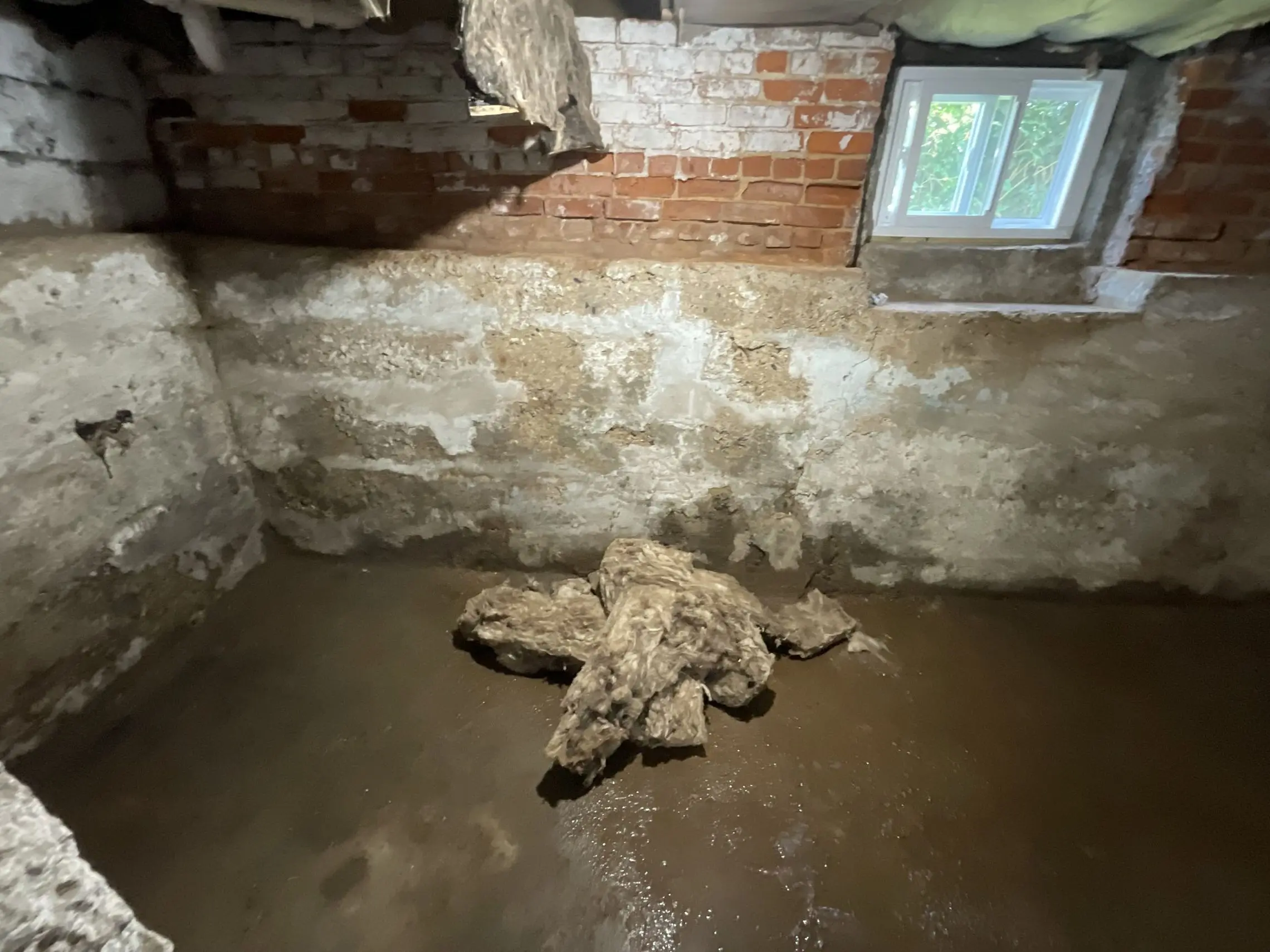
When a deluge of rainfall descends upon your home, there’s a significant risk to your home’s foundation. The ground around your home can only absorb so much water before soil saturation occurs. This means the water has nowhere to go but up against your home’s foundation. This can lead to a slew of problems, including severe structural damage.
So, how does this happen? Excessive rainfall changes the balance of moisture in the soil surrounding your home. When soil saturation occurs, the waterlogged soil expands, exerting pressure on your home’s foundation. This pressure can cause cracks, fissures, and even shifts in your foundation.
And don’t forget about your drainage systems. If they’re not functioning correctly, they can exacerbate the impact of heavy rainfall. Poorly maintained gutters and downspouts can direct water towards your foundation instead of away from it, increasing the risk of damage.
Taking steps to guarantee that your drainage systems are in good working order, and your soil is well-drained, can help protect your home’s foundation from the damaging effects of excessive rainfall.
It’s an investment in your home’s long-term stability and your peace of mind.
Flood Impact on Foundations
Every year, countless homes face the destructive effects of floods. The impact on your home’s foundation can be significant, triggering a need for foundation repair or even home elevation.
Floods can cause severe soil erosion around your foundation, compromising its stability. The constant moisture can also seep into your home, causing a host of problems if not properly controlled.
But how exactly do floods affect your foundation? Here’s a breakdown:
- Soil Erosion: Floods wash away the soil supporting your foundation, causing it to shift or crack.
- Water Pressure: The pressure of floodwaters can lead to walls buckling, causing extensive damage.
- Moisture Penetration: Without waterproof membranes, moisture can penetrate your home, leading to mold and mildew.
- Foundation Saturation: If drainage systems are inadequate, water can saturate the ground around your foundation, leading to instability.
Fortunately, there are ways to mitigate these issues. Landscape grading, sump pumps, and flood barriers can help divert water away from your home.
Additionally, flood insurance can provide financial protection should damage occur. Remember, moisture control is crucial in maintaining the integrity of your home’s foundation.
Don’t let floods wash away your peace of mind.
Preventing Flood-Related Damages
Understanding how to prevent flood-related damages can save you thousands of dollars and endless headaches. One of the first steps in prevention is to evaluate your home’s drainage systems. Properly functioning systems divert water away from your home, reducing the risk of flooding. It’s essential to keep these systems clean and clear of debris.
Sump pumps can also be a lifesaver. These devices pump water away from your home, keeping your basement dry. Regularly test and maintain your sump pump to guarantee it’s always ready for action.
Investing in flood barriers is another smart move. These can be quickly set up when flooding is imminent, providing an additional line of defense.
Landscape grading also plays an important role. By making sure your yard slopes away from your home, you’re directing water away from your foundation.
Next, consider your emergency planning. It’s important to have a plan in case of severe flooding, including knowing how to quickly and safely evacuate your home.
Lastly, check your insurance coverage. Standard homeowner policies often don’t cover flood damage. Consider adding flood insurance to protect your home and your finances.
Drying and Cracking From Heat
Exposed to the sweltering sun, your home’s foundation can experience significant drying and cracking due to extreme heat.
Heat expansion and soil contraction are key factors that play a role in this damaging process.
During summer, as temperatures rise, the materials making up your home’s foundation tend to expand. This heat expansion can cause small cracks to form, especially if the foundation is made of concrete or brick.
These cracks might seem insignificant at first, but they can grow and cause serious issues over time.
At the same time, the soil around your foundation experiences contraction due to the heat. When the soil dries out, it shrinks away from your home, creating a gap.
This gap can cause your foundation to shift or sink, resulting in structural damage.
Here’s a quick rundown of what you can do to prevent this:
- Regularly water your foundation during dry months to prevent soil contraction.
- Fill any minor cracks before they become major issues.
- Install root barriers if trees are close to your home to prevent soil contraction.
- Use a foundation insulation board to reduce heat expansion.
Winter Weather’s Structural Threat
You mightn’t consider winter’s cold grip as a threat to your home’s foundation.
But have you ever heard of the frost heave phenomenon?
Let’s explore how preventing cold-weather damage can save your home from significant structural harm.
Frost Heave Phenomenon
Ever wonder how the frost heave phenomenon can impact your home’s foundation? Here’s the chilling truth: winter weather does more than just make you shiver; it can also play havoc with your home’s foundation.
The frost heave phenomenon occurs due to temperature fluctuations and seasonal changes, causing soil expansion and contraction that can lead to foundation cracking. It all begins beneath the surface, with the ground’s frost depth. When the soil beneath your home freezes, it expands. The thaw cycles then causes the soil to contract, leading to foundation problems.
Here’s how it happens:
- Temperature Fluctuation: Winter’s cold causes the ground to freeze to a certain frost depth, causing soil expansion.
- Moisture Retention: The frozen soil retains moisture. The more moisture, the higher the chance of soil expansion.
- Thaw Cycles: When the weather warms, the frozen soil thaws and contracts, often unevenly. This can lead to foundation cracking.
- Insulation Methods: Your home’s insulation methods can affect how much frost penetrates the ground, impacting the severity of frost heave.
Preventing Cold-Weather Damage
To safeguard your home against winter weather’s structural threats, understanding and implementing preventative measures is crucial.
First and foremost, consider insulation techniques. You’ve got to keep the cold out and the heat in. Proper insulation in your home’s walls and foundation not only keeps you warm but also helps prevent freezing and thawing cycles that can damage your foundation.
Don’t overlook your pipes either; insulating them can prevent freezing and subsequent bursting.
Next, look at drainage solutions. Snow and ice melt can cause water to pool around your foundation, leading to possible cracks and leaks.
Ascertain you’ve got effective drainage systems in place to lead water away from your home. This can include gutters, downspouts, and even grading your yard so water naturally flows away from your foundation.
The Hidden Dangers of Humidity
Often overlooked, humidity plays a significant role in the health of your home’s foundation. The humidity effects aren’t always immediately apparent, but they can cause significant damage over time.
Without proper protection and maintenance, increased moisture levels can wreak havoc on your home’s foundation, leading to costly repairs. Here’s why:
- Expansion and contraction: As humidity levels rise and fall, your foundation’s materials can expand and contract. Over time, this can lead to cracking or buckling.
- Mold and mildew growth: High humidity creates a perfect environment for mold and mildew. Not only are these growths harmful to your health, but they can also weaken your foundation’s structural integrity.
- Soil erosion: Excessive moisture in the soil around your foundation can lead to erosion, causing your foundation to shift or sink.
- Material degradation: Humidity can cause certain building materials to degrade faster, compromising the durability of your foundation.
How to Monitor Foundation Damage
Regular checks can save your home’s foundation from irreversible damage. It’s not rocket science, but a matter of keen observation and regularity. Foundation monitoring becomes essential, especially in regions prone to drastic weather changes. Visual inspections are your first line of defense; if you know what to look for, you’re well on your way to protecting your home’s foundation.
Here’s a simple table to guide your visual inspections:
| Look For | Possible Cause |
|---|---|
| Cracks in walls or floors | Foundation shifting |
| Doors or windows sticking | Warping from moisture |
| Uneven or sloping floors | Soil movement or erosion |
| Gaps around exterior doors or windows | Foundation sinking or upheaval |
Don’t be alarmed if you spot any of these signs. They’re not definitive proof of foundation damage, but they warrant further investigation. If you’re unsure, don’t hesitate to bring in a professional. It’s better to err on the side of caution when it comes to your home’s foundation. Remember, early detection is key to preventing costly repairs down the line.
Weatherproofing Your Home’s Foundation
While keeping an eye out for potential signs of foundation damage is a good start, proactive measures can also be taken to protect your home’s foundation from weather-related issues. This involves understanding how various factors such as foundation drainage, soil stability, moisture barriers, and foundation insulation come into play.
Here are four steps you can take:
- Ensure Proper Foundation Drainage: Install drainage systems around your home to redirect water away from the foundation. This helps maintain soil stability, preventing expansion and contraction that can damage your foundation.
- Install Moisture Barriers: These barriers prevent moisture from penetrating the foundation. They’re typically made from durable construction materials designed to withstand harsh weather.
- Insulate Your Foundation: Foundation insulation helps regulate temperature, reducing condensation which might otherwise lead to dampness and decay.
- Consider Landscaping Design: Properly designed landscapes can help direct water away from your home, while plants and trees can help maintain soil stability.
Don’t forget about foundation ventilation, too. Good ventilation prevents moisture buildup, protecting your home’s foundation from potential damage.
Frequently Asked Questions
Can Changes in Weather Impact the Resale Value of My House?
Absolutely, changes in weather can influence the resale value of your house.
As weather patterns fluctuate, they may lead to foundation issues, which potential buyers often consider a red flag.
Regularly inspecting and maintaining your home’s foundation can help prevent any negative impact on resale trends.
Consequently, it’s in your best interest to stay proactive about your home’s condition, no matter the weather.
Are Certain Types of Foundations More Vulnerable to Weather Damage?
Absolutely, certain foundation materials are more susceptible to weather damage.
For instance, concrete can crack in freezing temperatures, while clay-based materials expand and contract with changes in moisture.
So, it’s essential you consider your local climate when choosing a foundation.
If you’re in a rainy area, drainage capabilities are key.
In colder climates, frost-resistant materials might be your best bet.
Always tailor your foundation to your environment.
Does Home Insurance Typically Cover Weather-Related Foundation Damage?
Whether your home insurance policy covers weather-related foundation damage can vary.
It’s crucial to thoroughly review your policy’s details. Generally, if the damage’s caused by a covered peril like a storm, you’re protected.
However, if it’s due to neglect or general wear and tear, you’re likely on your own.
Always check with your insurance provider if you’re unsure about your policy’s weather coverage.
How Often Should I Conduct a Professional Inspection of My Homes Foundation?
You should have a professional foundation inspection conducted every 3-5 years.
Given the significant role your foundation plays in your home’s stability, regular checks are essential.
However, if you’ve noticed signs of damage, it’s better to schedule an inspection right away.
Remember, proactive foundation maintenance can save you from costly repairs down the line.
Is There Any Protective Coating Available for Safeguarding the Foundation Against Weather Damage?
Yes, there are protective coatings available.
These often come in the form of protective sealants or foundation waterproofing products.
These can greatly aid in safeguarding your home’s foundation against weather damage.
They’re designed to resist water penetration, which can lead to cracks and structural damage.
It’s important to consult with a professional to choose the right product for your specific needs and to guarantee it’s properly applied.
Conclusion
So, you see, weather greatly affects your home’s foundation. Rain, heat, winter conditions, and humidity all pose unique challenges. Regular check-ups and maintenance, along with a good drainage system, help protect your home. Be proactive; don’t wait for damage to appear before taking action. Weatherproof your foundation, and you’ll safeguard your home’s structural integrity, ensuring it stands strong, no matter what Mother Nature throws at it.
For more than a decade, we have been the go-to waterproofing and related services provider for homeowners across New Jersey. Our reputation has been built on a foundation of delivering exceptional workmanship and top-notch customer service to each and every one of our valued clients.
We truly understand the significance of your home to you and your family, as well as the importance of the services we offer in safeguarding your home. That’s why we take our responsibilities seriously and never compromise on the quality of our work. Our commitment to your satisfaction is unwavering, and we go above and beyond to ensure that you are completely content with every aspect of the job we perform.
When it comes to protecting your home, trust is of utmost importance. At our professional New Jersey Waterproofing Company, we prioritize the well-being of your basement and ensure it remains shielded from any harmful moisture damage, regardless of the job’s size. Whether you require waterproofing, mold remediation, or even foundational or structural repairs, we are always ready and eager to take on any challenge.
Our singular focus is your happiness, and we leave no stone unturned in achieving it. If you are searching for a trustworthy New Jersey waterproofing company to safeguard your home, look no further. Contact us today and experience firsthand what sets us apart from the competition. Your home’s protection is our major priority, and we are here to serve you with dedication and expertise.