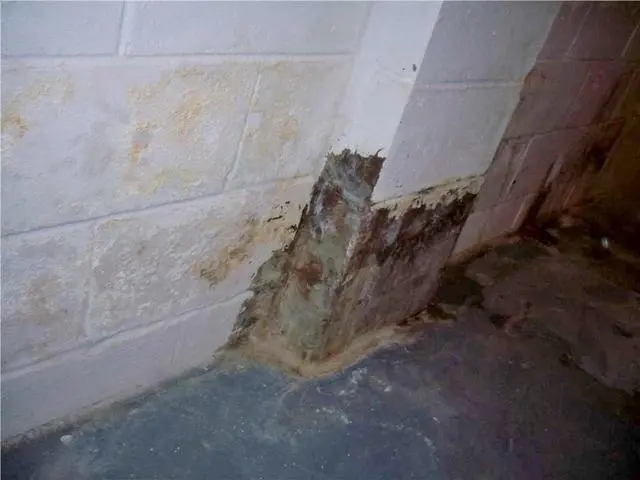
You’ve invested time, money, and heart into making your house a home. But have you given thought to preventing one of a homeowner’s most insidious foes: mold? It’s not just about those unsightly black spots on your bathroom tiles. Mold can compromise your family’s health and the structural integrity of your home. Don’t you want to know how to stop it before it takes hold? Let’s discuss some practical, simple steps you can take to keep your home mold-free.
Key Takeaways
- Regularly inspect high humidity areas like basements, bathrooms, and attics for mold growth and water damage.
- Use a hygrometer to monitor and control indoor humidity levels, keeping them low to prevent mold formation.
- Implement effective ventilation systems, use dehumidifiers, and ensure proper drainage to reduce moisture inside the home.
- Maintain a regular cleaning schedule, focusing on damp-prone areas, and promptly repair any leaks to eliminate sources of moisture.
- Utilize mold-resistant materials such as mold-inhibiting sealants and paints, particularly in high-humidity areas, to prevent mold growth.
Understanding Mold: The Basics
Mold is a silent invader that can wreak havoc in your home. You mightn’t even see it, but it’s there, growing in dark, damp places.
Let’s explore the basics of mold biology so you can better understand this unwelcome guest.
Mold is a type of fungus that reproduces through tiny spores. These spores are always present in the air, but they only start growing when they land on a wet surface. That’s why you often find mold in areas with high humidity or water leaks.
But mold isn’t just an eyesore. It can also have serious health effects. Exposure to mold can trigger allergic reactions, including sneezing, runny nose, red eyes, and even skin rashes.
In severe cases, it can lead to asthma attacks. Those with weakened immune systems are particularly at risk.
Identifying High-Risk Areas
In your fight against mold, identifying high-risk areas in your home is an essential step. These are the spots where mold is most likely to grow due to excess moisture or lack of ventilation.
You’ll want to start with regular attic inspections. Since attics are often poorly ventilated, they can be a breeding ground for mold. Look for any signs of water damage, condensation, or visible mold growth. Remember, mold isn’t always black. It can be green, white, or even pink.
Next, exercise basement vigilance. Basements are notorious for being damp, and this moisture can lead to mold growth. Check for any water leaks or seepage, especially after heavy rainfall.
Also, inspect your basement’s ventilation. A lack of air circulation can create a perfect environment for mold.
Other high-risk areas include bathrooms, kitchens, and laundry rooms due to their frequent exposure to water and humidity. In these areas, you should be on the lookout for any persistent dampness, leaky pipes, or condensation.
Effective Moisture Control Strategies
Now, let’s get into effective moisture control strategies.
It’s essential for you to understand your home’s humidity levels, implement proper ventilation systems, and use moisture-resistant materials.
These steps will help you keep your home dry and mold-free.
Understanding Home Humidity Levels
Keeping a close eye on the humidity levels in your home can make a world of difference in preventing mold growth. You’re probably asking, “How do I gauge these levels?” Well, that’s where humidity measurement comes in. This involves using a device called a hygrometer, which can easily be found in most home improvement stores.
Understanding and maintaining the right humidity level is essential for several reasons. Let’s break it down:
- It can prevent the development of mold and mildew, which are common in damp, humid conditions.
- It helps in maintaining the structural integrity of your home.
- It can improve indoor air quality, making your home healthier and more comfortable.
- Finally, it can save you money by avoiding costly repairs and health issues caused by excessive humidity.
Humidity control is the next vital step. It’s not just about knowing the levels; you need to take action to keep them in check. This typically involves using appliances like dehumidifiers or air conditioners, but remember, the goal is to strike a balance – not too dry, not too damp.
We’ll explore more on this in the next subtopic, “Implementing Proper Ventilation Systems”.
Implementing Proper Ventilation Systems
You might be wondering, “How exactly do I control humidity levels in my home?”
Well, implementing proper ventilation systems is a powerful method to manage moisture effectively. Let’s explore the role of airflow design, exhaust fans, duct maintenance, and different ventilation types in moisture control.
Airflow design is essential. By ensuring that air circulates effectively throughout your home, you prevent stagnant areas where moisture can accumulate.
A well-thought-out airflow design involves strategic placement of windows and vents to promote natural cross-ventilation.
Next, exhaust fans. These are your best friends in high-humidity areas like kitchens and bathrooms. They help to quickly evacuate steam and damp air, preventing the build-up of moisture.
Duct maintenance is equally important. Regular cleaning and inspection of your HVAC ducts can prevent mold growth and improve your home’s overall air quality.
A clogged or leaky duct can lead to unnecessary moisture build-up, so don’t skimp on this step.
Using Moisture-Resistant Materials
Incorporating moisture-resistant materials into your home’s design is an effective strategy for moisture control. This approach not only protects your home from potential water damage but also considerably reduces the likelihood of mold growth.
One of the most effective moisture-resistant building materials to use in your home is a moisture barrier. These barriers are designed to prevent moisture from penetrating the walls, floors, and ceilings of your home. They’re typically made from a material that’s both water-resistant and breathable, allowing moisture to evaporate instead of accumulating.
Consider these moisture-resistant materials for your home:
- Moisture Barriers: These are essential in preventing water intrusion in areas like the basement and bathrooms.
- Cement Board: This is a great option for damp areas like bathrooms and kitchens due to its high water resistance.
- Metal Framing: Unlike wood, metal doesn’t absorb water, making it a good choice for framing.
- Vinyl Siding: This is a durable, low-maintenance exterior option that withstands water well.
Importance of Proper Ventilation
Regularly checking your home’s ventilation is essential in preventing mold growth. Proper airflow management can make a significant difference in the battle against mold. You see, mold thrives in damp, stagnant environments. When there’s good airflow, it disrupts these conditions, making it difficult for mold to grow.
Don’t underestimate the power of your home’s ventilation systems. They work hard to regulate air circulation, guaranteeing fresh air comes in, and stale, moisture-laden air goes out. If these systems aren’t working correctly, it could lead to a buildup of moisture, a perfect breeding ground for mold.
So, what can you do? First off, confirm all ventilation systems, like your HVAC, exhaust fans in your bathrooms, and vents in your kitchen, are functioning effectively. They’re your first line of defense.
In addition, consider investing in additional ventilation solutions if certain areas in your home are prone to dampness.
Regular Cleaning: A Must
Maintaining a clean home isn’t just about aesthetics – it’s an essential step in your mold prevention strategy. Regular cleaning reduces the chance of mold growth by eliminating the dirt and debris that molds thrive on.
It’s not enough to clean sporadically; you need to set up consistent cleaning schedules to guarantee that no part of your home becomes a breeding ground for molds.
When you’re setting up your cleaning schedules, keep these important points in mind:
- Always use fresh, dry cleaning supplies. Mold loves moisture, so always make sure your mops, rags, and other tools are dry before and after use.
- Pay special attention to damp areas. Basements, bathrooms, and kitchens are particularly vulnerable to mold.
- Don’t neglect hidden areas. Under the sink, behind appliances, and inside closets can easily become mold hotspots.
- Regularly check for leaks. Water damage is a top cause of mold growth, so immediately repair any leaks you find.
Choosing Mold-Resistant Materials
When it comes to keeping mold at bay, selecting mold-resistant materials for your home can be a game-changer.
You’ll not only protect your walls and surfaces but also promote a healthier living environment.
Start with mold-resistant paints. They’re designed to withstand moisture and inhibit mold growth.
These paints contain an additive that prevents mold spores from attaching and spreading.
You’ll find them particularly helpful in damp areas like basements, bathrooms, and kitchens.
It’s a savvy choice that’ll provide an extra layer of protection.
Next, consider mold inhibiting sealants.
These products create a barrier that prevents mold from penetrating and damaging surfaces.
They’re perfect for areas exposed to high humidity or prone to leaks, like your bathroom or basement.
Just apply a coat on the surfaces, and you’re good to go.
Frequently Asked Questions
Can Certain Weather Conditions Increase the Risk of Mold Growth?
Absolutely, certain weather conditions can indeed heighten the risk of mold growth.
High humidity levels, for example, create the perfect environment for mold to thrive.
Seasonal changes also play a part. In damp, rainy seasons, you’re more likely to see an increase in mold.
It’s essential to monitor these conditions and take preventative measures to reduce the risk of mold in your home.
Stay vigilant, as it’s much easier to prevent mold than to remove it.
Are There Any Health Risks Associated With Mold Exposure?
Yes, there are health risks associated with mold exposure.
You may experience mold allergies such as sneezing, runny nose, red eyes, and skin rash. If you’re allergic to mold, it can trigger asthma attacks.
Even if you’re not allergic, mold can irritate your eyes, skin, nose, throat, and lungs, potentially leading to respiratory issues.
Prolonged exposure may lead to more serious health problems.
It’s essential to keep your living environment mold-free.
What Home Insurance Policies Cover Mold Damage?
You’re probably wondering if your home insurance policy covers mold damage.
It’s not a simple yes or no. Coverage varies greatly between companies and policies.
Typically, if mold results from a ‘covered peril’ like a burst pipe, you’re likely covered.
However, if it’s due to neglect or failure to maintain your home, it’s probably an exclusion.
Always check your policy’s details or consult with your insurance agent for a clear understanding.
Are There Professional Services for Mold Testing and Removal?
Yes, there are professional services for mold testing and removal.
You can hire mold inspection services to detect any hidden mold in your home. If found, they’ll use various mold remediation techniques to safely and effectively remove it.
It’s vital to address mold issues promptly as it can lead to serious health problems and structural damage.
Can Mold Return After a Thorough Cleaning and Prevention Process?
Yes, mold can indeed return after a thorough cleaning and prevention process.
Mold resurgence factors such as persistent moisture, poor ventilation, and inadequate cleaning methods can contribute to its reappearance.
Even if you’ve done an extensive cleaning, if it wasn’t effective enough or you didn’t address the underlying issues, you’re likely to see mold reappear.
It’s important to stay vigilant and maintain a mold-discouraging environment in your home.
Conclusion
You’ve got the power to prevent mold in your home. Keep an eye on your humidity levels, inspect high-risk areas, and handle water damage swiftly. Make sure your home is adequately ventilated and stays clean. When renovating or building, opt for mold-resistant materials. By following these simple steps, you can maintain a healthy, mold-free environment. Keep your home safe and sound, because you know what they say, prevention is always better than cure!
For more than a decade, we have been the go-to waterproofing and related services provider for homeowners across New Jersey. Our reputation has been built on a foundation of delivering exceptional workmanship and top-notch customer service to each and every one of our valued clients.
We truly understand the significance of your home to you and your family, as well as the importance of the services we offer in safeguarding your home. That’s why we take our responsibilities seriously and never compromise on the quality of our work. Our commitment to your satisfaction is unwavering, and we go above and beyond to ensure that you are completely content with every aspect of the job we perform.
When it comes to protecting your home, trust is of utmost importance. At our professional New Jersey Waterproofing Company, we prioritize the well-being of your basement and ensure it remains shielded from any harmful moisture damage, regardless of the job’s size. Whether you require waterproofing, mold remediation, or even foundational or structural repairs, we are always ready and eager to take on any challenge.
Our singular focus is your happiness, and we leave no stone unturned in achieving it. If you are searching for a trustworthy New Jersey waterproofing company to safeguard your home, look no further. Contact us today and experience firsthand what sets us apart from the competition. Your home’s protection is our major priority, and we are here to serve you with dedication and expertise.