You’ve likely heard that good drainage is essential to your home’s structural health, but have you ever wondered why? It’s simple, really. When water accumulates around your home’s foundation, it can lead to soil erosion and cause your foundation to shift, creating serious problems. Now, consider your gutters, downspouts, and landscaping. Do they efficiently handle water flow, directing it away from your foundation? If you’re unsure, you might be in for some unpleasant surprises. But don’t fret just yet, let’s unpack this further.
Key Takeaways
- Effective drainage systems prevent moisture buildup around foundations, maintaining their structural integrity.
- Poor drainage can cause foundation erosion and shifts due to soil changes from excessive water retention.
- Landscape grading, sump pumps, and downspout extensions are methods to ensure water is diverted away from foundations.
- Regular inspections and clearing of drainage systems like gutters prevent water pooling that can cause foundation cracks and instability.
- Signs of poor drainage impacting foundation health include unusual water accumulation, soggy soil, and moisture in basements or crawlspaces.
Understanding Your Home’s Foundation
Nearly every house rests on its foundation, an essential component that affects the overall stability and longevity of your home.
It’s important to understand foundation types and how soil composition plays a part in their effectiveness.
There are three main types of foundations: slab, crawl space, and basement. Slab foundations are common in warmer climates, whereas basements are popular in colder areas where the frost line is deep.
Crawl spaces are a middle-ground option, providing some access beneath your home without a full basement.
Your soil composition can drastically affect the type of foundation best suited for your home. For instance, clay soil expands and contracts with changes in moisture, which can lead to foundation movement and damage over time.
On the other hand, sandy soil doesn’t hold water well and can cause slab foundations to settle.
In the end, it’s important to understand your home’s foundation and the soil it’s built on. This knowledge can help you make informed decisions about maintenance and potential repairs.
The Role of Proper Drainage
Protecting your home’s foundation goes beyond understanding its type and the soil it’s on. Effective drainage systems play an essential role in maintaining the health of your foundation. By managing water flow around your home, you can prevent unwanted moisture buildup which can compromise soil composition and structural integrity.
When planning your home’s water management, consider landscaping strategies, grading techniques, and runoff control. Landscaping can divert water away from your home, while grading guarantees water flows away from the foundation. Runoff control, on the other hand, uses structures like gutters and drains to guide water flow.
| Drainage Solution | Purpose |
|---|---|
| Sump Pumps | Remove water from basements |
| Pipe Installation | Direct water away from property |
| Rainwater Harvesting | Collect and reuse rainwater |
| Grading Techniques | Influence water flow direction |
| Drainage Maintenance | Guarantee systems remain effective |
How Poor Drainage Damages Foundations
You mightn’t realize it, but poor drainage can wreak havoc on your home’s foundation.
It’s essential to understand how foundation erosion occurs and how it’s linked to drainage issues.
Let’s explore these problems and discuss some effective solutions to keep your home safe and sound.
Understanding Foundation Erosion
Without proper drainage, your home’s foundation can suffer from erosion. This happens when the soil composition around your home changes due to excessive water retention. Over time, water can wash away the soil, causing your foundation to shift or crack.
Understanding the root systems of plants around your home is essential for erosion prevention. Some root systems can help stabilize the soil by absorbing excess water, while others can damage your foundation by growing into it.
Landscaping techniques can also minimize erosion. For instance, sloping your yard away from your house can help direct water to appropriate drainage systems.
However, landscaping isn’t the only solution. A robust drainage system, such as French drains or gutter extensions, can effectively manage water flow and provide moisture control, protecting your home from water damage.
Solutions for Drainage Issues
Neglecting drainage issues in your home can lead to significant foundation damage. It’s critical to understand the importance of proper rainwater management. When you allow water to pool around your home’s foundation, the soil can become oversaturated. This causes it to expand and contract, putting pressure on your foundation and leading to cracks.
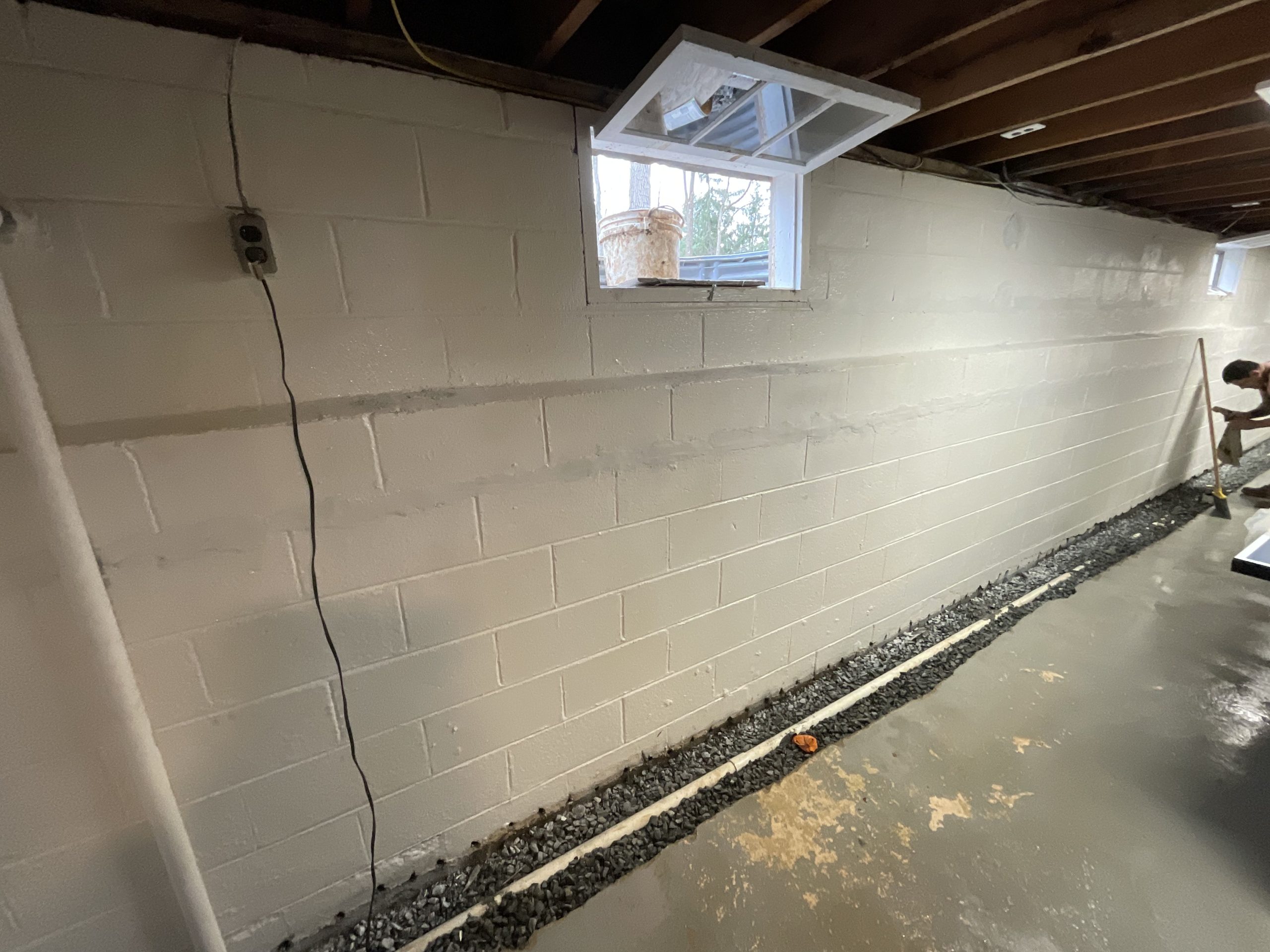
Let’s talk about solutions. One effective method for soil stabilization is to install a French drain system around your property. This system collects excess water and redirects it away from your home. It’s a proven solution that can help protect your foundation from water damage.
Another solution is to use gutters and downspouts for rainwater management. These systems collect rainwater from your roof and guide it away from your foundation. Make sure they’re free of debris and are directing water at least six feet away from your home.
Spotting Signs of Drainage Problems
You might be wondering how to spot signs of drainage problems.
Well, it’s more straightforward than you’d think.
Let’s get into identifying these issues and understanding their impact on your foundation’s health.
Identifying Drainage Issues
Spotting signs of drainage problems early can save you a lot of trouble down the line. Understanding your drainage systems is the first step. Look for water accumulation in unusual places, as it’s a clear indication of drainage issues.
Soil saturation is another sign. Soggy soil around your home indicates poor runoff management. It’s time to contemplate upgrading grading techniques or drainage materials.
Remember, landscape alterations can affect your drainage. If you’ve recently changed your yard layout and now face water problems, the changes could be the culprit.
Regular drainage inspections are your best defense. They help identify issues before they escalate and compromise your home’s foundation stability. You don’t want to wait until water seeps into your basement or disrupts your home’s structural integrity.
Lastly, keep an eye on indoor moisture levels. If you’re constantly battling dampness, it’s a sign your moisture control isn’t up to par. This could be due to poor drainage, affecting the health of your home’s foundation.
Identifying these drainage issues early helps you maintain a healthy, stable foundation. So, don’t hesitate to investigate if you suspect drainage problems.
Impact on Foundation Health
If drainage problems aren’t addressed in time, they can cause significant harm to your home’s foundation. Poorly designed or maintained drainage systems can lead to excessive soil moisture. This excess water flow can destabilize your foundation, causing cracks or even more severe damage.
An effective drainage solution can help maintain soil moisture balance, which is vital for foundation stability.
Also, consider your landscape grading. If it’s not directing water away from your home, it might be time to regrade. Proper landscape grading can help control water flow and prevent the buildup of groundwater levels around your foundation.
High groundwater levels can seep into your foundation, causing it to weaken over time. You can’t control the weather, but you can make certain your home is prepared for it. Implementing effective drainage solutions and erosion control measures can help mitigate these risks.
Keep an eye out for signs of problems. These might include pooling water, soil erosion, or cracks in your foundation.
If you spot any of these signs, it’s time to take action. Remember, it’s easier to prevent damage than to repair it. So, don’t wait until it’s too late to take care of your home’s foundation.
Effective Drainage Solutions
While dealing with drainage issues can be a challenging task, it’s crucial to implement effective solutions to maintain the health of your foundation. The type of drainage systems you use can greatly impact your foundation’s health. Surface runoff, when not managed properly, can seep into the foundation and cause damage.
Landscape grading plays an important role in rainwater management. It helps direct water away from your home, reducing the risk of foundation damage. Additionally, soil permeability is a significant factor to take into account. Highly permeable soils allow water to drain quickly, helping to protect your foundation.
Installing sump pumps can also be advantageous. They collect excess water and pump it away from your property.
Downspout extensions also play an important role in diverting water away from the foundation. These work by extending the downspouts to direct water further from your home.
French drains and trench drains are other effective water diversion methods. They capture and redirect surface water away from your property.
These solutions, along with proper rainwater management practices, can greatly improve your foundation’s health and longevity.
Maintaining Your Foundation’s Health
Keeping your foundation healthy is a top priority for any homeowner. It’s more than just a matter of aesthetics; it’s about preserving the structural integrity of your entire house. That’s where foundation maintenance comes into play.
The first step to maintaining your foundation’s health is checking your drainage systems. If water isn’t effectively diverted away from your home, it can pool around the foundation, leading to numerous problems, including cracks and instability.
A well-maintained drainage system helps prevent these issues. Make sure your gutters and downspouts are clear of debris and that water is being directed away from your home.
You should also pay attention to the grading around your home. The ground should slope away from your house, aiding in proper drainage and reducing the risk to your foundation.
Lastly, don’t ignore small cracks or signs of moisture in your basement or crawlspace. These could be early warning signs of foundation problems. Addressing these issues early on can save you from costly repairs in the future.
Frequently Asked Questions
Is It More Expensive to Repair or Prevent Foundation Damage?
Preventive measures are typically less expensive than repair costs when dealing with foundation damage.
It’s a case of “a stitch in time saves nine”. Taking action early to protect your foundation, such as proper drainage, can save you a lot in the long run.
If you let the problem escalate, you’ll end up shelling out a lot more on extensive repairs.
Do Different Types of Soil Affect Drainage and Foundation Health Differently?
Yes, different soil types definitely affect drainage and foundation health differently.
For instance, clay soils compact easily and retain water, which can harm your foundation.
On the other hand, sandy soils have great drainage characteristics but lack cohesion, potentially leading to shifts in your foundation.
Understanding your soil type is essential to properly managing drainage and maintaining a healthy foundation.
What Are the Risks of Ignoring Minor Foundation Cracks?
Ignoring minor foundation cracks puts your home at risk.
Over time, these small cracks can progress into larger, structural issues. They’re also an open invitation for moisture intrusion.
This can lead to mold growth, which poses health risks, and can also cause further damage to your home.
It’s always best to address these issues early on, before they become larger, costlier problems.
How Often Should a Professional Inspect My Homes Foundation?
You should have your home’s foundation inspected by a professional annually.
Regular inspections are one of the best foundation maintenance tips. They can spot minor issues before they turn into major problems.
Inspection frequency guidelines suggest an annual check, but if you’ve had previous issues or if your home is older, you might want to do it more frequently.
Stay proactive to keep your home safe and secure.
Are There Any Insurance Policies That Cover Foundation Damage Due to Poor Drainage?
Yes, some insurance policies do cover foundation damage due to poor drainage.
However, it’s not standard in all policies, so you’ll need to check with your provider.
It’s also important to note that prevention is key.
Conclusion
So, you see how crucial proper drainage is for your home’s foundation? It’s not just about aesthetics, it’s about maintaining your home’s structural integrity. Spot the signs of drainage problems early and tackle them with effective solutions. Regular inspections and maintenance are key. Don’t let poor drainage erode your investment over time. Protect your foundation, safeguard your home, and enjoy the peace of mind that comes with knowing you’ve taken steps to guarantee long-term durability.
For more than a decade, we have been the go-to waterproofing and related services provider for homeowners across New Jersey. Our reputation has been built on a foundation of delivering exceptional workmanship and top-notch customer service to each and every one of our valued clients.
We truly understand the significance of your home to you and your family, as well as the importance of the services we offer in safeguarding your home. That’s why we take our responsibilities seriously and never compromise on the quality of our work. Our commitment to your satisfaction is unwavering, and we go above and beyond to ensure that you are completely content with every aspect of the job we perform.
When it comes to protecting your home, trust is of utmost importance. At our professional New Jersey Waterproofing Company, we prioritize the well-being of your basement and ensure it remains shielded from any harmful moisture damage, regardless of the job’s size. Whether you require waterproofing, mold remediation, or even foundational or structural repairs, we are always ready and eager to take on any challenge.
Our singular focus is your happiness, and we leave no stone unturned in achieving it. If you are searching for a trustworthy New Jersey waterproofing company to safeguard your home, look no further. Contact us today and experience firsthand what sets us apart from the competition. Your home’s protection is our major priority, and we are here to serve you with dedication and expertise.