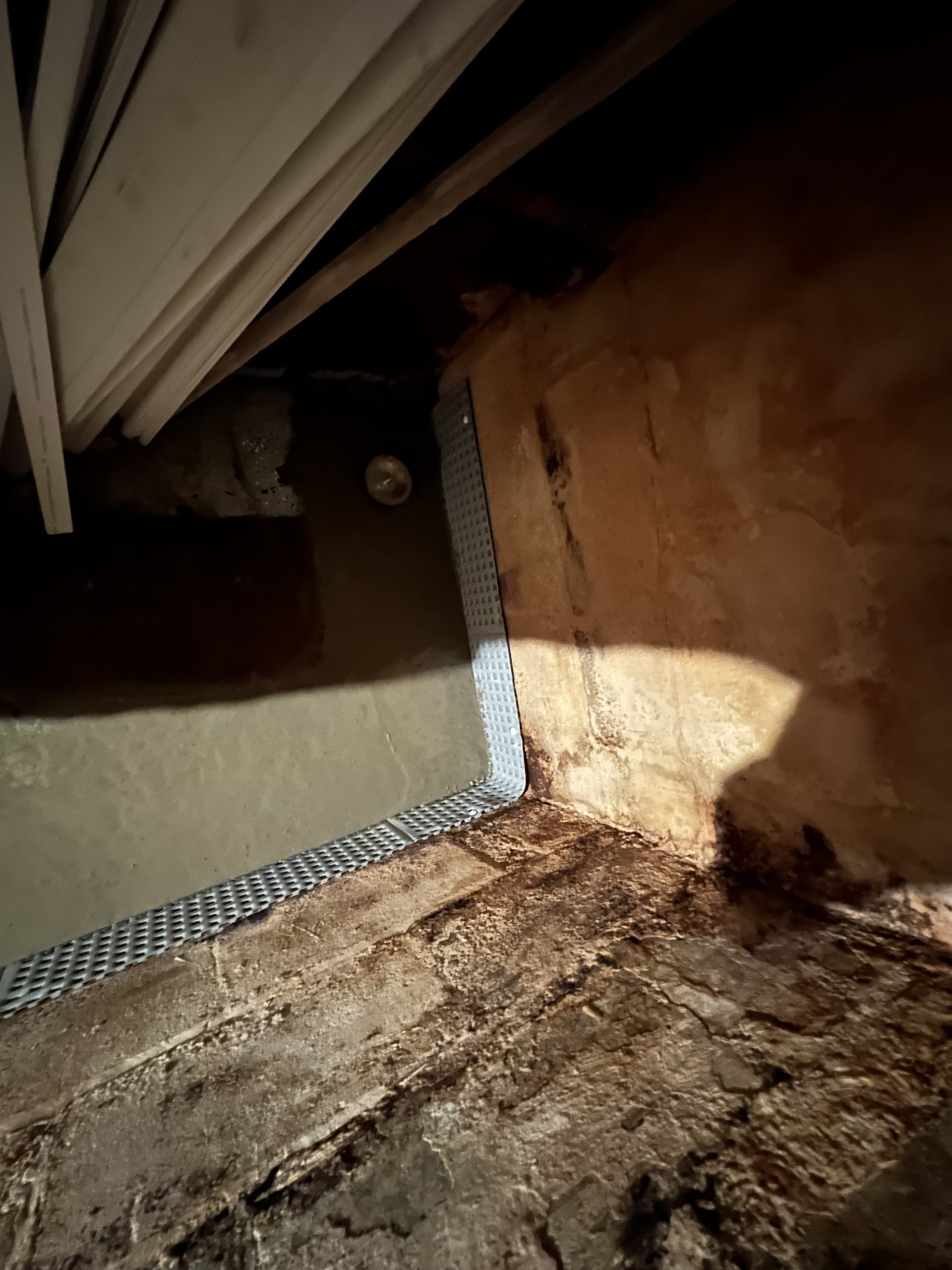
You’ve been noticing signs of water damage in your home’s foundation, but you’re tempted to turn a blind eye, hoping the problem will fix itself. But have you considered the long-term cost of this neglect? Over time, moisture can seriously weaken your home’s structural integrity, risking a disastrous collapse. And let’s not forget the plummeting property values and the enormous repair bills that might follow. But perhaps the most alarming consequence is the potential threat to your safety. Intrigued? Let’s unpack this further.
Key Takeaways
- Ignoring foundation water damage can lead to severe structural instability, increasing repair costs over time.
- Unaddressed water damage can significantly reduce a property’s market value and deter potential buyers.
- Delayed repairs may result in health risks due to mold growth and contamination from waterborne diseases.
- Overlooking initial signs of damage allows minor issues to escalate into major repair jobs, escalating costs.
- Neglecting water damage promotes property depreciation and jeopardizes long-term financial stability.
Understanding Foundation Water Damage
The insidious threat of foundation water damage often goes unnoticed until it’s too late. It’s important for you to understand where the water that’s damaging your foundation is coming from and the type of foundation you have.
There are numerous water sources that can lead to foundation damage. It might be excessive rain seeping into your basement, a leaking pipe, or poor drainage around your home. This water can infiltrate different foundation types, such as poured concrete, concrete block, stone, or brick, each with its own unique vulnerabilities.
If your home has a poured concrete foundation, it’s susceptible to cracks that allow water to seep in. Concrete block foundations, while durable, can absorb water through their porous blocks, leading to internal damage.
Stone and brick foundations are most vulnerable to water damage due to their numerous joints.
Ignoring the water sources and not understanding your foundation type can result in severe damage. Water can cause foundations to crack, shift, and even collapse.
Taking the time to understand these aspects of foundation water damage is essential in preventing a minor issue from becoming a costly disaster.
Initial Signs of Water Damage
Recognizing the initial signs of water damage can save your foundation from severe, irreversible damage. You’ll need to familiarize yourself with leak detection methods and moisture monitoring to spot early signs of trouble. Keep an eye out for damp patches, discoloration, mold, or a musty smell, which are clear indications of a moisture problem.
| Signs | Repair Techniques | Preventative Measures |
|---|---|---|
| Damp patches | Waterproofing options | Seasonal maintenance |
| Discoloration | Drainage solutions | Soil erosion measures |
| Mold | Basement sealing | Landscaping impacts |
| Musty smell | Sump pump installation | Foundation inspections |
| Soil erosion | Remodeling considerations | Leak detection |
Carefully consider repair techniques like waterproofing options, drainage solutions, and basement sealing. A sump pump can also be beneficial in managing water levels, and remodeling considerations may help prevent future issues.
Preventative measures such as seasonal maintenance, controlling soil erosion, and landscaping can greatly reduce the risk of water damage. Regular foundation inspections are also essential. Remember, the sooner you identify and address water damage, the cheaper and less complicated the repair process will be.
Impact on Home Value
Ignoring foundation water damage can greatly devalue your home in the market.
Potential buyers might be skeptical about investing in a property with known structural issues, leading to longer selling times.
Furthermore, you’ll likely face higher maintenance costs over time, reducing your profits when you eventually sell.
Diminished Market Value
When water damage sits unaddressed in a home’s foundation, you’ll likely see a drop in your property’s market value. This isn’t just about dollars; it’s about market perceptions and investment implications.
If you neglect the water damage, the perception of your property in the market may not be favorable. Remember, the appearance of a home often dictates its market value. People assess properties based on what they see. If they see water damage, they’ll associate it with negligence and lack of care. As a result, your home’s market value can drastically drop.
The investment implications can’t be ignored either. Your home is an investment, and you’d want it to appreciate over time, not depreciate. If the foundation is damaged and you’re not addressing it, you’re fundamentally allowing your investment to diminish.
Potential Buyers’ Skepticism
Prospective buyers can be a skeptical bunch, especially when it comes to issues like foundation water damage. When they see signs of such damage, they’re likely to second-guess their decision. This buyer hesitation could mean longer listing periods for you, and possibly, a reduced sale price.
Buyer hesitation stems from their investment concerns. Purchasing a home is a significant investment, and no one wants to buy a money pit. If there’s evidence of foundation water damage, potential buyers will be concerned about the cost and inconvenience of future repairs. They may also fear hidden damage that hasn’t been discovered yet. These worries could lead them to lower their offer or abandon the purchase altogether.
You may be tempted to dismiss this skepticism as overly cautious. However, remember that a home is often the most significant purchase a person makes in their life. It’s only natural that they’ll want to protect their investment.
Ignoring foundation water damage won’t make it go away, and it’ll only serve to fuel potential buyers’ skepticism. It’s in your best interest to address these issues head-on, to maintain the value of your home and attract serious buyers.
Higher Maintenance Costs
Your home’s value takes a hit with mounting maintenance costs due to foundation water damage. It’s important to understand the significance of preventive maintenance.
Seasonal awareness is key; moisture levels fluctuate throughout the year, affecting different foundation materials differently.
Ignoring water damage can lead to significant repair techniques being required, escalating your costs. A small crack left untreated can develop into a massive problem, demanding extensive repairs.
It’s smart to invest in regular expert inspections. They can provide an accurate cost estimation, helping you plan and budget effectively.
DIY solutions might seem attractive, saving you a few bucks in the short term. But remember, improper handling can worsen the problem, leading to heftier bills in the future.
Insurance implications are another vital aspect. Many insurance policies don’t cover damage due to neglect. This means you could be on the hook for all repair costs if you ignore the early signs of foundation water damage.
Health Risks Associated
Ignoring water damage in your foundation isn’t just a structural concern, it’s a health risk too.
You’re not only exposing yourself to potential mold and respiratory issues, but also increasing the risk of waterborne diseases.
Even the structural instability can pose a direct physical danger to you and your loved ones.
Mold and Respiratory Issues
Lurking in the shadows of your foundation water damage, a silent menace known as mold grows. This isn’t just an eyesore; it’s a threat to your respiratory health. With each breath you take, mold spores can enter your lungs, creating an environment ripe for respiratory issues.
Mold prevention is crucial. It’s not just about maintaining the aesthetic value of your home; it’s about protecting your health too. Wherever there’s moisture, there’s potential for mold. So, if you’ve got foundation water damage, you’re living in a ticking health time bomb.
When inhaled, mold spores can cause a range of health issues, from minor allergies to serious respiratory problems. You might experience symptoms like coughing, wheezing, or a runny nose. For those with asthma or other respiratory conditions, these symptoms can be even more severe.
Don’t wait until you’re gasping for breath to take action. Be proactive about mold prevention. Address water damage as soon as it happens, and invest in regular home inspections to guarantee your home stays mold-free.
Your lungs, and your overall health, will thank you for it.
Waterborne Diseases Risk
Apart from mold, there’s another sinister health risk linked to foundation water damage – waterborne diseases. When water accumulates around your home’s base, it often leads to water contamination.
This contaminated water can become a breeding ground for harmful bacteria and parasites, and when you come into contact with it, you’re at risk of contracting a waterborne disease.
It’s essential to know that these diseases aren’t just mild ailments. They can range from gastrointestinal disorders, like Hepatitis A and E. coli, to more severe illnesses like cholera and typhoid fever.
You might think that these diseases are far-fetched, but they’re real, and they’re closer than you think if you’re ignoring foundation water damage.
Structural Instability Dangers
Overlooking water damage to your home’s foundation can also lead to serious structural instability, posing another major health risk.
It’s not just about aesthetics or property value; it’s about your safety and well-being.
When water saturates the soil around your home, it can cause foundation settlement. This means your home slowly sinks into the ground, altering its structural support.
You might notice doors and windows sticking, or cracks developing in walls and ceilings. But the real danger is what you can’t see. As your home’s structural integrity weakens, it becomes increasingly vulnerable to catastrophic failure.
Imagine a floor suddenly giving way, or a wall collapsing. The risk of injury in such an event is high.
Additionally, a compromised foundation can lead to an uneven home. This may not seem like a big deal, but it can actually increase the risk of tripping and falling, especially for the elderly or those with mobility issues.
Cost of Delayed Repairs
Ignoring water damage to your foundation can result in a financial nightmare down the line. It’s not just about the immediate cost of repairs, but the long-term financial implications that you’ll have to deal with.
When it comes to repair timelines, delaying the fixing of water damage can greatly extend the period required for restoration. It’s like a leaky faucet; the longer you ignore it, the more water it spills, leading to a bigger problem. This rule rings true for your home’s foundation as well. A minor fix can quickly turn into a major repair job if not addressed promptly, costing you more time and money in the process.
The financial implications of delayed repairs are stark. You might save a few dollars today by ignoring a little water damage, but tomorrow you could be facing a hefty bill. As the damage worsens, the cost of repairs increases exponentially.
You could be looking at thousands, even tens of thousands of dollars in repair costs. And that’s not even considering the potential decrease in your property’s value.
Proactive Measures Against Damage
Taking preventative steps now can save you from a world of financial stress down the road. Begin with regular inspections of your foundation, keeping an eye out for any signs of water damage. If you spot anything, act quickly.
Water diversion plays an essential role in preventing damage. Implementing landscaping solutions, like grading adjustments, can divert water away from your foundation. Meanwhile, drainage systems, such as sump pumps, can help manage any water that does get close.
Don’t overlook the importance of moisture barriers and insulation techniques. These can keep the dampness out, protecting your foundation. Foundation sealing is another effective waterproofing method you should consider.
Investing in thorough waterproofing methods now will be far cheaper than footing the bill for extensive repairs later. Remember, it’s not just about the immediate cost of fixes. Ignoring water damage can lead to long-term structural issues, depreciating the value of your property and creating a dangerous living environment.
Frequently Asked Questions
What Are the Common Causes of Foundation Water Damage?
Common causes of foundation water damage include poor drainage solutions and soil erosion.
When you don’t have proper gutters or downspouts, water can pool and seep into your foundation. Similarly, soil erosion can lead to water buildup.
It’s essential you manage these issues promptly to prevent costly damage.
Don’t ignore signs of water damage as they indicate a need for immediate attention to safeguard your foundation.
How Long Does It Typically Take for Water Damage to Affect the Foundation?
It’s tough to pinpoint a specific water damage timeline since foundation vulnerability varies.
However, typically, you might see significant damage within a few months of continuous exposure.
If you’re dealing with seasonal flooding or consistent leaks, damage can worsen over years.
It’s important to remember, though, even minor, unchecked water damage can quickly lead to major structural issues.
Don’t underestimate the need for prompt attention and repair.
What Are Some Effective DIY Methods to Prevent Foundation Water Damage?
You’re curious about DIY methods to prevent foundation water damage. Here’s what you can do:
First, consider implementing effective drainage solutions. This might involve installing a French drain or gutter extensions to reroute water away from your foundation.
Second, you should install moisture barriers. They’ll prevent groundwater from seeping into your foundation.
Does Homeowners Insurance Typically Cover Foundation Water Damage Repairs?
Most homeowners’ insurance policies don’t typically cover foundation water damage repairs.
It’s often viewed as a maintenance issue, not an accidental event. However, if the damage results from a covered risk like a burst pipe, you might get some coverage.
Still, you need to check your policy’s specifics and coverage limits. It’s essential to understand your policy fully, so you don’t get caught off guard with hefty repair bills.
Can Foundation Water Damage Lead to Structural Issues in Other Parts of My Home?
Absolutely, ignoring foundation water damage can lead to structural issues elsewhere in your home.
Damaged foundations compromise the overall integrity of your house. Moisture seeping up can cause rot in your walls and floors.
It’s essential to manage moisture and address foundation issues immediately. Don’t overlook it – the cost and damage will only increase over time.
Conclusion
Don’t ignore foundation water damage. The signs are clear – and the costs of neglect are high. Your property value could plummet, repairs could skyrocket into the thousands, and your health could be at risk. But you’re not powerless. Take proactive measures to protect your home, your wallet, and your safety. Remember, timely intervention can save you from the long-term financial and health hazards of ignoring foundation water damage.
For more than a decade, we have been the go-to waterproofing and related services provider for homeowners across New Jersey. Our reputation has been built on a foundation of delivering exceptional workmanship and top-notch customer service to each and every one of our valued clients.
We truly understand the significance of your home to you and your family, as well as the importance of the services we offer in safeguarding your home. That’s why we take our responsibilities seriously and never compromise on the quality of our work. Our commitment to your satisfaction is unwavering, and we go above and beyond to ensure that you are completely content with every aspect of the job we perform.
When it comes to protecting your home, trust is of utmost importance. At our professional New Jersey Waterproofing Company, we prioritize the well-being of your basement and ensure it remains shielded from any harmful moisture damage, regardless of the job’s size. Whether you require waterproofing, mold remediation, or even foundational or structural repairs, we are always ready and eager to take on any challenge.
Our singular focus is your happiness, and we leave no stone unturned in achieving it. If you are searching for a trustworthy New Jersey waterproofing company to safeguard your home, look no further. Contact us today and experience firsthand what sets us apart from the competition. Your home’s protection is our major priority, and we are here to serve you with dedication and expertise.