
You’re considering selling your house, but have you thought about waterproofing your basement beforehand? It’s a step you can’t afford to overlook. A waterproofed basement not only avoids potential water damage, but it also increases your home’s overall appeal to potential buyers. It’s about guaranteeing a dry, mold-free environment that buyers will appreciate. But here’s the real question – how does waterproofing affect your asking price? And what’s the best way to go about it? Let’s explore.
Key Takeaways
- Waterproofing your basement increases home market value and buyer confidence, leading to potentially faster sales.
- A waterproofed basement provides a competitive edge, ensuring better inspection results and smoother transactions.
- Address potential water issues, such as foundation cracks, water stains, or mold growth, to enhance basement condition.
- Consider professional waterproofing services for complex issues to avoid overlooking potential defects and ensure quality work.
- Despite the initial cost, waterproofing reduces future repair expenses and improves energy efficiency, ultimately saving money.
The Importance of Basement Waterproofing
Before you plunge into the process of waterproofing, it’s crucial to understand why it’s so important.
Basement waterproofing isn’t just about safeguarding your possessions from water damage. It’s also about preserving the structural integrity of your house, enhancing your home’s resale appeal, and most importantly, it’s about mold prevention.
When you neglect to waterproof your basement, you’re basically rolling out the red carpet for mold to thrive. The damp, dark conditions of a non-waterproofed basement are the perfect breeding ground for mold.
And remember, mold isn’t just unsightly; it can lead to serious health problems for you and your family.
But there’s more. Waterproofing your basement also boosts your home’s resale appeal.
Prospective buyers won’t be too thrilled if they walk into a basement that’s a potential breeding ground for mold or an impending structural disaster.
But show them a dry, well-maintained basement, and you’re likely to see their eyes light up.
Identifying Potential Water Issues
You might not realize it, but your home could be under threat from water damage right now. Identifying potential water issues is the first step in waterproofing your basement. Let’s explore the key aspects of leak detection, moisture sources, and drainage solutions.
| Potential Issue | Detection Method | Solution |
|---|---|---|
| Foundation Cracks | Visual inspection | Repair and seal cracks |
| Excessive Moisture | Use a moisture meter | Install water barriers |
| Poor Drainage | Check for water pooling | Improve soil grading and drainage solutions |
| Sump Pump Failure | Test pump operation | Repair or replace sump pump |
| High Humidity | Use a hygrometer | Implement humidity control solutions |
These are the common sources of basement water issues. Foundation cracks allow water to seep in, while excessive moisture can come from both inside and outside sources. Poor drainage can lead to water pooling around your home, and a failing sump pump can’t remove water efficiently. High humidity levels also indicate possible water problems. Addressing these issues is essential in preserving your home’s value and ensuring you’re ready for the market.
Choosing Waterproofing Methods
There’s a plethora of waterproofing methods available, each with their own benefits and drawbacks. To make an informed decision, you’ll need to understand a few key options.
Interior drainage systems can be a smart choice. They capture water that’s seeped into your basement, directing it to a sump pump that expels it from your home. While this method doesn’t prevent water intrusion, it effectively manages it.
Exterior barriers, on the other hand, work to prevent water from entering in the first place. They involve foundation sealing, creating a barrier that blocks water. However, they can be costly due to excavation requirements.
Sump pumps are essential for moisture control. They remove accumulated water, protecting your basement from potential water damage.
Foundation sealing is another preventive method. It involves sealing cracks and holes in your basement walls and floors, stopping water before it infiltrates your home.
Lastly, consider landscape grading. Improper grading can lead water towards your home, increasing the risk of basement flooding. By ensuring the slope of your yard directs water away from your home, you can greatly reduce this risk.
Professional vs. DIY Waterproofing
Deciding between professional waterproofing services and a DIY approach is a homeowner’s personal choice, hinging on factors like budget, skill level, and the severity of the problem. Both options have their merits, but they also come with their unique challenges.
If you’re not particularly handy or don’t know your way around a toolbox, you might find the DIY route more frustrating than it’s worth. Additionally, without the right knowledge, you might miss subtle signs of water damage or make common mistakes that could exacerbate the problem.
On the other hand, if you’re comfortable with home repairs and have a minor issue to address, a DIY approach can save you some money.
Professional services, on the other hand, offer expert techniques that guarantee your basement is properly waterproofed. They’ve seen it all and know how to handle complex issues that might stump an average homeowner.
They’ll also catch potential pitfalls and defects that a less trained eye might miss. But remember, professionals come with a higher price tag compared to a DIY approach.
Cost and Time Estimates
Now that you’re aware of the pros and cons of professional vs. DIY waterproofing, let’s move on to cost and time estimates.
It’s essential to understand the potential expenses and timeline involved in waterproofing your basement.
We’ll break down these factors to help you make an informed decision.
Evaluating Waterproofing Expenses
Understanding the cost and time estimates for waterproofing your basement is essential. It’s not just about preventing water leaks; it’s about securing your home’s value. So, what can you expect?
Well, you can’t escape the fact that waterproofing will require an investment. But don’t worry, with proper budgeting strategies, it won’t be as overwhelming as it seems. Expense tracking is a critical step, helping you monitor spending and keeping you within your budget.
Here’s a basic breakdown of potential costs:
| Expense Type | Average Cost |
|---|---|
| Interior Waterproofing | $600 to $3000 |
| Exterior Waterproofing | $8,000 to $15,000 |
| Sump Pump Installation | $500 to $1,000 |
| Crack Repairs | $250 to $800 |
| Dehumidifier | $200 to $300 |
Timeline for Basement Waterproofing
Having a clear picture of the timeline for basement waterproofing is just as essential as understanding the costs involved.
It’s crucial to recognize that the timeline can vary based on a number of factors.
For instance, simple internal waterproofing, focusing on moisture control, can take around five days. This process includes applying water-resistant paint and sealants.
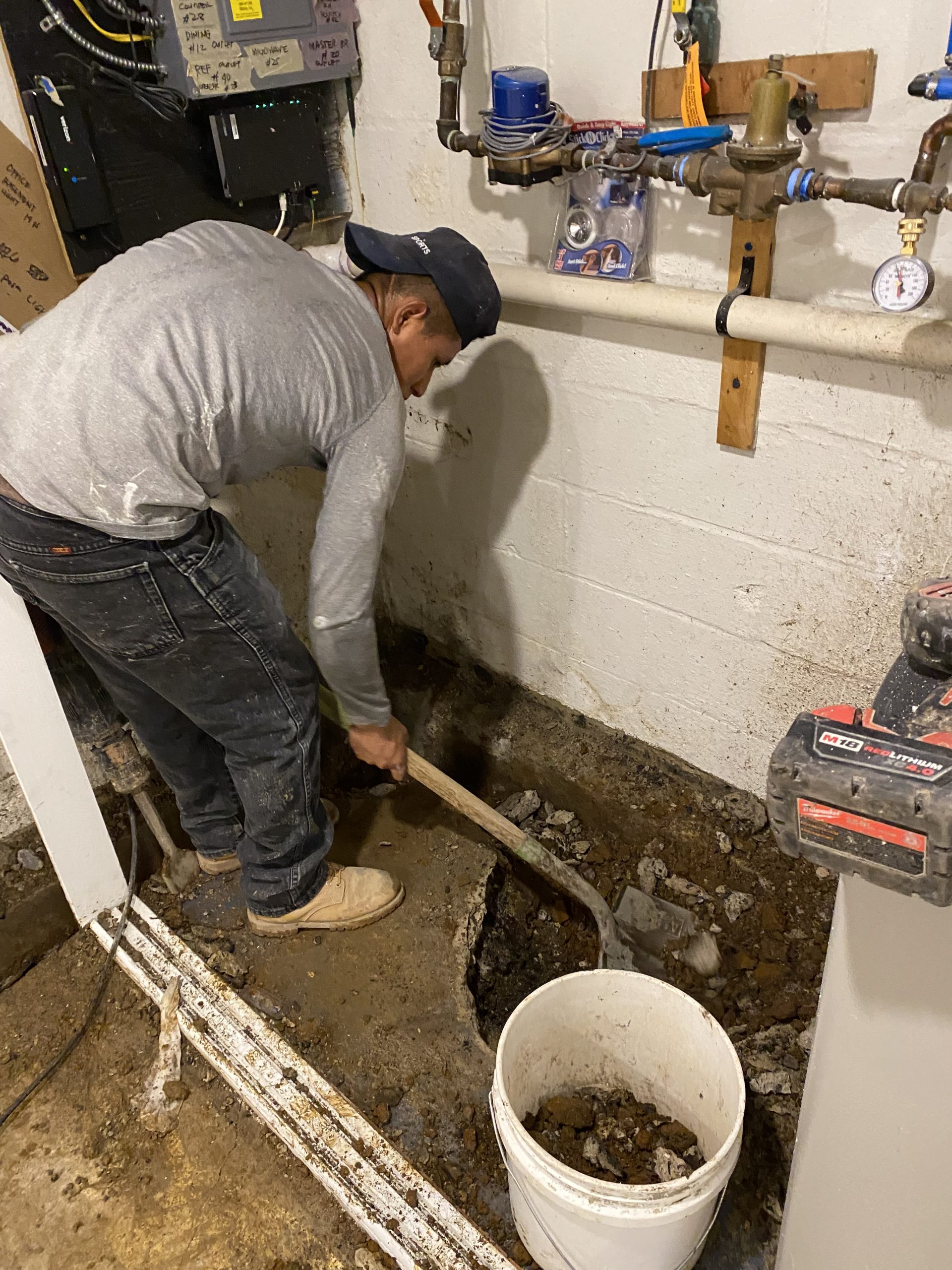
However, if you’re dealing with more serious issues like basement drainage problems, you may need to block out two to three weeks. This is because the process involves excavation, installation of drain tiles, and potentially even the modification of the landscape around your home to prevent future water intrusion.
While these are general guidelines, remember every home’s situation is unique. Severe cases of water damage may necessitate more time.
It’s also vital to factor in time for acquiring necessary permits and for the drying and curing of materials used.
Therefore, once you’ve identified the need for basement waterproofing, don’t delay. The sooner you start, the better.
It’s a significant process but one that’s critical for the longevity of your home and its potential resale value.
Impact on Your Home’s Value
A considerable boost in your property’s value could be just a waterproofed basement away. Market trends indicate an increasing number of buyers prefer homes that are worry-free, making a waterproofed basement a great selling point.
It’s not just about the added usable space; it’s about peace of mind, knowing potential water damage won’t be a future issue.
Your home’s value is considerably influenced by buyer preferences, and a waterproofed basement ticks many boxes. Here’s how:
- Reduced maintenance costs: Buyers appreciate anything that saves them time and money in the long run. A dry, waterproofed basement means less chance of expensive water damage repairs.
- Increased living space: A dry basement can serve as additional living space. Whether it’s a home office or a playroom, this is a huge plus for many buyers.
- Healthy living environment: Damp basements can harbor mold, which can lead to health issues. Waterproofing eliminates this problem.
In short, waterproofing your basement isn’t just a preventive measure—it’s an investment. It’s a smart move that can considerably increase your home’s market value, making it more attractive to potential buyers.
Frequently Asked Questions
Can I Sell My House Without Waterproofing the Basement?
Yes, you can sell your house without waterproofing the basement, but it’s not recommended.
Buyers often eye basement conditions closely, and any signs of water damage could be a deal-breaker. Waterproofing could increase your home’s selling appeal and price.
It’s better to address potential problems upfront, rather than letting them derail a sale later.
Consider this as an investment in your home selling process.
What Are the Potential Health Risks of a Non-Waterproofed Basement?
If your basement isn’t waterproofed, you’re risking mold growth and structural damage.
Mold can lead to health issues like allergies and respiratory problems. It’s not something you want to mess with.
As for structural damage, persistent moisture can weaken your home’s foundation. Over time, this could cause significant problems that’ll hit you hard in the wallet.
Does a Waterproofed Basement Require Regular Maintenance?
Yes, a waterproofed basement does require regular maintenance.
It’s essential to keep an eye on basement moisture levels. Even after waterproofing, moisture can sneak in, potentially damaging your property and belongings.
Regular maintenance guarantees the waterproofing benefits last longer. It includes checking for leaks, making necessary repairs, and monitoring humidity.
Are There Any Insurance Benefits to Waterproofing My Basement?
Waterproofing your basement can potentially lower your insurance claims for water damage, which can be a significant bonus.
Not only does it protect your home from potential damage, but it also boosts your property value.
Buyers often appreciate such preventative measures, and you may find your home’s market appeal increases.
Do I Need to Disclose a Previously Flooded Basement to Potential Buyers?
Yes, you’re obliged to disclose the flood history of your basement to potential buyers.
It’s not just about being ethical, it’s also about addressing buyer concerns. They’ve the right to know the property’s history and any potential risks.
If you’ve waterproofed your basement since the flooding, mention that too. It shows you’ve taken steps to solve the problem, which may put buyers’ minds at ease.
Conclusion
So, you’ve seen why waterproofing your basement before selling your home is a smart move. It not only boosts your home’s marketability and value but also saves you from future repair costs. Remember, a dry, well-maintained basement can be a key selling point. Don’t hesitate to invest in professional waterproofing if needed. Trust us, your wallet and your potential buyers will thank you!
For more than a decade, we have been the go-to waterproofing and related services provider for homeowners across New Jersey. Our reputation has been built on a foundation of delivering exceptional workmanship and top-notch customer service to each and every one of our valued clients.
We truly understand the significance of your home to you and your family, as well as the importance of the services we offer in safeguarding your home. That’s why we take our responsibilities seriously and never compromise on the quality of our work. Our commitment to your satisfaction is unwavering, and we go above and beyond to ensure that you are completely content with every aspect of the job we perform.
When it comes to protecting your home, trust is of utmost importance. At our professional New Jersey Waterproofing Company, we prioritize the well-being of your basement and ensure it remains shielded from any harmful moisture damage, regardless of the job’s size. Whether you require waterproofing, mold remediation, or even foundational or structural repairs, we are always ready and eager to take on any challenge.
Our singular focus is your happiness, and we leave no stone unturned in achieving it. If you are searching for a trustworthy New Jersey waterproofing company to safeguard your home, look no further. Contact us today and experience firsthand what sets us apart from the competition. Your home’s protection is our major priority, and we are here to serve you with dedication and expertise.