
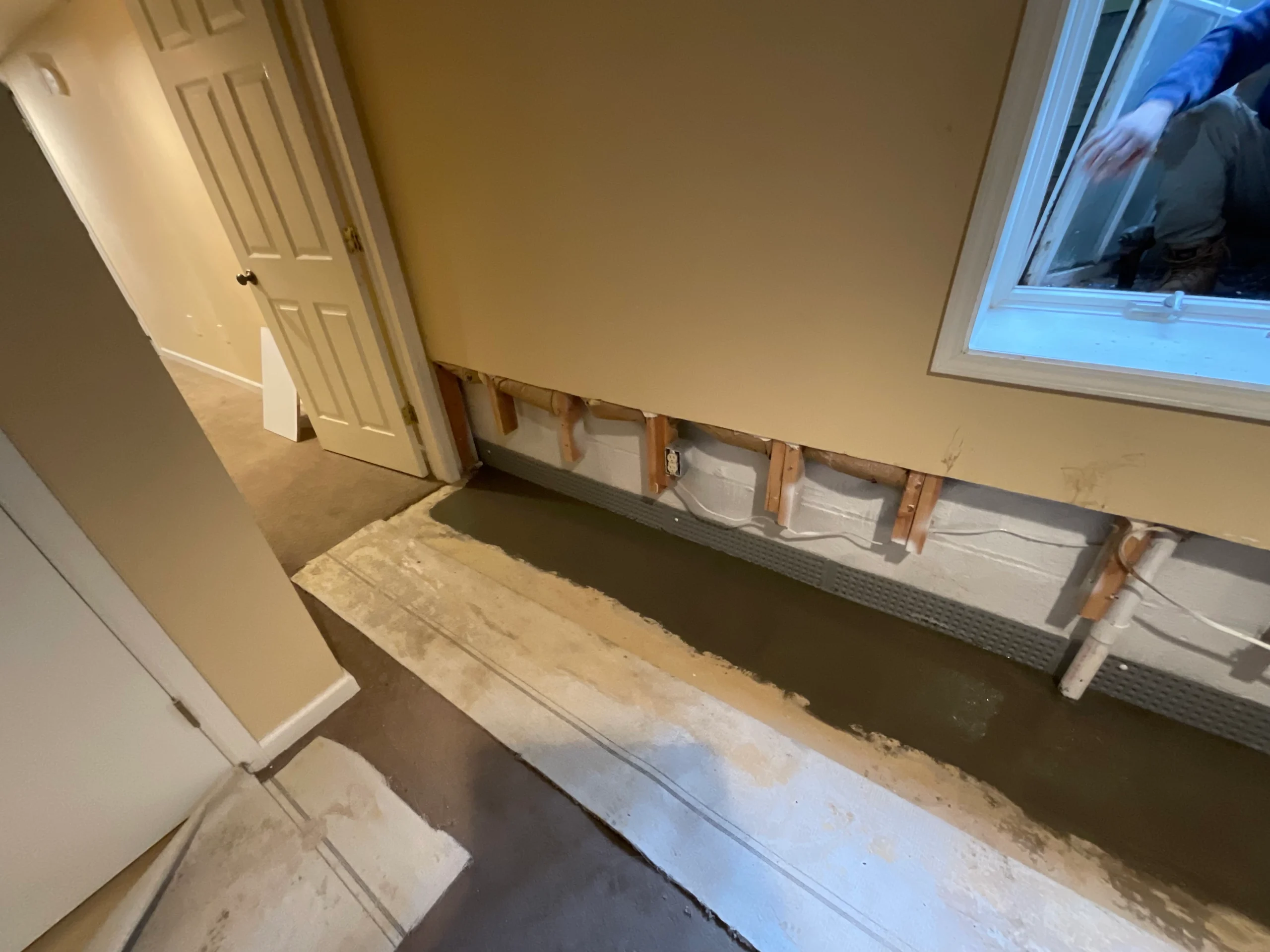
You’re probably aware that a dry basement is essential to maintaining the structural integrity of your home, but have you thought about the important role that drainage systems play in this? By directing water away from the foundation, they considerably lower the risk of water damage and mold growth. But what types of drainage systems exist and how do you maintain them effectively? More importantly, what are the potential consequences if you don’t? Let’s explore these questions together, shall we?
Key Takeaways
- Basement drainage systems play a crucial role in managing and rerouting water to maintain a dry basement, enhancing overall waterproofing.
- Properly installed drainage systems, like interior and exterior systems or gravity systems, effectively channel water away and mitigate soil saturation risks.
- Selecting the appropriate drainage system, based on property needs and soil permeability, can prevent structural damage and potential flooding.
- Regular maintenance of drainage systems, including routine inspections and cleaning, ensures peak performance and prevents issues like root infiltration.
- The installation process of a drainage system, including proper planning and material preparation, is critical for ensuring a leak-free, efficient system.
Understanding Basement Drainage Systems
Ever wondered how basement drainage systems work? It’s not as complex as you might think. The key is in the drainage design and understanding soil permeability.
When it comes to drainage design, you’re fundamentally designing a route for water to flow out of your basement. This could be a simple trench dug around the perimeter of the basement, or it could be more complex with pipes and pumps involved. The design is primarily determined by the amount of water you’re dealing with and the soil’s permeability.
Soil permeability refers to how easily water can move through the soil. If you’ve got highly permeable soil, you’re in luck. Water will drain easily, making your job a lot simpler. If your soil isn’t permeable, you’ll need to put more thought into your drainage design.
But don’t worry, it’s not impossible. You just need to weigh options like installing a sump pump or using a French drain system.
With the right drainage design, you can keep your basement dry no matter what kind of soil you’re dealing with.
Importance of Proper Drainage
While it might seem like a minor concern, guaranteeing proper drainage in your basement is actually critical. It’s more than just preventing a soggy basement; it’s about safeguarding your home against severe water damage.
A well-designed drainage system efficiently channels water away from your home, reducing the risk of soil saturation. And when soil around your foundation gets overly saturated, it can lead to significant problems.
Soil saturation doesn’t just mean a messy, water-logged garden. It can compromise the structural integrity of your home. The water pressure against your foundation can cause cracking and even shifting. That’s why your drainage design is a key player in maintaining foundation stability.
Without a well-functioning drainage system, your basement becomes vulnerable to flooding. This can lead to costly repairs and a serious headache.
It’s not just about the immediate water damage either. Over time, chronic moisture problems can lead to mold growth and even structural damage.
Proper drainage isn’t a luxury—it’s a necessity. It’s an investment in your home’s health and longevity.
Types of Basement Drainage Systems
Maneuvering through the world of basement drainage systems might seem intimidating, but it doesn’t have to be. Let’s break it down.
Firstly, you’ve got interior drainage systems. These work from inside your basement to manage water that has already made its way in, often utilizing sump pumps.
Drainage tiles, also known as weeping tiles, are often used in conjunction with these systems to direct water to the sump pump.
Next, there’s exterior drainage. As the name suggests, these systems are set up outside your home to prevent water from entering in the first place. They often include French drains and waterproof membranes that help to divert water away from your foundation.
Then there’s the gravity drainage system, which relies on the natural slope of your landscape to divert water away from your home. It’s a great low-tech option if your property’s layout allows for it.
All these drainage systems play an essential role in basement waterproofing. The one you choose will depend on your specific needs and the unique characteristics of your property.
Installation Process for Drainage Systems
Before you plunge into the installation process for your chosen drainage system, it’s crucial to recognize that the complexity can vary greatly depending on the type of system.
The choice of drainage materials and the installation techniques to be used can have a significant impact on the overall process and its effectiveness.
Now let’s get down to the critical steps of the installation process.
- Plan your layout: Understand the layout of your basement and the direction of water flow. This will guide you in the placement of your drainage system.
- Prepare your materials: Gather all the necessary drainage materials. This often includes piping, gravel, a sump pump, and protective barriers.
- Install your system: Dig a trench along the perimeter of your basement, lay down your piping, cover it with gravel, and connect it to a sump pump. Make sure to follow best installation techniques to guarantee a leak-free system.
Remember that each step needs your full attention.
Even a minor mistake could lead to major problems down the line. After all, you’re not just installing a drainage system; you’re protecting your home.
Maintenance Tips for Drainage Systems
In spite of installing the best drainage system, without regular maintenance, its effectiveness can quickly diminish. You shouldn’t overlook the importance of regular drainage system inspections. When ignored, small issues can quickly escalate into costly repairs.
Here are some maintenance tips to guarantee the longevity and efficiency of your drainage system.
First, schedule regular inspections. It’s a proactive approach, identifying potential problems before they worsen. Professional inspectors use specialized equipment to assess your system’s condition, making sure it functions at peak performance.
Using the right cleaning techniques is also vital. Don’t let dirt or debris build up in your system. Regular cleaning prevents blockages, maintaining a clear path for water. Be gentle, as harsh methods can damage your system.
Keep an eye on the surrounding landscape too. Overgrown roots can infiltrate your system, causing significant issues. Regularly trim plants near your drainage system to prevent this.
Frequently Asked Questions
What Are the Costs Associated With Installing a Basement Drainage System?
You’re likely to face several costs when installing a basement drainage system.
Installation expenses can be hefty, often ranging from $2,000 up to $10,000 depending on the complexity of the system.
Don’t forget about ongoing maintenance costs, too. Regular checks and repairs are essential to guarantee the system’s effectiveness.
Can I Install a Basement Drainage System Myself?
Yes, you can install a basement drainage system yourself.
It’s a doable DIY installation project if you’re handy and understand the process. You’ll need to buy the right drainage materials and follow the proper installation steps.
However, it’s a labor-intensive task and requires a good understanding of your home’s structure. If you aren’t confident about doing it yourself, hiring a professional is recommended to guarantee effective waterproofing and prevent potential damage.
How Long Does a Typical Basement Drainage System Last?
You’re wondering about the longevity of a typical basement drainage system.
Well, with regular maintenance, it can last for about 10 to 15 years.
However, its longevity really depends on several factors like the quality of installation, materials used, and how often it’s maintained.
It’s essential to stick to maintenance schedules to guarantee it functions efficiently for as long as possible.
What Are the Potential Health Impacts of Not Having a Basement Drainage System?
Without a basement drainage system, you’re risking serious health impacts.
Trapped moisture can promote mold growth, deteriorating your home’s air quality. Breathing this in may lead to respiratory issues.
Additionally, the dampness can cause structural damage, compromising your home’s integrity.
Plus, it’s a perfect environment for pest infestation, exposing you to potential diseases.
Does a Basement Drainage System Increase the Value of My Home?
Absolutely, a basement drainage system can increase the value of your home.
When you’re thinking about home improvement, don’t overlook this feature. It’s not just practical—it’s a selling point.
Potential buyers see it as an assurance against future water damage. They’ll appreciate not having to deal with it themselves.
Conclusion
So, you’ve seen how vital drainage systems are in keeping your basement dry and safe. From preventing soil saturation to halting mold growth, these systems are your home’s defense against potential water damage. Whether it’s a sump pump or a French drain, installing and maintaining your drainage system is essential. Don’t overlook this important step in basement waterproofing. Keep an eye on your system and guarantee it’s working effectively. Remember, a dry basement is a healthy basement.
For more than a decade, we have been the go-to waterproofing and related services provider for homeowners across New Jersey. Our reputation has been built on a foundation of delivering exceptional workmanship and top-notch customer service to each and every one of our valued clients.
We truly understand the significance of your home to you and your family, as well as the importance of the services we offer in safeguarding your home. That’s why we take our responsibilities seriously and never compromise on the quality of our work. Our commitment to your satisfaction is unwavering, and we go above and beyond to ensure that you are completely content with every aspect of the job we perform.
When it comes to protecting your home, trust is of utmost importance. At our professional New Jersey Waterproofing Company, we prioritize the well-being of your basement and ensure it remains shielded from any harmful moisture damage, regardless of the job’s size. Whether you require waterproofing, mold remediation, or even foundational or structural repairs, we are always ready and eager to take on any challenge.
Our singular focus is your happiness, and we leave no stone unturned in achieving it. If you are searching for a trustworthy New Jersey waterproofing company to safeguard your home, look no further. Contact us today and experience firsthand what sets us apart from the competition. Your home’s protection is our major priority, and we are here to serve you with dedication and expertise.