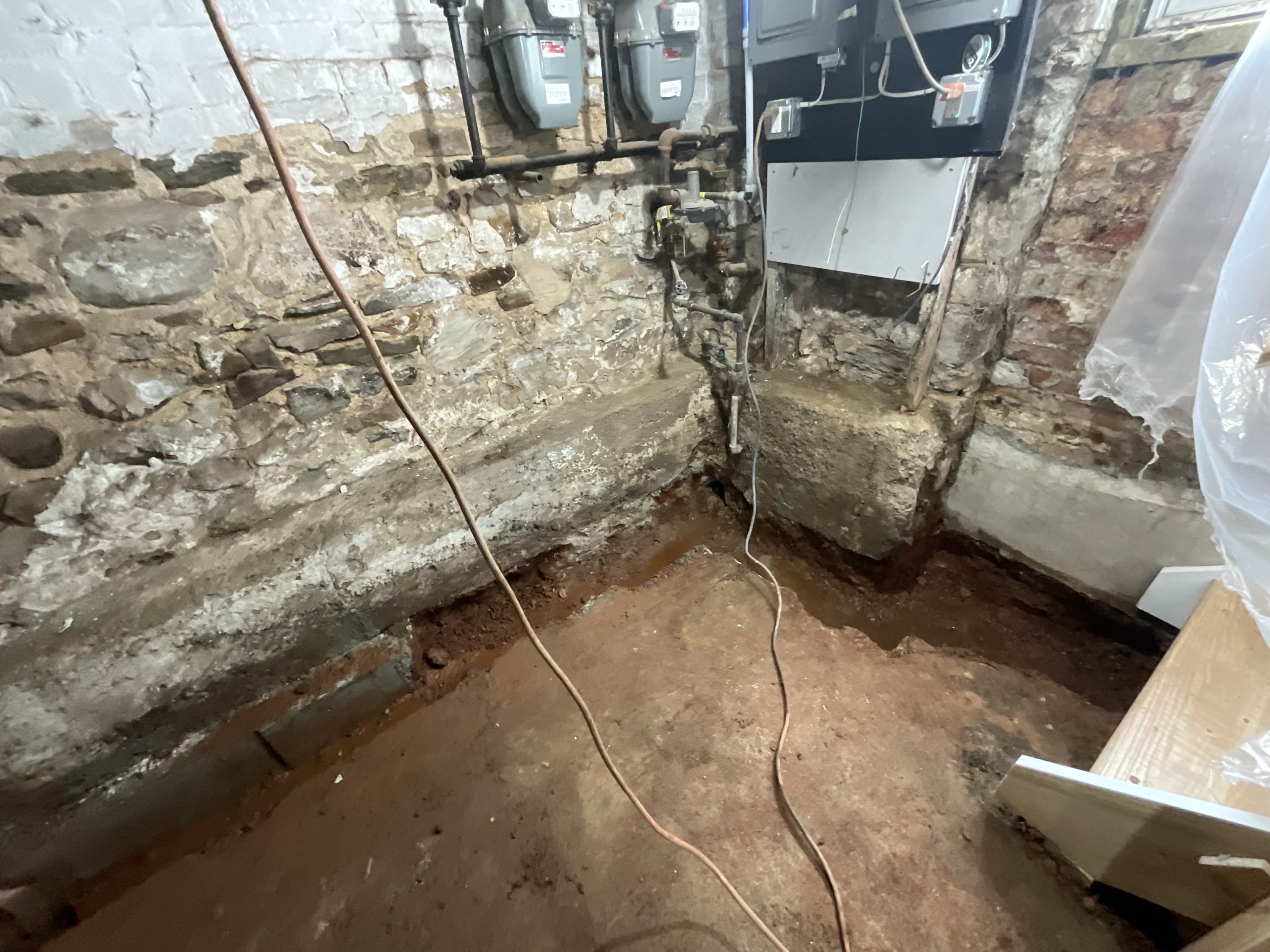
You’ve just weathered a heavy rainstorm and now you’re faced with a wet basement. This is more than just an inconvenience; it could be a sign of serious problems. It’s possible that structural damage, mold growth, and deteriorating air quality are lurking beneath the surface. The subsequent health risks and financial implications can’t be ignored either. So, is it time to panic or can this issue be controlled and prevented? Let’s explore these risks further and find ways to keep your home safe and dry.
Key Takeaways
- Wet basements following heavy rain can compromise your home’s structural integrity, leading to costly repairs.
- It signifies inadequate drainage systems, which may cause water pooling around the house.
- The damp environment fosters the growth of mold and mildew, posing health risks, including worsened asthma and allergies.
- Flooded basements can attract pests and degrade indoor air quality, adding to potential health hazards.
- A wet basement can lead to significant financial burdens due to repair costs, especially if the damage is not covered by insurance.
Understanding Basement Flooding
Your basement’s vulnerability to flooding is something that can’t be overlooked, especially after heavy rainfall.
It’s a common problem that catches many homeowners off-guard. If you’ve had a wet basement in the past, it’s essential to understand your home’s flood history. This knowledge gives you a clear picture of the situation and helps in making preventive decisions.
An efficient drainage system is your best ally against basement flooding. If it’s designed and installed correctly, it can divert water away from your house, reducing the chances of excess water seeping into your basement.
However, even the best drainage systems may fail in the face of extreme weather conditions or if they’re not maintained properly.
Causes of a Wet Basement
You might be wondering, what’s causing your basement to get wet every time it rains heavily?
It’s important to identify the sources of water that could be contributing to this issue.
Also, consider whether previous attempts to waterproof your basement have failed, as this can be a major factor.
Identifying Water Sources
When heavy rain hits, a homeowner’s nightmare can often be a wet basement. But where is that water coming from? Identifying the sources can help you find solutions. It’s about understanding how your home interacts with the surrounding environment.
You’ve got to look at two major components: your drainage systems and moisture barriers. Drainage systems direct water away from your home. If they’re not working correctly, water can pool around your foundation and seep into your basement. Moisture barriers are meant to block water from entering your walls and floor. They can fail, allowing water to infiltrate your basement.
Consider these common sources of water:
| Source | Description | Check |
|---|---|---|
| Rainwater | Water from heavy rain can flood your yard and enter your basement | Check your yard’s grading |
| Groundwater | High groundwater levels can push against your foundation and seep in | Check for moisture on basement walls |
| Snowmelt | Melting snow can create excess water around your home | Check for pooling water around your home |
| Plumbing leaks | Leaks can cause localized water issues | Check for damp spots on walls and floors |
Identifying the water source is the first step in solving a wet basement problem.
Basement Waterproofing Failures
Several factors can lead to basement waterproofing failures, making your lower level a damp, uncomfortable space.
It’s not just about heavy rain; it’s also about the effectiveness of your waterproofing techniques.
If you’ve used a poor-quality waterproofing method, or the job was done incorrectly, it can lead to failures. This could mean water seeping through the walls, floors, and even through cracks that you didn’t know existed.
An improper slope can also result in water pooling around your foundation, causing further problems.
Another common cause of waterproofing failure is the age of your home. Over time, even the best waterproofing techniques can degrade and fail to protect your basement.
This is where regular basement inspections come into play.
Basement inspections can spot potential issues before they turn into significant problems. It’s much easier to fix a small problem now than a major one later on.
You’ll want to check for signs like dampness, cracks, mold, and mildew.
Potential Dangers of a Flooded Basement
A flooded basement poses serious risks that extend beyond mere property damage. You might think it’s just an annoying inconvenience, but it’s much more than that. The water intrusion can impact the structural integrity of your home, not to mention the insurance implications.
Not only can a flooded basement damage your personal belongings, but it can also:
- Compromise the stability of your home’s foundation
- Lead to potential health hazards from mold and mildew
- Result in significant financial burden due to repairs and insurance claims
The water damage may not seem extreme initially, but over time, it can weaken the structural integrity of your home. This can lead to costly repairs down the line.
Moreover, the insurance implications can’t be overlooked. Some insurance policies don’t cover flood damage, and you’ll be stuck with the repair bills. Even if your policy does cover it, you’re likely to see an increase in your premiums.
Don’t underestimate the potential dangers of a flooded basement. It’s more than just a wet mess—it’s a serious concern that needs immediate attention.
Prevention is always better than scrambling for a solution after the damage has been done.
Signs of Serious Water Damage
You might be wondering, “What are the signs of serious water damage in my basement?”
It’s critical to recognize these signs early, as prolonged dampness can have significant, long-term impacts on your home.
Let’s discuss how to spot these warning signs and, more importantly, how you can prevent future water intrusion.
Identifying Water Damage Signs
Unseen puddles on your basement floor, damp walls, and a musty smell are all clear signs of potential serious water damage. However, there are other less obvious signs that you need to be aware of.
- Water stains on walls or ceilings can indicate a problem with drainage issues or humidity levels. If you notice any discolored patches, it’s best to get them checked out.
- Mold growth is another sign. It thrives in damp environments and can be detrimental to air quality, potentially leading to health issues.
- Foundation cracks, although they may seem minor, can jeopardize the structural integrity of your home.
Increased humidity can also cause insulation damage, making your home less energy-efficient. It might even lead to pest infestations, as many critters are attracted to damp environments.
All these signs can impact your home’s value and may lead to hefty insurance claims. Hence, it’s essential to address water damage signs promptly to maintain the health of your home and its occupants.
Keep an eye out for these signs and take action at the first hint of trouble.
Impact of Prolonged Dampness
If not addressed promptly, the signs of water damage can lead to prolonged dampness, which has its own set of serious implications. You might think a little water won’t cause much harm, but the dampness effects are more severe than you’d imagine.
For starters, moisture retention in your basement can lead to structural damage. It weakens the foundation of your house, making it less stable over time. You’re not just dealing with a damp basement here; you’re risking the integrity of your entire home.
Moreover, prolonged dampness also promotes the growth of mold and mildew. These aren’t just unsightly; they pose serious health risks. Exposure can lead to respiratory issues, especially in people with asthma or allergies.
Additionally, dampness attracts pests. Insects and rodents are drawn to moist environments, and a wet basement is an open invitation. You don’t want to deal with an infestation on top of water damage, do you?
In short, failing to address basement dampness can compromise the safety of your home, jeopardize your health, and potentially lead to a pest problem. It’s a serious concern you can’t afford to ignore.
Preventing Future Water Intrusion
A surprising number of homeowners struggle with water intrusion in their basements, but there are effective ways to prevent this recurring problem. By taking proactive measures, you can safeguard your basement from becoming a damp and moldy space.
Vital steps to prevent future water intrusion include:
- Implementing drainage solutions
- Installing moisture barriers
- Regular maintenance and inspection
Drainage solutions are a must to navigate water away from your home’s foundation. This could be as simple as ensuring your gutters and downspouts are clean and efficiently diverting water away.
However, it might also involve installing a sump pump or French drain system.
Moisture barriers are another effective method. They’re sheets of plastic or foil that you install on walls and floors to block moisture from seeping in.
They’re especially useful in damp-prone basements and can greatly reduce the risk of water damage.
Regular maintenance and inspection are also essential. You should periodically check your basement for signs of water intrusion, like damp spots, mold growth or a musty smell.
If you notice anything amiss, it’s vital to address the issue promptly.
The Impact on Home Value
Heavy rainfall leading to a wet basement can greatly impact the value of your home. This is due to two main factors: property depreciation and market perceptions.
When potential buyers see a damp basement, their perception of your home’s worth takes a hit. They’re likely to think that if you’ve not taken care of the basement, what else might be lurking unseen?
Property depreciation is another factor that you can’t ignore. Water damage is a serious concern. It can lead to structural issues that are costly to repair.
Buyers are savvy and they know this. You can’t underestimate the impact of a wet basement on the selling price of your home.
Health Risks From Basement Moisture
Numerous health risks lurk in a damp basement. It’s not just an unpleasant, musty odor you’re dealing with, but a potential threat to your health. The constant dampness creates an ideal environment for mold growth.
- Mold thrives in moist, humid conditions and can spread quickly if left unchecked. It’s not just an eyesore; it poses serious health threats. Prolonged exposure to mold spores can lead to respiratory issues, especially in those with asthma or allergies.
- Besides mold, a wet basement can become a breeding ground for pests. Insects like mosquitoes are drawn to stagnant water and can carry diseases.
- The dampness can also contribute to poor indoor air quality. It can increase the levels of humidity in your entire home, fostering the growth of dust mites and other allergens.
These issues aren’t just inconvenient; they can seriously affect your health over time.
So, don’t underestimate the danger of a wet basement. It’s more than just a structural concern; it’s a matter of your wellbeing.
In the next section, we’ll discuss immediate steps to take if you’re dealing with a damp basement.
Immediate Steps to Take
Faced with a damp basement, you might feel overwhelmed by the potential health risks previously outlined. However, don’t panic. An immediate emergency response can mitigate the potential hazards and provide temporary solutions until you can implement long-term waterproofing measures.
First, remove any standing water. You can use a wet/dry vacuum or a pump to do this. Make sure to wear protective clothing, gloves and boots, as the water may contain harmful bacteria.
Next, move all wet items out of the basement. This includes furniture, rugs, boxes, and other belongings. These items can be a hotbed for mold growth, so it’s important to take them out to dry or throw them away if they’re ruined.
Then, start drying out the area. A dehumidifier can be a great help in reducing the moisture in the air. You can also use fans to circulate the air and speed up the drying process.
Lastly, clean and sanitize the area. This will help prevent mold and mildew growth, further ensuring the safety of your home.
Long-Term Waterproofing Solutions
Now that you’ve taken immediate steps to handle a wet basement, it’s time to think long-term.
Let’s explore various waterproofing methods, understand why regular maintenance is essential, and discuss how to choose quality materials for waterproofing.
After all, prevention is the best solution to keep your basement dry even after the heaviest of rains.
Exploring Waterproofing Methods
When the downpour ends and you’re left with a wet basement, it’s time to contemplate long-term waterproofing solutions. You might feel overwhelmed, but don’t worry. There’s a wide array of methods available to guarantee your basement stays dry, even during the heaviest rainfalls.
- Drainage systems and sump pumps: These can be installed to redirect water away from your home. If water does enter, sump pumps can help remove it quickly.
- Sealant types, exterior barriers, and interior coatings: These are applied to your walls to form a moisture barrier, blocking water from seeping in.
- Foundation repairs, drainage tiles, and ventilation options: These solutions target the structure of your home to prevent water ingress.
You can also consider landscaping solutions. These involve arranging your garden in a way that water is directed away from your house, not towards it.
Each method has its advantages and is best suited for different scenarios. So, consult with a professional to identify the best waterproofing solution for your home.
Importance of Regular Maintenance
Peace of mind is something you gain from regular maintenance of your home’s waterproofing systems. Routine inspections and adherence to maintenance schedules guarantee that your home stays dry even during the heaviest rainfalls.
You might be wondering, ‘Why bother with regular maintenance?’ Well, let’s take a look at the benefits.
| Benefit | Description |
|---|---|
| Longevity | Regular maintenance can extend the life of your waterproofing system. |
| Cost-Effective | It saves you from costly repairs or replacements. |
| Efficiency | It assures that your system is working at its best level. |
| Prevention | It can help detect potential issues before they escalate into serious problems. |
So, it’s clear that routine inspections and maintenance schedules are vital for your home’s long-term waterproofing solutions. They’re not just about fixing issues, but also about preventing them.
If you’re skipping regular maintenance because it seems like a hassle, remember it’s less of a hassle than dealing with a flooded basement. So, it’s better to be proactive and keep your waterproofing system in prime condition. After all, a stitch in time, saves nine.
Choosing Quality Waterproofing Materials
Investing in quality waterproofing materials is an essential step in securing long-term solutions for your home. It’s not just about solving the issue now, but guaranteeing that your basement remains dry and safe for years to come.
You’ll want to take into account several factors when choosing these materials. Primarily, you should look into:
- The type of waterproofing techniques used
- The material durability
- The cost-effectiveness of the material
Different waterproofing techniques require specific materials. For instance, some methods may require a liquid application, whereas others might necessitate a sheet-like material. Understanding the technique you’re going to use is crucial in choosing the right materials.
Material durability is another critical factor. You don’t want to invest in materials that won’t withstand the test of time. Confirm that the materials are robust, resistant to wear and tear, and can effectively keep water at bay.
Lastly, while quality is paramount, cost-effectiveness shouldn’t be ignored. You want materials that give you value for your money. Do your research, compare prices, and make an informed decision.
Hiring Professional Help
After enduring a torrential downpour, you might find your basement drenched and in dire need of professional help. It’s not just about mopping up the mess; it’s about tackling the root of the problem. That’s where professional assessments come in handy.
Experts in the field can evaluate your situation, pinpoint the cause of leaks, and suggest effective solutions. You’re not just getting a service; you’re investing in peace of mind. With their detailed knowledge of basement structures and waterproofing techniques, they’ll be able to spot issues that you might overlook.
But, don’t just settle for the first company you come across. Seek out multiple expert consultations to guarantee you’re getting the best advice and a fair price.
It’s important to feel confident in the professional you choose. Don’t be afraid to ask questions about their experience, credentials, and proposed plan of action.
Preventive Measures for the Future
There are several measures you can take to prevent future basement floods. To begin with, consider implementing efficient drainage solutions. This could involve rerouting your home’s downspouts, improving the grading around your home, or even installing a sump pump.
In addition to drainage solutions, look into ways for humidity control. High humidity can make your basement a breeding ground for mold and mildew, even if there’s no standing water. Using a dehumidifier can greatly reduce the moisture levels in your basement, making it less hospitable for these unwanted guests.
Here are some other preventive measures you can take:
- Seal cracks or gaps in your basement’s walls and floors. Even the smallest crack can let in water when the rain is heavy.
- Clean and maintain your gutters regularly. This helps to direct rainwater away from your home’s foundation.
- Install window well covers. They prevent rainwater from seeping into your basement through the windows.
Frequently Asked Questions
Does Homeowners Insurance Typically Cover Basement Flooding?
Yes, it’s a serious concern. Not all homeowners insurance policies cover basement flooding.
You’ll typically need additional flood insurance for that. Standard policies often exclude “ground water” damage, which includes floods.
You must review your policy carefully to understand what’s covered. Filing insurance claims for flood damage can be tricky, so it’s best to clarify with your insurer first.
It’s essential to protect your home and finances from potential flood damage.
What Are the Best Materials for a Flood-Resistant Basement Renovation?
Yes, choosing the right materials for a flood-resistant basement renovation is critical.
You’ll want to contemplate materials that can withstand water damage, like cement board or closed-cell spray foam insulation. Waterproofing techniques, such as using water-resistant paint or installing a sump pump, can also be beneficial.
Don’t forget about mold-resistant drywall and flooring options like ceramic tile or vinyl, they’re great choices too.
How Often Should I Inspect My Basement for Potential Water Issues?
You should inspect your basement for potential water issues regularly, ideally once a month.
Pay close attention to your basement drainage systems and any indications of moisture control problems.
Don’t ignore damp spots or mold. They’re signs you might’ve a leak.
After heavy rain, check for any water intrusion.
Regular inspections can help you catch and address any issues early, preventing serious damage to your home.
Is a Sump Pump Necessary for All Basements, or Just Those in Certain Areas?
Yes, a sump pump can be beneficial for any basement, not just those in certain areas. This device helps prevent water buildup, protecting your basement from potential damage.
The benefits of a sump pump include reduced humidity and prevention of mold growth. However, they require regular maintenance to guarantee they’re working properly.
Could a Wet Basement Affect My Homes Energy Efficiency?
Absolutely, a wet basement can impact your home’s energy efficiency.
When there’s excess moisture, it’s harder to control the temperature, leading to energy loss. The wetness makes it difficult for your heating and cooling system to work efficiently.
Consequently, maintaining a dry basement isn’t just about avoiding water damage; it’s an essential step in preserving your home’s energy efficiency.
Conclusion
Yes, a wet basement after heavy rain is indeed a serious concern. It’s not just about the immediate damage, but also the long-term effects on your home’s value and your health. Don’t ignore it! Take immediate steps, consider long-term waterproofing solutions, hire professionals if needed, and implement preventive measures. Remember, addressing this issue promptly can save your home’s integrity and protect your health.
For more than a decade, we have been the go-to waterproofing and related services provider for homeowners across New Jersey. Our reputation has been built on a foundation of delivering exceptional workmanship and top-notch customer service to each and every one of our valued clients.
We truly understand the significance of your home to you and your family, as well as the importance of the services we offer in safeguarding your home. That’s why we take our responsibilities seriously and never compromise on the quality of our work. Our commitment to your satisfaction is unwavering, and we go above and beyond to ensure that you are completely content with every aspect of the job we perform.
When it comes to protecting your home, trust is of utmost importance. At our professional New Jersey Waterproofing Company, we prioritize the well-being of your basement and ensure it remains shielded from any harmful moisture damage, regardless of the job’s size. Whether you require waterproofing, mold remediation, or even foundational or structural repairs, we are always ready and eager to take on any challenge.
Our singular focus is your happiness, and we leave no stone unturned in achieving it. If you are searching for a trustworthy New Jersey waterproofing company to safeguard your home, look no further. Contact us today and experience firsthand what sets us apart from the competition. Your home’s protection is our major priority, and we are here to serve you with dedication and expertise.