
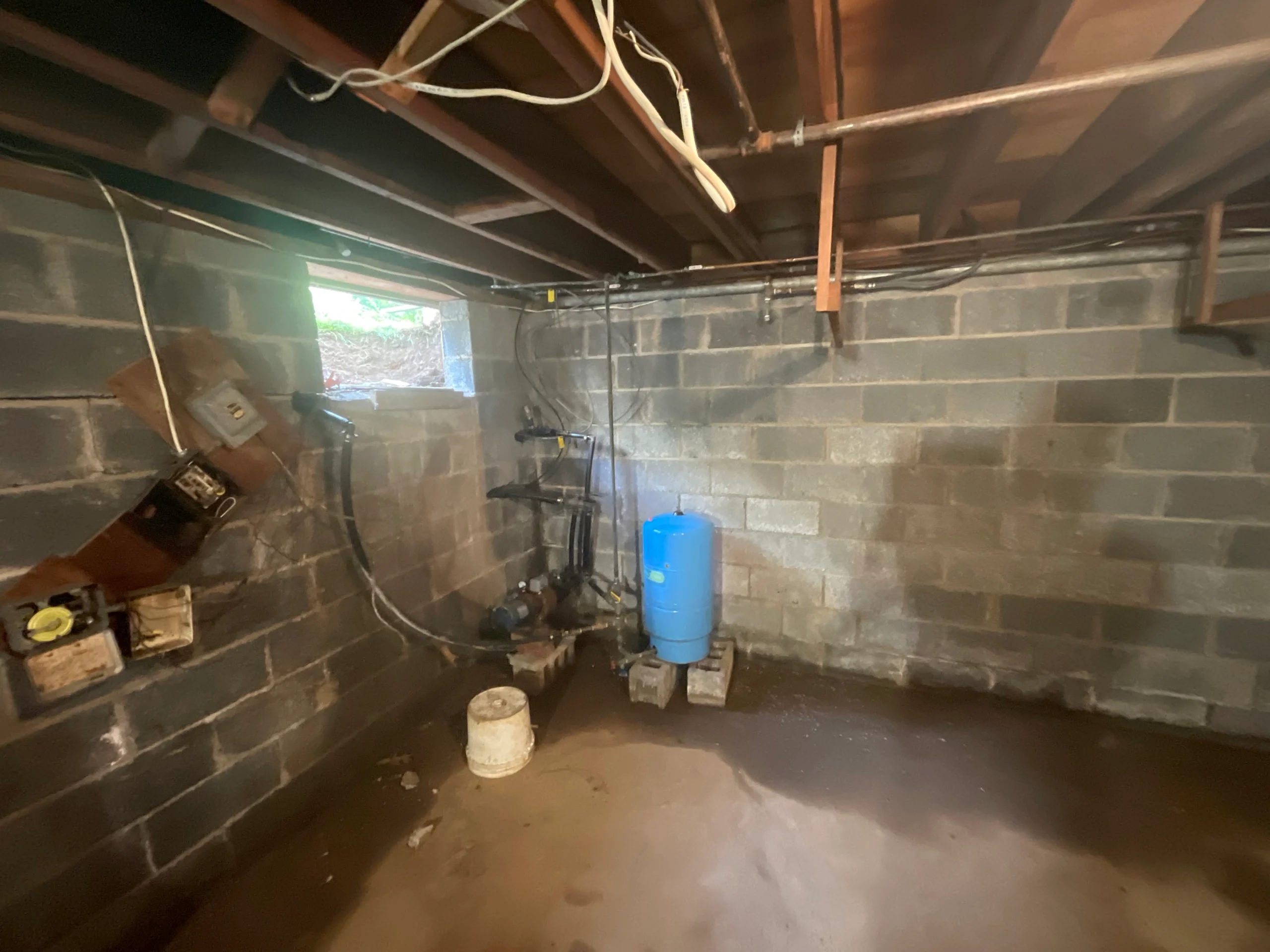
You’ve probably noticed that your basement feels damp, especially during hot, humid months. Ever wondered why? High humidity levels, particularly above 50%, create the perfect conditions for water infiltration and even structural damage in your basement. Throw in some poor ventilation and inadequate drainage, and you’re left with moisture trapped indoors, leading to a decline in air quality. But what if there were ways to manage these humidity levels effectively and keep your basement dry? Stay tuned to explore how you can prevent these costly repairs and maintain healthier living conditions.
Key Takeaways
- High humidity in basements can indicate underlying water problems like leaks or poor drainage.
- Moisture issues in basements often arise from inadequate ventilation and insufficient water barriers.
- Signs of basement humidity include musty smells, mold growth, and water droplets on surfaces.
- Effective humidity management includes waterproofing, proper ventilation, and the use of dehumidifiers.
- Regular inspections and maintenance of basements help detect and prevent humidity-related problems early.
Understanding Humidity Basics
Everyone encounters humidity on a daily basis, but not everyone understands it. It’s not just about the hot, sticky feeling you get in the middle of the summer, it’s more complex than that.
Humidity is fundamentally water vapor suspended in the air. It’s invisible, but you can definitely feel its effects. When you’re dealing with high levels of humidity, you might feel hotter than the actual temperature. That’s one of the humidity effects that can be a real issue, especially during extreme weather conditions.
Now, the humidity measurement is expressed as a percentage, indicating the amount of moisture in the air. You’ll often hear it referred to as relative humidity, which is the ratio of the current absolute humidity to the highest possible absolute humidity. The higher the number, the more moisture is in the air.
Understanding how humidity works can give you insights into why you’re feeling so uncomfortable in certain weather conditions. It’s not always the heat, sometimes it’s the humidity.
And it’s definitely something to keep in mind when dealing with potential issues at home, like basement water problems.
Common Basement Water Problems
You’ve likely encountered some common basement water problems, but do you know their causes, or how to resolve them?
Understanding these issues is key to maintaining a dry, usable space.
Let’s explore how to identify these problems, pinpoint their causes, and discuss potential solutions.
Identifying Basement Water Issues
Often, it’s not until we face a catastrophic flood that we become aware of the water problems lurking in our basements.
But you don’t need to wait for a disaster to identify potential issues. There are a number of tools and techniques you can use to detect water problems before they get out of hand.
Water detection devices and moisture sensors can help you spot leaks and dampness. These handy gadgets can alert you to the presence of water where it shouldn’t be.
Also, consider investing in a humidity monitor. High humidity levels can be a telltale sign of an underlying water problem.
Effective drainage systems and sump pumps can also play an essential role in preventing water buildup. If these aren’t functioning properly, you might notice water pooling in your basement.
Watch for signs of moisture on your vapor barriers and check your basement’s air circulation. Poor ventilation can lead to condensation and increased humidity.
Foundation inspections can reveal cracks where water might seep in, while waterproof coatings and insulation techniques can keep your basement dry.
Causes of Moist Basements
A staggering number of homes suffer from damp, musty basements, and it’s crucial to understand the causes behind this common problem. You might be overlooking several factors contributing to this issue.
Primarily, poor ventilation options can trap moisture, leading to a damp basement. Inadequate drainage systems may fail to regulate water flow, causing water to accumulate.
Your basement’s insulation techniques could be outdated, letting in cold air that condenses into water droplets. Other common culprits include inadequate water barriers that allow groundwater to seep in, and soil moisture from the surrounding ground.
The climate effects can also influence the humidity in your basement; areas with high rainfall or humidity naturally have more moisture.
Your house’s building materials may also retain moisture, particularly if they’re not suited to your climate or soil type. The use of sump pumps and the dehumidifier selection can greatly affect the moisture level in your basement.
Solutions for Water Problems
Understanding the causes of basement humidity is just the first step. Now, let’s tackle the solutions for water problems.
Firstly, installing an effective drainage system is essential. This will redirect excess water away from your home, preventing it from seeping into your basement.
You’ll also need to take into account waterproofing techniques to protect your basement walls and floor. This could involve the use of moisture barriers and specialized paints.
Next, think about a dehumidifier installation. This device can reduce the humidity level, making your basement less hospitable to mold and mildew.
For larger water problems, a sump pump might be necessary. This will collect water and pump it out of your basement before it causes damage.
Ventilation solutions are equally important. Good air circulation can help to keep humidity levels down.
Insulation strategies can also help to prevent condensation, another common cause of basement moisture.
Don’t overlook landscaping adjustments either. By sloping the ground away from your home, you can help to prevent water from pooling near your foundation.
If necessary, foundation repairs may also be needed to address any cracks or gaps that let in moisture.
Humidity’s Role in Mold Growth
You might be wondering why your basement is a breeding ground for mold.
It’s essential to understand that humidity plays an integral role in mold growth.
Let’s look at the factors that contribute to mold development and how humidity impacts it.
Mold Development Factors
Nearly all basements are prone to high humidity levels, which can create a perfect environment for mold growth.
Now, you might be wondering, “What factors contribute to this mold development?” Well, let’s explore that.
First off, you should understand that mold spores are virtually everywhere. They’re in the air you breathe, on surfaces you touch, and yes, in your basement. When these spores land on damp surfaces, they begin to grow. High humidity in your basement provides this dampness, making your basement a breeding ground for mold.
So, how can you prevent this? Mold prevention largely revolves around controlling the humidity levels in your basement. By keeping these levels low, you’re creating an environment that’s less welcoming to mold.
Consider investing in a dehumidifier or guarantee good ventilation in your basement to keep the air dry.
Now, if you’ve already got a mold problem, don’t panic. Mold remediation is possible. It involves removing the existing mold, fixing the water problem, and taking steps to prevent its return.
Humidity Impact on Mold
While it may not seem obvious, humidity plays a pivotal role in mold growth in your basement. High humidity levels provide the perfect environment for various mold types to thrive, potentially causing damage to your property and health problems.
Significantly, dampness creates an ideal breeding ground for molds, including the notorious black mold. It’s essential to recognize that mold doesn’t just grow overnight. It’s a process that occurs over time, especially when conditions are right, such as in a humid basement.
When considering mold prevention, remember the following:
- Keep humidity levels in your basement below 60%. You can use a dehumidifier to help maintain this level.
- Regularly check for leaks or moisture. Water accumulation can lead to higher humidity levels, promoting mold growth.
- Proper ventilation is key. Ensure there’s good air circulation to help keep the area dry.
How Condensation Affects Basements
In the domain of basement moisture problems, condensation plays a significant role. It is crucial to understand condensation sources and their effects on your basement.
Condensation occurs when warm, moist air contacts a cold surface, like your basement walls or pipes. This process can cause significant damage over time, including dampness, mold, and structural issues.
Consider the table below to understand the common sources of condensation and their potential effects:
| Condensation Source | Potential Effect | Prevention |
|---|---|---|
| Humid Air | Dampness | Proper Ventilation |
| Cold Pipes | Water Pooling | Pipe Insulation |
| Wet Clothes | Mold Growth | Dry Clothes Outside |
| Hot Showers | Excessive Moisture | Use Exhaust Fans |
| Cooking | Increased Humidity | Use Vent Hoods |
Dealing With Dampness Issues
Now, let’s tackle the issue of dampness in your basement.
First, you’ll need to learn how to identify signs of dampness accurately.
Then, we’ll go through some effective solutions to keep your basement dry and problem-free.
Identifying Basement Dampness
Nearly all homeowners experience some level of basement dampness at one time or another.
If you’ve been noticing a musty smell or perhaps some mildew growth, you’re likely dealing with increased moisture.
But how can you be sure? That’s where moisture detection comes into play.
Moisture detection isn’t as complicated as it sounds. You can start by looking out for some common dampness indicators.
These signals will help you identify if you’re dealing with a dampness problem or something else entirely.
Here are three dampness indicators to watch out for:
- Condensation: If you’re finding water droplets on your basement walls or floor, it’s a sign of excessive moisture.
- Mold and Mildew: These fungi thrive in damp environments. If you spot them, it’s a clear signal of dampness.
- Peeling Paint: When moisture seeps into walls, it can cause paint to peel off.
Solutions for Dampness Issues
You’ve spotted the signs and confirmed it: you have a dampness issue in your basement. But don’t worry, there are various solutions at your disposal.
Firstly, consider your dehumidifier options. These devices are great at reducing humidity levels, improving air quality, and preventing the growth of mold and mildew.
Ventilation techniques are also essential for maintaining good air circulation and drying out the area.
Next, look into installing moisture barriers and drainage systems. Moisture barriers, made from insulation materials, are perfect for keeping dampness from seeping into your basement.
Drainage systems, on the other hand, help to remove any excess water that has already infiltrated your basement.
If you’re dealing with more significant water issues, a sump pump installation might be necessary. It’s a more substantial solution, but it effectively removes water and keeps your space dry.
Lastly, don’t underestimate the power of waterproof coatings. They can provide an extra layer of protection against moisture infiltration.
Incorporating humidity sensors can also be beneficial. They allow you to monitor the air’s humidity level and adjust your dehumidifier or ventilation system accordingly.
Structural Damage From Humidity
Plagued by high humidity levels in your basement, you might start noticing signs of structural damage. As humidity seeps into the bones of your home, it compromises foundation integrity, causing cracks and leaks. Proper ventilation strategies, like installing exhaust fans, can improve air circulation, helping to regulate humidity levels.
If left unchecked, serious structural issues can arise. Insufficient moisture barriers, poor drainage systems, and ineffective insulation techniques can all contribute to dampness and eventual damage. Over time, you may need structural reinforcement to maintain the safety and stability of your home.
Weatherproofing methods are another key strategy to combat humidity damage. These methods, however, should be implemented during the construction phase.
Some signs of structural damage from humidity include:
- Mold or mildew on walls and floors
- Warping or rotting of wooden structures
- Crumbling or flaking of concrete or brickwork
Preventing High Humidity Levels
Having recognized the potential for structural damage, it’s clear that controlling basement humidity is a must. You can’t ignore it, as high moisture levels could lead to costly repairs down the line. A proactive approach is always best, and there are options available to help you prevent excessive humidity in your basement.
Firstly, consider your dehumidifier options. These devices work wonders in reducing moisture levels, providing a dry, comfortable environment. They’re available in various sizes and capacities, so you’ll be sure to find one to fit your basement’s needs.
Remember, it’s not just about buying a dehumidifier, it’s about selecting the right one.
Ventilation strategies also play a critical role in preventing high humidity levels. Encourage airflow in your basement by opening windows or installing vents. This helps to circulate air and reduce moisture buildup.
Consider using exhaust fans to expel damp air and invite fresh, dry air into the space.
Preventing high humidity levels isn’t rocket science, but it does require some thought and effort. With the right dehumidifier and effective ventilation, you’ll be well on your way to a dry, safe basement.
Humidity Control Solutions
Often, managing humidity in your basement relies heavily on the right control solutions. These solutions help you maintain a comfortable, dry basement by reducing excess moisture and improving air circulation.
There are a variety of dehumidifier options you can choose from, each catering to different needs and budgets. High-capacity dehumidifiers are ideal for larger basements, while smaller, portable ones can be moved around as needed.
Ventilation systems, on the other hand, guarantee that fresh air circulates throughout the basement, limiting the buildup of damp, stagnant air.
- Moisture barriers involve creating a water-resistant layer on your basement walls and floor, limiting the amount of moisture seeping in.
- Humidity monitors allow you to keep a close eye on the humidity levels, adjusting them as necessary.
- Basement sealing involves closing off any cracks or gaps that might allow water to seep in.
Other solutions include insulation techniques to keep the basement warm and dry, sump pumps to remove accumulated water, water resistant paints, and climate control systems.
Each solution has its own advantages and can be combined for maximum effect. Properly managing your basement’s humidity isn’t just about using a single solution, it’s about finding the right balance that suits your specific situation.
Importance of Regular Basement Checks
While implementing the right humidity control solutions is a big part of maintaining a dry and comfortable basement, it’s equally important not to neglect regular basement checks.
These checks, or basement inspections as they’re often called, play a vital role in identifying potential moisture problems early, before they lead to costly repairs.
A common mistake you might be making is only checking your basement when there’s an obvious problem, like a flood.
Don’t fall into this trap. Regular basement inspections, even when things seem fine, can save you a ton of hassle and money down the line. It’s all about preventative care.
During these inspections, you need to focus on moisture detection.
This isn’t just about spotting puddles or leaks. It involves checking for signs of dampness, like water stains, musty odors, or mold growth.
These are often early indicators of a humidity problem.
In short, don’t wait for a disaster to strike. Regular checks allow you to catch moisture problems early, controlling the humidity and keeping your basement dry and comfortable.
Expert Tips for Basement Maintenance
Stepping up your basement maintenance game can make a world of difference in preventing humidity and water problems.
To do this, you need to understand the key role of critical components such as ventilation systems, moisture barriers, and drainage solutions.
Ventilation systems enhance air circulation, reducing the chance of humidity buildup. Moisture barriers, on the other hand, provide additional insulation techniques to prevent water seepage through building materials. Drainage solutions, like sump pumps, keep the basement dry during rainy seasons.
For a more hands-on approach, here are three expert tips you can put to use:
- Dehumidifier Usage: Invest in a quality dehumidifier to control humidity levels. Make sure to empty the reservoir regularly.
- Humidity Monitoring: Install a humidity monitor to keep a check on the moisture levels in your basement. This helps in seasonal maintenance planning.
- Insulation Techniques: Use waterproof insulation to prevent any moisture from seeping through the walls.
Be proactive in your basement maintenance. Regular checks and upkeep can save you from costly repairs down the road.
Frequently Asked Questions
What Are the Health Risks Associated With High Basement Humidity?
High basement humidity can lead to mold growth, harming your home’s air quality.
You’re at risk of developing respiratory issues, like asthma or allergies. Prolonged exposure may cause more serious conditions, such as lung infections.
It’s important to manage humidity levels to prevent these health risks. In addition, damp conditions may attract pests, causing further health and structural problems.
How Does Outdoor Weather Impact Basement Humidity?
When you’re dealing with outdoor weather, it directly impacts your basement’s humidity.
Weather patterns, like rain or snow, can increase moisture levels. This dampness seeps into your basement, becoming one of the prime humidity sources.
It’s not only precipitation; even high outdoor humidity can make your basement humid.
Can High Humidity Affect the Efficiency of My Basement Appliances?
Yes, high humidity can affect your basement appliances’ efficiency.
When humidity isn’t controlled, it can cause appliances to work harder, which isn’t good for their performance. It can lead to condensation, rust, and even electrical failures.
You’ll notice an increase in your energy bills too.
What Type of Professional Should Be Hired to Repair Humidity-Related Basement Damage?
You’ll want to hire a professional who specializes in basement waterproofing and humidity control.
They’ll conduct a thorough assessment of your basement to identify the cause of the humidity problem and recommend appropriate solutions.
Don’t overlook the importance of this step, as unchecked humidity can lead to serious structural damage.
It’s essential to get the help of a professional to guarantee your basement stays dry and damage-free.
Are Some Building Materials More Resistant to Humidity Than Others?
Yes, some building materials are more resistant to humidity than others.
You’ll find that materials like concrete, brick, and stone can resist moisture well.
However, it’s also important to install moisture barriers and choose the right insulation types to further protect against humidity.
These steps will help guarantee your building materials don’t absorb moisture, preventing problems like mold growth and structural damage.
Conclusion
Your basement’s health is linked to humidity levels. When they’re over 50%, you’re inviting water problems and mold growth. Poor ventilation and drainage can exacerbate these issues, harming your air quality. Stay on top of humidity levels and guarantee your basement is well-drained and waterproofed. Regular checks are essential. Don’t wait for costly repairs – be proactive in maintaining your basement. Remember, a dry basement is a happy basement.
For more than a decade, we have been the go-to waterproofing and related services provider for homeowners across New Jersey. Our reputation has been built on a foundation of delivering exceptional workmanship and top-notch customer service to each and every one of our valued clients.
We truly understand the significance of your home to you and your family, as well as the importance of the services we offer in safeguarding your home. That’s why we take our responsibilities seriously and never compromise on the quality of our work. Our commitment to your satisfaction is unwavering, and we go above and beyond to ensure that you are completely content with every aspect of the job we perform.
When it comes to protecting your home, trust is of utmost importance. At our professional New Jersey Waterproofing Company, we prioritize the well-being of your basement and ensure it remains shielded from any harmful moisture damage, regardless of the job’s size. Whether you require waterproofing, mold remediation, or even foundational or structural repairs, we are always ready and eager to take on any challenge.
Our singular focus is your happiness, and we leave no stone unturned in achieving it. If you are searching for a trustworthy New Jersey waterproofing company to safeguard your home, look no further. Contact us today and experience firsthand what sets us apart from the competition. Your home’s protection is our major priority, and we are here to serve you with dedication and expertise.