Imagine stepping into your basement during a hot, humid summer day only to find it damp or maybe even flooded. Not an ideal situation, is it? You’re not alone, and there’s a whole range of effective strategies you can adopt to keep your basement dry. From monitoring humidity levels and improving ventilation to installing moisture barriers and maintaining gutters, the steps are straightforward but require some commitment. Wondering how to implement these strategies effectively? Stick around, you’re about to find out how.
Key Takeaways
- Regularly measure basement humidity using a hygrometer, aiming for levels below 60% to prevent mold growth.
- Enhance ventilation by opening windows, installing exhaust fans, and maintaining well-ventilated crawl spaces to control airflow and humidity.
- Implement effective drainage systems, clean gutters regularly, and consider installing a French drain to direct water away from the home.
- Use an appropriately sized, energy-efficient dehumidifier and install moisture barriers for effective moisture control.
- Conduct frequent inspections during humid months, checking for water leaks, foundation cracks, and maintaining sump pumps and gutters.
Understanding Basement Humidity
Ever wondered why your basement feels damp and stuffy? It’s not just about the lack of windows or ventilation (which we’ll discuss in the next section), it’s a question of humidity.
Humidity sources in your basement can come from a range of places, and understanding them is key to keeping your basement dry.
Condensation is a major humidity source in basements. When warm, moist air hits cooler basement walls, it condenses into water droplets. It’s like your basement’s sweating.
Another common source is groundwater. If your basement isn’t properly sealed, water from the soil can seep into your basement, raising humidity levels.
So, how do you know if your basement’s too humid? That’s where moisture measurement comes in. Using a hygrometer, you can measure the relative humidity in your basement.
If it’s consistently above 60%, you’ve got a problem.
The Importance of Ventilation
Now, let’s discuss the importance of ventilation in your basement.
Proper ventilation not only brings numerous benefits but also plays a vital role in preventing mold growth.
Stay tuned to learn about effective ventilation techniques for basements.
Benefits of Proper Ventilation
Without a doubt, proper ventilation plays a pivotal role in keeping your basement dry. It’s all about airflow management and humidity control. By maintaining a steady flow of air, you’re able to prevent the buildup of moisture that can easily turn your basement into a damp, unwelcoming space.
Proper ventilation doesn’t just keep your basement dry, it also promotes a healthier and more comfortable environment. High levels of humidity can lead to the growth of mold and mildew, which can negatively impact your health. Proper ventilation, on the other hand, can greatly reduce these risks.
Ensuring good airflow also helps in temperature regulation. During hot, humid summers, a well-ventilated basement can provide a cool, comfortable escape.
Here’s a simple table to highlight the benefits of proper ventilation:
| Benefits | Description |
|---|---|
| Humidity Control | Reduces the possibility of mold and mildew growth. |
| Airflow Management | Prevents buildup of stagnant, moist air. |
| Temperature Regulation | Keeps the basement cool during hot, humid summers. |
Don’t underestimate the power of ventilation, it’s a key player in maintaining a dry and comfortable basement.
Ventilation Techniques for Basements
Correctly ventilating your basement is essential in maintaining its dryness and overall health.
To begin with, natural airflow is your best friend. Open windows and doors to the basement whenever possible to induce this. This simple act introduces an air exchange, replacing stale, damp air with fresh, dry air.
For those with a crawl space, make sure it’s well-ventilated too. This prevents moisture build-up, further improving your basement’s air quality.
Now, you can’t rely on natural airflow alone, especially in humid summers. That’s where exhaust fans come in. They work by expelling moist air out and allowing dry air in. They’re quite energy-efficient too, so you won’t see a spike in your utility bills.
Consider installing ductless systems for even better ventilation control. These systems include humidity sensors that automatically adjust the air exchange rate based on the current humidity levels.
This not only enhances your basement’s air quality but also guarantees energy efficiency.
Preventing Mold With Ventilation
Basement ventilation plays an essential role in preventing mold growth, which thrives in damp, poorly ventilated areas. You’ve got to understand, it’s not just about keeping your basement dry; it’s about maintaining air circulation.
Consider this table illustrating the benefits of proper ventilation:
| Benefits | Description | Importance |
|---|---|---|
| Mold Prevention | Ventilation reduces moisture, a key factor for mold growth. | Reduces health risks associated with mold exposure. |
| Improved Air Quality | Fresh air replaces stale, damp air. | Enhances comfort, reduces potential for respiratory issues. |
| Structural Integrity | Prevents dampness that can damage the structure. | Increases the lifespan of your basement. |
| Energy Efficiency | Helps regulate temperature, reducing reliance on HVAC. | Saves on energy costs. |
Create a ventilation system that facilitates airflow, reducing the chances of moisture build-up. Make sure you’ve sealed any cracks or leaks that could let in outside humidity. Consider exhaust fans or a dehumidifier for better results. Remember, your goal is mold prevention and maintaining a healthy, comfortable space. It’s worth it to invest the time and effort into ventilation.
Choosing the Right Dehumidifier
Choosing the right dehumidifier can be a game-changer in maintaining a dry basement. You’ve got to evaluate dehumidifier capacity and energy efficiency. The capacity will determine how much moisture the dehumidifier can remove from the air in a 24-hour period. If you’ve got a large basement or one that’s particularly damp, you’ll need a dehumidifier with a higher capacity.
Don’t forget to check out the energy efficiency of the dehumidifier, too. You don’t want to rack up a huge electricity bill just to keep your basement dry. Look for models with an Energy Star rating – they’re designed to use less power without sacrificing performance.
But remember, bigger isn’t always better. A dehumidifier that’s too powerful for your space can cycle on and off too quickly, which isn’t good for the machine and won’t effectively dehumidify your basement.
So take the time to measure your basement and estimate its humidity level before you shop.
In short, the right dehumidifier can be your best defense against dampness during those humid summers. So choose wisely, and you’ll have a dry, comfortable basement all year round.
Waterproofing Your Basement Walls
To keep your basement dry, waterproofing your walls is an essential step you can’t afford to skip. It’s not just about keeping out the dampness, but also preventing potential damage to your property.
Basement sealing is a popular method to waterproof your walls. It’s a process where a sealant is applied to the walls, preventing any moisture from seeping through. This can be done either on the interior or exterior, but remember, it’s not a one-size-fits-all solution.
Depending on the condition of your walls and the severity of the moisture problem, you might need to apply multiple layers of sealant.
Wall coatings are another option. These are much like a paint job, but with additional waterproofing properties. You can’t just slap on any coating, though. You’ll need to choose one specifically designed for basement conditions.
This typically includes resistance to hydrostatic pressure and mold growth.
In the end, waterproofing your basement walls is like putting up a shield. It’s one of the best ways to guarantee that your basement remains dry, even in the most humid summers.
The effort you put in now can save you from costly repairs in the future.
Proper Gutter and Drainage Systems
Just as important as waterproofing your walls is having a proper gutter and drainage system in place. Even the best waterproofing can’t save your basement if water is allowed to pool around your home’s foundation. That’s where the magic of gutter maintenance and smart drainage solutions come into play.
It’s vital to keep your gutters clean and free of debris. If you don’t, water can overflow, running down your walls and pooling at the base of your house. This excess water can seep into your basement, leading to dampness, mold, and structural damage. So, don’t neglect your gutters. Regularly cleaning them out and checking for damage is essential.
But it’s not just about gutters. You also need to think about the overall drainage of your property. Consider installing downspout extensions to direct water away from your home.
You might also want to look into regrading your yard or installing a French drain system. These drainage solutions can prevent water from pooling near your foundation in the first place, keeping your basement dry no matter how humid the summer gets.
Installing a Sump Pump
Without a doubt, installing a sump pump in your basement can prove to be a game-changer in your battle against moisture. This device works by gathering excess water into a sump basin and then pumping it out, keeping your basement nice and dry.
Now, when it comes to sump pump types, there are mainly two: submersible and pedestal. Submersible pumps are usually more expensive but they’re quieter and can handle larger volumes of water. Pedestal pumps, on the other hand, are cheaper and easier to maintain, but they tend to be noisier.
Sump pump installation isn’t something you should take lightly. It’s not just about digging a hole and dropping the pump in. You’ve got to evaluate the location, the depth of the sump pit, the discharge line, and most importantly, the electrical wiring. You can’t afford to mess up here.
It might be tempting to try and install the pump yourself, but unless you’re confident in your DIY skills, it’s better to hire a professional. They’ll guarantee the job is done right the first time, saving you from potential headaches down the road.
Regular Basement Maintenance Tips
Now, let’s move onto regular basement maintenance tips.
It’s essential for you to inspect your basement frequently and implement moisture control.
These steps are key to maintaining a dry basement and avoiding potential water damage.
Inspecting Basement Regularly
Basement inspections should be a key part of your home maintenance routine. It’s essential to regularly check your basement, especially during humid summers when moisture levels can skyrocket.
Leak detection is a significant first step. You’ll want to inspect walls, floors, and ceilings for signs of water intrusion. This could be anything from discoloration and peeling paint to visible water stains.
Don’t skip those hard-to-reach places – leaks often hide there.
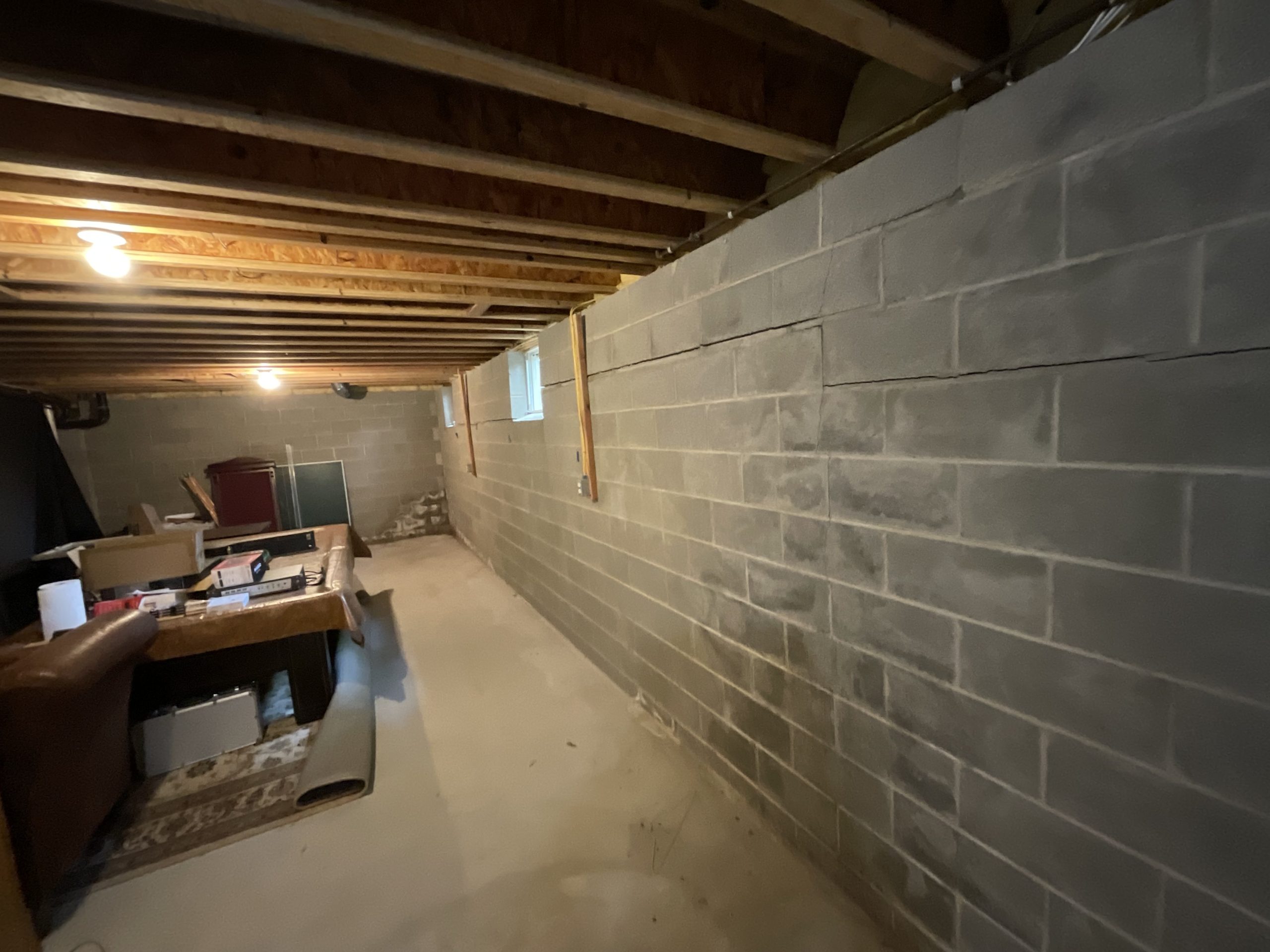
Foundation inspection shouldn’t be overlooked either. Pay close attention to the state of your basement’s foundation. Cracks can let in water, creating a damp environment perfect for mold growth.
But don’t panic if you find a crack – not all are problematic. Small, hairline cracks are fairly normal in most homes.
However, if you notice large cracks or ones that are growing over time, it’s best to call in a professional.
Implementing Moisture Control
After you’ve thoroughly inspected your basement, the next step is to implement moisture control strategies. Moisture barriers and drainage solutions are key factors in maintaining a dry basement.
Consider installing moisture barriers that act as shields against dampness. These barriers, typically made of plastic or foil sheeting, prevent moisture from making its way through your home’s walls and floors. They’re essential for basements below ground level where dampness is more likely to occur.
Drainage solutions are equally important. Good drainage prevents water from pooling around your home’s foundation and seeping into your basement. You might want to install a French drain or sump pump, or simply verify your home’s gutters and downspouts are in good working order.
| Maintenance Tip | Why It’s Important | How Often to Do It |
|---|---|---|
| Install moisture barriers | They prevent dampness from seeping through walls and floors | As needed |
| Implement drainage solutions | They prevent water from pooling around your house and seeping into your basement | As needed |
| Inspect gutters and downspouts | They direct water away from your home | At least twice a year |
| Check and maintain sump pump | It pumps water away from your home | At least once a year |
Frequently Asked Questions
What Materials Can Help Absorb Moisture in a Basement?
You’ve got a few solid options to help absorb moisture in your basement.
Consider investing in a quality dehumidifier. There’s a wide range of dehumidifier options designed specifically for basements.
Alternatively, you could install moisture barriers. These are sheets of plastic or foil that help prevent moisture from seeping into your basement.
But remember, it’s not just about buying these materials, you’ve got to use them effectively too.
How Does Climate Affect Basement Humidity Levels?
Climate greatly impacts your basement’s humidity levels. In humid climates or seasons, moisture can seep into your basement, raising the humidity level. You’ll notice this especially in the summer.
To combat this, consider installing a ventilation system. It’ll help circulate air and reduce dampness.
Additionally, use a humidity control device. It’ll maintain a comfortable humidity level, keep your basement dry, and prevent the growth of mold and mildew.
Can Plants Help in Reducing Basement Humidity?
Yes, plants can help reduce basement humidity.
Selecting the right plants, like Boston ferns or English ivy, which thrive in damp conditions and absorb moisture from the air, can be a natural method of humidity control.
However, you’ll need to balance this with proper ventilation to guarantee it doesn’t become too damp for the plants.
What Are Signs of Mold From Humidity in My Basement?
You’ll notice signs of mold from humidity in your basement if you see dark spots on walls or floors, or smell a musty odor.
Peeling paint and warped surfaces can also indicate mold growth.
To combat this, you’ve got to focus on mold prevention and humidity control.
Use dehumidifiers, guarantee good ventilation, and consider waterproofing.
It’s vital to tackle humidity issues promptly to prevent further mold growth.
What Types of Insulation Are Best for Damp Basements?
When dealing with a damp basement, you’ll want to take into account insulation that’s resistant to moisture.
Spray foam is a great choice as it not only insulates, but also seals leaks and gaps.
Rigid board insulation is another option. It’s durable and resistant to water damage.
However, you’ll need to guarantee it’s properly installed to avoid any moisture buildup.
Always remember, the right insulation can help maintain your basement’s dryness and prevent mold growth.
Conclusion
So, you’ve learned how crucial it is to manage humidity levels and guarantee good ventilation in your basement. You now know the importance of choosing an energy-efficient dehumidifier, waterproofing your walls, and having a working gutter and drainage system. Don’t forget to take into account a sump pump for extra protection. With these tips, you’re well on your way to maintaining a dry, comfortable basement even during the most humid summers. Keep up with regular maintenance and stay dry!
For more than a decade, we have been the go-to waterproofing and related services provider for homeowners across New Jersey. Our reputation has been built on a foundation of delivering exceptional workmanship and top-notch customer service to each and every one of our valued clients.
We truly understand the significance of your home to you and your family, as well as the importance of the services we offer in safeguarding your home. That’s why we take our responsibilities seriously and never compromise on the quality of our work. Our commitment to your satisfaction is unwavering, and we go above and beyond to ensure that you are completely content with every aspect of the job we perform.
When it comes to protecting your home, trust is of utmost importance. At our professional New Jersey Waterproofing Company, we prioritize the well-being of your basement and ensure it remains shielded from any harmful moisture damage, regardless of the job’s size. Whether you require waterproofing, mold remediation, or even foundational or structural repairs, we are always ready and eager to take on any challenge.
Our singular focus is your happiness, and we leave no stone unturned in achieving it. If you are searching for a trustworthy New Jersey waterproofing company to safeguard your home, look no further. Contact us today and experience firsthand what sets us apart from the competition. Your home’s protection is our major priority, and we are here to serve you with dedication and expertise.