Have you ever considered how waterproofing can guard your home against foundation cracks? It’s not just about keeping the interiors dry, but about creating a barrier against moisture, reducing the risk of structural damage. Imagine your property value preserved, your safety ensured, and the stress of potential water-related issues off your plate. Now, wouldn’t you want to know more about how this simple yet crucial step can make that significant difference?
Key Takeaways
- Waterproofing creates barriers that prevent moisture, a key cause of foundation cracks, from infiltrating the structure.
- Effective drainage systems, part of waterproofing, minimize soil saturation and subsequent movement leading to cracks.
- Waterproof coatings and sealants fill existing cracks, preventing further water intrusion and damage.
- Compliance with building codes for waterproofing can help maintain the structural integrity and prevent foundation cracks.
- Regular inspections and maintenance of waterproofing systems are essential for early detection and prevention of potential cracks.
Understanding Foundation Cracks
Peering into the dark depths of your basement, you might find something unexpected: foundation cracks. These signs of damage are often caused by soil movement, which can compromise your home’s structural integrity. This can occur due to a variety of factors, including poor drainage systems, high moisture levels, and seasonal changes.
Soil movement, the primary cause of cracks, can be triggered by changes in the moisture content of the soil surrounding your home. Inadequate drainage systems can lead to water buildup, increasing soil moisture levels and causing the soil to expand. Conversely, during dry seasons, the soil contracts, leading to foundation settling.
Seasonal changes also play a significant role. The freeze-thaw cycle during winter can cause the soil to expand and contract, leading to further soil movement. Over time, this constant shifting can cause cracks to form in your foundation.
Spotting these cracks early is crucial to maintaining the structural integrity of your home. Ignoring them can lead to serious damage, as water can seep through the cracks, further exacerbating the problem.
Importance of Waterproofing
Often, homeowners overlook the importance of waterproofing their foundations. It’s far more critical than you might think. Without proper waterproofing, your home is exposed to potential water damage. It’s not just about avoiding puddles in your basement. It’s about maintaining the structural integrity of your home.
Waterproofing is pivotal in moisture control. Without it, soil saturation can lead to hydrostatic pressure on your foundation, creating cracks over time. By investing in waterproofing, you’re actually investing in preventive measures to keep these issues at bay.
Drainage solutions also play a crucial role in waterproofing. They help manage water runoff, reducing the risk of water pooling around your foundation which can also contribute to soil saturation.
Moreover, building codes often require waterproofing for good reason. It’s not just about adhering to rules. It’s about ensuring your home is safe and secure.
Climate considerations are also vital. In areas with high rainfall or snowfall, waterproofing becomes even more essential. It can help protect your home from the extra moisture these climates bring.
In short, don’t ignore the importance of waterproofing. It’s a pivotal step in safeguarding your home’s foundation.
How Waterproofing Prevents Cracks
Before you go any further, it’s crucial to understand how waterproofing can actually help prevent foundation cracks.
By exploring different methods of waterproofing, you’ll see the integral role it plays in maintaining the integrity of your building.
Ignoring this vital step in construction could lead to dangerous foundation cracks, so let’s get started!
Waterproofing Methods Explored
To protect your home from the detrimental effects of moisture, exploring waterproofing methods is a must. Among the available options, spray foam and liquid membranes stand out for their ease of application and effectiveness. These materials form a continuous barrier against water, preventing it from seeping into the foundation.
Drainage systems, on the other hand, redirect water away from your home. This method combined with vapor barriers, can effectively manage moisture.
Waterproof coatings and sealant options add an extra layer of protection, filling in cracks and gaps where water can infiltrate.
Foundation wraps, made from durable geotextile fabrics, are wrapped around the foundation to ward off moisture. For more comprehensive protection, exterior membranes can be applied to the foundation’s exterior walls, forming a waterproof barrier.
Sump pumps play a vital role too, pumping out accumulated water from your basement. These devices work in tandem with other waterproofing methods to maintain a dry and protected foundation.
Ultimately, the type of waterproofing method you choose depends on your home’s specific needs. But remember, a well-executed waterproofing strategy is key to preventing foundation cracks and preserving your home’s structural integrity.
Dangers of Foundation Cracks
Cracks in the foundation of your home are more than just unsightly blemishes; they’re silent harbingers of potential disaster.
As a homeowner, you must recognize the dangers associated with foundation cracks and take preventive measures, such as waterproofing, to mitigate them.
Foundation cracks pose serious threats. Here’s how:
- Crack Progression: Minor cracks may seem harmless, but they can quickly evolve into major fissures, compromising the structural integrity of your home.
- Moisture Intrusion: Cracks allow moisture to seep into your home, leading to mold and mildew growth, which can trigger health issues and increase repair costs.
- Soil Movement and Drainage Issues: Cracks can lead to soil movement, causing severe drainage issues, which can further damage the foundation.
- Climate Effects: Changes in climate can exacerbate crack progression, affecting your home’s value and safety.
The process of waterproofing can help address these issues by preventing moisture intrusion and reducing the impact of soil movement.
It’s a proactive way to maintain your home’s structural integrity, preserve its value, and save on potential repair costs.
Types of Waterproofing Techniques
You’ve understood why waterproofing is crucial for preventing cracks.
Now let’s look at the different ways you can achieve it with the types of waterproofing techniques.
We’ll explore interior methods, exterior techniques, and the variety of materials you can choose from for your project.
Interior Waterproofing Methods
Countless homeowners face the challenge of dealing with foundation cracks and water damage. One effective way to combat this issue is through interior waterproofing. As part of your home maintenance, it’s essential to understand the various techniques involved.
One of the most common interior waterproofing methods is the installation of an interior drainage system. This involves placing a drain inside your basement that collects water and channels it away from the foundation.
Moisture barriers are another highly effective way to keep your basement dry. They’re typically installed on the interior walls of your basement to prevent moisture from penetrating through.
You could also consider the use of sump pumps. These devices are designed to pump water away from your home, reducing the risk of water damage and humidity.
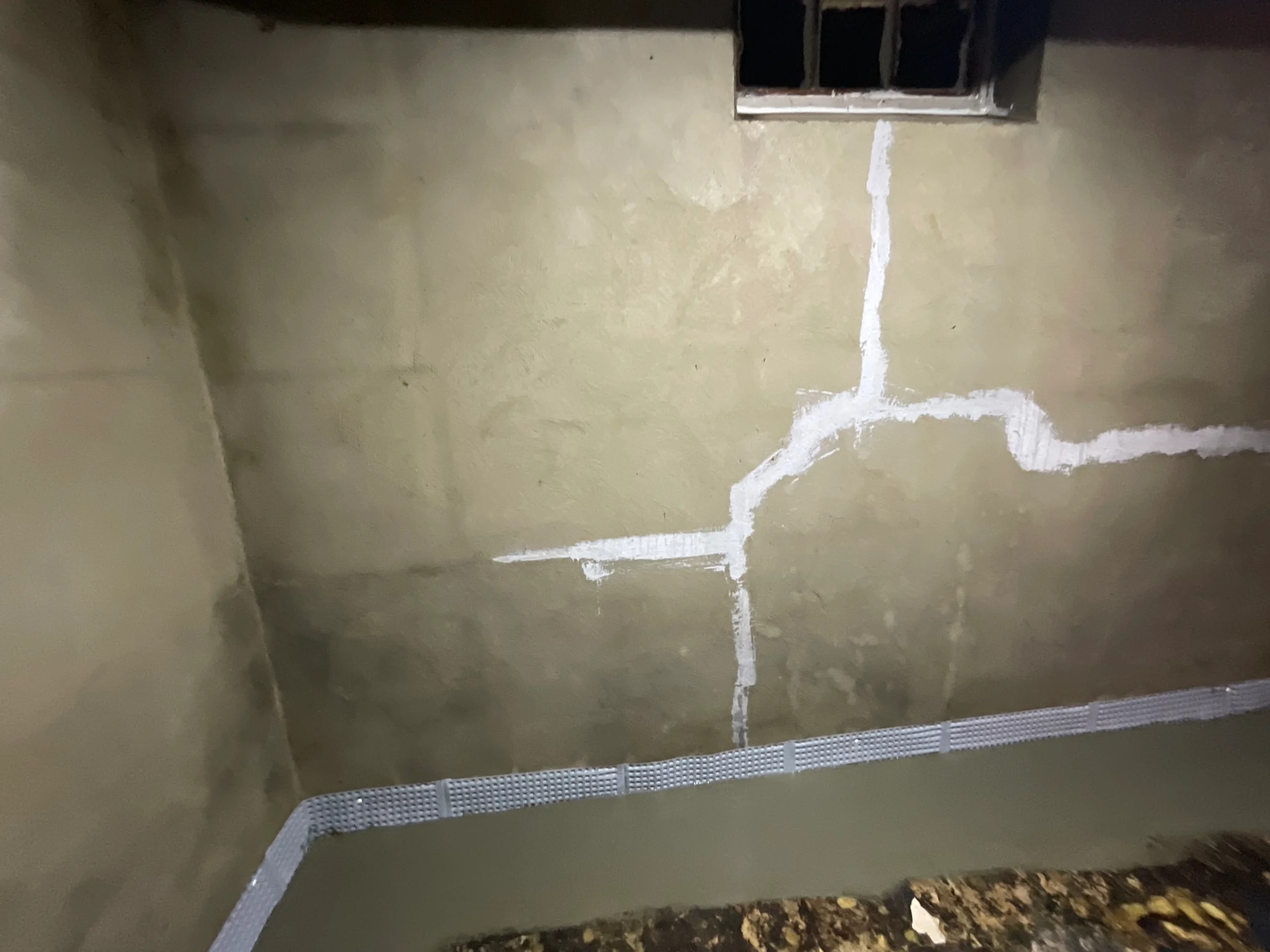
Lastly, wall coatings and crack injections can be applied to the interior of your foundation walls. These not only seal up any existing cracks but also provide a waterproof barrier to prevent future damage.
- Interior Drainage
- Moisture Barriers
- Sump Pumps
- Wall Coatings and Crack Injections
Exterior Waterproofing Techniques
While interior methods can effectively manage water intrusion, it’s equally important to look at exterior waterproofing techniques as part of your home protection strategy. Focusing on the exterior offers a first line of defense against water damage. It’s here where drainage systems and managing soil moisture play crucial roles.
Firstly, consider your home’s drainage systems. These work to divert water away from your property, preventing it from seeping into your foundation. Gutters, downspouts, and proper grading are all part of an effective drainage system. You’ll want to ensure they’re functioning correctly.
Are gutters clear of debris? Are downspouts directing water away from your home? Is the landscape graded so water flows away from the foundation? Answering these questions will help you identify potential weaknesses.
Next, think about soil moisture. The type of soil around your property can impact how water is absorbed. Clay soil, for instance, retains more water while sandy soil allows for better drainage.
If your soil retains too much water, it can put pressure on your foundation, leading to cracks. Adjusting landscaping or installing a French drain can help manage soil moisture.
Waterproofing Material Choices
Navigating the maze of waterproofing materials can seem daunting, but understanding your options will help you make the best choice for your home.
Let’s dive into the world of membrane types, sealant options, drainage systems, and application techniques.
- Membrane Types: These come in liquid and sheet forms.
Liquid membranes are applied like paint, while sheet membranes are rolled onto surfaces.
Liquid membranes are generally more durable but can be challenging to install.
- Sealant Options: Sealants like acrylic, silicone, and polyurethane offer different levels of protection.
Silicone sealants are generally more expensive but offer better water resistance and durability.
- Drainage Systems: Proper drainage is crucial to preventing foundation cracks.
French drains and sump pumps are common choices.
Your choice will depend on your home’s specific needs and environmental impact considerations.
- Application Techniques: Waterproofing can be applied externally or internally.
External application offers more comprehensive protection but can be more expensive and challenging to install.
Choosing the Right Waterproofing
In the world of home repairs, choosing the right waterproofing can feel like a monumental task. However, with a little knowledge on waterproofing materials and application techniques, you can save your home from the costly damage foundation cracks can cause.
The type of waterproofing you need largely depends on the structure and condition of your home. Start by assessing the area that needs to be waterproofed. This will guide you in selecting the right waterproofing materials.
There are several types to choose from, including liquid waterproofing membranes, cementitious waterproofing, and bituminous coating. Each has its own advantages and unique properties that work best in different situations.
Understanding application techniques is equally important. You don’t want to just slap on a coat of waterproofing material and hope for the best. Different materials require different application methods for optimal efficiency.
Some may need a brush, a roller, or a trowel. Others might require a spray application.
Cost-Effectiveness of Waterproofing
Considering waterproofing for your home might seem like a major expense upfront. However, it’s crucial to consider the long-term savings this investment can offer. High repair costs for foundation cracks can drain your wallet over time.
Waterproofing, in contrast, aids in maintaining your home value and ensuring property longevity.
Let’s delve into the cost-effectiveness of waterproofing in four key areas:
- Long-Term Savings: By preventing foundation damage, waterproofing can save you thousands in would-be repair costs.
- Home Value: A waterproofed home is a well-protected home. This is a selling point that can significantly boost your home value in market trends.
- Insurance Benefits: Some insurance companies may offer lower premiums for homes with waterproofing systems, recognising their role in preventing costly damage.
- Environmental Impact and Returns: Waterproofing helps reduce moisture-related issues like mold, contributing to a healthier environment. This factor, coupled with a higher resale value, can lead to excellent investment returns.
Professional Vs DIY Waterproofing
Choosing between professional and DIY waterproofing often involves a tug-of-war between cost and quality. A professional assessment guarantees a comprehensive evaluation of your home’s waterproofing needs. This comes with a higher cost, but the long term benefits include peace of mind and prevention of expensive future repairs.
Alternatively, DIY techniques can offer substantial cost savings. Your time investment and skill level, however, will dictate the project’s success. Waterproofing isn’t a task you can rush; it requires patience, precision, and knowledge.
Conduct a thorough cost comparison before you decide. Factor in the price of materials, your time, and the potential risks associated with DIY. Missteps can lead to greater issues down the line, which could end up costing more than a professional service.
Consider the project complexity too. Simple tasks may be within your skill level, but complex projects might demand professional expertise. Remember, an inadequately waterproofed foundation can lead to cracks and other structural problems.
In the end, whether you choose professional or DIY waterproofing, the goal is to protect your home’s foundation efficiently and effectively. Consider all the factors before making your decision. It’s not just about cost; it’s about the quality of the job and the long-term benefits too.
Waterproofing Maintenance Tips
Your home’s waterproofing system needs regular maintenance to continue efficiently protecting your foundation.
The best way to ensure your foundation remains crack-free is by continually checking and maintaining your waterproofing products. They’re designed to create moisture barriers that protect your foundation, but they can deteriorate over time.
Here are four tips that could help you maintain your waterproofing system:
- Seasonal Inspections: Inspect your foundation drainage and sump pumps seasonally. This will allow you to detect any potential issues early and apply appropriate repair techniques.
- Soil Grading: Regularly check the soil grading around your home. Good soil grading helps prevent water from pooling near your foundation.
- Humidity Control and Construction Materials: Use dehumidifiers in your basement and choose construction materials that resist moisture. This helps control the humidity level and safeguards your foundation.
- Landscaping Strategies: Consider landscaping strategies that facilitate proper water flow away from your home, such as installing French drains.
Case Studies: Waterproofing Success Stories
While it may seem daunting to undertake a waterproofing project, there are countless success stories that can inspire confidence. Let’s delve into some real-life examples.
Just consider the Smith family from Kansas. They were struggling with a perpetually damp basement, but after a successful project involving the application of a waterproofing membrane and installing a drainage system, they no longer fear rainstorms. Their basement is now perfectly dry, and their home’s foundation remains crack-free.
Then there’s the case of the Johnson apartment complex in Florida. They were dealing with some serious foundation cracks due to poor initial waterproofing. However, after a professional waterproofing company stepped in, they managed to rectify the issue completely. They not only repaired the existing cracks but also implemented a comprehensive waterproofing system.
The result? A safe and secure building that’s free from any water-related issues.
These successful projects should reassure you. Waterproofing, when done correctly, can be a game changer. It can keep your foundation intact, increase the durability of your building, and provide a healthier living environment.
Frequently Asked Questions
What Are the Early Signs of Foundation Damage?
Early signs of foundation damage can sneak up on you.
You’re likely to spot small cracks, often the first hint. It’s crucial you don’t ignore them.
Noticing doors or windows that don’t close properly? That’s another vital clue.
Changes in soil moisture levels can cause foundation movement, leading to these symptoms.
So, keep an eye out, and get crack diagnosis done promptly if your home starts showing these signs.
Prevention is always better than cure.
Does Homeowners Insurance Cover Foundation Cracks?
Generally, homeowners insurance doesn’t cover foundation cracks.
Most insurance policies specifically exclude coverage for issues due to neglect or lack of maintenance. You’re expected to regularly check and maintain your home, including the foundation.
However, if the cracks are caused by a covered peril, like a fire or a tornado, you’d likely be covered up to your policy’s limits.
Always review your policy’s specifics to understand what’s included and excluded.
How Long Does a Waterproofing Treatment Typically Last?
You’re probably wondering how long a waterproofing treatment might last.
Typically, the lifespan of waterproofing can range between 10 to 25 years, depending on the quality and type of treatment applied.
However, it’s not a one-and-done deal. You’ll need to maintain it regularly to ensure its effectiveness.
Are There Any Environmental Impacts of Waterproofing?
Yes, there are environmental impacts of waterproofing. The production and disposal of waterproofing materials can contribute to pollution.
However, you’re also preventing potential water damage and mold growth, which can negatively affect your indoor air quality.
So, while there’s an environmental cost, there’s also a health benefit for you.
It’s important to choose environmentally-friendly waterproofing products and apply them responsibly to minimize the impact.
Can Waterproofing Increase the Value of My Home?
Yes, waterproofing can indeed boost your home’s value.
When you waterproof, you’re not just protecting your foundation from potential cracks, you’re adding a layer of security that’s highly valued in the real estate market.
This can have positive resale implications as buyers often look for homes with preventative measures in place.
Thus, the initial cost of waterproofing may be offset by a higher value assessment of your home.
Conclusion
So, you see, waterproofing is key in preventing foundation cracks. By managing water accumulation, it reduces pressure that could crack your foundation. Not only does it safeguard your home’s structural integrity, but it also wards off mold and other water-related damages. With the right waterproofing method, you’re investing in the long-term value and safety of your property. Don’t overlook the importance of regular maintenance and expert advice. It’s an investment that truly pays off!
For more than a decade, we have been the go-to waterproofing and related services provider for homeowners across New Jersey. Our reputation has been built on a foundation of delivering exceptional workmanship and top-notch customer service to each and every one of our valued clients.
We truly understand the significance of your home to you and your family, as well as the importance of the services we offer in safeguarding your home. That’s why we take our responsibilities seriously and never compromise on the quality of our work. Our commitment to your satisfaction is unwavering, and we go above and beyond to ensure that you are completely content with every aspect of the job we perform.
When it comes to protecting your home, trust is of utmost importance. At our professional New Jersey Waterproofing Company, we prioritize the well-being of your basement and ensure it remains shielded from any harmful moisture damage, regardless of the job’s size. Whether you require waterproofing, mold remediation, or even foundational or structural repairs, we are always ready and eager to take on any challenge.
Our singular focus is your happiness, and we leave no stone unturned in achieving it. If you are searching for a trustworthy New Jersey waterproofing company to safeguard your home, look no further. Contact us today and experience firsthand what sets us apart from the competition. Your home’s protection is our major priority, and we are here to serve you with dedication and expertise.