You’ve probably seen a waterproofing contractor at work, but have you ever wondered what goes on behind the scenes? It’s not just about slapping on a coat of waterproof paint. There’s an extensive process involving property assessment, surface preparation, and meticulous application of waterproofing techniques. But the job doesn’t end there. What about safety planning and ongoing maintenance? Let’s pull back the curtain and explore what a day in the life of a waterproofing contractor really looks like. The insights might surprise you.
Key Takeaways
- Waterproofing contractors conduct initial consultations to assess properties and identify waterproofing solutions based on observed issues.
- They identify potential water sources and structural vulnerabilities, like cracks, damaged seals, and poor drainage, for effective waterproofing.
- Contractors prepare surfaces by cleaning and applying primer before applying the waterproofing product, ensuring even coverage for maximum effectiveness.
- They use specialized tools and materials like moisture meters, masonry tools, brushes, and rollers to apply waterproofing substances effectively.
- Contractors prioritize safety planning, including PPE usage, fall hazard awareness, and regular safety training, and conduct post-application inspections for maintenance.
 Understanding Waterproofing Basics
Diving into the heart of waterproofing, it’s essential for you to grasp the basics. At its core, waterproofing is all about making structures resistant to water damage. It’s a significant process in construction, especially in areas prone to heavy rainfall or flooding.
There are different types of waterproofing, each with its unique applications. There’s cementitious waterproofing, often used in internal areas like bathrooms. You’ve got liquid waterproofing, which is versatile and can be applied to a variety of surfaces. Bituminous waterproofing is a popular choice for low-sloped roofs due to its resistance to harsh weather conditions.
It’s not just about the type of waterproofing, but also about the application. It’s a meticulous process, requiring a keen eye and expert hand. Surface preparation is imperative – any cracks or holes in the structure must be filled and smoothed before the waterproofing material is applied.
Don’t underestimate the importance of hiring a professional waterproofing contractor. They’ve the skills and knowledge to guarantee the job is done right.
Initial Consultation and Inspection
Now, let’s discuss the initial consultation and inspection phase.
This stage is essential because it’s when the contractor assesses your property and identifies potential waterproofing solutions.
A thorough inspection is key to determining the best course of action for your project.
Understanding the Initial Consultation
When hiring a waterproofing contractor, the initial consultation and inspection are essential steps to guarantee your property gets the best care. This is your chance to discuss your concerns, expectations, and to learn about the contractor’s approach.
It’s a two-way conversation where you get to ask questions and they get to assess the situation.
During the initial consultation, you’ll provide information about the specific problems you’ve noticed, such as water stains, mold, or dampness. You’ll also share any past waterproofing attempts and their outcomes.
It’s important to be as detailed as possible to help the contractor understand your situation.
The contractor, in turn, will explain their process, including the tools and techniques they use. They’ll go over the potential solutions to your problem, without going into too much detail.
That’s for later stages. They’ll also talk about their team, experience, and credentials. It’s your right to know who’ll be working on your property.
Importance of Thorough Inspection
Following the initial consultation, a thorough inspection becomes the cornerstone of the waterproofing process. It’s here that your contractor gets to the heart of the matter, identifying problematic areas, pinpointing the source of any leaks or dampness, and evaluating the overall condition of your structure.
Think of it like a doctor’s check-up for your building. It’s not merely a cursory glance, but a detailed investigation, scrutinizing every nook and cranny, every pipe and drain, every wall and floor.
The contractor will look beyond surface-level issues, delving into the foundation and structure of your property to uncover any hidden problems. It’s an all-important step that can’t be skipped or rushed through.
You might wonder, “Why such an intense examination?” Well, without this, you’re merely treating symptoms, not solving the root cause.
It’s this detailed inspection that allows the contractor to design a waterproofing solution tailored specifically to your building’s needs. It guarantees that you’re investing in a solution that’s preventative, not just reactive.
Potential Waterproofing Solutions
Several potential waterproofing solutions might emerge from your contractor’s initial consultation and inspection.
It’s not a one-size-fits-all process. In fact, the solution that works for your neighbor mightn’t work for you. That’s because each building has unique characteristics, and these must be taken into account to develop the most effective waterproofing strategy.
Your contractor might recommend external waterproofing if your home is prone to excessive groundwater. This method involves applying a waterproof coating or membrane to your home’s exterior walls. It’s labor-intensive and often requires excavation, but it’s highly effective at keeping water out.
If you’re dealing with high humidity levels inside your home, internal waterproofing could be your best bet. This process focuses on keeping water that has already entered your home from causing damage. It might involve installing a vapor barrier or a water management system, like an interior French drain system.
Lastly, your contractor might recommend a combination of both methods. The goal here is to create an all-encompassing barrier that prevents water from entering or damaging your property.
Identifying Potential Water Sources
Before starting any waterproofing work, it’s essential for you to identify potential water sources. This is a critical step in the process as it helps to tailor the waterproofing solutions to the specific problems you’re facing.
- Rainfall: Check how rainwater is managed around your property. Are your gutters and downspouts directing water away from your foundation? If not, they could be a potential source of water ingress.
- Groundwater: High groundwater levels can cause water to seep into your basement. You can assess this by looking at the moisture levels in your soil, or if you’ve noticed water pooling in your yard after a heavy rain.
- Internal leaks: Plumbing problems or leaks from appliances can cause water damage. Regularly inspect your pipes, especially in places like the bathroom and kitchen, and check your appliances for any signs of leakage.
- Condensation: This can occur when warm, moist air comes into contact with cooler surfaces, like walls and windows. If there’s a lot of condensation in your home, it can lead to dampness and mold.
Evaluating Structural Vulnerabilities
Once you’ve identified potential water sources, it’s vital to evaluate your property for any structural vulnerabilities. These may include cracks in the walls, broken seals around windows and doors, or even poorly installed drainage systems. Each of these vulnerabilities can allow water to penetrate your building, causing damage and potential health hazards.
In your evaluation, it’s important to reflect not just the current condition of your structure, but also how it may change over time due to aging and weathering. This is where a professional waterproofing contractor can provide valuable insight. They’ll be able to predict future vulnerabilities and advise on preventative measures.
Here’s a quick guide to help you recognise common structural vulnerabilities:
| Vulnerability | Description |
|---|---|
| Cracks in walls | Small fissures may allow water to seep in |
| Damaged seals | Broken or worn out seals around windows and doors can let in moisture |
| Poor drainage | Water pooling near your property can lead to dampness |
| Aging construction | Older buildings often have more vulnerabilities |
| Weathering | Environmental factors can gradually wear down your property’s defenses |
Understanding structural vulnerabilities is an important step towards ensuring your property stays dry and damage-free.
Formulating a Waterproofing Plan
Now that you’ve identified potential structural vulnerabilities, it’s crucial to devise a waterproofing plan. This plan will be your roadmap to a dry and safe building. It should outline the procedures and steps you’ll take to guarantee that water damage is prevented or mitigated.
- Identify the Source: You can’t effectively waterproof a structure without first identifying all potential sources of water intrusion. This can be from above (like rain) or below (like groundwater).
- Choose the Right Method: There are different waterproofing techniques available, each suited to different situations. These can range from coatings and membranes to sealants and drainage systems.
It’s vital to choose the method that’s best suited to your identified vulnerabilities.
- Plan for Safety: Waterproofing can be a hazardous work, involving chemicals and potentially risky areas like roofs or basements. Your plan should include safety measures to protect you and anyone else involved in the work.
- Maintenance and Future Prevention: Once the waterproofing is in place, it’s not a set and forget situation. Your plan should include regular maintenance checks, and preventative measures to avoid future water intrusion.
Tools and Materials Used
Diving into a waterproofing project requires the right tools and materials. As a waterproofing contractor, you need more than just a bucket and brush. You’re going to work with a range of specialized tools to guarantee a job well done.
Let’s start with the basics. A moisture meter helps you determine the extent of water penetration in walls and floors. Then, you’ve got your masonry tools such as trowels and joint rakers for working with cement.
Brushes and rollers are essential for applying waterproofing substances, while a strong, reliable pressure washer can clean surfaces before application.
Next, there are the materials. You can’t waterproof a surface without the right substance. Waterproofing membranes are a popular choice, and they come in various types like liquid, sheet-based, or cementitious products.
Sealants and fillers are used to close gaps and cracks, preventing water infiltration. You might also need reinforcement fabrics to strengthen the application.
Lastly, safety gear is a must. You’ll need gloves, goggles, and perhaps even a respirator, depending on the materials you’re working with.
The Waterproofing Application Process
Every waterproofing job is unique, but there’s a general process you’ll typically follow. At its core, it’s about preparing the surface, applying the waterproofing product, and then allowing it to cure. But let’s break it down further.
- Surface Preparation: You’ll start by cleaning the area to remove any dirt, debris or loose materials. This could involve scrubbing, pressure washing, or even sandblasting.
The goal is to have a clean, dry surface for the waterproofing product to adhere to.
- Primer Application: Depending on the product, a primer might be necessary to enhance adhesion. You’ll apply it evenly, following the manufacturer’s instructions, and then allow it to dry fully.
- Waterproofing Product Application: Next, you’ll apply the waterproofing product. It could be a paint, a sealant, or a membrane, but the method of application will depend on the product.
Make sure to apply it evenly and cover all areas.
- Curing: Finally, you’ll need to let the product cure. This could take hours or even days, depending on the product and the conditions.
Post-Application Inspections and Maintenance
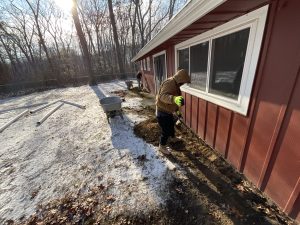 Once your waterproofing product has cured, it’s vital to conduct regular inspections and engage in proper maintenance to guarantee its longevity. This isn’t merely a one-and-done process.
Regular check-ups, especially after severe weather conditions, can make all the difference in preserving your waterproofing investment.
You’re looking for any signs of damage or wear and tear, such as cracks or peeling. Pay attention to any areas where water may be pooling, as these could indicate a problem with drainage. If you notice anything unusual, it’s important to address these issues promptly. Minor repairs now can prevent major headaches down the line.
Maintenance can include clearing debris from your drainage systems and checking seals for any deterioration.
It’s also a good idea to reapply a protective sealant periodically, as this can wear away over time. This helps maintain the integrity of your waterproofing system and extend its lifespan.
Benefits of Hiring a Professional
While maintaining your waterproofing system can certainly be done on your own, there’s undeniable value in entrusting this task to a professional.
- Expertise: Professionals have the training and experience to identify and address waterproofing issues that you might miss. They know the best materials to use, the most effective techniques, and how to adapt to any situation.
- Time Efficiency: Doing it yourself may seem cost-effective, but it could take up more of your time than you realize. Professionals can get the job done quickly and efficiently, saving you time and hassle.
- Long-Term Savings: You might balk at the initial cost, but hiring a professional can save you money in the long run. If you attempt to do it yourself and make a mistake, the repair costs could be far greater.
A professional’s work also tends to last longer, reducing the need for frequent maintenance.
- Guarantee: Most professionals stand by their work and offer warranties. If something goes wrong within the warranty period, they’ll fix it at no additional charge.
So, that’s the lowdown on what a waterproofing contractor really does. From evaluating your property for water sources and structural weak spots, to formulating an effective plan and executing it with utmost care. They use specialized tools and materials, ensuring your home is safe from water damage. And don’t forget, they provide regular inspections and maintenance. Hiring a professional isn’t just convenient, it’s a smart choice for long-lasting protection.
For more than a decade, we have been the go-to waterproofing and related services provider for homeowners across New Jersey. Our reputation has been built on a foundation of delivering exceptional workmanship and top-notch customer service to each and every one of our valued clients.
We truly understand the significance of your home to you and your family, as well as the importance of the services we offer in safeguarding your home. That’s why we take our responsibilities seriously and never compromise on the quality of our work. Our commitment to your satisfaction is unwavering, and we go above and beyond to ensure that you are completely content with every aspect of the job we perform.
When it comes to protecting your home, trust is of utmost importance. At our professional New Jersey Waterproofing Company, we prioritize the well-being of your basement and ensure it remains shielded from any harmful moisture damage, regardless of the job’s size. Whether you require waterproofing, mold remediation, or even foundational or structural repairs, we are always ready and eager to take on any challenge.
Our singular focus is your happiness, and we leave no stone unturned in achieving it. If you are searching for a trustworthy New Jersey waterproofing company to safeguard your home, look no further. Contact us today and experience firsthand what sets us apart from the competition. Your home’s protection is our major priority, and we are here to serve you with dedication and expertise.