
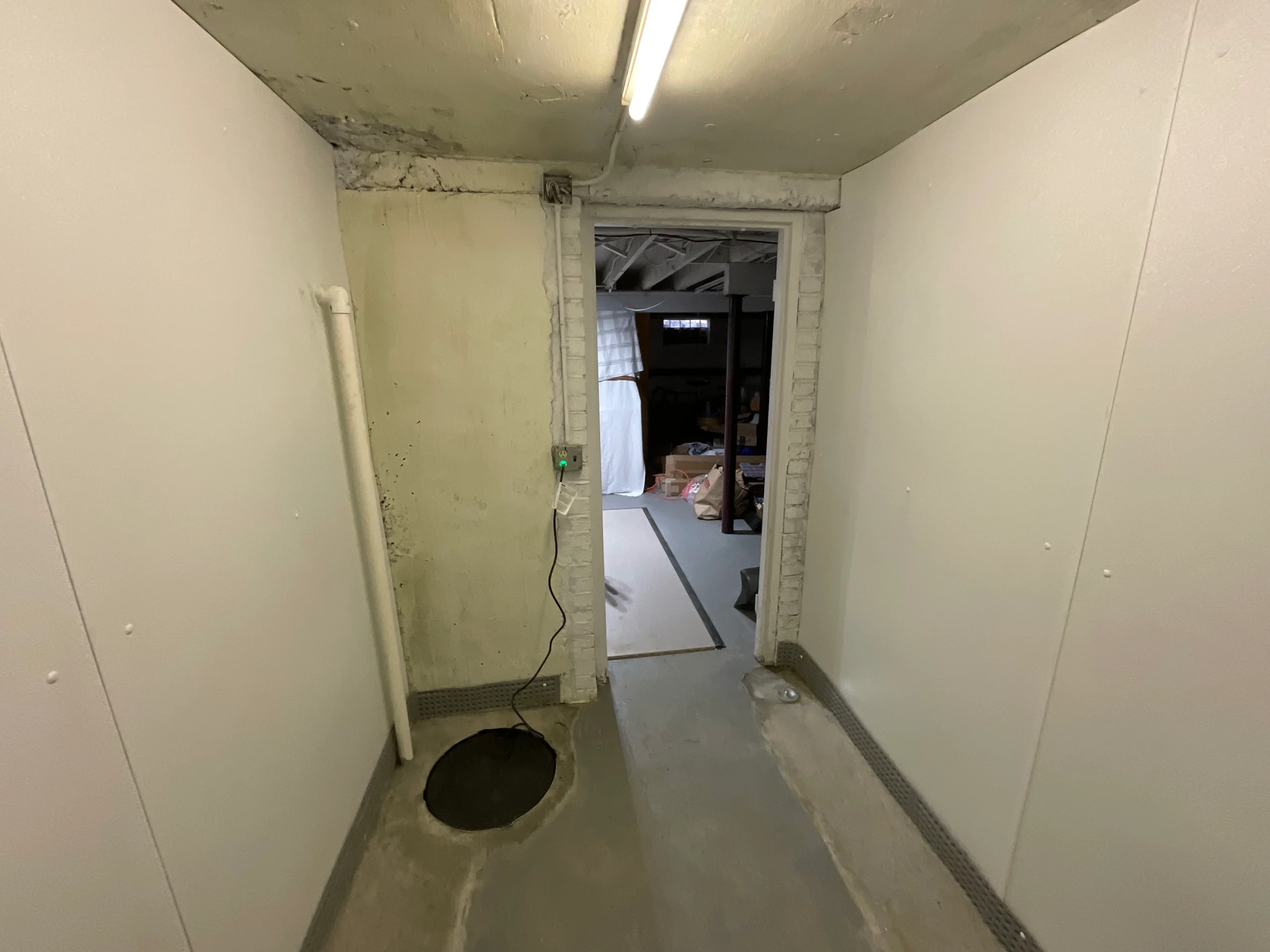
If you have noticed cracks forming in your walls, doors that suddenly stick, or floors that feel uneven, you are not alone. Many homeowners assume any shift in the home is “just settling,” but there are two very different forces that can move a foundation, and they often require very different solutions: settlement and heave.
Settlement happens when the soil under a home compresses or weakens and the foundation sinks. Heave is the opposite, the soil expands or pushes upward, lifting parts of the foundation. Both can cause structural problems, and both can get worse when the underlying cause is ignored.
The good news is that foundation movement is not a mystery when you know what to look for. In this guide, we will break down the differences between heave and settlement, the warning signs you can spot, and the repair approaches professionals use to stabilize a home for the long haul.
Key Takeaways
- Settlement means the foundation sinks because the soil can no longer support the load.
- Heave means the foundation lifts upward due to soil expansion, frost, or moisture-related pressure.
- Cracks alone do not tell the full story, the crack pattern, location, and movement over time matter.
- The right repair depends on the cause. The best results come from combining structural stabilization with moisture and drainage control.
- A professional evaluation can prevent costly guesswork and help you choose a repair that lasts.
What Is Foundation Settlement?
Foundation settlement occurs when the soil beneath your home compresses, shifts, erodes, or loses strength, causing part of the foundation to drop. This is one of the most common structural issues homeowners face, especially in areas with variable soil conditions, high groundwater, or older construction.
Why settlement happens
Settlement is usually tied to one or more of these root causes:
- Poorly compacted fill soil under the foundation
- Soil washout from improper grading, downspouts, or drainage problems
- Expansive soils that shrink during dry periods, leaving voids
- Organic soils that break down over time
- Plumbing leaks under slabs that soften the soil
Settlement is not always dramatic. In many homes, it starts subtly and slowly, then becomes more noticeable as doors shift, cracks widen, and floors slope.
What Is Foundation Heave?
Heave is upward movement. Instead of sinking, parts of the foundation lift, often unevenly. That uneven lift can be just as damaging as settlement, sometimes more so, because it can place the structure under unusual tension and cause cracking in different locations.
Why heave happens
Heave can occur for several reasons:
- Expansive clay soil swelling as moisture increases
- Frost heave when soil freezes and expands
- Hydrostatic pressure pushing on basement floors or foundation walls
- Improper backfill or drainage that saturates soil near the foundation
- Chemical reactions in certain soils (less common, but possible in specific regions)
Heave can show up after heavy rain seasons, snowmelt cycles, or repeated freeze-thaw patterns. In some homes, it is seasonal at first, then becomes more permanent if moisture management is never corrected.
Heave vs. Settlement: The Most Common Signs
Many foundation symptoms overlap, so it helps to look at patterns rather than a single clue.
Signs that often point to settlement
- Stair-step cracks in brick or block that widen over time
- Interior drywall cracks above doors and windows
- Doors that stick because the frame is twisting
- Noticeable floor slope toward one side or corner of the home
- Gaps between trim and flooring, or trim pulling away from the wall
- Exterior cracks near corners, especially where soil tends to dry out or wash away
Signs that often point to heave
- Cracks that appear in the middle of a slab floor
- Floor tiles popping or cracking, especially in a pattern
- Basement floors that feel raised, uneven, or “domed”
- Cracks where the basement floor meets the wall (cove joint)
- Sudden changes after heavy moisture, freezing temperatures, or spring thaw
- Bulging or pressure-related wall movement if moisture pressure is involved
One important note: a home can experience both settlement and heave in different areas. For example, the perimeter may settle while the center of a slab heaves upward due to moisture trapped under the floor.
The Role of Water: Why Moisture Is Often the Real Culprit
Whether a foundation moves down or up, water often plays a leading role.
- Too much water can weaken soil, increase pressure, and trigger heave.
- Too little water can shrink expansive soils, leaving voids that lead to settlement.
- Repeating cycles of wet and dry can make movement worse year after year.
This is why professional foundation repair often includes more than a structural fix. The most reliable long-term outcomes come when stabilization is paired with drainage correction, water control, and sometimes interior waterproofing systems.
How Professionals Confirm Heave or Settlement
A proper diagnosis is not based on guessing. Pros look at the whole structure and how it is behaving.
Common evaluation steps
- Visual inspection of cracks, wall movement, and floor conditions
- Measurements using levels or laser tools to map elevation changes
- Crack monitoring to determine whether movement is active
- Soil and moisture clues, such as grading issues, downspout discharge, or standing water
- Structural assessment of load-bearing points, beams, and foundation walls
This is also where homeowners benefit most from professional input. The same crack can mean very different things depending on the foundation type, soil conditions, and moisture exposure.
Repair Options for Settlement
When a foundation is sinking, the goal is to restore support and stop movement.
Underpinning with piers
One of the most reliable settlement repairs is underpinning, often using:
- Helical piers, commonly used when soil can support screw-in anchors
- Push piers, driven deeper to reach stable load-bearing strata
Piers transfer the home’s weight away from weak soil and into stronger layers below. This stabilizes the foundation and can sometimes lift settled areas closer to their original position, depending on the structure and conditions.
Structural reinforcement and wall stabilization
If settlement has contributed to wall cracking or bowing, additional structural repair may be needed, such as:
- Reinforcement systems that support weakened foundation walls
- Repairs to prevent cracks from worsening due to ongoing movement
Addressing the cause
Stabilization works best when paired with improvements like:
- Correcting grading so water flows away from the home
- Extending downspouts away from the foundation
- Improving drainage systems to reduce soil washout
Repair Options for Heave
When heave is the problem, simply pushing the foundation down is usually not the right move. The priority is controlling the forces causing expansion or pressure.
Moisture management and drainage correction
If expansive soil is swelling due to moisture, the long-term fix focuses on:
- Redirecting surface water away from the foundation
- Installing drainage solutions where water collects
- Managing groundwater and pressure near the structure
Basement floor and slab solutions
For slab or basement floor heave, professionals may recommend:
- Evaluating whether the heave is soil-driven, moisture-driven, or freeze-driven
- Repairing damaged slabs or sections only after moisture control is addressed
- Installing systems that reduce water pressure and humidity that contribute to recurring issues
Structural repair when pressure affects walls
If hydrostatic pressure is contributing to wall movement, structural repair may be needed along with drainage solutions. This is especially important in basements where water pressure and wall stress can create compounding problems.
Why DIY Fixes Often Fail for Heave and Settlement
It is tempting to patch cracks, repaint, or use quick filler products, but cosmetic repairs do not stop movement.
Here is what often happens with DIY-only approaches:
- The crack reappears because the foundation is still moving.
- The real cause, water, drainage, or soil issues, is never corrected.
- The damage progresses until the repair becomes more expensive and disruptive.
A professional approach is not just about fixing what you see, it is about correcting what is happening underneath your home.
Preventing Future Movement
Not every foundation problem can be prevented, but many can be reduced with smart maintenance.
Practical prevention steps
- Keep gutters clean and downspouts extended away from the foundation
- Maintain proper grading so water slopes away from the home
- Avoid overwatering landscaping near the foundation
- Watch for plumbing leaks and address them quickly
- Monitor humidity and moisture levels in basements and crawl spaces
- Schedule periodic inspections if you have a history of water intrusion or structural movement
These steps can make a real difference, especially when combined with professional recommendations tailored to your property.
Frequently Asked Questions
How can I tell if a crack is from settlement or heave?
The pattern and location matter. Settlement often shows stair-step cracks in masonry and sloping floors toward a settling area. Heave more often affects slab floors, causes tile cracking, or creates floor lifting. A professional evaluation is the safest way to confirm.
Is foundation movement always an emergency?
Not always, but it should never be ignored. Small movement can become larger movement. If cracks are widening, doors are shifting, or floors feel more uneven over time, it is time to act.
Can moisture problems cause both heave and settlement?
Yes. Expansive soils can swell when wet, causing heave, and shrink when dry, leaving voids that cause settlement. Poor drainage can also wash out soil and contribute to sinking.
Do piers fix heave?
Piers are primarily designed for settlement. If the issue is heave, the focus is typically on moisture control, pressure relief, and correcting the cause of the upward force.
Should I repair cracks before addressing the foundation issue?
Usually no. Crack repair is best handled after the foundation is stabilized. Otherwise, the crack can reopen and you end up paying twice.
Conclusion
Foundation heave and foundation settlement can look similar at first glance, but they are driven by different forces and require different repair strategies. The most important step is getting a clear diagnosis, because the wrong repair can waste time and money, and leave the real problem untouched.
If you are seeing signs of foundation movement, it is worth having the home evaluated by professionals who understand both foundation repair and structural repair, and who can also address the moisture and drainage conditions that often drive the damage. A properly stabilized foundation protects your home’s value, your safety, and your peace of mind for the long term.
For more than a decade, we have been the go-to waterproofing and related services provider for homeowners across New Jersey. Our reputation has been built on a foundation of delivering exceptional workmanship and top-notch customer service to each and every one of our valued clients.
We truly understand the significance of your home to you and your family, as well as the importance of the services we offer in safeguarding your home. That’s why we take our responsibilities seriously and never compromise on the quality of our work. Our commitment to your satisfaction is unwavering, and we go above and beyond to ensure that you are completely content with every aspect of the job we perform.
When it comes to protecting your home, trust is of utmost importance. At our professional New Jersey Waterproofing Company, we prioritize the well-being of your basement and ensure it remains shielded from any harmful moisture damage, regardless of the job’s size. Whether you require waterproofing, mold remediation, or even foundational or structural repairs, we are always ready and eager to take on any challenge.
Our singular focus is your happiness, and we leave no stone unturned in achieving it. If you are searching for a trustworthy New Jersey waterproofing company to safeguard your home, look no further. Contact us today and experience firsthand what sets us apart from the competition. Your home’s protection is our major priority, and we are here to serve you with dedication and expertise.