
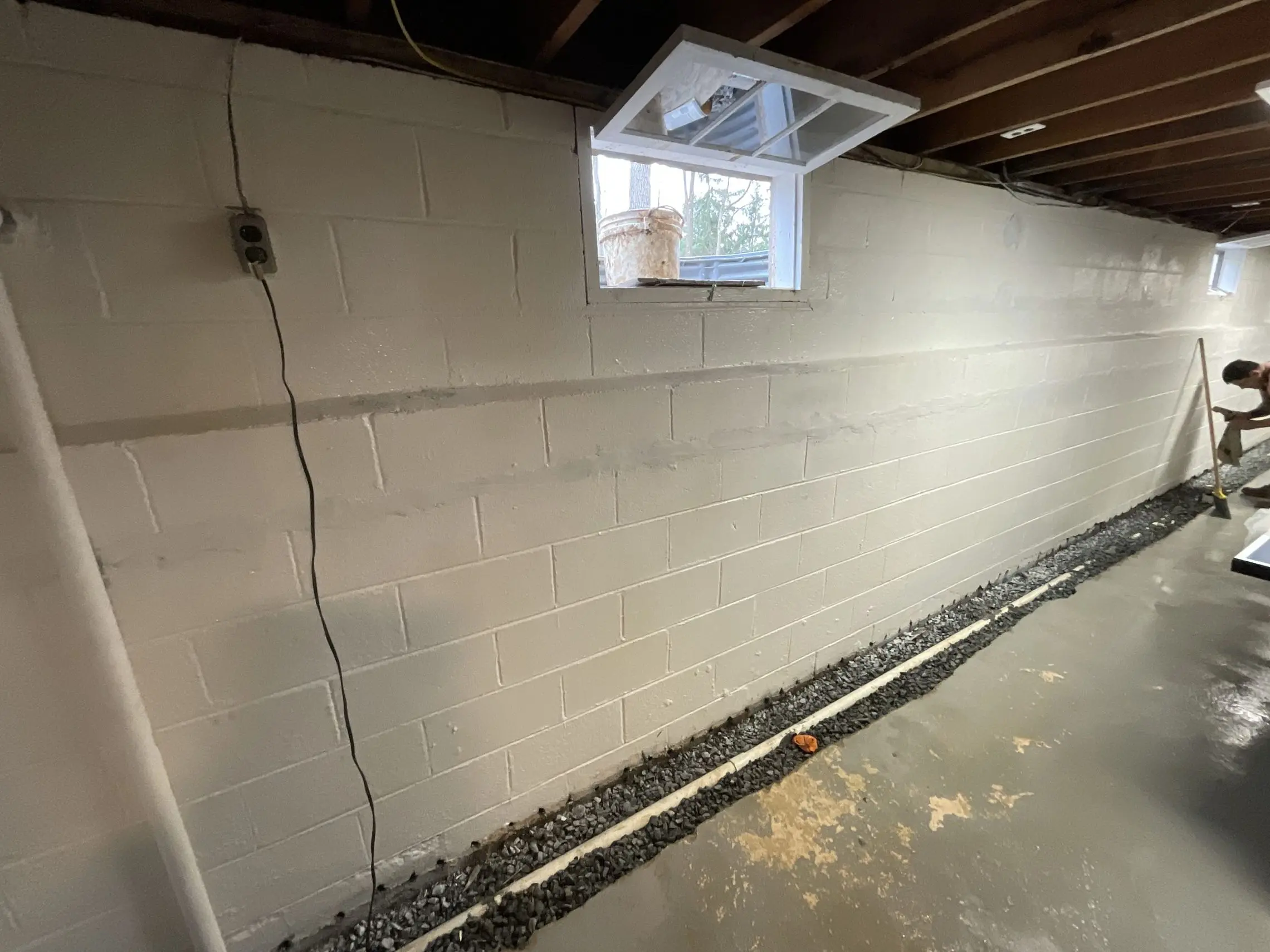
Stair-step cracks are some of the most common cracks homeowners notice on brick or block surfaces. They often appear along mortar joints in a pattern that looks like a staircase, usually near corners, windows, doors, or along basement foundation walls. Because they can look dramatic, stair-step cracks instantly raise a big question: Is this just normal settling, or is something structurally wrong?
The truth is that stair-step cracks can be either. Some are minor and stabilize over time. Others are a warning sign of ongoing foundation movement, water-related soil problems, or lateral pressure that can worsen if it is not addressed. The key is understanding what causes the crack pattern, what specific details indicate risk, and what professional foundation repair options actually solve the underlying problem.
In this article, we will explain why stair-step cracks happen, how to tell if they are cosmetic or structural, what to monitor, and what repairs professionals use to stabilize the foundation and protect the home long-term.
Key Takeaways
- Stair-step cracks form along mortar joints when parts of a structure move unevenly.
- Some stair-step cracks are minor, but widening cracks or displacement can signal structural movement.
- Water and soil conditions often play a major role, especially when drainage is poor.
- Professional repair depends on the cause and may include stabilization methods such as piers, reinforcement, and structural repair systems.
- The best long-term solution often combines structural stabilization with moisture and drainage control.
What Are Stair-Step Cracks?
Stair-step cracks are cracks that follow the mortar lines between bricks or concrete blocks, forming a stepped pattern. They appear because brick and block walls have joints that create natural “paths” where cracks travel when the wall experiences movement or stress.
Stair-step cracks can show up:
- On exterior brick walls
- On foundation block walls in basements
- Near windows, doors, and corners
- In garages, additions, and chimneys
Because masonry is rigid, it does not flex the way wood framing can. When the foundation or wall shifts, masonry responds by cracking along joints.
Why Stair-Step Cracks Happen
Stair-step cracks are not caused by one single issue. They are the result of differential movement, meaning one part of the structure moves differently than another.
Here are the most common causes professionals look for.
1) Normal settling in newer construction
Some homes experience minor settling during the first few years after construction. Small stair-step cracks can appear as soil compresses under the foundation. If the settling stabilizes, cracks may stop growing.
However, “normal settling” is often overused as an explanation. Professionals check whether the movement is ongoing and whether water or soil issues are accelerating it.
2) Foundation settlement from weak or changing soil
Settlement occurs when soil under the foundation compresses, washes out, or loses strength. This can happen due to:
- Poorly compacted fill soil
- Erosion from drainage problems
- Shrinking expansive soils during dry periods
- Plumbing leaks under slabs
- Organic soils breaking down
When settlement is uneven, masonry walls often crack in stair-step patterns, especially near corners.
3) Lateral pressure on basement foundation walls
Block foundation walls can crack in stair-step patterns when lateral soil pressure pushes inward. This pressure often increases when soil is saturated and heavy. You may also see:
- Horizontal cracking
- Wall bowing or bulging
- Shearing at mortar joints
Stair-step cracks in a basement wall are sometimes a sign that pressure is affecting the wall, not just settlement.
4) Thermal expansion and contraction
In some climates, temperature changes cause materials to expand and contract. Brick walls can develop cracks if expansion joints are missing or if movement is constrained. These cracks may be less related to settlement and more related to masonry stress.
5) Water intrusion and freeze-thaw cycles
Water that enters masonry joints can freeze and expand, causing cracks to worsen over time. Freeze-thaw damage can mimic settlement cracking, but often comes with other clues like spalling or deteriorating mortar.
Cosmetic vs. Structural: What Details Matter Most
A stair-step crack pattern alone does not confirm structural risk. The following details are what professionals use to evaluate severity.
Crack width and whether it is changing
- Hairline cracks that do not grow may be cosmetic.
- Cracks that widen over time suggest active movement.
- If you can fit a coin edge into the crack or the crack seems to change seasonally, it deserves evaluation.
Displacement, not just cracking
One of the biggest indicators of a structural issue is displacement. That means one side of the crack is not flush with the other.
Look for:
- Bricks or blocks that appear offset
- Mortar joints that look “stepped” and shifted
- A wall that looks slightly tilted near the crack area
Location of the crack
- Cracks near corners are common, but they can also indicate movement.
- Cracks near doors and windows can be related to shifting and stress around openings.
- Cracks that start at the foundation and travel upward can signal foundation movement.
Interior symptoms that match the crack
When stair-step cracks are structural, they often come with other signs:
- Doors or windows sticking
- Floors sloping or feeling uneven
- Drywall cracks above openings
- Gaps between trim and wall surfaces
- Basement wall bowing, bulging, or moisture entry
If stair-step cracks appear alongside these signs, the issue is more likely structural.
Stair-Step Cracks in Brick vs. Block: Key Differences
Exterior brick veneer cracks
Many homes have brick veneer, which is a non-load-bearing layer attached to a wood-framed wall. Cracks in brick veneer can sometimes be cosmetic, but they still matter because they may indicate movement in the structure or stress in the veneer system.
Even if veneer is not load-bearing, cracks can allow water intrusion, which can worsen long-term damage.
Block foundation wall cracks
Concrete block foundation walls often support the structure. Stair-step cracks in block walls can indicate:
- Settlement beneath footings
- Lateral soil pressure pushing inward
- Mortar joint weakening
- Water intrusion and freeze-thaw deterioration
Because block walls are structural, stair-step cracking in a foundation wall typically deserves faster attention.
How Professionals Diagnose the Cause
A reliable diagnosis is about the whole structure, not a single crack. Professionals typically evaluate:
- Crack pattern, size, and displacement
- Whether the crack is active or stable
- Wall plumbness and signs of bowing
- Drainage conditions around the home
- Soil and moisture clues, including downspouts and grading
- Interior structural symptoms that match the exterior crack location
They may also recommend monitoring, especially if movement appears seasonal or early-stage.
Repair Options That Actually Solve the Problem
The right repair depends on the cause. The goal is not just to patch the crack, but to stabilize the structure so cracking does not continue.
1) Crack repair for stable, non-structural cracking
If the foundation is stable and the crack is not associated with displacement or ongoing movement, crack repair may be appropriate. This can help:
- Reduce water intrusion
- Improve appearance
- Protect the wall from freeze-thaw damage
However, crack repair alone is not a structural fix if movement is ongoing.
2) Foundation underpinning for settlement issues
If settlement is the driver, stabilization often requires underpinning methods such as:
- Helical piers
- Push piers
These systems transfer the load to deeper, stronger soil layers and help stop further sinking. In some cases, they can also lift settled sections closer to their original position.
3) Wall stabilization for pressure-related movement
If stair-step cracks are tied to basement wall movement, structural repair may include:
- Carbon fiber reinforcement
- Steel bracing systems
- Wall anchors or helical tiebacks
These methods are designed to resist inward movement and stabilize the wall long-term.
4) Drainage and moisture control to prevent recurrence
Because water and soil conditions are major contributors, professionals often recommend:
- Downspout extensions
- Grading correction
- Drainage improvements around the foundation
- Basement waterproofing strategies if water intrusion is present
Even the best structural repair performs better when outside pressure is reduced.
What Homeowners Can Do Before Calling a Pro
You can gather useful information without doing anything risky.
Simple steps that help
- Photograph the crack and include a ruler for scale.
- Mark the ends of the crack lightly with pencil and date it.
- Check again monthly to see if the crack grows.
- Note changes in doors, windows, and floor level.
- Inspect gutters, downspouts, and grading for obvious water issues.
This information helps professionals determine whether the crack is active and what may be contributing to it.
Frequently Asked Questions
Are stair-step cracks always serious?
No. Some are minor and stabilize, especially in brick veneer. However, cracks that widen, show displacement, or appear with interior symptoms can signal structural movement.
Should I seal stair-step cracks right away?
Sealing can help reduce water intrusion, but sealing alone does not fix movement. If you suspect structural issues, professional evaluation should come first.
What does it mean if the crack is wider at the top than the bottom?
That pattern can indicate differential settlement or rotational movement, but it depends on location and other symptoms. It is a sign worth having evaluated.
Can poor drainage cause stair-step cracks?
Yes. Water changes soil behavior, increases pressure, and can wash out support under footings. Drainage problems are a common contributor to both settlement and wall pressure.
Will repairs stop the crack from coming back?
When the underlying cause is properly addressed, repairs can be long-lasting. Cosmetic patching without stabilization often leads to recurring cracking.
Conclusion
Stair-step cracks in brick or block can be cosmetic, but they can also be an early warning sign of foundation movement, soil pressure, or water-related conditions that are pushing the structure out of alignment. The most important factors are crack width changes over time, displacement, location, and whether other symptoms are present.
If you are seeing stair-step cracks that appear to be worsening, or if you notice sticking doors, sloping floors, or basement wall movement, a professional foundation and structural evaluation can help you get a clear diagnosis and a repair plan that actually lasts. When stabilization and moisture control work together, your home stays protected long-term.
For more than a decade, we have been the go-to waterproofing and related services provider for homeowners across New Jersey. Our reputation has been built on a foundation of delivering exceptional workmanship and top-notch customer service to each and every one of our valued clients.
We truly understand the significance of your home to you and your family, as well as the importance of the services we offer in safeguarding your home. That’s why we take our responsibilities seriously and never compromise on the quality of our work. Our commitment to your satisfaction is unwavering, and we go above and beyond to ensure that you are completely content with every aspect of the job we perform.
When it comes to protecting your home, trust is of utmost importance. At our professional New Jersey Waterproofing Company, we prioritize the well-being of your basement and ensure it remains shielded from any harmful moisture damage, regardless of the job’s size. Whether you require waterproofing, mold remediation, or even foundational or structural repairs, we are always ready and eager to take on any challenge.
Our singular focus is your happiness, and we leave no stone unturned in achieving it. If you are searching for a trustworthy New Jersey waterproofing company to safeguard your home, look no further. Contact us today and experience firsthand what sets us apart from the competition. Your home’s protection is our major priority, and we are here to serve you with dedication and expertise.