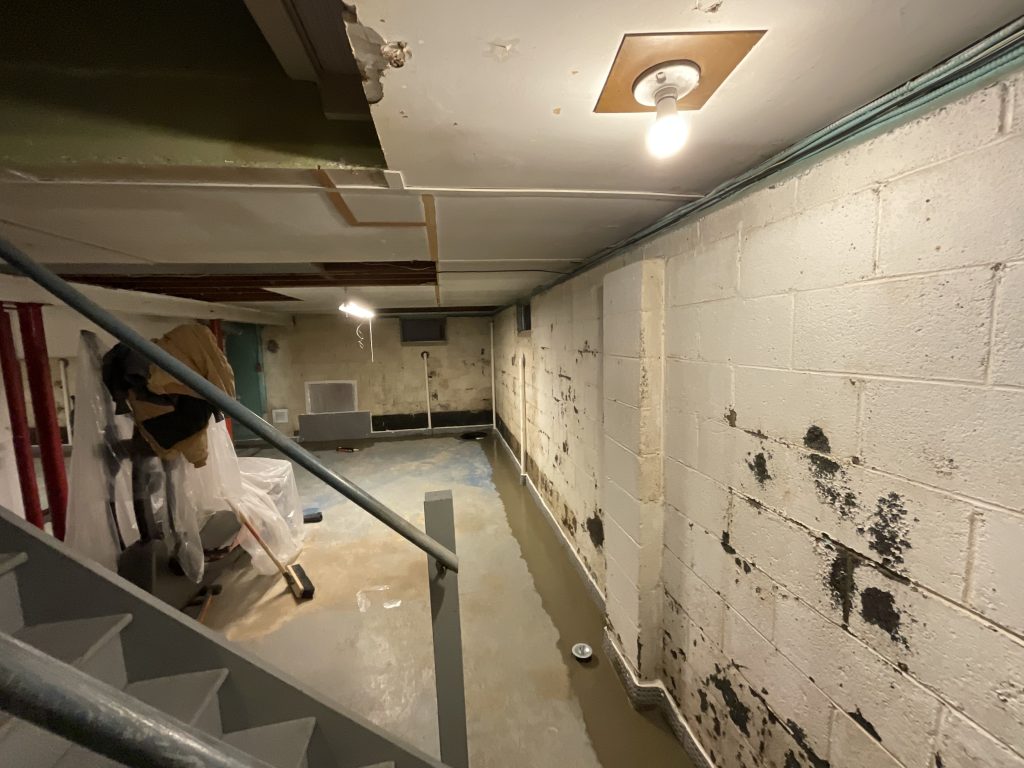
Basement flooding is stressful. Even if the water is only a few inches deep, it can soak drywall, insulation, carpet, stored items, and wood framing. Once the immediate mess is handled, many homeowners worry about the next problem: mold.
That concern is valid. Mold does not need weeks to start becoming an issue. A wet basement creates the exact environment mold loves, moisture, limited airflow, and plenty of porous materials that absorb water. The more time damp materials remain in place, the higher the chance mold growth will develop behind walls, under flooring, and inside hidden cavities.
This article explains what typically happens after basement flooding, why mold becomes a risk, what signs to watch for in the days and weeks that follow, and how professional mold remediation differs from basic cleanup. The goal is not to overwhelm you, it is to help you make smart decisions that protect your home and avoid repeated problems.
Key Takeaways
- Basement flooding creates high mold risk because moisture gets trapped in porous materials and hidden spaces.
- Even when the basement looks “dry,” moisture can remain behind walls, under flooring, and in insulation.
- Musty odors, staining, and recurring dampness are signs that mold may be developing.
- Professional remediation focuses on containment, safe removal, deep cleaning, and moisture control to reduce the chance of return.
- The best prevention strategy is addressing the moisture source, not just removing water after the fact.
Why Mold Becomes a Risk After Flooding
Mold spores are naturally present in the air. Flooding does not “create” spores. It creates the conditions that allow spores to settle, grow, and spread.
After a basement flood, mold risk is higher because:
- Porous materials absorb water and stay damp internally.
- Basements have limited airflow and slower drying time.
- Water can seep into wall cavities and under flooring where you cannot see it.
- Organic debris and dust provide food for mold.
- Humidity often stays elevated for days or weeks after the flood.
Even if you removed the visible water quickly, moisture can linger in building materials. That is why post-flood inspections and moisture awareness matter.
What Most Homeowners Miss After Flood Cleanup
Many homeowners focus on what is obvious: the puddles, the wet carpet, the damaged boxes. The bigger risk is often what is hidden.
Hidden moisture zones after flooding
- Behind finished basement drywall
- In insulation inside exterior walls
- Under laminate, vinyl, or carpeted flooring
- In wooden baseboards and trim
- Around rim joists and sill plates
- Under stairs and inside storage closets
- Inside HVAC returns or duct chases that run through the basement
If those areas stay damp, mold can develop without showing itself for a while. The first sign might be odor or allergy-like irritation, not visible growth.
When Mold Problems Become More Likely
Mold risk goes up when any of these factors are present:
Floodwater reached porous materials
Drywall, carpet, padding, insulation, and wood trim can hold water internally. If floodwater soaked these items, professional evaluation is often a smart move, especially when flooding was significant.
The basement has been damp before
If you already had humidity issues, musty smells, or previous minor seepage, flooding can accelerate an existing problem.
The flood was linked to groundwater or outside water
Water coming from outside sources often carries debris and contaminants. Even if the water looked clean, it can still leave behind organic material and moisture pathways that encourage mold.
There is limited ventilation or the basement is mostly enclosed
Finished basements with closed walls and flooring trap moisture more easily than unfinished spaces.
Signs Mold May Be Developing After a Flood
Mold does not always look like a dramatic black patch. It can start small and hidden.
Watch for:
- A persistent musty or earthy smell
- Staining on drywall, baseboards, or flooring edges
- Paint bubbling or peeling
- Warped baseboards or swollen trim
- Condensation on basement windows or ducts
- Recurring dampness even when it has not rained
- New or worsening allergy-like symptoms indoors
If any of these show up after flooding, it is a strong reason to get the space evaluated.
Mold Remediation vs. Basic Cleanup After Flooding
What basic cleanup usually covers
Basic cleanup often includes:
- Removing standing water
- Drying visible surfaces
- Throwing away obviously damaged items
- Cleaning what you can see
This is helpful, but it is not the same as remediation. It can miss hidden moisture and contamination that later becomes mold growth.
What professional remediation focuses on
Professional mold remediation is designed to reduce contamination safely and prevent spread. It typically includes:
- Assessment and moisture investigation
- Containment to prevent spores from spreading
- Removal of contaminated porous materials when necessary
- HEPA-level cleaning and detailed surface treatment
- Airborne particle control when appropriate
- Moisture control planning to reduce recurrence
The purpose is not just to make things look clean. It is to restore the basement environment so mold is less likely to return.
Why Containment Matters After Flood-Related Mold
One of the biggest risks during post-flood cleanup is cross-contamination.
When wet materials are disturbed, spores and particles can become airborne and travel:
- Up stairwells into living spaces
- Through HVAC pathways
- Into adjacent storage areas
- Onto furniture and surfaces that were never flooded
Professional containment strategies help reduce the chance that a basement problem becomes a whole-house problem.
What Professional Remediation Often Includes After Flooding
Every situation is different, but reputable remediation after flooding often includes several of these steps.
Inspection and scope definition
Professionals determine:
- Where moisture likely traveled
- Which materials are affected
- Whether hidden cavities should be opened
- Whether mold testing is useful in this case
Controlled removal of affected materials
Some porous materials cannot be effectively cleaned if they stayed wet too long. Removal may include:
- Sections of drywall and insulation
- Flooring materials and padding
- Damaged trim and baseboards
- Contaminated contents that cannot be restored
Detailed cleaning and surface treatment
After removal, professionals clean framing and masonry carefully. This may include:
- HEPA vacuuming
- Damp wiping and scrubbing of structural elements
- Targeted treatment methods appropriate for the surface
Odor control and prevention planning
Flood-related odor can remain if moisture is still present. Pros focus on:
- Removing odor sources rather than masking them
- Identifying the conditions that caused flooding or long-term dampness
The Bigger Goal: Preventing the Next Flood and the Next Mold Problem
If flooding happened once, it can happen again unless the underlying cause is addressed. Mold remediation is most effective when paired with moisture and water control solutions.
Common flood causes that should be evaluated
- Foundation seepage through cracks or cove joints
- High groundwater pressure around the basement
- Downspouts dumping water near the home
- Poor yard grading and water pooling near walls
- Sump pump issues or lack of proper drainage
- Clogged or failing drainage systems
A long-term strategy is not just about cleanup. It is about reducing water entry and keeping the basement environment stable.
Mistakes That Lead to Mold Returning After Flooding
Leaving damp materials in place
If drywall, insulation, or carpet stayed wet and remained installed, mold risk increases dramatically.
Assuming “it looks dry” means “it is dry”
Moisture can remain inside wall cavities and under flooring long after surfaces appear dry.
Ignoring humidity after the flood
Basements often stay humid for a long time after flooding. High humidity can keep materials damp and encourage growth.
Only treating odor instead of identifying the source
Odor sprays and deodorizers can hide the warning sign while mold growth continues behind the scenes.
Frequently Asked Questions
If I cleaned everything and the smell is still there, what does that mean?
A persistent musty smell often suggests hidden moisture or hidden mold. It is common after flooding because moisture can remain behind walls or under floors.
Do I always need mold testing after flooding?
Not always. If mold growth is visible and the moisture source is known, remediation may proceed without testing. Testing is more useful when the source is unclear, growth is hidden, or documentation is needed.
Can mold start even if the water was removed quickly?
Yes. Mold risk depends on how long materials stayed damp, how much water soaked into porous materials, and whether hidden spaces remain wet.
Why do professionals remove drywall instead of just cleaning it?
Drywall and insulation are porous. If they absorbed water, they can hold moisture and contamination internally. In many cases, removal is the safer and more reliable approach.
How do I know if I should call a professional right away?
If flooding reached porous materials, if you notice odor, if dampness keeps returning, or if the basement is finished with enclosed cavities, professional evaluation is usually the safest decision.
Conclusion
Basement flooding is not only a short-term cleanup issue. It is a moisture event that can create hidden conditions for mold growth, even after the visible water is gone. The best way to protect your home is to treat flooding as a signal: something allowed water to enter or collect, and that condition needs to be addressed to reduce future risk.
If you are dealing with lingering odors, repeated dampness, or concerns about hidden mold after a flood, professional mold remediation and moisture control planning can help you restore the basement properly and prevent the same problem from returning.
For more than a decade, we have been the go-to waterproofing and related services provider for homeowners across New Jersey. Our reputation has been built on a foundation of delivering exceptional workmanship and top-notch customer service to each and every one of our valued clients.
We truly understand the significance of your home to you and your family, as well as the importance of the services we offer in safeguarding your home. That’s why we take our responsibilities seriously and never compromise on the quality of our work. Our commitment to your satisfaction is unwavering, and we go above and beyond to ensure that you are completely content with every aspect of the job we perform.
When it comes to protecting your home, trust is of utmost importance. At our professional New Jersey Waterproofing Company, we prioritize the well-being of your basement and ensure it remains shielded from any harmful moisture damage, regardless of the job’s size. Whether you require waterproofing, mold remediation, or even foundational or structural repairs, we are always ready and eager to take on any challenge.
Our singular focus is your happiness, and we leave no stone unturned in achieving it. If you are searching for a trustworthy New Jersey waterproofing company to safeguard your home, look no further. Contact us today and experience firsthand what sets us apart from the competition. Your home’s protection is our major priority, and we are here to serve you with dedication and expertise.