
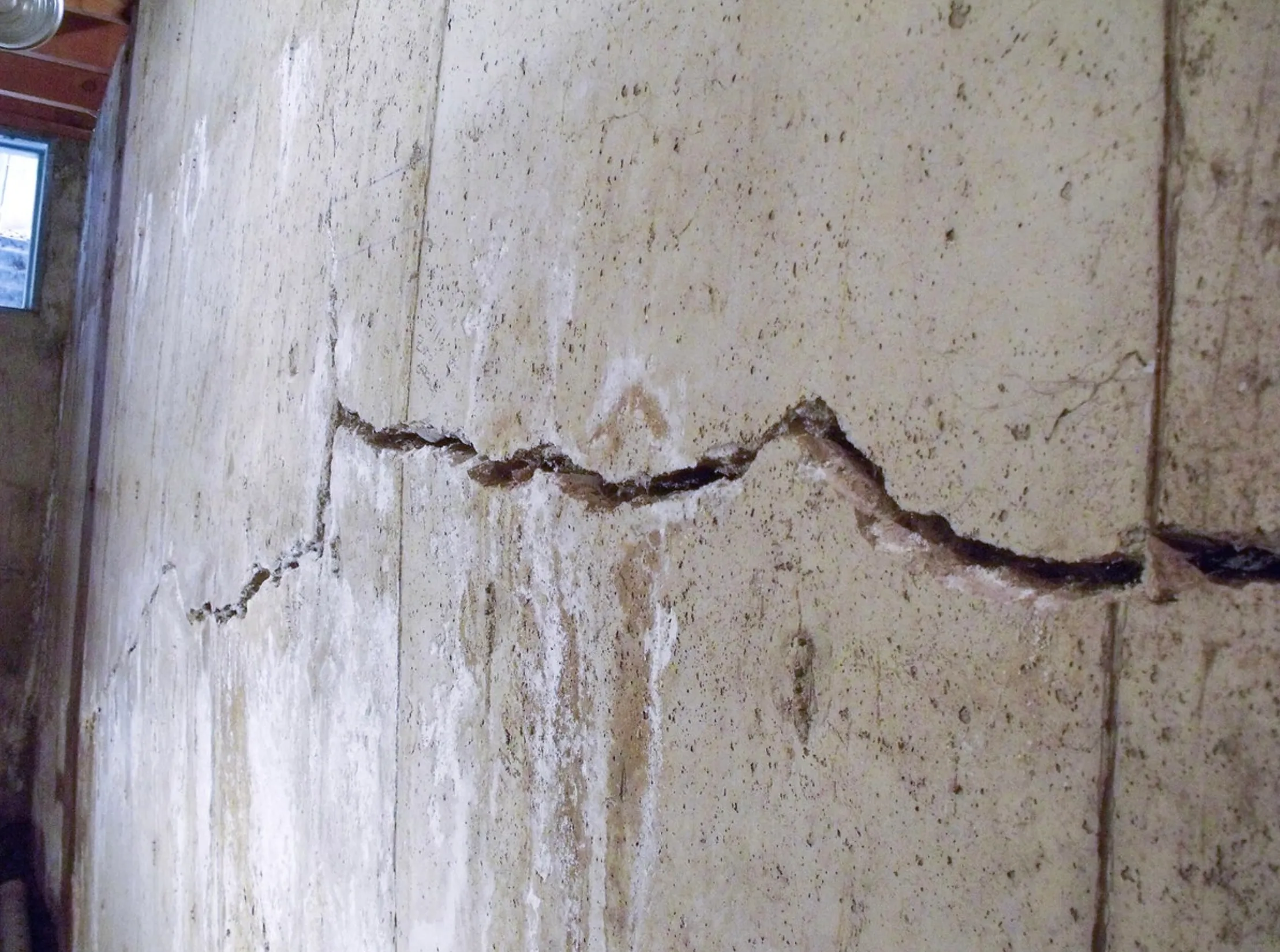
Cracks in basement walls are one of the most common concerns homeowners notice, yet they are also one of the most misunderstood. Many people assume a crack is just a cosmetic issue, something that comes with age and can be patched or painted over. In reality, certain types of cracks are clear warnings that basement walls are under pressure and beginning to move.
Understanding what basement wall movement looks like, why it happens, and when cracks signal a serious structural issue can help homeowners avoid costly repairs and long-term damage.
Why Basement Walls Move Over Time
Basement walls are constantly resisting pressure from the soil surrounding the home. This pressure is not static. It changes with moisture levels, temperature shifts, and soil composition.
One of the most common causes of wall movement is expansive soil. When soil absorbs water, it expands and pushes inward against foundation walls. During dry periods, the same soil shrinks, creating instability and uneven pressure. This repeated expansion and contraction gradually weakens the wall.
Poor drainage also plays a major role. When water is not directed away from the foundation, it builds up in the surrounding soil. This increases hydrostatic pressure, which pushes forcefully against basement walls. Over time, even well-built walls can begin to crack or bow under this constant stress.
In some cases, construction factors contribute as well. Homes built with thinner foundation walls, inadequate reinforcement, or poor backfill practices may be more vulnerable to movement as conditions change over the years.
Not All Cracks Mean the Same Thing
One of the biggest mistakes homeowners make is treating all cracks as equal. The size, direction, and location of a crack provide important clues about what is happening behind the wall.
Vertical cracks are often associated with minor settling. While they should still be monitored, they are not always a sign of structural failure. Hairline vertical cracks can sometimes remain stable for years if underlying conditions do not worsen.
Horizontal cracks are a different story. These cracks typically indicate that soil pressure is pushing inward against the wall. When horizontal cracking appears, it often means the wall is beginning to bend or bow. This type of movement is structural and should never be ignored.
Stair-step cracks in block walls can also signal movement. These cracks follow the mortar joints and often appear when pressure causes sections of the wall to shift unevenly.
Understanding these differences is critical. Treating a structural crack as cosmetic can allow damage to progress unnoticed.
Early Signs of Basement Wall Movement Homeowners Miss
Basement wall movement rarely happens overnight. It usually develops gradually, with subtle signs appearing long before major damage becomes visible.
Some early indicators include:
- Slight inward bowing of the wall surface
- Cracks that widen over time
- Gaps forming between walls and floors
- Bulging or flaking wall surfaces
- Windows or doors near the basement becoming difficult to open
Because these changes happen slowly, homeowners often adapt to them without realizing the cause. A wall may look slightly uneven, but furniture still fits and the space remains usable. Unfortunately, this false sense of normalcy allows pressure to continue building.
Why Cosmetic Repairs Don’t Stop Structural Movement
Patching cracks or applying sealant may improve the appearance of a basement wall, but it does nothing to relieve the forces causing movement. In fact, cosmetic repairs can create a dangerous illusion that the problem has been solved.
When cracks are covered without addressing soil pressure or structural weakness, the wall continues to absorb stress. Over time, new cracks form or existing ones reopen, often larger than before.
Painted or finished basement walls can make this even worse. Finished surfaces hide early warning signs, allowing significant movement to occur before it becomes visible. By the time cracks show through drywall or paneling, structural damage is often more advanced.
How Basement Wall Movement Affects the Entire Home
Basement walls play a crucial role in supporting the structure above them. When they begin to move, the effects are rarely isolated to the basement.
As walls bow inward or shift, the load distribution of the home changes. This can lead to:
- Uneven or sloping floors on upper levels
- Cracks in interior walls and ceilings
- Separation at corners or joints
- Stress on beams and floor joists
In severe cases, wall movement can compromise the overall stability of the home. What began as a single crack in the basement can eventually affect living spaces throughout the house.
The Role of Moisture in Accelerating Wall Damage
Moisture is often the catalyst that turns minor wall movement into a serious structural issue. As cracks form, water finds new entry points into the basement.
This moisture weakens concrete and masonry materials, reducing their ability to resist pressure. At the same time, saturated soil becomes heavier and exerts even more force against the wall.
This creates a cycle where wall movement allows water intrusion, and water intrusion increases wall movement. Without intervention, the damage accelerates with each season of heavy rain or snowmelt.
How Professionals Evaluate Basement Wall Movement
A professional evaluation goes far beyond simply measuring cracks. Specialists assess the entire structure to understand how and why the wall is moving.
They examine crack patterns, wall alignment, and any signs of bowing or displacement. Moisture conditions, drainage performance, and soil behavior are also evaluated to identify contributing factors.
This holistic approach ensures that repairs address the root cause, not just the visible damage. Without this level of assessment, repairs may fail or provide only temporary relief.
When Basement Wall Movement Requires Immediate Action
Some warning signs indicate that movement has reached a critical stage and should be addressed as soon as possible.
These include:
- Horizontal cracks that continue to widen
- Walls that visibly bow inward
- Sections of wall separating from floors or ceilings
- Water intrusion through structural cracks
At this point, delaying repairs increases the risk of extensive structural damage and higher repair costs. Early intervention can often stabilize walls before more invasive measures are required.
Why Professional Repair Solutions Matter
Basement wall movement is not a problem that resolves on its own. Effective solutions must counteract soil pressure and restore structural stability.
Professional repair methods are designed to reinforce walls, prevent further movement, and address underlying causes such as drainage or soil instability. These solutions are engineered for long-term performance, not short-term appearance.
DIY approaches or surface-level fixes rarely provide lasting results. Without reducing the pressure acting on the wall, cracks will continue to form regardless of how often they are patched.
Protecting Your Home by Taking Wall Cracks Seriously
Basement wall cracks are not always just cosmetic. In many cases, they are the earliest visible signs of structural movement that can affect the entire home.
Recognizing when cracks indicate pressure, movement, or instability allows homeowners to take action before damage becomes severe. Professional evaluation and repair can stabilize basement walls, protect the structure above, and prevent future complications.
If you’ve noticed cracking, bowing, or changes in your basement walls, addressing the issue early can save time, money, and stress. When it comes to basement wall movement, small warnings should never be ignored.
For more than a decade, we have been the go-to waterproofing and related services provider for homeowners across New Jersey. Our reputation has been built on a foundation of delivering exceptional workmanship and top-notch customer service to each and every one of our valued clients.
We truly understand the significance of your home to you and your family, as well as the importance of the services we offer in safeguarding your home. That’s why we take our responsibilities seriously and never compromise on the quality of our work. Our commitment to your satisfaction is unwavering, and we go above and beyond to ensure that you are completely content with every aspect of the job we perform.
When it comes to protecting your home, trust is of utmost importance. At our professional New Jersey Waterproofing Company, we prioritize the well-being of your basement and ensure it remains shielded from any harmful moisture damage, regardless of the job’s size. Whether you require waterproofing, mold remediation, or even foundational or structural repairs, we are always ready and eager to take on any challenge.
Our singular focus is your happiness, and we leave no stone unturned in achieving it. If you are searching for a trustworthy New Jersey waterproofing company to safeguard your home, look no further. Contact us today and experience firsthand what sets us apart from the competition. Your home’s protection is our major priority, and we are here to serve you with dedication and expertise.