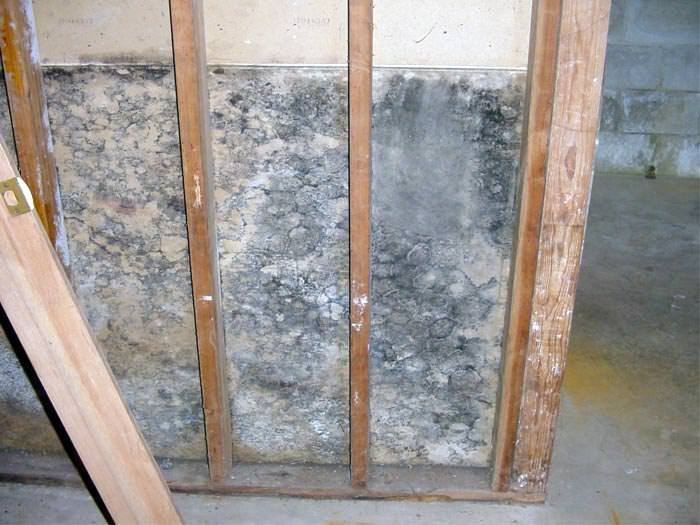
When most homeowners think about mold, they picture dark spots on walls or a musty smell in the air. While visible mold is certainly a problem, some of the most serious damage happens where it cannot be easily seen. Basements are especially vulnerable to hidden mold growth, often developing behind walls, under flooring, or inside insulation long before obvious signs appear.
Understanding how and why mold grows out of sight, and why it poses serious risks to both health and structure, can help homeowners take action before minor moisture issues turn into major remediation projects.
Why Basements Are Ideal Environments for Hidden Mold
Basements naturally create conditions that mold thrives in. They are typically cooler than the rest of the home, have limited airflow, and are surrounded by soil that retains moisture. Even when a basement appears dry, humidity levels can remain high enough to support mold growth.
Small foundation cracks, minor leaks, or condensation on walls and pipes can introduce moisture into hidden areas. Once moisture becomes trapped behind finished walls or beneath flooring, it often goes unnoticed for months or even years.
Because mold does not require light to grow, dark enclosed spaces such as wall cavities, insulation, and subflooring become perfect breeding grounds.
Common Places Mold Grows Without Being Seen
Hidden mold rarely announces itself right away. It tends to develop quietly in areas homeowners do not regularly inspect.
Some of the most common hidden mold locations include:
- Behind drywall or paneling
- Inside wall insulation
- Beneath basement flooring or carpet
- Around rim joists and sill plates
- Inside storage areas pushed against exterior walls
Finished basements are especially vulnerable. While finishing a basement improves comfort and usability, it can also conceal early warning signs of moisture and mold growth.
Why Hidden Mold Is More Dangerous Than Visible Mold
Visible mold often prompts quick action. Homeowners clean it, investigate the cause, or call a professional. Hidden mold, on the other hand, continues spreading unchecked.
As mold grows inside walls or insulation, it releases spores into the air. These spores circulate throughout the home, even if the mold itself remains unseen. Over time, this can negatively impact indoor air quality and contribute to respiratory issues, allergies, and persistent odors.
Structurally, hidden mold feeds on organic materials such as wood framing, drywall paper, and insulation. As these materials weaken, the integrity of basement walls and floors can be compromised.
Signs That Hidden Mold May Be Present
Even when mold is not visible, there are often subtle clues that indicate a deeper problem. These signs are easy to overlook or misattribute to other causes.
Warning signs may include:
- Persistent musty or earthy odors
- Increased allergy or asthma symptoms indoors
- Peeling paint or bubbling wall finishes
- Warped flooring or baseboards
- Unexplained humidity or condensation
Ignoring these indicators allows mold to continue spreading behind the scenes.
How Moisture Problems Lead to Concealed Mold Growth
Hidden mold is almost always the result of unresolved moisture issues. Water intrusion does not need to be dramatic to cause damage. Small leaks, slow seepage, or high humidity can be enough.
Foundation cracks, porous concrete walls, poor exterior drainage, and inadequate waterproofing all contribute to moisture entering the basement. Once moisture becomes trapped behind finished surfaces, evaporation slows significantly.
Without proper airflow or drying, damp materials remain wet long enough for mold colonies to establish and grow.
Why DIY Mold Cleanup Fails in Hidden Areas
Many homeowners attempt to address mold themselves, especially when no visible growth is present. Unfortunately, DIY efforts rarely solve hidden mold problems.
Surface cleaning does not reach mold growing inside walls or insulation. In some cases, disturbing contaminated materials releases more spores into the air, spreading the problem to other areas of the home.
Without identifying and correcting the moisture source, mold will simply return, often worse than before. Professional remediation focuses not only on removing mold, but also on controlling the conditions that allowed it to grow.
The Structural Risks of Long-Term Hidden Mold
Hidden mold is not just a health concern. Over time, it can cause serious structural deterioration.
Wood framing exposed to prolonged moisture and mold can weaken, rot, or lose load-bearing capacity. Insulation loses effectiveness when contaminated, increasing energy costs and reducing comfort. Drywall may crumble or detach as mold breaks down its paper backing.
These issues often remain unnoticed until significant repairs are required, especially in finished basements where damage is concealed behind walls.
How Professionals Detect Mold You Can’t See
Professional mold remediation specialists use more than visual inspections. They evaluate moisture levels, humidity patterns, and air quality to identify hidden growth.
Specialized tools allow professionals to detect damp areas behind walls and under floors. By tracing moisture sources and airflow patterns, they can pinpoint where mold is likely growing, even when surfaces appear clean.
This thorough approach ensures that remediation addresses the full extent of the problem, not just what is visible.
Why Proper Mold Remediation Goes Beyond Removal
Effective mold remediation is not just about cleaning affected areas. It requires addressing moisture intrusion, improving ventilation, and preventing future growth.
Professionals isolate contaminated areas to prevent spore spread, safely remove affected materials, and treat remaining surfaces appropriately. Just as importantly, they help correct drainage, waterproofing, or humidity issues that allowed mold to develop.
Without these steps, mold problems often return, even after extensive cleanup.
Protecting Your Basement From Hidden Mold Damage
Hidden mold growth is one of the most damaging and deceptive problems homeowners face. Because it develops quietly and out of sight, it often causes significant harm before being discovered.
Paying attention to subtle warning signs and addressing moisture issues early can prevent serious health risks and costly structural repairs. Professional mold remediation provides the expertise needed to uncover hidden growth, eliminate it safely, and restore a healthy basement environment.
If your basement has a history of moisture, odors, or unexplained air quality issues, it may be time to have it professionally evaluated. Catching hidden mold early can make all the difference.
For more than a decade, we have been the go-to waterproofing and related services provider for homeowners across New Jersey. Our reputation has been built on a foundation of delivering exceptional workmanship and top-notch customer service to each and every one of our valued clients.
We truly understand the significance of your home to you and your family, as well as the importance of the services we offer in safeguarding your home. That’s why we take our responsibilities seriously and never compromise on the quality of our work. Our commitment to your satisfaction is unwavering, and we go above and beyond to ensure that you are completely content with every aspect of the job we perform.
When it comes to protecting your home, trust is of utmost importance. At our professional New Jersey Waterproofing Company, we prioritize the well-being of your basement and ensure it remains shielded from any harmful moisture damage, regardless of the job’s size. Whether you require waterproofing, mold remediation, or even foundational or structural repairs, we are always ready and eager to take on any challenge.
Our singular focus is your happiness, and we leave no stone unturned in achieving it. If you are searching for a trustworthy New Jersey waterproofing company to safeguard your home, look no further. Contact us today and experience firsthand what sets us apart from the competition. Your home’s protection is our major priority, and we are here to serve you with dedication and expertise.