Basements are versatile spaces in homes, serving as additional living areas, storage spaces, or utility rooms. However, they are also vulnerable to water infiltration, which can lead to a host of problems such as mold growth, structural damage, and compromised indoor air quality. Basement waterproofing is essential for safeguarding your home against these issues and ensuring a dry, healthy environment. In this comprehensive guide, we’ll delve into everything you need to know about basement waterproofing, including its importance, common causes of water damage, effective waterproofing methods, installation process, maintenance tips, and benefits.
The Importance of Basement Waterproofing
Basement waterproofing is crucial for several reasons:
- Preventing Water Damage: Water infiltration into the basement can lead to damage to walls, floors, and belongings stored in the basement. Waterproofing helps prevent costly repairs and protects your investment in your home.
- Preserving Structural Integrity: Excess moisture in the basement can weaken the foundation and support structures, leading to cracks, settling, and other structural issues. Waterproofing helps preserve the structural integrity of your home.
- Preventing Mold and Mildew: Moisture in the basement creates an ideal environment for mold and mildew growth, which can pose health risks to occupants and cause unpleasant odors. Waterproofing helps prevent mold and mildew growth by keeping the basement dry.
- Improving Indoor Air Quality: A dry basement with proper waterproofing contributes to better indoor air quality by reducing humidity levels and preventing the growth of mold, mildew, and other allergens.
Common Causes of Basement Water Damage
Understanding the common causes of basement water damage is essential for effective waterproofing. These include:
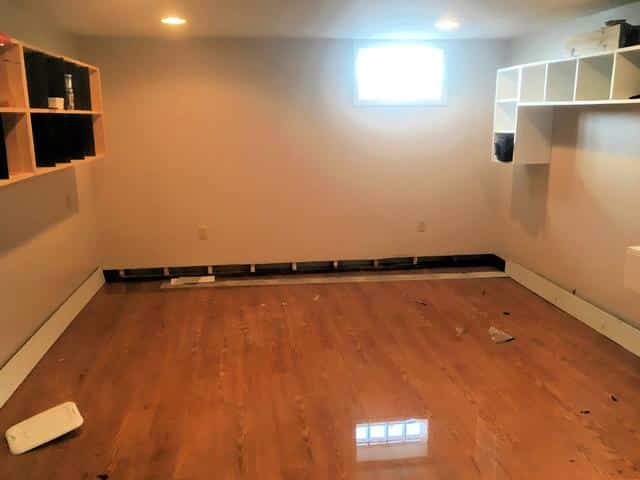
- Poor Exterior Drainage: Improper grading around the foundation, clogged gutters and downspouts, and inadequate exterior drainage systems can allow water to pool around the foundation and seep into the basement.
- Foundation Cracks: Cracks in the foundation walls or floor provide pathways for water to enter the basement, especially during periods of heavy rainfall or snowmelt.
- Hydrostatic Pressure: Hydrostatic pressure, caused by water-saturated soil pressing against the foundation walls, can force water through even the smallest cracks or gaps in the foundation.
- High Groundwater Levels: Homes located in areas with high groundwater tables are more susceptible to basement water damage, especially during periods of heavy rainfall or flooding.
Effective Basement Waterproofing Methods
There are several effective basement waterproofing methods available, including:
- Exterior Waterproofing: Exterior waterproofing involves applying waterproofing membranes or coatings to the exterior surface of the foundation walls to prevent water infiltration. This method is highly effective but may require excavation around the foundation, making it more invasive and costly.
- Interior Waterproofing: Interior waterproofing methods focus on managing water that has already entered the basement. This may include installing interior drainage systems, such as French drains or channel drains, to collect and redirect water away from the foundation.
- Sump Pump Installation: Sump pumps are essential components of many basement waterproofing systems. They collect water that accumulates in the basement and pump it away from the foundation to prevent flooding and water damage.
- Foundation Crack Repair: Cracks in the foundation walls or floor are common entry points for water infiltration. Foundation crack repair involves sealing cracks with waterproofing sealants or injections to prevent water from entering the basement through the cracks.
- Crawl Space Encapsulation: If your home has a crawl space, encapsulation involves sealing the crawl space with a moisture barrier to prevent moisture from entering the basement through the crawl space. This method helps prevent mold growth, wood rot, and other moisture-related issues.
Installation Process of Basement Waterproofing Systems
The installation process for basement waterproofing systems may vary depending on the chosen method and the specific needs of the basement. However, the general steps typically include:
- Assessment and Planning: Begin by assessing the basement for any existing water damage, foundation cracks, or drainage issues. Develop a waterproofing plan based on the basement’s layout, condition, and specific needs.
- Preparation: Clear out any debris or obstructions from the basement to create a clean and accessible work area. Address any existing water damage or structural issues before proceeding with waterproofing.
- Waterproofing Application: Apply the chosen waterproofing materials or systems according to the manufacturer’s instructions. This may involve applying waterproofing membranes or coatings to the exterior foundation walls, installing interior drainage systems, or sealing foundation cracks.
- Sump Pump Installation: If a sump pump is part of the waterproofing system, install the pump in a designated sump pit or basin in the basement floor. Connect the pump to the drainage system and ensure proper operation.
- Testing and Inspection: Test the waterproofing system to ensure it is functioning correctly and inspect the installation for any potential issues or leaks. Make any necessary adjustments or repairs as needed.
Maintenance of Basement Waterproofing Systems
Regular maintenance is essential for ensuring the effectiveness of basement waterproofing systems. Here are some maintenance tasks to consider:
- Inspect and Clean Gutters and Downspouts: Keep gutters and downspouts clean and free of debris to ensure proper water drainage away from the foundation and basement walls.
- Check Sump Pump Regularly: Test the sump pump regularly to ensure it is working correctly. Check the pump, pit, and discharge pipe for any signs of damage or clogging.
- Monitor Humidity Levels: Use a hygrometer to monitor humidity levels in the basement and address any spikes or fluctuations promptly. Consider installing a dehumidifier to maintain optimal humidity levels.
- Seal Foundation Cracks: Inspect the foundation walls and floor for any cracks and seal them with waterproofing sealant to prevent water infiltration.
- Address Exterior Drainage Issues: Regularly inspect the exterior of your home for any signs of poor drainage or grading issues. Ensure that gutters and downspouts are functioning properly and that water is directed away from the foundation.
Benefits of Basement Waterproofing
Basement waterproofing offers numerous benefits for homeowners, including:

- Prevention of Water Damage: By effectively managing moisture infiltration, basement waterproofing helps prevent water damage to the foundation, walls, floors, and belongings stored in the basement.
- Preservation of Structural Integrity: Waterproofing helps preserve the structural integrity of the foundation and support structures by preventing moisture-related issues such as cracks, settling, and deterioration.
- Improved Indoor Air Quality: A dry basement with proper waterproofing contributes to better indoor air quality by reducing humidity levels and preventing the growth of mold, mildew, and other allergens.
- Protection of Property Value: A dry and well-maintained basement adds value to your home and increases its marketability. Waterproofing helps protect your investment in your home by preventing costly water damage and repairs.
Basement waterproofing is essential for protecting your home from water damage, mold growth, and structural issues. By understanding the importance of basement waterproofing, common causes of water damage, effective waterproofing methods, installation process, maintenance tips, and benefits, homeowners can take proactive measures to safeguard their basements and ensure their longevity. Whether you’re dealing with exterior drainage issues, foundation cracks, or high groundwater levels, investing in basement waterproofing is an investment in the health, safety, and value of your home. With proper waterproofing, you can enjoy peace of mind knowing that your basement is protected from moisture infiltration and its associated problems.
Contact the Professionals at All County Waterproofing Today! 908-688-0518
For more than a decade, we have been the go-to waterproofing and related services provider for homeowners across New Jersey. Our reputation has been built on a foundation of delivering exceptional workmanship and top-notch customer service to each and every one of our valued clients.
We truly understand the significance of your home to you and your family, as well as the importance of the services we offer in safeguarding your home. That’s why we take our responsibilities seriously and never compromise on the quality of our work. Our commitment to your satisfaction is unwavering, and we go above and beyond to ensure that you are completely content with every aspect of the job we perform.
When it comes to protecting your home, trust is of utmost importance. At our professional New Jersey Waterproofing Company, we prioritize the well-being of your basement and ensure it remains shielded from any harmful moisture damage, regardless of the job’s size. Whether you require waterproofing, mold remediation, or even foundational or structural repairs, we are always ready and eager to take on any challenge.
Our singular focus is your happiness, and we leave no stone unturned in achieving it. If you are searching for a trustworthy New Jersey waterproofing company to safeguard your home, look no further. Contact us today and experience firsthand what sets us apart from the competition. Your home’s protection is our major priority, and we are here to serve you with dedication and expertise.