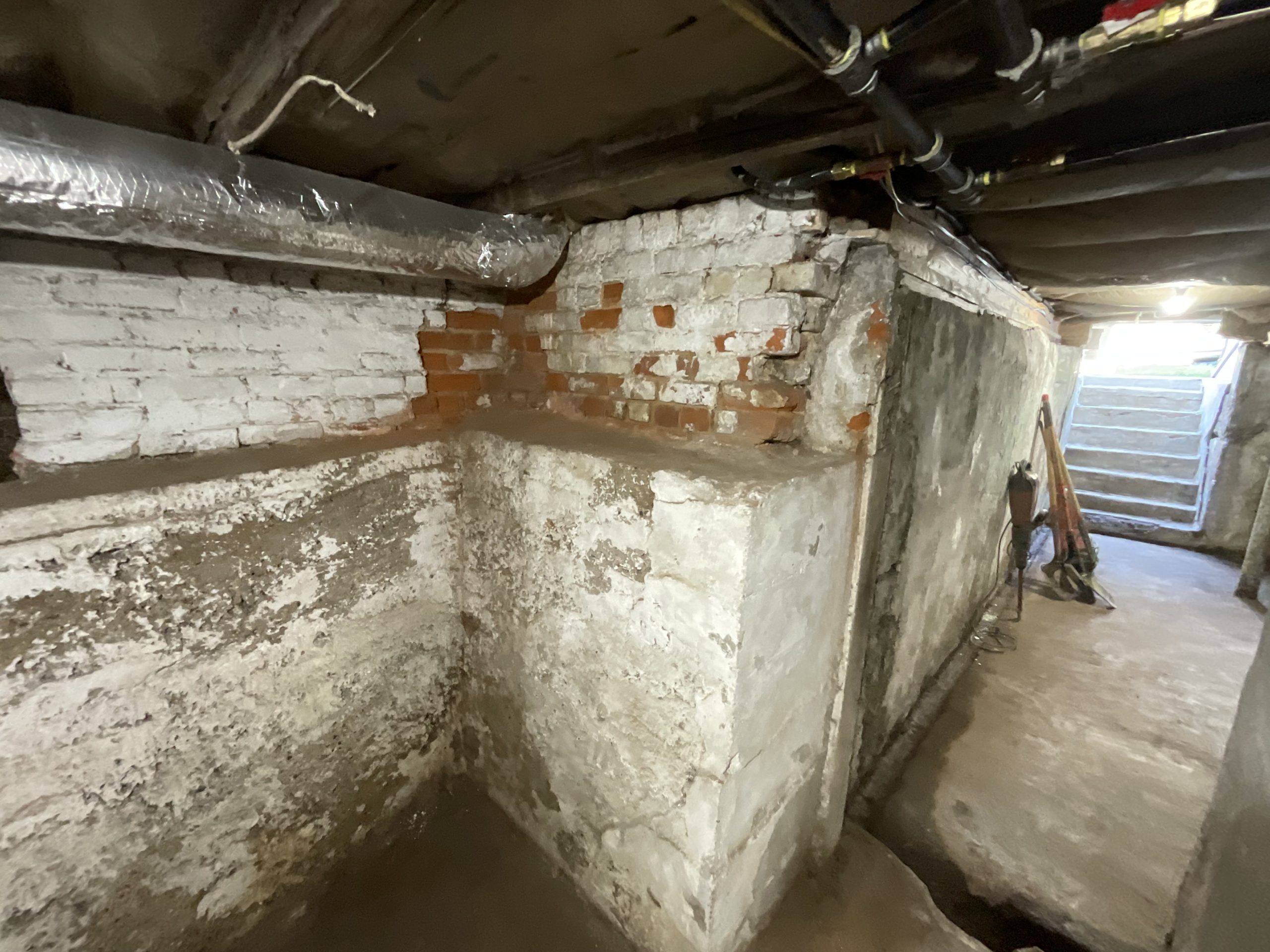
Ever noticed a musty smell in your basement or seen dark patches on the walls? You might be dealing with a moisture problem. It’s more than just a nuisance; it can cause severe structural damage and even pose health hazards. So how can you tell if your basement has a moisture problem? And more importantly, what can you do about it? Let’s explore this further.
Key Takeaways
- Regularly inspect your basement for musty odors, wall stains, and discoloration, which indicate excessive moisture.
- Be vigilant about visual signs of mold, such as discoloration or fuzzy growth, as it suggests serious dampness and poses health risks.
- Monitor humidity levels in your basement, using a dehumidifier if necessary, to maintain levels below 50% and prevent moisture damage.
- Check for structural issues like crumbling foundation, cracks in concrete, and flaking plaster, which suggest long-term moisture problems.
- Look out for pests like silverfish, centipedes, and earwigs, as their presence often signifies a damp environment.
Understanding Basement Moisture
You mightn’t realize it, but your basement could be trying to tell you something. If you’ve noticed your basement is often damp or wet, it’s crying out for help. It’s dealing with excessive moisture and needs humidity control and drainage solutions.
Humidity control isn’t just about comfort; it’s about the health of your basement. When humidity levels rise above 50%, it can cause damage to your walls, furniture, and even your home’s structure. Invest in a dehumidifier to help manage these levels and protect your basement from potential damage.
Drainage solutions are equally important. If water is pooling around your home’s foundation or seeping in through cracks, it’s time to look into a reliable drainage system. Whether that’s improving your gutter system, installing a French drain, or sealing foundation cracks, taking action is essential.
Don’t ignore these signs your basement is sending. By implementing humidity control and effective drainage solutions, you’re not only fixing an immediate problem—you’re investing in the long-term health of your home.
Listen to your basement; it could be the most significant conversation you have all year.
Musty Odors: Unseen Moisture
Lurking in the shadows of your basement, a musty odor can often signal a problem unseen: moisture. This scent is a telltale sign of excessive dampness and, if left unattended, it can lead to bigger issues, such as mold growth or structural damage.
Your basement’s ventilation solutions may need a revamp. When you’re dealing with musty smells, it’s not enough to mask the scent with air fresheners or candles. You need to get to the root of the problem. Improve air circulation. Make sure your basement windows are open and functioning properly.
Humidity control is critical in combating musty odors. A dehumidifier can be a game-changer. It extracts excess moisture from the air, helping prevent condensation and reducing the risk of mold and mildew forming.
Here are a few key takeaways to remember:
- Improve ventilation: Make sure your basement has sufficient airflow.
- Control humidity: Consider investing in a dehumidifier.
- Regular inspections: Regularly check your basement for any signs of moisture.
Tackle these musty odors head-on. Remember, they’re more than just a nuisance; they’re a sign of a potentially bigger issue. Don’t let unseen moisture undermine the health of your basement.
Wall Stains and Discoloration
Let’s move on to discussing wall stains and discoloration in your basement.
You’ll learn how to identify these issues, understand what’s causing them, and find out how to prevent and fix them.
Identifying Wall Stains
Ever noticed strange discolorations or stains on your basement walls? These can be telltale signs of moisture problems. Identifying wall stains is the first step towards maintaining a healthy basement environment.
The wall texture might change due to moisture. It could become bumpy, uneven, or crumbly. This change often signals water damage.
Paint deterioration is another common sign, where the paint on your walls may peel, bubble, or flake off.
When inspecting your walls, look out for these signs:
- Changes in your wall texture, such as bumps or uneven surfaces
- Signs of paint deterioration like peeling, bubbling, or flaking paint
- Any discolorations or stains, which can range from white, powdery deposits to dark, damp patches
Causes of Discoloration
Often, the discoloration or stains you observe on your basement walls are indicative of underlying issues. These unsightly patches can be a red flag for water damage or problems with humidity levels.
Water damage is a common culprit. It may stem from a leaking pipe, faulty drainage system, or a simple case of seepage due to a heavy rainstorm. When water consistently infiltrates your basement, it can cause the paint or plaster on your walls to discolor, peel, or bubble.
Humidity levels also play a significant role. Basements are notorious for being damp, and this excessive moisture can lead to discolored walls. When the air in your basement contains a high amount of water vapor, it can condense on your walls, leading to damp patches that darken and discolor over time.
But it’s not just about aesthetics. Discoloration can also signal the presence of mold or mildew, which thrive in damp environments and can pose serious health hazards.
Prevention and Remediation
Nipping the problem in the bud is the key to preventing discoloration in your basement.
Don’t wait until the walls start showing signs of moisture damage. Be proactive and take steps to keep your basement dry and free from discoloration.
Here are some proven measures that’ll help:
- Dehumidifier installation: By reducing humidity, dehumidifiers can prevent wall discoloration caused by condensation. They’re especially effective in basements, which often have higher humidity levels than the rest of the house.
- Proper insulation: This can prevent condensation, which leads to wall stains. Insulation acts as a barrier between the warm air inside and the cool basement walls, preventing water from condensing on the surface.
- Efficient water drainage: Make certain your property has a good drainage system. This will prevent water from pooling around your home’s foundation, seeping into your basement, and causing moisture problems.
You’re not helpless against wall stains and discoloration.
By being proactive and taking these steps, you can prevent and remediate moisture problems in your basement.
Remember, it’s easier to prevent the problem than it’s to fix it later.
The Dangers of Mold Growth
You’ve spotted wall stains in your basement, but what about mold?
Understanding the signs of mold presence is essential, not just for your home’s health but yours too.
Let’s explore the health risks involved and discuss strategies for preventing mold growth.
Identifying Mold Presence
While it may seem harmless, mold lurking in your basement is a silent villain with the potential to wreak havoc on your health. Identifying its presence early is essential, and it starts with understanding the different mold types that could be invading your space.
Mold comes in many forms, but some common types include Aspergillus, Cladosporium, and the infamous black mold, Stachybotrys. Each of these can thrive in your basement, given the right conditions.
Keep an eye out for discolored spots on surfaces or an unusual musty smell. These are often telltale signs of mold growth.
Here are a few things you can do to identify mold presence in your basement:
- Conduct a visual inspection for any discoloration or fuzzy growth on walls, floors, or objects
- Smell for a musty or damp odor, which is often associated with mold
- If unsure, consider hiring a professional for mold testing
Health Risks Involved
Now that you know how to identify mold in your basement, it’s important to understand why this issue shouldn’t be taken lightly. Exposure to mold can have serious health effects, especially for those with allergies or respiratory issues.
Mold spores can easily become airborne, infiltrating your home’s air supply. When inhaled, these spores can trigger allergic reactions and exacerbate existing conditions like asthma. Symptoms can include runny nose, sneezing, coughing, wheezing, and itching or burning eyes.
But it’s not just allergy sufferers who need to worry. Even if you’re usually hale and hearty, long-term mold exposure can still harm you. Chronic exposure can lead to more serious health problems, including respiratory infections and lung inflammation.
In some cases, mold can produce toxic substances called mycotoxins. These toxins can cause severe health effects, including neurological problems and, in rare cases, death.
In a nutshell, don’t underestimate the health risks involved with mold growth. It’s more than just an unsightly nuisance. It’s a potential threat to your health and wellbeing.
Hence, swift action is needed once you’ve identified mold in your basement. Don’t wait until it’s too late.
Mold Prevention Strategies
Understanding the dangers of mold growth is the first step towards effective prevention. Mold thrives in moist environments, which is why your basement is a prime target.
Don’t fret, there are several strategies you can employ to ward off this unwelcome guest.
To prevent mold growth in your basement:
- Guarantee proper installation of ventilation systems
- Use a dehumidifier to maintain ideal humidity levels
- Regularly check for leaks and promptly fix any found
Ventilation systems play an essential role in circulating air and reducing moisture levels. By guaranteeing these systems are properly installed and maintained, you’re making it harder for mold to take root.
Next, consider dehumidifier installation. Dehumidifiers work by removing excess moisture from the air, creating an environment where mold simply can’t survive.
Lastly, regular checks for leaks are a must. Even the smallest leak can create a damp spot, a perfect breeding ground for mold.
Crumbling or Flaking Concrete
Many homeowners may overlook the issue of crumbling or flaking concrete in their basements, but it’s crucial to address this problem promptly. This kind of deterioration is usually a sign of long-term moisture problems and can lead to serious structural issues if left unchecked.
One of the most common signs you’ll see is a crumbling foundation. This typically starts as small cracks in the concrete, which gradually expand and deepen over time. It’s important to act quickly if you notice this issue. The longer you leave it, the more difficult and expensive it will be to fix.
You should also be on the lookout for flaking plaster. This is another clear indication of moisture issues. When plaster begins to flake, it’s because water is seeping into the concrete, causing it to break down and lose its strength.
Not only is this an aesthetic problem, but it’s also a huge red flag for the overall health of your basement.
Basement Bugs Attracted by Moisture
Aside from the structural implications, there’s another unpleasant consequence of unchecked moisture in your basement – pests.
Basement bugs love damp, dark places and your moisture-laden basement might just be their perfect home. Without effective pest control, these critters can quickly become a nuisance.
You might notice a variety of moisture-loving bugs in your basement, such as:
- Silverfish: These silver, fish-like insects thrive in damp environments and can damage your belongings.
- Centipedes: Found in moist areas, they’re attracted to insects which are also attracted by moisture.
- Earwigs: Though not harmful, their pincers can be intimidating. They’re drawn to moisture and often hide in damp, dark places.
These pests are more than just annoying; they can also pose health risks and cause damage to your property.
They’re attracted by moisture, so if you’ve got a damp basement, it’s like rolling out the welcome mat for these critters.
Pest control is essential, but it’s equally important to address the root cause of the problem. Moisture traps can help to reduce the dampness, but remember, they’re only part of the solution.
Your ultimate goal should be to eliminate the source of the moisture.
Solutions for Basement Moisture Problems
Tackling moisture problems in your basement can seem challenging, but it’s vital for maintaining a healthy home environment. There are several solutions you can consider, including dehumidifier options, drainage solutions, and waterproofing methods.
Consider investing in a dehumidifier to control humidity levels. Various options are available, from portable units to full-house systems. Drainage solutions, such as installing a French drain or a sump pump, can help direct water away from your home. Waterproofing methods include applying a waterproofing paint or installing a moisture barrier.
Insulation techniques, ventilation systems, and sump pump installation are also effective. Proper insulation helps to keep your basement dry while good ventilation guarantees airflow, reducing dampness. A sump pump can be a real lifesaver, preventing water buildup during heavy rains.
Foundation repairs, landscaping adjustments, and moisture barriers are also important. Check your foundation for cracks, which can let in water. Adjusting your landscape to slope away from your home helps prevent water from pooling around your foundation. Moisture barriers can be installed on the walls and floor to help keep your basement dry.
Here’s a table summarizing the options:
| Solution | Description |
|---|---|
| Dehumidifier | Controls humidity |
| Drainage | Directs water away |
| Waterproofing | Prevents water infiltration |
Frequently Asked Questions
What Are the Health Effects of Long-Term Moisture Exposure in Basements?
Long-term moisture exposure in your basement can lead to mold growth.
This isn’t just unsightly, it’s a health hazard. Inhaling mold spores can cause respiratory issues like coughing, wheezing, and even asthma attacks.
If you’re allergic to mold, the reactions can be even more severe.
How Often Should I Perform a Basement Health Check?
You should perform a basement health check at least seasonally.
It’s crucial to catch moisture problems early. Spotting damp walls, musty odors or mold growth are clear moisture indicators you shouldn’t ignore.
Remember, these checks aren’t just about maintaining your home, they’re also about protecting your health from potential long-term exposure to moisture.
What Preventive Measures Can Be Taken to Avoid Moisture Problems in the Basement?
To prevent moisture problems in your basement, you’ll want to focus on two main areas: basement ventilation and moisture barriers.
Proper ventilation helps to keep the air dry and prevent condensation. You should also install moisture barriers on your basement walls and floors.
They’ll provide an extra layer of protection against water seepage. Regular maintenance and checks are key to catching any potential moisture issues early.
Does Homeowners Insurance Typically Cover Damage Caused by Basement Moisture Issues?
Generally, your homeowner’s insurance mightn’t cover moisture claims.
It’s essential to check your policy’s details. Insurance often covers sudden and accidental damage but excludes gradual damage like slow leaks.
So, if you’ve neglected your basement’s health and let moisture problems grow over time, you’re likely on your own for repair costs.
Always stay proactive about maintenance to avoid such issues.
It’s also worth exploring additional coverage options if you’re concerned about basement moisture.
Are There Professional Services Available for Basement Moisture Inspection and Mitigation?
Absolutely, there are professional services available for moisture inspection and mitigation in your basement.
You can hire experts who specialize in identifying and solving moisture problems. They’ll conduct a thorough inspection, pinpoint the source of the dampness, and recommend the best mitigation solutions.
It’s a sensible choice if you’re struggling with persistent basement moisture issues. These services can save you a lot of hassle and prevent potential long-term damage to your home.
Conclusion
So, you’ve got the lowdown on spotting basement moisture issues. From musty smells to wall stains, crumbling concrete to bug infestations, these signs shouldn’t be ignored. Tackle these problems head-on and keep your basement healthy. Remember, it’s not just about protecting your home’s structure, but also safeguarding the health of everyone living in it. Don’t wait until it’s too late, start your regular basement health checks today!
For more than a decade, we have been the go-to waterproofing and related services provider for homeowners across New Jersey. Our reputation has been built on a foundation of delivering exceptional workmanship and top-notch customer service to each and every one of our valued clients.
We truly understand the significance of your home to you and your family, as well as the importance of the services we offer in safeguarding your home. That’s why we take our responsibilities seriously and never compromise on the quality of our work. Our commitment to your satisfaction is unwavering, and we go above and beyond to ensure that you are completely content with every aspect of the job we perform.
When it comes to protecting your home, trust is of utmost importance. At our professional New Jersey Waterproofing Company, we prioritize the well-being of your basement and ensure it remains shielded from any harmful moisture damage, regardless of the job’s size. Whether you require waterproofing, mold remediation, or even foundational or structural repairs, we are always ready and eager to take on any challenge.
Our singular focus is your happiness, and we leave no stone unturned in achieving it. If you are searching for a trustworthy New Jersey waterproofing company to safeguard your home, look no further. Contact us today and experience firsthand what sets us apart from the competition. Your home’s protection is our major priority, and we are here to serve you with dedication and expertise.