
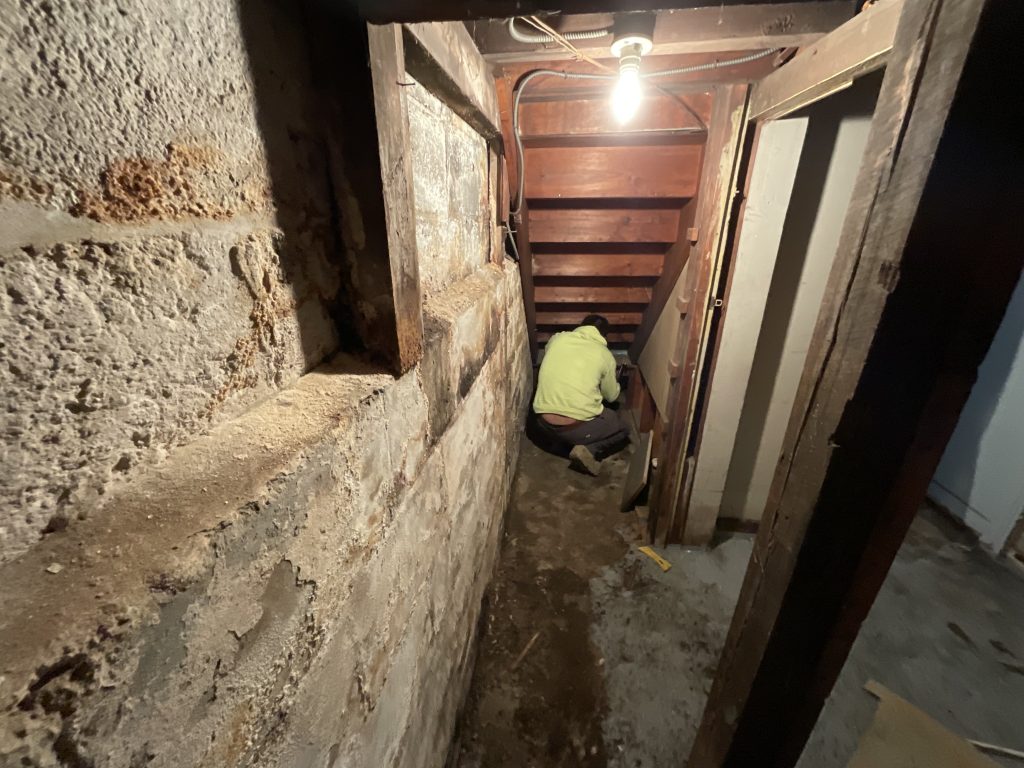
You’ve probably noticed cracks in your home’s foundation, but have you ever stopped to reflect on what they might mean for your property? These seemingly insignificant faults can actually be conduits for water, leading to potential flooding issues. Now, add in factors like poor drainage, soil erosion, and freeze-thaw cycles, and you’ve got a recipe for disaster. But don’t fret just yet – there’s plenty you can do to tackle this issue head on. Stick around, we’re about to explore just how these foundation cracks can turn your dry basement into an indoor swimming pool.
Key Takeaways
- Foundation cracks act as entry points, allowing water to seep in and cause flooding.
- Drainage problems can lead to pooling of rainwater, further exacerbating existing foundation cracks.
- Freeze-thaw cycles can cause soil to shift, widening existing cracks and creating new ones, increasing flood risk.
- Prolonged moisture build-up from foundation cracks can weaken the foundation, heightening the risk of flooding.
- Continuous exposure to moisture can affect the overall structural integrity of the foundation, making it more prone to flooding.
Understanding Your Home’s Foundation
Your home’s foundation is more than just a slab of concrete. It’s the bedrock of your residence, the bulwark that keeps the elements at bay. Understanding the different foundation types and the role of soil conditions can help you appreciate the significance of a solid, well-constructed base.
There are mainly three types of foundations: slab, crawl space, and basement. Slab foundations are the simplest, consisting of a single layer of concrete poured onto the ground.
Crawl space foundations are raised off the ground, providing a gap between your home and the earth. Basements, on the other hand, are fundamentally deep foundations extending several feet underground. Each type has its strengths and weaknesses, and the choice depends on factors like climate, building code, and personal preference.
Soil conditions are another vital factor. The composition, moisture content, and stability of the soil can drastically affect your foundation’s integrity.
Clay-rich soils, for example, can expand and contract with moisture changes, creating pressure on the foundation. Sandy soils, while less susceptible to moisture-induced movement, may lack stability. Understanding these factors can help you maintain your home’s foundation, ensuring the longevity and safety of your structure.
Identifying Foundation Cracks
Given the importance of a solid foundation, it’s equally essential to recognize the signs of potential issues.
Now, you’re probably wondering how you can identify foundation cracks. Don’t worry, we’ve taken care of you. There are a variety of crack types and inspection methods that can help you spot any potential problems.
Start by visually inspecting your foundation. Look for these common signs:
- Horizontal cracks: These are often caused by pressure from soil or water and can lead to serious problems.
- Vertical cracks: Usually less severe, but shouldn’t be ignored.
- Diagonal cracks: Often caused by differential settling of the foundation.
- Stair-step cracks: These appear in brick or concrete block foundations and may indicate more serious issues.
- Wide cracks: Any crack wider than 1/8 inch should be examined by a professional.
If you notice any of these signs, it’s time to take action.
Remember, early detection is key in preventing severe damage.
In the next section, we’ll explore the link between these foundation cracks and potential flooding. Stay tuned for more on this important topic.
Link Between Foundation Cracks and Flooding
Cracks in your foundation aren’t just unsightly – they’re also potential gateways for water intrusion. Once water seeps in, it can lead to a host of problems, including flooding. But how exactly does this happen?
Let’s start with drainage issues. If your property doesn’t have proper drainage, rainwater can pool around your foundation. This excess water can find its way into any existing cracks, exacerbating moisture buildup within your foundation.
Over time, this constant moisture can erode the soil around your foundation, further compromising its structural integrity.
Soil erosion is another key player. Seasonal changes, especially the freeze-thaw cycles of winter, can cause the soil to shift. This movement can widen existing cracks or even create new ones, providing more avenues for water intrusion.
But it’s not just about the cracks. The moisture buildup inside your foundation can also lead to significant damage. Prolonged moisture can weaken your foundation, making it more susceptible to cracks and, ultimately, flooding.
Preventing Foundation Cracks
Understanding the link between foundation cracks and flooding underlines the importance of prevention.
It’s essential that you undertake preventive maintenance to safeguard your home. You can’t afford to overlook the role of moisture control in this process.
To prevent foundation cracks:
- Regularly inspect your foundation for any signs of weakness or damage.
- Make moisture control a priority. This involves maintaining gutters and downspouts, making sure they’re clean and directing water away from your home’s foundation.
- Install a good quality dehumidifier in your basement to reduce dampness.
- Verify your home’s landscaping slopes away from your foundation, preventing rainwater from pooling around it.
- Regularly check and maintain the plumbing systems to prevent leaks that can cause undue moisture.
Repairing Existing Foundation Cracks
When it comes to repairing existing foundation cracks, you’re not powerless. In fact, there are effective ways to tackle this issue head-on. One of the most common methods is crack sealing. It’s a process that involves filling the cracks with a specific sealing compound, preventing water from seeping in.
Installing waterproof membranes is another effective solution. These membranes act as a barrier, keeping water out of your home. They’re typically installed on the exterior of the foundation and work best when combined with a good drainage system.
| Repairing Methods | Effectiveness |
|---|---|
| Crack Sealing | Fills cracks, prevents water seepage |
| Waterproof Membranes | Acts as water barrier, best with drainage system |
| Both Combined | Provides extensive protection |
| Neither | Risk of flooding remains |
Frequently Asked Questions
What Materials Are Typically Used in Residential Foundation Construction?
Typically, you’ll find that residential foundations are constructed using concrete, stone, or brick.
These foundation materials are chosen for their strength and durability. It’s not just about the materials, though. Good construction techniques are also essential. They guarantee the foundation can withstand the weight of the home and resist the elements.
However, despite their strength, these materials aren’t immune to developing cracks over time.
Are There Insurance Policies That Cover Basement Flooding Due to Foundation Cracks?
Yes, you can obtain flood insurance that covers basement flooding due to foundation cracks.
However, it’s important to read the fine print as not all policies will cover this. Many standard homeowner’s insurance policies don’t cover flooding at all.
You’ll likely need to purchase additional flood insurance. Make sure your policy includes coverage for foundation damage to protect yourself from costly repairs.
Always consult with your insurance provider for the most accurate information.
What Are the Potential Health Risks Associated With Basement Flooding?
When your basement floods, you’re potentially exposing yourself to serious health hazards.
Moist, damp environments are perfect breeding grounds for mold growth. Prolonged exposure to mold spores can lead to respiratory issues, allergies, and even severe conditions such as asthma.
Additionally, standing water can attract pests and insects, increasing the risk of diseases.
Does the Size of a Foundation Crack Determine the Severity of Potential Flooding?
Absolutely, the size of a foundation crack can greatly influence the severity of potential flooding. A larger crack allows more water to seep through, increasing the risk of serious flooding.
As a homeowner, you’d want to constantly conduct crack assessments. It’s vital to keep an eye out for any changes in size. Addressing these issues promptly can make a world of difference in flooding prevention.
How Does Climate or Geographical Location Affect the Likelihood of Foundation Cracks Leading to Flooding?
Your geographical location and climate impact the likelihood of flooding from foundation cracks.
If you live in a region with heavy rainfall or frequent freeze-thaw cycles, the risk is higher. Water can seep into cracks, expand when frozen, making the cracks larger.
This allows more water in, which can lead to flooding. So, protect your home by addressing foundation issues promptly, especially if you’re in a susceptible climate or location.
Conclusion
Don’t overlook those foundation cracks! They’re more than just unsightly. They can lead to serious flooding, causing water damage and threatening your home’s structural integrity. Avoid future headaches by addressing drainage issues and promptly repairing existing cracks. Prevention is key, and it’s always cheaper to fix a crack than to deal with a flood. So, protect your home and your peace of mind. Keep an eye on your foundation—it’s the bedrock of your investment.
For more than a decade, we have been the go-to waterproofing and related services provider for homeowners across New Jersey. Our reputation has been built on a foundation of delivering exceptional workmanship and top-notch customer service to each and every one of our valued clients.
We truly understand the significance of your home to you and your family, as well as the importance of the services we offer in safeguarding your home. That’s why we take our responsibilities seriously and never compromise on the quality of our work. Our commitment to your satisfaction is unwavering, and we go above and beyond to ensure that you are completely content with every aspect of the job we perform.
When it comes to protecting your home, trust is of utmost importance. At our professional New Jersey Waterproofing Company, we prioritize the well-being of your basement and ensure it remains shielded from any harmful moisture damage, regardless of the job’s size. Whether you require waterproofing, mold remediation, or even foundational or structural repairs, we are always ready and eager to take on any challenge.
Our singular focus is your happiness, and we leave no stone unturned in achieving it. If you are searching for a trustworthy New Jersey waterproofing company to safeguard your home, look no further. Contact us today and experience firsthand what sets us apart from the competition. Your home’s protection is our major priority, and we are here to serve you with dedication and expertise.