
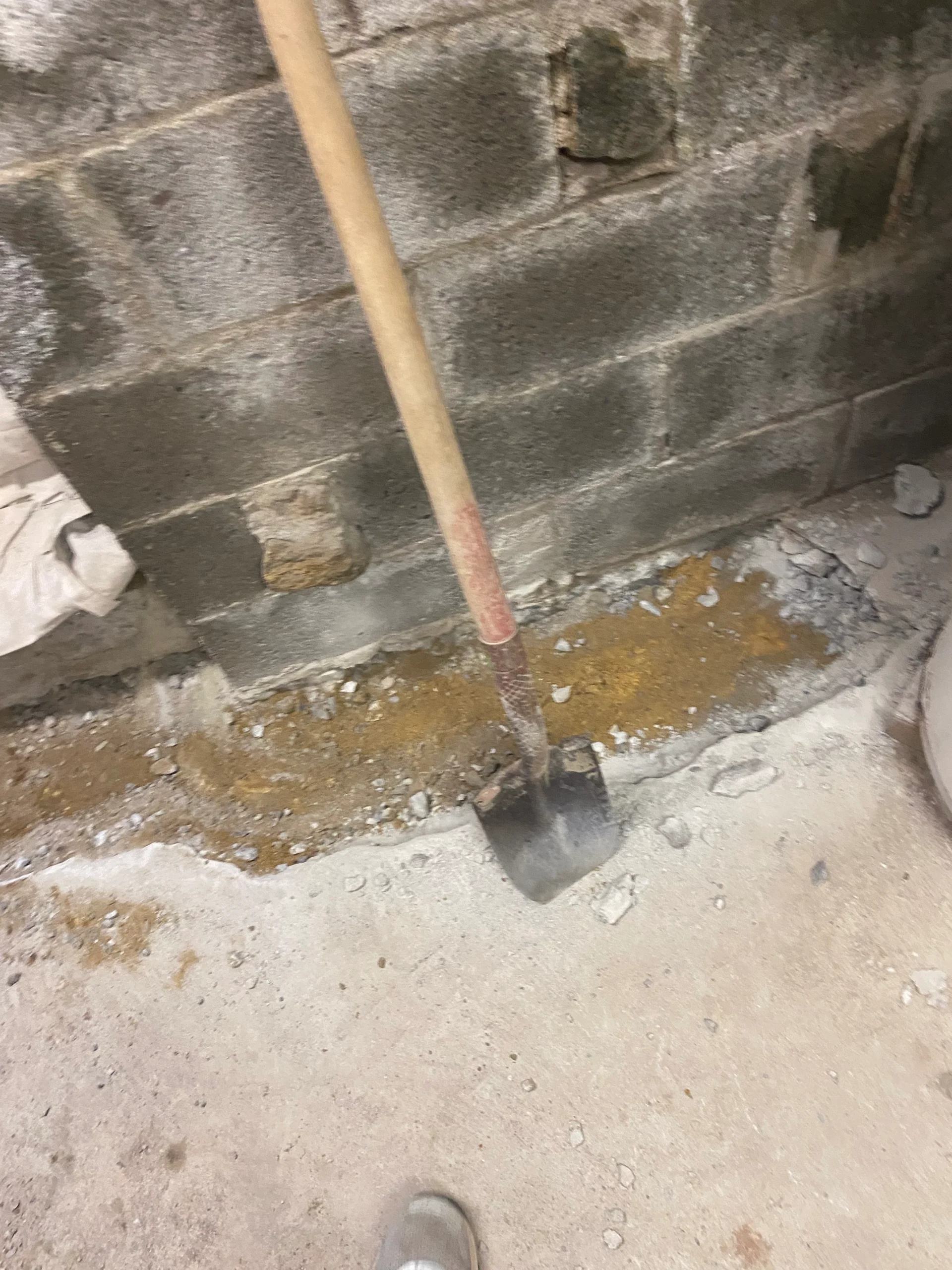
Do you know what to look for to spot early signs of mold in your basement? Discoloration on walls, musty odors, water stains or damp spots, and high humidity levels can all be indicators of a mold issue. But it’s not always that simple. Sometimes, mold hides in the darkest corners, just out of sight. Recognizing these signs can be the difference between minor maintenance and major repairs. So, how do you get ahead of the problem? Let’s explore some strategies that’ll help you keep your basement mold-free.
Key Takeaways
- Look for visible signs of mold, such as discoloration or fuzzy growth on basement surfaces like walls, floors, and furniture.
- Detect musty or damp odors, typically indicating the presence of both visible and hidden mold.
- Check for water stains or discoloration on walls and ceilings, which may suggest hidden mold.
- Monitor the humidity level in your basement, as a consistently high humidity (over 60%) promotes mold growth.
- Regularly inspect for leaks or damp spots in your basement, as these are potential breeding grounds for mold.
Understanding Basement Mold
Spotting basement mold may seem challenging, but it’s not as hard as you might think once you understand what to look for. The key lies in understanding the mold lifecycle and being able to identify mold spores.
Mold spores are microscopic and float along in the air until they find a damp spot to settle down. They’re so small that you can’t see them with your naked eye, but that doesn’t mean they’re not there. If you’ve got a damp, dark basement, you’ve got a prime breeding ground for these pesky spores.
The mold lifecycle starts when a spore lands on a moist surface. It then grows into a colony, producing more spores that can spread throughout your basement. It’s essential to catch mold in its early stages, before it gets a chance to reproduce.
Look for discoloration on walls, floors, or ceilings. Mold often appears as speckled patches of black, green, or white. You may also notice a musty odor.
Don’t ignore these signs! Remember, understanding mold’s lifecycle and being able to spot mold spores early on can save you a lot of trouble down the road.
The Dangers of Mold Exposure
While you mightn’t see it, mold lurking in your basement isn’t just unsightly; it can pose serious health risks. The moment you start to notice allergy symptoms such as sneezing, watery eyes, or a runny nose without any apparent reason, it could be a sign of mold exposure.
Mold spores are microscopic and can easily infiltrate your respiratory system, leading to persistent coughing, wheezing, and other respiratory issues.
Prolonged, toxic exposure to certain types of mold can result in more severe mold-related illnesses. These might include chronic lung diseases or even neurological problems.
If you’re already dealing with an existing health condition, especially one that weakens your immune response, the impact can be even more devastating. Mold can exacerbate these conditions, making recovery an uphill battle.
Don’t downplay the dangers of mold exposure. It’s not about just cleaning an unsightly mess; it’s about safeguarding your health.
The sooner you can identify and address the presence of mold in your basement, the better chance you’ll have at preventing these health risks.
Always prioritize your well-being, because your health isn’t something you should gamble with.
Common Types of Basement Mold
Understanding the types of mold commonly found in basements is the first step in preventing and addressing this health hazard. Awareness of mold identification is essential, and you’ll often encounter three common types: black mold, white mold, and green mold.
- Black Mold: Often considered the most toxic mold, black mold releases mold spores that can cause serious health problems. It’s a type of basement fungus that thrives in damp, dark, and humid conditions.
- White Mold: This mold type can be harder to spot as it blends with white walls. Though not as toxic as black mold, it’s still a health concern.
- Green Mold: This mold type is common and can grow on almost any surface, including walls, floors, and furniture.
Each type of mold poses a unique risk and requires specific mold prevention strategies. Staying vigilant about the conditions in your basement will help in early detection and management.
Identifying Musty Mold Odors
Nearly every homeowner knows the distinct, musty smell of mold – a telltale sign that could indicate a mold problem in your basement. It’s an odor you can’t ignore. You may notice it when you’re retrieving holiday decorations or doing laundry. This musty smell is one of the earliest indicators of mold growth, even before visible signs appear.
In the quest for musty smell identification, you should understand the potential mold odor sources. They’re typically damp areas, often hidden behind walls, under floors, or in ceiling tiles.
To help you identify this musty odor and relate it to your experiences, here’s a table:
| Smell | Source | Example |
|---|---|---|
| Damp, earthy | Wet soil, damp basement | Rain-soaked forest floor |
| Old, stale | Poorly ventilated spaces | Old book |
| Sharp, pungent | Organic decay | Rotten wood |
| Moist, heavy | High humidity areas | Steamy bathroom |
| Cool, mildewy | Damp fabrics | Wet laundry left too long |
If you’re detecting these odors, it’s time to investigate. Don’t ignore your nose – it could be the early warning you need to prevent a full-blown mold issue.
Recognizing Mold Color Variations
Aside from smell, you can spot mold in your basement by recognizing its color variations.
It’s important to know that mold isn’t always black – it can also be white, green, or even pink.
Identifying these colors can give you a better understanding of the type of mold you’re dealing with and its potential implications.
Identifying Mold Colors
Mold’s rainbow of trouble, from black to white and everything in between, can be your early warning system against a full-blown basement infestation.
Each mold color carries its own significance, and identifying these hues is an essential step in your mold detection journey.
With the right color identification techniques, you can spot mold’s telltale palette in your basement – even before it becomes a major problem.
The key is to know what each color might indicate. Here’s what to look for:
- Black or green mold: Often the most visible, these molds typically indicate a long-standing moisture problem.
- White or grey mold: These colors might suggest more recent growth, though it’s still a cause for concern.
- Yellow or brown mold: These hues often hint at a more severe issue, such as a significant water leak.
Mold Color Implications
Peering into the damp corners of your basement, you might notice a kaleidoscope of mold colors each with its own implications. This is where understanding mold color psychology comes into play.
You see, different colors don’t just indicate various mold types; they also hint at the severity of your mold problem. Black mold, for instance, might scare you the most because of its notorious health risks. However, white or green molds could also signify an old, mature colony that’s been spreading for a while. That’s the mold color significance you can’t ignore.
But here’s the catch: color alone can’t tell you everything about your mold situation. For example, all molds, regardless of color, can cause health issues if you’re allergic or have a compromised immune system.
Plus, color might change as mold matures or depending on the material it’s growing on. Therefore, while recognizing color variations is a vital first step, don’t rely on it solely.
It’s always best to get a professional mold inspection if you spot any suspicious spots in your basement. That way, you can be sure of what you’re dealing with and how to best handle it.
Water Damage and Mold Growth
Surprisingly, a staggering 98% of basements in the U.S. will suffer from some sort of water damage during their lifespan, leading to potential mold growth.
Water damage, often caused by external water sources, inadequate moisture control, or poor drainage solutions, can be the perfect storm for mold development.
Continuous exposure to water can weaken construction materials, especially if they’re not waterproof. Consequently, you need to prioritize basement sealing to help prevent water penetration.
It’s important to remember that climate factors can affect moisture levels too, enhancing the risk of mold.
However, don’t overlook the importance of effective ventilation systems and insulation. These not only help with moisture control but can also aid in leak detection and flood prevention.
Consider this scenario:
- Imagine walking into your basement and noticing a musty smell. You see water pooling in an area that you’d never noticed before. The paint on the walls is beginning to bubble and peel.
- You feel a cold draft despite having proper insulation. Upon investigation, you realize your insulation is damp, a clear sign of water intrusion.
- Despite having a drainage system, you notice it’s not functioning at its best, due to blockage or damage, failing to divert water away from your home.
Visible Mold Versus Hidden Mold
Your basement’s worst enemy can often be invisible. Hidden mold is as much a threat as visible mold, but it’s trickier to spot.
Visible mold is easier to identify. It often appears as a fuzzy or slimy patch that may be green, black, brown, or white. It gives off a musty or damp smell, and you’ll find it on walls, floors, or furniture.
Hidden mold, on the other hand, lurks out of sight. It hides behind walls, under floors, or in the ceiling. You might not see it, but you’ll know it’s there if you smell a strong, musty odor.
Here’s a table to help you distinguish between the two:
| Visible Mold | Hidden Mold | |
|---|---|---|
| Appearance | Fuzzy or slimy patch, may be green, black, brown, or white | Invisible, hides behind walls, under floors, or in the ceiling |
| Smell | Musty or damp | Strong, musty |
| Location | Walls, floors, furniture | Behind walls, under floors, ceiling |
The Connection Between Humidity and Mold
You mightn’t realize it, but humidity plays an essential role in mold growth in your basement.
When you understand how humidity contributes to mold proliferation, you’re better equipped to control it.
Let’s discuss the relationship between humidity and mold, and how managing your home’s humidity levels can help prevent mold infestations.
Understanding Humidity’s Role
High levels of humidity in a home can often lead to the growth of unwanted mold, particularly in a basement. Understanding this connection between humidity and mold begins with recognizing the various sources of humidity in your home.
Your home’s humidity sources can range from natural ones like the weather and location, to man-made ones like heating and cooling systems, or daily activities such as cooking, bathing, and laundry. These all contribute to the overall moisture in your home, which can seep into your basement and create an ideal environment for mold to thrive.
To keep tabs on the humidity levels in your home, you’d want to invest in a good humidity measurement tool. Hygrometers or humidity sensors are commonly used for this purpose.
To help you visualize, consider the following:
- A steamy kitchen after a long cooking session
- A bathroom fogged up after a hot shower
- A basement feeling damp after running the dryer
Humidity and Mold Growth
Amid the everyday activities in your home, it’s easy to overlook the connection between humidity and mold. But, it’s essential to understand that higher humidity levels can create the perfect environment for mold growth.
Humidity sources, such as showers, steamy cooking, or even the natural environment, can boost indoor humidity levels. These humidity levels, especially if they exceed 60%, can encourage mold spores to grow and multiply.
You mightn’t notice it at first, but small patches of mold can quickly develop into larger, potentially harmful infestations.
It’s not just visible mold you need to worry about. High humidity can also lead to hidden mold growth behind walls or beneath floors, places you don’t regularly check.
This hidden mold can release spores into the air, which can trigger allergies or asthma and compromise your home’s air quality.
Controlling Home Humidity Levels
Understanding the link between humidity and mold is only half the battle; it’s equally important to know how to control your home’s humidity levels.
Controlling humidity isn’t just a one-off task; it’s a constant vigil that involves a combination of activities and equipment.
One of the first things you should invest in is a humidity monitor. This device will give you an accurate reading of your home’s current humidity levels. High readings mean you’ve got to take action.
Here are some ways you can control humidity:
- Install a dehumidifier: Various dehumidifier options exist, from whole-home systems to smaller, portable units. They work by removing excess moisture from the air.
- Improve ventilation: Proper air circulation can greatly reduce humidity. Consider installing ventilation systems, especially in your basement.
- Add moisture barriers: These barriers, usually installed in the basement or crawl spaces, help prevent ground moisture from seeping into your home.
Preventing Mold Growth in Basements
Before mold takes root in your basement, there are steps you can take to prevent its growth. Start by installing a robust ventilation system. Proper air circulation is key to preventing mold as it keeps humidity levels low.
Incorporating moisture barriers in your basement walls and floors also deters mold growth.
Invest in a good drainage solution. Sump pumps can be effective by reducing water accumulation, a major cause of mold.
Basement insulation helps maintain temperature control, preventing condensation that can lead to mold.
Using dehumidifiers is another effective strategy. Dehumidifier use reduces the moisture content in the air, creating an environment unsuitable for mold.
Regular inspections are also important. Look for any leaks or damp spots as these are areas where mold is likely to form.
Consider using mold-resistant materials when finishing your basement. These include paints and building materials designed to resist mold growth.
Finally, maintain a consistent temperature. Temperature control is essential as mold thrives in warm, damp conditions.
Professional Mold Inspection and Removal
If you’ve spotted mold, it’s time to call in the professionals.
You’ll want to understand the inspection process, learn about the essential techniques they’ll use for mold removal, and ask about ways to prevent future mold growth.
Let’s explore what this all entails, ensuring you’re prepared for each step.
Understanding Mold Inspection Process
Steering through the mold inspection process can feel intimidating, but it’s not as complex as you might think.
Initially, a trained inspector will evaluate your basement using specialized mold inspection tools. These tools, such as moisture meters and thermal imaging cameras, play an essential role in detecting unseen mold growth.
The inspection frequency depends on various factors, including your home’s age, past mold issues, and the presence of water damage. Typically, you should schedule an inspection annually or if you notice signs of mold.
To help you visualize the process, consider the following stages:
- Initial Assessment: The inspector examines your basement to identify potential mold sources and growth areas.
- Sampling: Samples are taken, if necessary, from various areas to identify the type and extent of the mold.
- Report and Plan: The inspector provides a detailed report of findings and a mold remediation plan.
Essential Mold Removal Techniques
As you plunge into the world of mold removal, understanding the fundamental techniques can make a world of difference. There are numerous mold removal methods you can employ, from professional services to DIY techniques.
If you’re dealing with a large mold problem, professional mold inspection and removal are your best bets. Pros are equipped with advanced tools and knowledge to safely eradicate mold from your basement. They’ll identify all mold sources, remove them completely, and guarantee your space is mold-free.
However, for small mold patches, DIY techniques can be effective. Mold can be scrubbed away using a mixture of warm water and detergent. For tougher spots, a solution of one part bleach to 10 parts water can work wonders. Remember, safety is paramount. Always wear gloves, goggles, and a mask.
Whether you’re opting for professional help or going the DIY route, it’s vital to start the process immediately upon spotting mold. You don’t want to let it spread and cause more damage to your basement.
In the end, the method you choose depends on your situation and preference. Each has its own benefits and drawbacks. But, knowing these techniques can definitely help you navigate this challenge.
Preventing Future Mold Growth
To safeguard your basement against future mold growth, consider regular professional mold inspections and removal as your first line of defense.
Mold inspection experts have the know-how to spot potential mold growth areas that you may overlook. They’ll also guarantee the complete removal of existing mold, reducing the chances of a future outbreak.
Investing in mold-resistant materials is also a smart move. These materials, unlike conventional ones, are designed to resist mold growth, keeping your basement mold-free for longer periods.
Opt for mold-resistant drywall or paints when refurbishing your basement.
Proper ventilation systems can’t be overlooked. Basements, being typically damp and poorly ventilated, are a mold’s dream environment.
Installing an efficient ventilation system will keep your basement dry and well-aired, discouraging mold growth.
To paint a clearer picture, here are three things to keep in mind:
- Arrange for regular professional mold inspections and removal.
- Use mold-resistant materials for any basement refurbishments.
- Install a good ventilation system to keep the basement dry and well-ventilated.
Frequently Asked Questions
Are Certain Materials in My Basement More Susceptible to Mold Growth?
Yes, certain materials in your basement are more susceptible to mold growth.
These are often referred to as ‘mold friendly materials.’ They include things like paper, wood, or fabric that retain moisture well.
If you’ve got a lot of these in your basement, you should be extra vigilant.
Keep an eye out for discoloration, a musty smell, or a fuzzy appearance; these can all be early signs of mold.
Does Homeowners Insurance Usually Cover Mold Removal?
Yes, your homeowners insurance might cover mold removal, but it usually depends on the cause.
If it’s due to a sudden and accidental water damage like a burst pipe, you’re likely covered.
However, if mold growth is due to neglect or lack of maintenance, you’re probably not.
It’s important to thoroughly read your policy or speak directly with your insurance provider to understand the specifics of your mold coverage and insurance limitations.
Can Using a Dehumidifier Prevent Mold Growth?
Absolutely, using a dehumidifier can prevent mold growth in your basement.
It’s all about controlling humidity. Mold thrives in moist, damp conditions. If you’ve got a dehumidifier, you’re effectively reducing the moisture level in the air. This makes your basement a less hospitable environment for mold to grow.
However, remember, it’s not a foolproof solution. You’ve got to regularly maintain your dehumidifier for it to work efficiently.
What Are the Health Risks of Living in a House With Mold in the Basement?
Living in a house with mold in the basement can pose serious health risks.
You may experience mold symptoms like sneezing, skin rashes, eye irritation, and respiratory issues. If you’ve allergies or asthma, your condition might worsen.
Prolonged exposure could even lead to serious lung infections.
How Often Should I Inspect My Basement for Signs of Mold?
You should inspect your basement for signs of mold regularly, at least once every few months.
If your basement is prone to dampness, increase your inspection frequency.
Look for discoloration on walls, a musty smell, or any water leaks.
These are key mold detection tips.
Remember, it’s easier to prevent mold than to get rid of it once it’s taken root.
Stay vigilant and keep your basement dry.
Conclusion
In wrapping up, it’s essential to keep an eye out for early signs of mold in your basement. Look for discolored spots, musty smells, and damp areas, especially around windows, pipes, and corners. Stay ahead by monitoring your basement’s humidity, keeping it below 60%. Remember, prevention is key, but if mold does develop, don’t hesitate to call in the pros. Your health and home are worth it.
For more than a decade, we have been the go-to waterproofing and related services provider for homeowners across New Jersey. Our reputation has been built on a foundation of delivering exceptional workmanship and top-notch customer service to each and every one of our valued clients.
We truly understand the significance of your home to you and your family, as well as the importance of the services we offer in safeguarding your home. That’s why we take our responsibilities seriously and never compromise on the quality of our work. Our commitment to your satisfaction is unwavering, and we go above and beyond to ensure that you are completely content with every aspect of the job we perform.
When it comes to protecting your home, trust is of utmost importance. At our professional New Jersey Waterproofing Company, we prioritize the well-being of your basement and ensure it remains shielded from any harmful moisture damage, regardless of the job’s size. Whether you require waterproofing, mold remediation, or even foundational or structural repairs, we are always ready and eager to take on any challenge.
Our singular focus is your happiness, and we leave no stone unturned in achieving it. If you are searching for a trustworthy New Jersey waterproofing company to safeguard your home, look no further. Contact us today and experience firsthand what sets us apart from the competition. Your home’s protection is our major priority, and we are here to serve you with dedication and expertise.