You’ve probably heard that black mold in your basement isn’t something to shrug off, but do you know why? The potential health risks alone, including respiratory problems and skin irritations, should be enough to grab your attention. But consider this – it can also wreak havoc on your property’s value and structural integrity. Now, wouldn’t you want to know more about identifying, treating, and preventing such a troublesome intruder?
Key Takeaways
- Black mold in basements can cause severe health issues, including respiratory infections and neurological problems.
- Damp, poorly ventilated basements are ideal environments for mold growth, leading to potential infestations.
- The presence of black mold can significantly decrease property value and may deter potential buyers.
- Untreated mold can weaken a building’s structure, leading to costly repairs and potential safety hazards.
- Professional mold remediation is vital to ensure complete eradication and prevent future growth, safeguarding both health and property.
The Dangers of Black Mold
In the confines of your basement, the lurking danger of black mold can present serious health risks. Don’t be fooled by mold myths that suggest all molds are harmless. Black mold, scientifically known as Stachybotrys chartarum, is a toxic mold that can have detrimental effects on your health.
You might experience allergy-like symptoms at first, such as sneezing, runny or blocked nose, red eyes, and skin rash. You could also suffer from persistent headaches, fatigue, and a strange musty odor in your home.
But, these aren’t the worst of your worries. Long-term exposure to black mold can lead to more severe health issues like respiratory infections, neurological problems, and in rare cases, can be life-threatening.
While it’s easy to dismiss these symptoms as regular allergies or a common cold, it’s essential that you don’t. The root cause could very well be the black mold growing unnoticed in your basement.
Don’t let mold myths lull you into a false sense of security. Take the health risks seriously, because ignoring black mold isn’t worth the gamble with your health.
Identifying Black Mold in Basements
While you may think your basement is free of any health hazards, black mold could be silently thriving in the damp corners. Mold identification techniques will be your first line of defense against this unseen foe.
Black mold, also known as Stachybotrys chartarum, is often mistaken for dirt or soot because of its dark color. However, it’s texture and consistency can help differentiate it. Black mold is usually slimy and sticky to the touch, unlike dust or soot which are dry.
Visual mold indicators can be quite subtle, but once you know what you’re looking for, they become more apparent. Here are few signs to look for:
- Dark spots on walls, ceilings or floor which are irregular in shape.
- Persistent musty odors that don’t dissipate even after cleaning.
- Condensation on windows, walls or pipes, which creates the damp conditions black mold thrives in.
How Black Mold Affects Health
You’ve got a good handle on identifying black mold now, but knowing what it looks like is only half the battle.
Now it’s essential to understand how black mold affects health. When you’re exposed to black mold, you might experience a slew of mold symptoms. These can range from mild, such as sneezing, itchy eyes, or a runny nose, to severe, like shortness of breath or skin rashes.
Allergy reactions are a common response to black mold. If you’re allergic to mold, your symptoms might be more intense. You could experience wheezing, redness or hives, and even fever or shortness of breath. It’s important to take these symptoms seriously and seek medical help if they persist.
But it’s not just those with allergies who need to worry. Prolonged exposure to black mold can affect anyone’s health.
It can cause chronic sinus problems, persistent headaches, and fatigue. In severe cases, it might even lead to neurological issues or lung damage.
Black Mold’s Impact on Property Value
Black mold does more than just threaten your health; it can also sink your property’s value. Once black mold infests your basement, it becomes a ticking time bomb for property depreciation. You should consider this seriously because the presence of mold can be a deal-breaker for potential buyers, even reducing your home’s value by thousands.
Imagine these scenarios:
- Buyers walking away because mold inspections reveal a black mold issue
- Settling for a lower selling price due to the buyer’s fear of potential health risks
- Spending a significant amount on mold remediation before selling
These are just some of the ways black mold can hurt your pocket. It’s not just about the visible damage, but it’s the hidden costs and the potential for future problems that really scare buyers away.
Consequently, if you’re planning to sell your house, don’t ignore black mold. Addressing it promptly can save you from a significant property value loss. Remember, it’s not just your health on the line, but also your financial well-being.
Black Mold and Structural Damage
When left untreated, black mold can wreak havoc on your home’s structure.
It’s not just an unsightly nuisance; it’s a threat to the structural integrity of your home. Over time, black mold’s tiny spores can burrow into the wooden components of your house, causing them to weaken and rot. This not only compromises the structural stability of your home but can lead to costly repairs if not addressed promptly.
Moisture control is paramount in the fight against black mold. It thrives in damp, humid environments, so maintaining a dry basement is key.
If you’re noticing an increase in mold growth, it’s a clear sign that moisture control in your basement is inadequate and needs addressing.
Common Causes of Basement Mold
You might be wondering what causes basement mold in the first place.
Let’s start by identifying the most common sources.
Then, we’ll discuss how poor ventilation can exacerbate the problem.
Identifying Mold Sources
Stealthily, mold can creep into your basement, turning it into a breeding ground for harmful spores.
It’s essential to be proactive in identifying its sources, to prevent the adverse health effects that come with a mold-infested environment. You’ll need effective mold detection methods and moisture control solutions to fight this silent invader.
Typically, mold thrives in damp, dark, and poorly ventilated areas, which makes basements an ideal habitat.
It can originate from various sources:
- Leaky pipes or seepage through foundation walls: This creates an environment rich in moisture, just right for mold to flourish.
- Damp basement floors: If left unchecked, this can be a silent but effective mold breeding ground.
- Condensation on cold surfaces: When warm, moist air comes into contact with cold surfaces, condensation forms, providing an ideal condition for mold growth.
To combat this, consider investing in a high-quality dehumidifier and fixing leaks promptly.
Regular inspections for mold and quick execution of moisture control solutions are imperative.
Effects of Poor Ventilation
Moving from mold detection to its root causes, poor ventilation stands out as a significant contributor to basement mold. You might wonder, why is that? Well, ventilation systems work to maintain air circulation, controlling the humidity and temperature in your basement.
When there’s inadequate ventilation, it creates a perfect environment for mold to thrive.
Now, you might think your basement is just a storage area, not needing much attention. But, ignoring the impact of poor ventilation won’t make the problem disappear. High humidity levels coupled with stagnant air create a breeding ground for black mold.
So, what can you do? It’s crucial to keep an eye on the effectiveness of your ventilation systems. If you notice condensation on windows, damp walls, or a musty smell, these are telltale signs of poor air circulation.
Don’t wait for black mold to appear before taking action.
Professional Mold Remediation Services
Now, let’s move on to discussing professional mold remediation services.
It’s important for you to understand the process and why hiring a professional could be an essential step in eradicating black mold from your basement.
We’ll also talk about the costs involved in these services.
Understanding Mold Remediation Process
In the battle against black mold, understanding the mold remediation process is your first line of defense.
It’s not as intimidating as you might think, and knowing what happens can give you peace of mind.
The first step in the process is establishing mold testing methods. This is vital for identifying the presence of mold, its type, and how widespread it’s in your basement.
Next, professionals focus on establishing the mold growth conditions. This helps them understand how and why the mold is thriving, which is essential in developing a thorough plan to eradicate it.
Here’s a brief breakdown of what the mold remediation process looks like:
- Inspection and mold testing: Experts inspect your basement thoroughly, using advanced mold testing methods to detect hidden growth.
- Mold containment: This step involves isolating the affected area to prevent the mold from spreading.
- Mold removal and cleaning: After containment, the remediation team removes the mold and cleans the area with special solutions.
Importance of Professional Services
Tackling black mold in your basement might seem like a doable DIY project, but the benefits of professional mold remediation services can’t be overstated. The mold inspection benefits are tangible and worth every penny.
Professionals don’t just clean the visible mold; they dig deeper to unearth the root cause and eliminate it completely. An expert assessment’s importance becomes evident when you realize that every mold situation is unique.
Professionals analyze the extent of the mold infestation, the type of mold, and the potential damage it could cause. This knowledge allows them to tailor the remediation process according to your specific situation.
Moreover, professional services guarantee the risk of exposure to toxic black mold is minimized. They’ve the right equipment and training to handle mold safely, reducing the risk of spreading it further in your home.
Lastly, hiring professionals saves you time. They’re efficient and thorough, so you can get back to living in a mold-free environment faster.
Cost of Mold Remediation
While the benefits of hiring a professional mold remediation service are clear, you may be wondering about the financial commitment such a decision entails.
Understanding mold removal costs and the details of remediation pricing can ease your mind and help you better plan for this necessary expense.
The cost can vary greatly depending on the size and severity of the mold infestation. Generally, you can expect to pay anywhere from $500 to $6,000 for professional mold remediation services.
However, in cases of severe infestations that have spread throughout an entire house, costs can exceed $10,000.
Imagine these factors influencing the cost:
- The square footage of mold contamination: Larger areas will naturally cost more.
- The location of mold: Mold that’s hidden behind walls or in ceilings can be more difficult and expensive to remove.
- The type of mold: Some types of mold are more dangerous and require more safety measures during removal, increasing the cost.
DIY Mold Removal Precautions
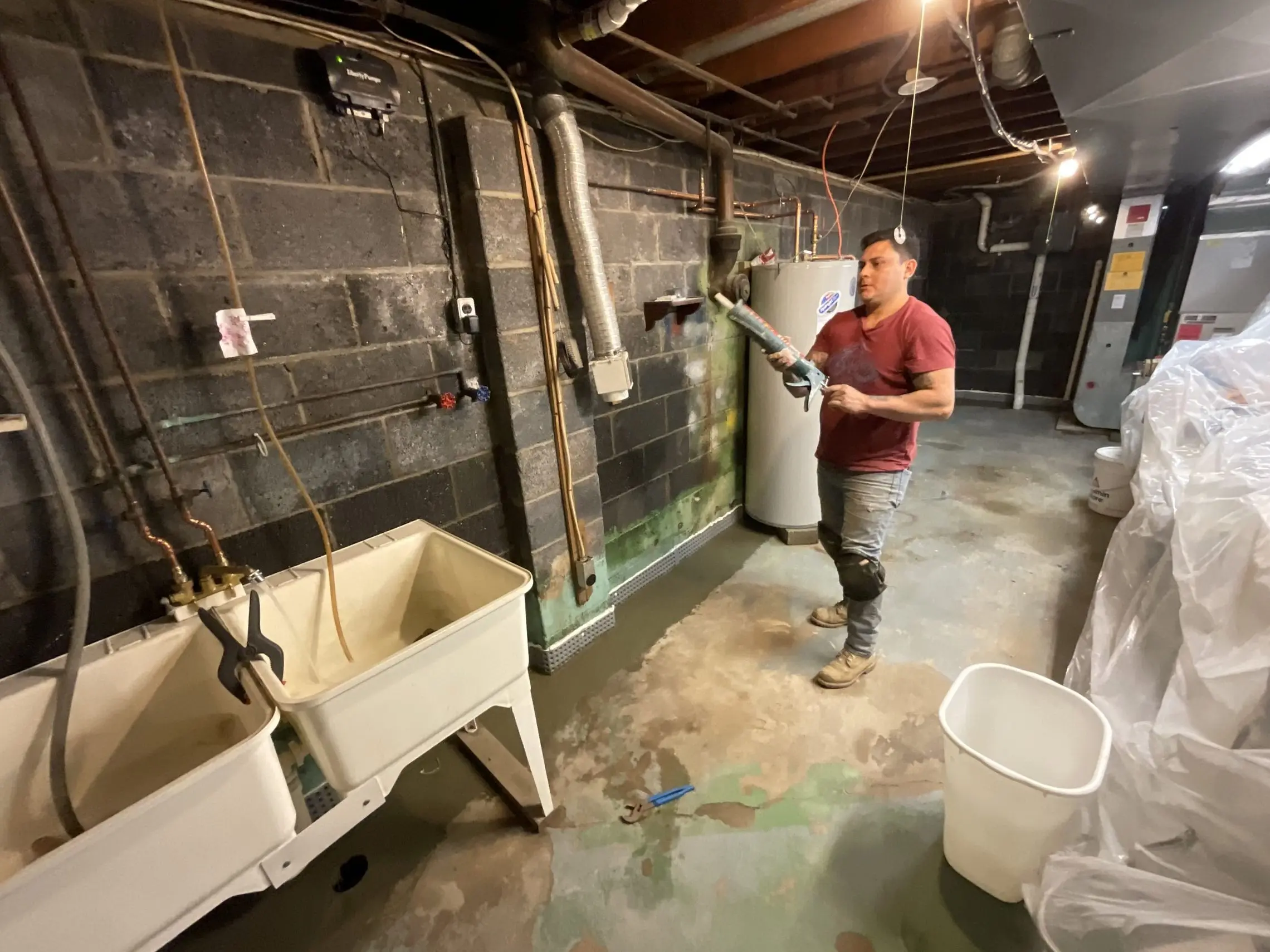
Before you decide to tackle black mold in your basement yourself, it’s crucial to understand the risks and necessary precautions. Black mold isn’t just unsightly; it can also pose serious health risks, especially for those with allergies or respiratory conditions. You can’t just scrub it away without taking proper safety measures.
First off, arm yourself with the right equipment. This is where DIY safety tips come into play. Protective clothing, gloves, goggles, and a respirator mask are a must. Mold spores are tiny and can easily be inhaled or come into contact with your skin. Verify you’re fully covered before you start the mold removal process.
Next, consider your mold removal methods. You might think bleach is the answer, but it’s not always the most effective solution. Instead, opt for a mold-killing product specifically designed for the task.
Also, remember to seal off the area you’re working in to prevent mold spores from spreading to other parts of your home.
Preventing Future Mold Growth
After you’ve successfully removed mold from your basement, your job isn’t over. You’ve won the battle, but the war against mold is ongoing. Now, it’s time to focus on preventing future mold growth.
One effective measure is to use mold resistant materials. If you’re renovating or repairing your basement, choose materials specifically designed to resist mold growth. These include mold-resistant drywall or paint, which can greatly reduce the chance of mold returning.
However, the most critical factor in mold prevention is controlling the humidity level in your basement. Mold thrives in moist environments, so it’s crucial to keep your basement dry. Invest in a good quality dehumidifier and make sure to maintain it properly.
To create a vivid image of these steps, consider the following:
- Imagine your newly renovated basement, gleaming with mold-resistant paint, providing a barrier between your home and the mold spores.
- Visualize your powerful dehumidifier, quietly working away, keeping the moisture levels low and preventing mold from gaining a foothold.
- Think of yourself, confidently enjoying your mold-free basement, knowing you’ve taken the right steps to prevent any future problems.
Maintaining a mold-free environment requires diligence, but with the right materials and humidity control, you can keep your basement safe and healthy.
Insurance Coverage for Mold Damage
You might be wondering if your homeowner’s insurance covers mold damage.
It’s crucial to understand what mold damage claims entail and be aware of any policy limitations on mold.
Understanding Mold Damage Claims
Dealing with mold damage in your basement can be an intimidating task, especially when it comes to understanding your insurance coverage.
Mold insurance can be a tricky field to navigate, but it’s crucial to your claim process. Here’s what you need to know.
- First, you’ll need to report the mold damage to your insurance company as soon as possible. Time is of the essence in these situations.
- Second, document everything. This includes photos of the damage, receipts for any repair work, and medical records if you or your family have been affected by mold-related illnesses.
- Finally, always follow your insurer’s instructions carefully. They’ll guide you through the claim process.
Understanding your mold insurance coverage isn’t just about knowing what’s included in your policy.
It’s also about knowing how to effectively file a claim, preserve evidence, and keep an open line of communication with your insurer.
Don’t underestimate the importance of these steps. They could be the difference between a successful claim and a denied one.
Policy Limitations on Mold
Steering through the ins and outs of mold insurance coverage may seem intimidating, but it’s just the tip of the iceberg. You need to comprehend the limitations placed on mold policies.
Insurance companies have policies to limit their mold liability due to the high costs associated with mold damage. Most standard homeowner’s insurance policies exclude coverage for mold damage, unless it’s caused by a “covered peril.” This is a term used to denote certain risks, such as fire or theft, that are included in your policy.
You should be aware of legal regulations surrounding mold insurance. Some states have laws requiring insurers to offer optional mold coverage for an additional premium. However, these options can be pricey and often come with limitations on the amount the insurer will pay for mold-related claims.
In a nutshell, you can’t afford to ignore the mold policy limitations. Understanding them can make a huge difference when it comes to protecting your home and wallet.
Don’t assume you’re covered; confirm it. Speak with your insurance agent, learn about your mold liability, and know your rights.
Frequently Asked Questions
Can Black Mold Spread to Other Areas of the House From the Basement?
Yes, black mold can spread from your basement to other areas of your home. It travels through air currents and can attach to clothing or pets.
To prevent this, you’ll need to implement mold prevention strategies such as regular cleaning and maintenance.
Basement ventilation tips include using dehumidifiers and ensuring proper airflow.
Don’t ignore black mold, it’s a health hazard and can cause serious damage to your home.
What Are the Early Signs of Mold-Related Health Issues in Pets?
If your pet’s been exposed to mold, you’ll notice some early symptoms.
They might start scratching excessively, develop sores, or have unusual hair loss.
You may also see changes in their behavior, like lethargy or loss of appetite.
And don’t overlook respiratory issues, like coughing or wheezing.
If you’re seeing these signs, it’s essential to get your pet to the vet for a check-up.
They can help confirm if it’s a mold-related issue.
How Long Does It Typically Take for Black Mold to Grow?
You’re asking about the mold growth timeline.
Typically, black mold may take 24 to 48 hours to start growing under ideal environmental conditions.
However, it won’t be visible until about 18 to 21 days later.
Remember, mold’s growth rate can vary depending on factors like moisture levels, temperature, and available nutrients.
Are There Any Home Remedies for Removing Black Mold?
You’re wondering about home remedies for removing black mold? There certainly are a few you can try.
Natural cleaners like vinegar solutions can work wonders.
It’s important to remember, though, that these DIY methods aren’t always 100% effective. If you’re dealing with a large infestation, it’s best to call professionals.
Don’t underestimate the importance of completely eradicating black mold; it’s essential to your home’s health and yours.
Can Living in a Mold-Infested House Lead to Long-Term Health Problems?
Absolutely, living in a mold-infested house can lead to long-term health problems.
Regular mold exposure, especially from types like black mold, can cause respiratory issues. You might experience symptoms like coughing, wheezing, and in severe cases, even lung damage.
It’s not something you’d want to risk. So, if you notice any signs of mold, don’t ignore it.
It’s in your best interest to address it promptly.
Conclusion
Don’t underestimate the danger of black mold in your basement. It’s not just a cosmetic issue; it’s a health risk and a potential hit to your property value. Whether you tackle the problem yourself or call in professionals, swift action is essential. Afterwards, take steps to prevent future growth. And remember, your insurance may cover mold damage. Make your home a safer, healthier place by dealing with black mold promptly and effectively.
For more than a decade, we have been the go-to waterproofing and related services provider for homeowners across New Jersey. Our reputation has been built on a foundation of delivering exceptional workmanship and top-notch customer service to each and every one of our valued clients.
We truly understand the significance of your home to you and your family, as well as the importance of the services we offer in safeguarding your home. That’s why we take our responsibilities seriously and never compromise on the quality of our work. Our commitment to your satisfaction is unwavering, and we go above and beyond to ensure that you are completely content with every aspect of the job we perform.
When it comes to protecting your home, trust is of utmost importance. At our professional New Jersey Waterproofing Company, we prioritize the well-being of your basement and ensure it remains shielded from any harmful moisture damage, regardless of the job’s size. Whether you require waterproofing, mold remediation, or even foundational or structural repairs, we are always ready and eager to take on any challenge.
Our singular focus is your happiness, and we leave no stone unturned in achieving it. If you are searching for a trustworthy New Jersey waterproofing company to safeguard your home, look no further. Contact us today and experience firsthand what sets us apart from the competition. Your home’s protection is our major priority, and we are here to serve you with dedication and expertise.