Basements are integral parts of homes, offering valuable space for storage, recreation, or additional living areas. However, they are also prone to moisture-related issues, which can compromise their functionality and structural integrity. Waterproofing your basement is crucial for maintaining a dry, safe, and habitable environment. In this guide, we’ll delve into various basement waterproofing methods to help you understand your options and make informed decisions.
1. Understanding the Importance of Basement Waterproofing
Understanding the importance of basement waterproofing is fundamental for homeowners to grasp the significance of this preventative measure. Below, we delve deeper into the reasons why basement waterproofing is crucial:
- Protection Against Structural Damage: One of the primary reasons for basement waterproofing is to protect the structural integrity of your home. Moisture intrusion can weaken the foundation and walls of your basement over time, leading to cracks, mold growth, and even structural failure. By preventing water from seeping into the basement, waterproofing helps maintain the stability and durability of your home’s foundation, ensuring its long-term structural health.

- Prevention of Mold and Mildew Growth: Basements are notorious for being damp and humid environments, which creates an ideal breeding ground for mold and mildew. These fungal growths not only cause unpleasant odors but also pose serious health risks to occupants, triggering allergies, respiratory problems, and other health issues. Waterproofing your basement helps control moisture levels, reducing the risk of mold and mildew growth and creating a healthier indoor environment for you and your family.
- Preservation of Property Value: A damp or flooded basement can significantly decrease the value of your home. Potential buyers are wary of properties with water damage issues, as they may indicate underlying structural problems and require costly repairs. By investing in basement waterproofing, you protect your home’s value and marketability, ensuring that it remains an attractive asset for potential buyers in the future.
- Enhanced Living Space Utilization: Many homeowners use their basements as additional living space, such as recreation rooms, home offices, or guest bedrooms. However, a damp or flooded basement renders these areas unusable and can cause damage to furniture, electronics, and other belongings. Waterproofing your basement allows you to maximize its potential as a functional and comfortable living space, without the worry of water-related issues spoiling your enjoyment or damaging your possessions.
- Prevention of Costly Repairs: Dealing with water damage and its aftermath can be a costly and time-consuming endeavor. From repairing foundation cracks to replacing damaged flooring and drywall, the expenses associated with water damage can quickly add up. Basement waterproofing serves as a proactive measure to prevent such issues from occurring in the first place, saving you money on costly repairs and maintenance down the line.
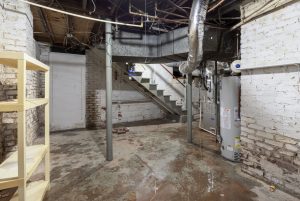
- Mitigation of Flooding Risks: Basements are vulnerable to flooding, especially in areas prone to heavy rainfall, snowmelt, or poor drainage. Flooded basements not only cause extensive property damage but also pose safety hazards for occupants. Basement waterproofing helps mitigate the risk of flooding by preventing water from seeping into the basement, thereby reducing the likelihood of costly and disruptive flood-related emergencies.
2. Exterior Basement Waterproofing Methods
Exterior basement waterproofing methods are designed to prevent water from penetrating the foundation walls and compromising the structural integrity of your home. By addressing moisture at its source, these techniques provide robust protection against water intrusion and help maintain a dry and stable basement environment. Here’s a closer look at some common exterior basement and waterproofing method methods:
Exterior Excavation and Waterproofing Membranes:
-
- This method involves excavating the soil around the perimeter of the foundation to expose the exterior walls.
-
- Once exposed, the walls are thoroughly cleaned and inspected for cracks, gaps, or other vulnerabilities.
-
- Waterproofing membranes, typically made of asphalt-modified polyurethane or rubberized asphalt, are applied to the exterior walls. These membranes create a barrier against water infiltration while remaining flexible to accommodate the natural movement of the soil.
-
- Drainage boards or dimple mats may be installed over the waterproofing membrane to provide additional protection and enhance water drainage away from the foundation.
French Drains and Exterior Drainage Systems:
-
- French drains are trenches filled with gravel or perforated pipes that collect and redirect groundwater away from the foundation.
-
- During exterior basement waterproofing, French drains are installed at the base of the foundation walls to intercept and divert water before it reaches the basement.
-
- These drains are connected to exterior drainage systems, such as sump pumps or gravity-fed drainage pipes, which carry the collected water away from the house and discharge it safely onto the surface or into a designated drainage area.
-
- Proper grading of the surrounding landscape is also essential to ensure that water flows away from the foundation instead of pooling around it.
Exterior Waterproofing Coatings:
-
- Waterproofing coatings, such as cementitious coatings or liquid rubber membranes, are applied directly to the exterior surfaces of the foundation walls.
-
- These coatings create a seamless and waterproof barrier that prevents water from seeping through the concrete or masonry walls.
-
- Exterior waterproofing coatings are particularly effective in areas where the water table is high or where heavy rainfall is common.
-
- Proper surface preparation and application techniques are crucial to ensure the effectiveness and longevity of these coatings.
Exterior Drainage Maintenance:
-
- Regular maintenance of exterior drainage systems is essential to ensure their proper functioning and longevity.
-
- This includes cleaning debris from gutters and downspouts, inspecting and repairing French drains and drainage pipes, and maintaining proper grading around the foundation to promote water runoff.
-
- Periodic inspections by a qualified waterproofing professional can help identify and address any potential issues before they escalate into costly problems.
In conclusion, exterior basement waterproofing methods offer comprehensive protection against water intrusion by addressing the problem at its source. By implementing techniques such as exterior excavation, waterproofing membranes, French drains, and proper drainage systems, homeowners can safeguard their basements against moisture damage and maintain a dry and stable living environment for years to come. Consulting with a reputable waterproofing contractor can help assess your specific needs and determine the most effective waterproofing solution for your home.
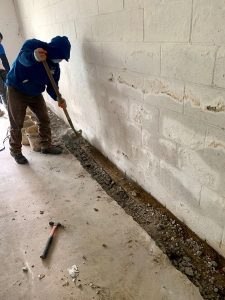
3. Interior Basement Waterproofing Methods
Interior basement waterproofing methods are focused on managing moisture that has already penetrated the basement walls or floor. While exterior basement waterproofing costs and methods prevent water from entering the basement, interior solutions effectively control and redirect water that has already infiltrated the space. Here’s a closer look at some common interior basement waterproofing methods:
Interior Drainage Systems:
-
- Interior drainage systems, such as perimeter drains or French drains, are installed along the interior perimeter of the basement.
-
- These systems consist of perforated pipes embedded in a bed of gravel or drainage matting, which collect water that seeps through the foundation walls or floor.
-
- The collected water is then directed to a sump pump pit or drainage channel, where it is pumped out of the basement and discharged away from the house.
-
- Interior drainage systems are particularly effective in homes where exterior excavation or waterproofing is not feasible or cost-prohibitive.
Sump Pump Installation:
-
- Sump pumps are essential components of interior waterproofing systems, responsible for removing collected water from the basement.
-
- A sump pump is installed in a specially constructed pit, commonly referred to as a sump pit, located at the lowest point of the basement floor.
-
- When the water level in the pit reaches a certain threshold, a float switch activates the pump, which then pumps the water out of the pit and away from the house through a discharge pipe.
-
- Backup sump pumps or battery-operated backup systems can provide added protection in the event of power outages or pump failures.
Sealants and Waterproofing Paints:
-
- Sealants and waterproofing paints are applied directly to the interior surfaces of basement walls and floors to create a barrier against moisture.
-
- These products typically contain ingredients such as epoxy, polyurethane, or silicate-based compounds that penetrate the porous concrete or masonry surfaces and form a waterproof seal.
-
- Sealants and waterproofing paints can help prevent water vapor transmission and minor seepage issues but may not be sufficient for more significant water intrusion problems.
Interior Drainage Maintenance:
-
- Regular maintenance of interior drainage systems and sump pumps is essential to ensure their proper functioning and reliability.
-
- This includes cleaning debris from sump pump pits, testing float switches and backup systems, and inspecting drainage pipes for clogs or damage.
-
- It’s also important to monitor basement humidity levels and address any signs of moisture or water damage promptly to prevent mold growth and other water-related problems.
4. Combination Waterproofing Systems
Combination waterproofing systems integrate both exterior and interior waterproofing methods to provide comprehensive protection against moisture intrusion and water damage. By combining the strengths of both approaches, these systems offer enhanced resilience and effectiveness in managing water issues in basements. Here’s a closer look at some common combination waterproofing systems:
Hybrid Exterior and Interior Waterproofing Solutions:
-
- Hybrid waterproofing systems combine elements of both exterior and interior waterproofing methods to create a multi-layered defense against moisture.
-
- For example, a hybrid system may include exterior excavation and waterproofing membranes to prevent water from entering the foundation walls, combined with interior drainage systems and sump pumps to manage any water that does penetrate the basement.
-
- By addressing moisture at both the source and the point of entry, hybrid systems provide robust protection against a wide range of water-related issues and help ensure long-term structural integrity.
Multi-layered Approaches for Enhanced Protection:
-
- Some combination waterproofing systems utilize multiple layers of protection to create an impervious barrier against water infiltration.
-
- This may involve applying waterproofing membranes or coatings to the exterior walls, followed by the installation of interior drainage systems and sealants or waterproofing paints on the interior surfaces.
-
- By layering different waterproofing materials and techniques, these systems provide redundancy and increased resistance to water intrusion, even in challenging conditions such as high water tables or poor soil drainage.
Integrated Drainage and Waterproofing Systems:
-
- Integrated drainage and waterproofing systems combine drainage elements with waterproofing membranes or coatings to create a seamless and watertight barrier.
-
- For example, some drainage boards or dimple mats incorporate waterproofing properties, allowing them to both drain water away from the foundation and provide additional protection against moisture penetration.
-
- By integrating drainage and waterproofing components into a single system, these solutions streamline installation and maintenance while ensuring comprehensive protection against water damage.
Customized Solutions for Specific Needs:
-
- Combination waterproofing systems can be tailored to meet the specific needs and challenges of individual basements.
-
- Factors such as soil composition, groundwater levels, foundation type, and existing water issues are carefully considered when designing and implementing these systems.
-
- By customizing the approach to suit the unique characteristics of each basement, homeowners can achieve optimal results and long-lasting protection against moisture intrusion.
5. Common Mistakes to Avoid in Basement Waterproofing
Avoiding common mistakes in basement waterproofing is crucial for ensuring the effectiveness and longevity of the waterproofing system. Here are some key pitfalls to watch out for in basement waterproofing costs and how to avoid them:
Ignoring Early Warning Signs of Moisture:
-
- Mistake: Many homeowners overlook early signs of moisture problems in their basements, such as musty odors, dampness, or efflorescence (white, powdery deposits on walls).
-
- Solution: It’s essential to address these warning signs promptly and investigate the underlying causes of moisture intrusion. Ignoring them can lead to more significant issues down the line, such as mold growth, structural damage, and health hazards.
Neglecting Proper Drainage Maintenance:
-
- Mistake: Failing to maintain proper drainage around the foundation can result in water pooling, soil erosion, and foundation settlement, undermining the effectiveness of waterproofing systems.
-
- Solution: Regularly inspect and clean gutters, downspouts, and drainage systems to ensure they are free of debris and functioning correctly. Proper grading of the landscape away from the foundation also helps prevent water from pooling around the basement walls.
Opting for Temporary Fixes Instead of Long-term Solutions:
-
- Mistake: Some homeowners resort to quick-fix solutions, such as applying sealants or waterproofing paints, without addressing underlying structural issues or drainage problems.
-
- Solution: It’s essential to invest in comprehensive waterproofing solutions that address the root causes of moisture intrusion. This may involve repairing foundation cracks, installing drainage systems, or applying exterior waterproofing membranes for long-lasting protection.
Neglecting Exterior Waterproofing:
-
- Mistake: Focusing solely on interior waterproofing methods while neglecting exterior waterproofing leaves the foundation vulnerable to water infiltration from the outside.
-
- Solution: Implement a holistic approach to waterproofing that includes both exterior and interior solutions. Exterior waterproofing methods, such as excavation, waterproofing membranes, and proper grading, provide the first line of defense against moisture intrusion and help protect the foundation from water damage.
Improper Installation of Interior Drainage Systems:
-
- Mistake: Incorrect installation of interior drainage systems, such as French drains or sump pumps, can lead to ineffective water management and potential system failures.
-
- Solution: Hire experienced professionals to install interior drainage systems correctly, ensuring proper placement, slope, and connection to discharge outlets. Regular maintenance and testing of sump pumps and backup systems are also essential to prevent malfunctions.
Overlooking Structural Repairs:
-
- Mistake: Neglecting to address structural issues, such as foundation cracks or deteriorating basement walls, can compromise the integrity of the waterproofing system and allow water to seep into the basement.
-
- Solution: Conduct a thorough inspection of the basement walls and foundation for any signs of structural damage. Repair any cracks or defects promptly using appropriate materials and techniques to prevent water infiltration and reinforce the stability of the foundation.
Skipping Professional Assessment and Consultation:
-
- Mistake: Attempting to diagnose and resolve basement waterproofing issues without professional guidance can lead to ineffective solutions and wasted time and money.
-
- Solution: Consult with experienced waterproofing contractors or structural engineers to assess the extent of the water problem and recommend suitable waterproofing strategies. Their expertise and insights can help you make informed decisions and achieve optimal results for your basement waterproofing project.

- Solution: Consult with experienced waterproofing contractors or structural engineers to assess the extent of the water problem and recommend suitable waterproofing strategies. Their expertise and insights can help you make informed decisions and achieve optimal results for your basement waterproofing project.
By avoiding these common mistakes and following best practices in basement waterproofing, homeowners can protect their basements from moisture intrusion and ensure a dry, safe, and healthy living environment for years to come.
Investing in effective basement waterproofing is essential for protecting your home’s value, comfort, and safety. By understanding the various methods available, along with their advantages and limitations, homeowners can make well-informed decisions tailored to their specific needs and circumstances. Whether opting for exterior, interior, or a combination of both systems, prioritizing professional expertise and quality materials ensures lasting protection against moisture intrusion and its detrimental effects. Don’t wait until water damage becomes a costly problem; take proactive steps to safeguard your basement today.
For more than a decade, we have been the go-to waterproofing and related services provider for homeowners across New Jersey. Our reputation has been built on a foundation of delivering exceptional workmanship and top-notch customer service to each and every one of our valued clients.
We truly understand the significance of your home to you and your family, as well as the importance of the services we offer in safeguarding your home. That’s why we take our responsibilities seriously and never compromise on the quality of our work. Our commitment to your satisfaction is unwavering, and we go above and beyond to ensure that you are completely content with every aspect of the job we perform.
When it comes to protecting your home, trust is of utmost importance. At our professional New Jersey Waterproofing Company, we prioritize the well-being of your basement and ensure it remains shielded from any harmful moisture damage, regardless of the job’s size. Whether you require waterproofing, mold remediation, or even foundational or structural repairs, we are always ready and eager to take on any challenge.
Our singular focus is your happiness, and we leave no stone unturned in achieving it. If you are searching for a trustworthy New Jersey waterproofing company to safeguard your home, look no further. Contact us today and experience firsthand what sets us apart from the competition. Your home’s protection is our major priority, and we are here to serve you with dedication and expertise.