Imagine stepping into your basement, only to be greeted by a damp, musty scent and the uncomfortable feeling of high humidity clinging to your skin. You’re not alone, as many homeowners face this problem. But why does it occur and more importantly, how can you fix it? Let’s talk about some effective strategies to combat this issue. Dehumidifiers, improved ventilation, regular maintenance can all play a part. Yet, there’s more to it than meets the eye. Stick around, and you’ll discover an array of measures to keep your basement dry and comfortable, no matter the season.
Understanding Basement Humidity
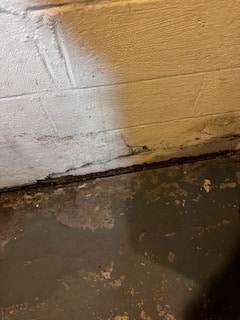
While you may not give it much thought, understanding basement humidity is essential when dealing with a damp basement. Humidity refers to the amount of water vapor present in the air. It’s a vital factor in maintaining a healthy and safe environment in your home, particularly in basements, which are typically more humid due to their underground location.
In your basement, an ideal humidity level ranges from 30% to 50%. When the humidity level exceeds this range, it promotes the growth of mold and mildew, which can damage your home and pose health risks. A dehumidifier can help in maintaining appropriate humidity levels, but it’s not a one-size-fits-all solution.
Understanding the causes of high humidity can also be beneficial. Poor ventilation, lack of insulation, and groundwater seepage are common culprits.
Addressing these issues may require professional help, but it’s a worthy investment for a healthier and safer home.
Signs of Excessive Humidity
Recognizing the signs of excessive humidity in your basement is the first step to remediation.
Focus on telltale indicators such as visible dampness and mold, an unpleasant odor, and structural damage.
These signs will guide the necessary actions to take in managing high humidity levels in your basement.
Identifying Dampness and Mold
A musty odor or visible mold growth may be your first clue to a humidity problem in your basement. But, these aren’t the only signs to watch out for. When humidity levels rise, moisture can accumulate in corners, on walls, or behind furniture, forming damp spots. If you’re seeing these, it’s time to act.
Mold usually follows dampness. It’s a fungus that thrives in moist conditions and can appear in a variety of colors, from black and green to white and orange. Look for it on walls, floors, and even on your furniture or stored items. It’s not just an eyesore; it’s a health hazard that can cause allergies and other respiratory issues.
To check for dampness, touch the suspected areas with your bare hands. If it feels cold or damp, you’ve got a humidity problem. You can also use a moisture meter, a device that measures the moisture content in materials, which can be purchased at most home improvement stores.
Unpleasant Odor Detection
After taking the necessary steps to identify dampness and mold, you may notice an unpleasant odor indicative of high humidity levels. This smell, often described as musty, dank, or stale, is a common sign of excessive humidity and may linger despite efforts to air out your basement.
This odor is caused by the growth of mildew and mold, which thrive in damp, humid environments. The smell can permeate your belongings, making it difficult to eliminate.
It’s important to understand that this odor isn’t just unpleasant, it’s a red flag that your basement’s humidity levels are too high, potentially posing health risks.
To detect this odor, visit your basement daily and take deep breaths. If you’re detecting a persistent musty smell, it’s likely you’re dealing with high humidity.
You may also notice a stronger smell during or after rainy periods, as the increased moisture can exacerbate the problem.
Structural Damage Indicators
Often, one of the most alarming signs of excessive humidity in your basement is structural damage. This can manifest in several ways, and recognizing these indicators is vital for maintaining the integrity of your home.
Firstly, you might notice peeling paint or wallpaper. This is because high humidity levels can break down the adhesion between the paint and the wall’s surface, causing it to bubble and peel.
Similarly, if you’re seeing warped or buckled floorboards, it’s likely due to moisture absorption, a clear sign of excess humidity.
Secondly, observe your basement walls and foundation. Cracks or efflorescence – a white, powdery substance that forms when water evaporates from brick or concrete – are red flags. They’re not just cosmetic issues, but also indicators that your basement is retaining too much moisture.
Lastly, don’t overlook any mold growth. Mold thrives in humid conditions and can cause significant damage to your home’s structure.
If you spot any of these signs, it’s time to act. By recognizing and reacting to these structural damage indicators, you’re taking an essential step in tackling the problem of high humidity in your basement.
Health and Structural Risks
In the wake of a persistent humidity problem in your basement, you can’t overlook the potential health and structural risks. High humidity can foster the growth of mold and mildew, posing serious health hazards. Exposure to these fungi may lead to respiratory issues, allergic reactions, and in severe cases, lung infections.
Moreover, the excessive moisture doesn’t merely pose threats to your health; it represents a menace to your home’s structural integrity as well. Persistent dampness can cause wood to warp, metal to corrode, and paint to peel, compromising the stability of your home. If neglected, these issues can escalate into costly repairs and even structural failures.
The high levels of humidity can also attract pests. Moist environments are breeding grounds for insects like cockroaches, silverfish, and various types of beetles. These pests can damage your property and contaminate your living environment.
In essence, the risks of high humidity in your basement extend beyond discomfort. They can pose serious threats to both your health and the structural integrity of your home. Accordingly, it’s crucial to take these risks seriously and act promptly.
Practical Humidity Reduction Strategies
Now, let’s turn our attention towards practical humidity reduction strategies for your basement.
We’ll first explore various dehumidifying equipment options that can effectively reduce moisture levels.
Then, we’ll discuss how improvements in basement ventilation can further aid in keeping excess humidity at bay.
Dehumidifying Equipment Options
Tackling the issue of high humidity in your basement can be a challenging task, but choosing the right dehumidifying equipment is an essential step towards a solution.
Let’s explore your options.
Dehumidifiers come in different sizes and capacities. Portable dehumidifiers are ideal if you’re dealing with small spaces or need to move the device around. They’re affordable and easy to use, but may not be sufficient for larger basements or severe humidity problems.
Whole-house dehumidifiers, on the other hand, are more powerful and can handle larger spaces. They’re costlier and require professional installation, but they’ll give you thorough humidity control.
When selecting a dehumidifier, it’s important to evaluate its pint capacity. This number indicates how much moisture the device can remove from the air within 24 hours.
A dehumidifier with a lower pint capacity might work for a small, mildly damp basement, but if your basement is large or very damp, you’ll need a device with a higher pint capacity.
Basement Ventilation Improvements
While selecting the right dehumidifier is a crucial step, improving your basement’s ventilation is another practical strategy to combat high humidity levels. You see, a well-ventilated basement promotes airflow, consequently reducing dampness and preventing mold growth.
Firstly, consider installing vents. They’ll allow outside air to circulate into the basement, which can help decrease moisture levels. Cross-ventilation, where you install vents on opposite walls, is particularly effective. However, remember to install mesh screens to keep out pests.
Installing exhaust fans can also be beneficial. They’re designed to pull air out of the basement, helping to reduce humidity. Remember, the size of the fan should correspond with the size of your basement for ideal effect.
Moreover, a heat recovery ventilator (HRV) can be a game-changer. An HRV not only reduces humidity but also improves the overall air quality by exchanging stale air with fresh air from outside.
Best Dehumidifiers for Basements
In the maze of options available, identifying the best dehumidifiers for basements can seem challenging. But don’t worry, we’re here to help you make the right choice.
Firstly, consider the size of your basement. For large areas, you’ll need a high-capacity unit, like the Frigidaire High-Efficiency 50-Pint Dehumidifier. This beast effortlessly tames humidity, while maintaining energy efficiency.
For medium-sized basements, the Ivation 30 Pint Energy Star Dehumidifier strikes the perfect balance. It’s compact, efficient, and packs enough punch to keep your space comfortable.
Now, if you’re dealing with a small basement, the hOmeLabs 22 Pint Dehumidifier is a fantastic option. Despite its size, it’s powerful enough to tackle dampness and prevent mold and mildew growth.
Remember, the best dehumidifier isn’t just about capacity. Look for features like auto shut-off, a built-in pump for easy drainage, and digital humidity readouts.
A good warranty is also a must.
Preventive Measures for Humidity Control
Controlling humidity in your basement starts with a few preventive measures. First, check for leaks. Any water seeping into your basement will increase the humidity levels, so it’s essential to repair any cracks in the walls, floors, or windows.
Don’t overlook the importance of ventilation. If your basement is poorly ventilated, humidity can build up rapidly. Install vents or fans to improve air circulation.
Next, consider your landscaping. Slopes leading towards your home could direct water into the basement. Redesign your outdoor space to direct water away from your house.
It’s also a good idea to install a vapor barrier. This plastic or foil sheet can prevent moisture from seeping into your basement from the ground.
Lastly, invest in a quality dehumidifier. This device can efficiently lower humidity levels by removing excess moisture from the air.
However, remember that a dehumidifier alone can’t solve all humidity issues. It should be used in conjunction with the above preventive measures.
Implementing these strategies can help control the humidity in your basement, protecting your home from potential damage and creating a more comfortable environment.
Ultimately, don’t let your basement become a damp, moldy nightmare. Regularly check for signs of high humidity and act swiftly. Use a trusty dehumidifier as your knight in shining armor, slaying the humidity dragon. Take preventive measures like proper ventilation and leak checks to keep the beast at bay. Remember, a dry, well-ventilated basement isn’t just about comfort, it’s about safeguarding your health and home’s structural integrity.
For more than a decade, we have been the go-to waterproofing and related services provider for homeowners across New Jersey. Our reputation has been built on a foundation of delivering exceptional workmanship and top-notch customer service to each and every one of our valued clients.
We truly understand the significance of your home to you and your family, as well as the importance of the services we offer in safeguarding your home. That’s why we take our responsibilities seriously and never compromise on the quality of our work. Our commitment to your satisfaction is unwavering, and we go above and beyond to ensure that you are completely content with every aspect of the job we perform.
When it comes to protecting your home, trust is of utmost importance. At our professional New Jersey Waterproofing Company, we prioritize the well-being of your basement and ensure it remains shielded from any harmful moisture damage, regardless of the job’s size. Whether you require waterproofing, mold remediation, or even foundational or structural repairs, we are always ready and eager to take on any challenge.
Our singular focus is your happiness, and we leave no stone unturned in achieving it. If you are searching for a trustworthy New Jersey waterproofing company to safeguard your home, look no further. Contact us today and experience firsthand what sets us apart from the competition. Your home’s protection is our major priority, and we are here to serve you with dedication and expertise.