
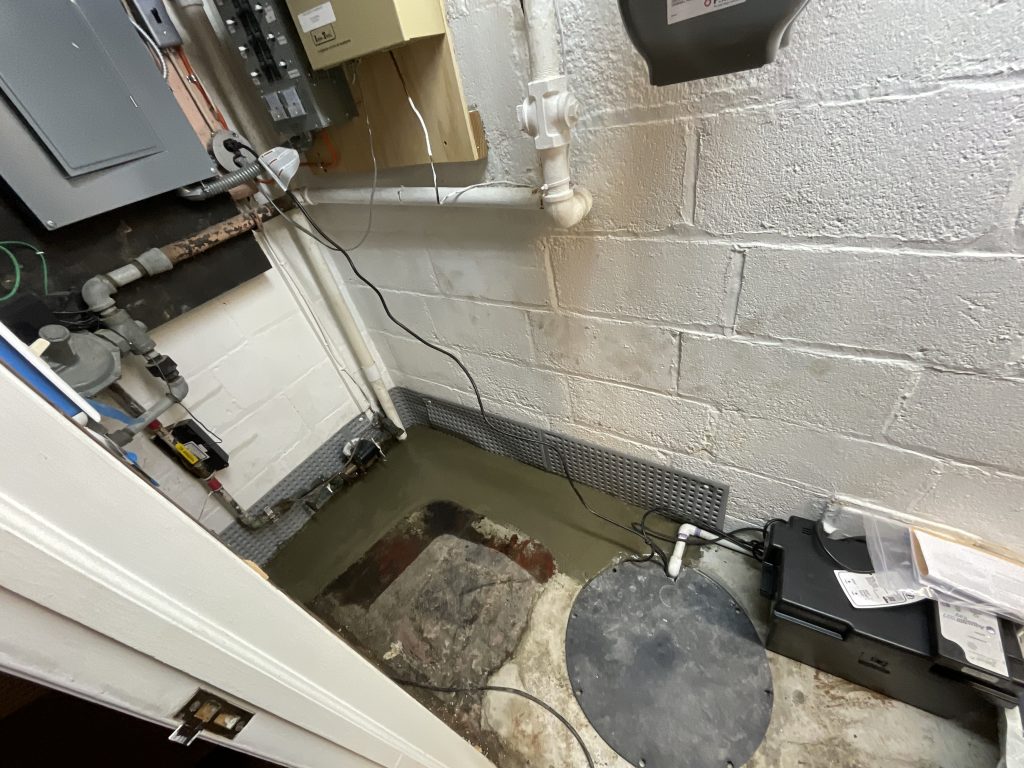
Your foundation is the base of your home—but even the strongest foundation can be slowly damaged by one relentless force: the weather.
While most homeowners think of floods or heavy rain as the main threat, weather-related foundation damage often happens gradually and silently. From summer heatwaves to winter freezes, seasonal shifts in moisture, temperature, and soil behavior can all put stress on your foundation.
In this article, we’ll explore how various weather conditions impact your home’s foundation, the warning signs to watch for, and the repair and prevention solutions that protect your property year-round.
Key Takeaways
- Seasonal weather patterns cause soil to expand, contract, shift, and settle—putting constant stress on your foundation.
- Summer droughts can cause soil shrinkage and settlement, while winter frost causes lifting and cracking.
- Rain and snowmelt increase hydrostatic pressure, leading to water infiltration and foundation wall damage.
- Early detection of weather-related signs like wall cracks, sticking doors, or uneven floors can prevent costly structural damage.
- Professional foundation repair methods and waterproofing solutions mitigate the effects of weather year-round.
How Seasonal Weather Impacts Foundations
1. Summer: Drought and Soil Shrinkage
Hot, dry summers can be deceptively damaging to foundations. As the soil loses moisture, it shrinks and pulls away from the concrete, creating voids under the foundation.
What Happens:
- Soil contracts and loses volume.
- The foundation may settle unevenly into the gaps.
- Cracks begin to form—especially in slab or pier-and-beam foundations.
Common Summer Damage Signs:
- Diagonal wall cracks
- Doors or windows that stick
- Gaps between the soil and foundation perimeter
- Uneven floors in the home
Homes built on expansive clay soil are particularly vulnerable to summer-related movement.
2. Fall: Shifting Moisture Levels
Autumn weather can fluctuate between dry periods and heavy rains. The soil experiences quick saturation followed by drying, which can cause instability and further movement.
What Happens:
- Dried-out soil suddenly reabsorbs moisture and expands.
- Repetitive cycles of swelling and shrinking destabilize the foundation over time.
- Drainage systems may be overwhelmed by leaf blockages or early storms.
Signs to Watch For:
- New cracks in the basement walls or floors
- Pooling water around the foundation
- Movement or leaning of external features (chimneys, porches)
3. Winter: Frost Heave and Ice Damage
When temperatures drop below freezing, water in the soil expands as it turns to ice. This process is called frost heave and can cause significant structural issues.
What Happens:
- Moist soil beneath the foundation freezes and lifts the structure.
- Repeated freeze-thaw cycles cause cracking and shifting.
- Snowmelt infiltrates any existing cracks and refreezes, expanding the damage.
Signs to Look Out For:
- New or widening horizontal cracks in basement walls
- Heaving or uneven slabs
- Interior cracks near doors and windows
- Increased basement dampness or humidity
Cold weather also slows the evaporation of moisture, meaning wet soil stays saturated longer—leading to increased hydrostatic pressure against basement walls.
4. Spring: Rain, Snowmelt, and Soil Saturation
Spring brings heavy rains and melting snow, often overwhelming drainage systems and saturating the soil.
What Happens:
- The ground becomes waterlogged and exerts pressure against foundation walls.
- Hydrostatic pressure forces water through cracks, joints, and porous concrete.
- Shifting water tables can destabilize foundations and basement slabs.
Watch for These Signs:
- Water stains or leaks in the basement
- Efflorescence (white powder) on basement walls
- Cracked or bowing walls
- Sump pump failure during storms
How Soil Type and Local Climate Factor In
Your home’s vulnerability to weather-related foundation damage depends largely on soil composition and regional climate conditions.
Expansive Clay Soil
Found in many parts of the U.S., especially the Midwest and South, clay soil expands significantly when wet and shrinks when dry—leading to frequent foundation movement.
Sandy Soil
More stable than clay, but highly prone to erosion and poor water retention. Heavy rains can wash away sand, undermining the foundation.
Loamy Soil
A balanced mix that offers good drainage and structure. However, poor grading or nearby construction can still affect it over time.
Early Warning Signs of Weather-Related Foundation Damage
Catch foundation issues early and you can often correct them with minimal repairs. Here’s what to watch for season to season:
- Cracks in interior walls, ceilings, or flooring
- Gaps around window or door frames
- Doors and windows that no longer open or close smoothly
- Sloping or uneven floors
- Bowing or leaning basement walls
- Exterior brick or masonry cracks
- Cracks in concrete patios, steps, or garage floors
If these signs appear suddenly after a major weather event—heavy snow, prolonged drought, or flooding—it’s time to call a foundation expert.
How Foundation Repair Professionals Protect Against Weather Damage
At All County Waterproofing, we understand that the best foundation repair is tailored to both your home and your climate. Here’s how we tackle weather-related issues:
1. Foundation Pier Systems
To address settlement caused by drought or shifting soils, we install:
- Helical piers for lightweight structures and expansive soil
- Push piers for deeper stabilization in load-bearing strata
These piers lift and support the foundation, bypassing unstable surface soil.
2. Wall Reinforcement
For frost heave and hydrostatic pressure damage, we install:
- Carbon fiber straps to prevent further bowing
- Steel I-beams or wall anchors for severe wall movement
These reinforcements stop lateral movement and stabilize the structure.
3. Crack Repair and Waterproofing
Water infiltration from spring rain or snowmelt is addressed with:
- Epoxy or polyurethane crack injection
- Exterior excavation and sealing
- Interior waterproofing membranes
4. Drainage and Moisture Control
Weatherproofing includes ensuring proper drainage year-round through:
- French drains
- Downspout extensions
- Sump pump systems
- Soil grading adjustments
- Basement dehumidifiers
We create a dry, stable environment that protects your foundation no matter the forecast.
Tips for Homeowners: Seasonal Foundation Protection
Spring:
- Clean gutters and downspouts
- Test sump pump functionality
- Inspect basement for water stains or mold
Summer:
- Water your foundation during dry spells to prevent soil shrinkage
- Check for soil separation around the perimeter
- Monitor interior for new cracks
Fall:
- Rake leaves and keep drains clear
- Inspect exterior for small cracks before freeze season
- Seal gaps in windows and doors
Winter:
- Shovel snow away from the foundation
- Ensure downspouts discharge far from the home
- Watch for signs of frost heave in walkways or driveways
Frequently Asked Questions
How quickly can weather damage a foundation?
Some damage is gradual, but major events (like a flood or extreme freeze) can cause noticeable problems within days. Seasonal shifts also build cumulative stress over time.
Can foundation damage from weather be prevented?
You can’t control the weather—but you can control its impact. Regular maintenance, proper drainage, and timely repairs all reduce your risk.
Is winter a bad time for foundation repair?
Not necessarily. Many repair methods are viable year-round. It’s better to address issues promptly than wait for spring if damage is worsening.
Will insurance cover weather-related foundation damage?
Coverage varies. Sudden events (like flooding from a burst pipe) may be covered, while gradual soil movement from drought often is not. Review your policy or ask your agent for specifics.
Conclusion: Your Foundation Faces Every Season—Protect It Accordingly
From searing summer droughts to freezing winter nights, your foundation is constantly reacting to the environment around it. While you can’t stop the weather, you can prevent it from damaging your home.
At All County Waterproofing, we specialize in identifying weather-related foundation issues and implementing targeted, long-lasting repair solutions. Whether you’re dealing with seasonal settlement, bowing basement walls, or recurring moisture problems, our experts are here to help.
Don’t let the weather wear down your home. Schedule a professional foundation inspection today—and keep your home safe in every season.
For more than a decade, we have been the go-to waterproofing and related services provider for homeowners across New Jersey. Our reputation has been built on a foundation of delivering exceptional workmanship and top-notch customer service to each and every one of our valued clients.
We truly understand the significance of your home to you and your family, as well as the importance of the services we offer in safeguarding your home. That’s why we take our responsibilities seriously and never compromise on the quality of our work. Our commitment to your satisfaction is unwavering, and we go above and beyond to ensure that you are completely content with every aspect of the job we perform.
When it comes to protecting your home, trust is of utmost importance. At our professional New Jersey Waterproofing Company, we prioritize the well-being of your basement and ensure it remains shielded from any harmful moisture damage, regardless of the job’s size. Whether you require waterproofing, mold remediation, or even foundational or structural repairs, we are always ready and eager to take on any challenge.
Our singular focus is your happiness, and we leave no stone unturned in achieving it. If you are searching for a trustworthy New Jersey waterproofing company to safeguard your home, look no further. Contact us today and experience firsthand what sets us apart from the competition. Your home’s protection is our major priority, and we are here to serve you with dedication and expertise.