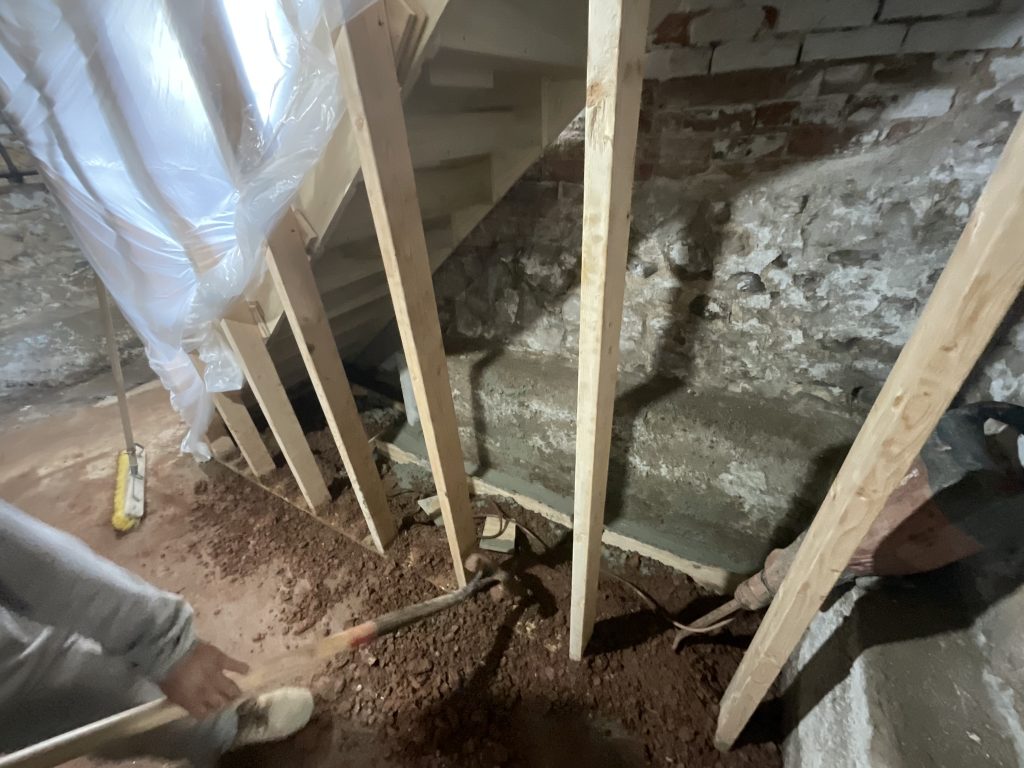
You’ve probably heard the saying, “kill two birds with one stone,” right? This is certainly the logic behind combining foundation repair with waterproofing when it comes to home maintenance. Imagine fixing existing foundation issues and, at the same time, implementing measures that prevent future problems. It’s a strategic move that not only strengthens the structural integrity of your home but also guards against moisture-related complications. But how does this combination work in practice and what are the potential benefits waiting for you? Let’s explore.
Key Takeaways
- Identify foundation damage and choose suitable repair methods, taking into account materials and extent of damage.
- Apply moisture barriers and exterior coatings for waterproofing, to prevent water from infiltrating the repaired foundation.
- Incorporate latest waterproofing techniques to guard against future problems, enhancing long-term foundation health.
- Regular inspections, maintenance, and seasonal adjustments ensure the foundation remains protected and functional post-repair.
- Collaborate with contractors for effective repair strategies that integrate both foundation repair and waterproofing.
Understanding Foundation Repair
Ever wondered what foundation repair entails? It’s not as complicated as it seems. You see, it’s all about understanding foundation types and applying the suitable repair techniques.
There are three common foundation types: slab, pier and beam, and block and base. Each type has its characteristics and challenges. Slab foundations are popular but can be prone to cracking due to soil movement.
Pier and beam foundations are more resistant to soil shifts but can experience issues with wood rot or pest infestation. Block and base foundations, while less common, can present problems with settling or shifting blocks.
Now, let’s talk repair techniques. If you’re dealing with a slab foundation, you might need slabjacking, where a mix of cement and soil is pumped beneath the slab to lift it back into place.
For a pier and beam foundation, you could require replacement of damaged beams or piers, or perhaps additional supports to stabilize the structure. With block and base foundations, repositioning or replacing shifted blocks is often the solution.
In essence, understanding your foundation type and the appropriate repair technique is half the battle in foundation repair. Now, doesn’t that make it seem a little less daunting?
Basics of Home Waterproofing
Diving right into the basics of home waterproofing, it’s crucial to grasp that this process aims to prevent water from making its way into your house.
Waterproofing materials such as exterior coatings and foundation sealants play an essential role in this process. These products create a water-resistant barrier on the surface of your home, discouraging water ingress.
Drainage solutions, including sump pumps and landscape grading, help channel water away from your home. By redirecting water flow, you can prevent pooling that could potentially damage your foundation.
Meanwhile, interior waterproofing protects your home from within, using moisture barriers to keep dampness from penetrating walls, floors, and ceilings.
Ventilation systems and water-resistant insulation work together to maintain a dry, comfortable indoor environment. The former circulates air, reducing dampness, while the latter prevents heat transfer, keeping your home warm and dry.
Importance of Foundation Maintenance
You should never underestimate the importance of regular foundation maintenance.
It’s not only about recognizing signs of damage early but also about employing regular upkeep practices.
Bringing in professionals for periodic foundation checks can save you from future headaches and costly repairs.
Recognizing Foundation Damage
Understanding the signs of foundation damage is crucial in maintaining the structural integrity of your home. Cracking walls, shifting floors, water stains, and bowing walls can all be indicators of a compromised foundation. They are the tell-tale signs that you’re dealing with major structural problems.
Likewise, uneven floors, mold growth, and basement leaks can also signify deeper issues. These symptoms might seem minor, but they can indicate serious soil erosion and drainage issues, leading to foundation settlement.
Here’s a handy table to help you recognize these signs:
| Symptom | Possible Cause |
|---|---|
| Cracking walls, bowing walls | Foundation settlement |
| Shifting floors, uneven floors | Soil erosion, drainage issues |
| Water stains, mold growth, basement leaks | Waterproofing issues |
It’s important to tackle these problems early before they escalate. If you spot any of these signs, don’t ignore them. They’re your home’s cry for help! Remember, combining foundation repair with waterproofing not only solves the immediate issues but also ensures long-term protection. Stay tuned for our next topic, where we’ll cover regular maintenance practices.
Regular Maintenance Practices
Keeping up with regular maintenance can go a long way in preserving the health of your home’s foundation. A robust maintenance schedule, packed with preventive measures, is your best bet to avoid costly repairs in the future.
Seasonal inspections should be a part of your maintenance routines. You don’t need to be a professional to carry out DIY checks. Look for cracks, signs of moisture, and changes in soil around your home. These can alert you to potential issues before they become serious problems.
Drainage solutions are a big part of foundation maintenance. Proper drainage will prevent water from pooling around your home’s base, a common cause of foundation damage. You’ll want to keep an eye on your gutters, downspouts, and the slope of your yard to ensure water is directed away from your house.
Landscaping considerations and soil management also play a crucial role. Planting too close to your home or not managing the soil’s moisture levels properly could lead to foundation issues.
Professional Foundation Checks
While regular maintenance and DIY checks can significantly help in preserving your home’s foundation, there’s still a need for professional foundation checks. These checks involve a thorough foundation inspection that assesses the structural integrity of your home. Experts conduct a structural evaluation, identifying any issues that could potentially harm your home’s foundation types. They can pinpoint problems you might overlook, thereby saving you from hefty repair costs in the future.
An essential part of the check is the moisture assessment. It detects any water issues that could lead to severe damage if left unchecked. The professionals also perform a soil analysis to understand the type of soil your foundation rests on, which can impact its stability. Based on these findings, they recommend appropriate drainage solutions.
The inspection frequency usually depends on the age and condition of your home. However, it’s advisable to get it checked at least once every year. After the inspection, they provide a repair timeline, helping you plan financially and schedule the repairs.
Waterproofing Benefits for Homes
You might be wondering why waterproofing is essential for your home.
It’s not just about preventing damage, but also about enhancing your property’s value.
Understanding Home Waterproofing
Ever thought about the benefits of home waterproofing? It’s not just about keeping your basement dry. It’s about protecting your home’s structural integrity and your family’s health.
Waterproofing employs various techniques to prevent water from penetrating your house. Key among these are drainage solutions and moisture barriers.
Drainage solutions are all about directing water away from your home. You could install gutters, downspouts, and properly grade your yard to prevent water accumulation around your home’s foundation.
Meanwhile, moisture barriers act like a shield, keeping moisture at bay. They’re applied to the walls and floor of your basement or crawl space, creating a waterproof seal that stops water and dampness from seeping in.
But remember, waterproofing isn’t just a once-and-done deal. It requires regular maintenance to ensure its effectiveness.
Check your drainage systems for blockages and your moisture barriers for any signs of wear and tear.
Waterproofing Versus Damage Control
Why wait for damage to occur when you can prevent it in the first place? Instead of focusing on damage assessment and repair techniques after the fact, consider the benefits of preventative measures like waterproofing methods for your home.
Waterproofing isn’t just about reducing the risk of water damage. It’s about moisture control, maintaining your home’s structural integrity, and providing long-term solutions that ensure foundation stability. Waterproofing methods offer an effective barrier against environmental factors.
Prolonged exposure to moisture can compromise the integrity of your home’s foundation. It’s a problem that can escalate quickly, leading to costly repairs and a compromised living environment.
But with the right preventative measures, you can reduce the risk significantly. By implementing waterproofing methods, you’re not just controlling moisture, you’re safeguarding your home’s structural integrity.
It’s a proactive approach that’s about risk reduction and long-term solutions, rather than short-term fixes.
Enhancing Property Value
Beyond safeguarding your home’s structural integrity, waterproofing also plays a significant role in enhancing your property value.
It’s a smart move for your property investment, not only offering long term equity but also increasing the market appeal. Consider waterproofing as an aesthetic enhancement that boosts your home’s curb appeal, making it more attractive in a neighborhood comparison.
Buyers value properties that are well-maintained and show evidence of proactive measures, such as waterproofing. Their perception of your home will undoubtedly be more positive, thus enhancing the resale value. This simple yet effective approach ensures structural integrity while offering potential financial returns.
Here are some ways waterproofing can enhance your property value:
- Market Appeal: Waterproofed homes stand out in the real estate market, drawing more potential buyers.
- Resale Value: Homes with waterproofing tend to have higher resale values, making your investment worthwhile.
- Buyer Perception: Buyers appreciate the extra mile you’ve gone to protect the home, creating a positive image of the property.
- Curb Appeal: Waterproofing can add to the aesthetic appeal of your home, making it more attractive to passers-by and potential buyers.
Invest in waterproofing. It’s a value-added measure for your home’s future.
Identifying Foundation Damage
On the surface, your home may appear perfectly sturdy. However, underlying issues with your foundation can be subtly undermining the integrity of your property. Identifying foundation damage early is crucial to prevent costly repairs in the future.
The first step is a thorough crack assessment. It’s not just the presence of cracks, but their size, location, and direction that can indicate a problem. Hairline cracks aren’t usually a concern, but wider cracks can signify serious issues.
Horizontal cracks might suggest pressure from the soil pushing into the foundation, whereas vertical ones could mean the house is settling unevenly.
Soil stability plays a pivotal role as well. If the soil around your home is prone to expanding when wet and shrinking when dry, it can cause the foundation to move, leading to damage.
You’ll need to examine the soil for signs of instability, such as sinking or upheaval.
Signs Your Home Needs Waterproofing
There are several signs that your home may require waterproofing. If you notice any of the following, it’s time to consider investing in this essential home protection measure:
- Water damage in the basement or other parts of the house, often indicated by stains on walls or ceilings.
- Plumbing leaks or moisture issues that aren’t resolved by improving humidity control or installing moisture barriers.
- Foundation cracks, which can be a sign of soil erosion and may require not just waterproofing, but also foundation repair.
- Persistent issues with drainage systems, including sump pumps not working correctly or surface runoff causing problems.
More subtle indications may include a musty smell in your home, which can result from excess moisture even if visible water damage isn’t present.
Additionally, if your basement sealing seems to be deteriorating, or you’re experiencing issues with soil erosion around your home’s foundation, these could also be signs that you need to invest in waterproofing.
Steps in Effective Foundation Repair
Let’s move on to the steps in effective foundation repair.
First, you’ll need to know how to identify foundation damage.
Then, we’ll guide you in choosing the right repair methods and provide you with essential post-repair maintenance tips.
Identifying Foundation Damage
Often, the first step in effective foundation repair is accurately identifying the damage. You need to conduct a thorough crack assessment.
Look for signs of foundation shifting and examine the structural integrity of your home. Pay close attention to moisture intrusion, as it’s often a red flag for serious foundation problems.
Here’s a brief rundown of the steps:
- Crack Assessment: Look for cracks in walls, floors, and ceilings. They’re often the first signs of foundation damage.
- Moisture Intrusion Analysis: Check for any signs of water infiltration. This can indicate soil settlement or drainage issues.
- Structural Integrity Check: Inspect the overall structure of your home. Are doors and windows fitting properly? Are floors level? Any anomalies could suggest foundation shifting.
- Inspection Frequency: Regular inspections are crucial for early detection. The faster you spot the problem, the shorter your repair timelines.
Choosing Repair Methods
After identifying potential foundation damage, choosing the right repair method becomes your next critical step. When deciding on repair methods, you should take into account several factors. These include the type of foundation materials used, the current soil conditions, and the extent of the damage.
Having a repair assessment done by repair professionals is an excellent way to determine the best course of action. They’ll be able to guide you through various repair techniques, helping you understand which one is best suited for your situation.
Repair costs are an inevitable aspect of this process, but keep in mind that a more expensive method might also be the most effective. Weigh these costs against the potential for future damage and repair timelines.
Don’t forget to consider the structural integrity of your building. The right repair method should restore your foundation’s strength, ensuring it can withstand future threats.
Lastly, inquire about repair warranties. A warranty can provide peace of mind, confirming that the professionals stand by their work.
Post-Repair Maintenance Tips
Maintaining your foundation post-repair is crucial to ensure its longevity and functionality.
Don’t forget, the steps you take after the repair can make a world of difference for your home’s structural integrity.
Here are a few tips to help you with post-repair maintenance:
- Regularly schedule post repair inspections. This helps identify potential problems early on, saving you time and money.
- Make seasonal adjustments. As the seasons change, so do the conditions that can affect your foundation. Stay one step ahead by adjusting your maintenance routine as needed.
- Keep the soil around your foundation properly graded. This will ensure that water drains away from your home, not towards it.
- Protect your foundation from extreme weather conditions. This can include adding insulation or using waterproofing measures.
You’ve already invested in the repair; now it’s time to protect that investment.
With careful maintenance and attention to detail, you can ensure your foundation remains stable and functional for years to come.
Waterproofing Techniques for Longevity
To ensure the longevity of your foundation, you need to consider various waterproofing techniques.
First, let’s examine drainage solutions. A well-designed drainage system can divert water away from your foundation, reducing the risk of water damage. This system often includes sump pumps, which work to remove water that has accumulated in your basement or crawl space.
Next, you should think about moisture barriers. These are commonly used in conjunction with exterior coatings to prevent water seepage.
Also, consider soil grading. By sloping the grade away from your home, you can prevent water from pooling around your foundation.
Landscaping can also play a role in waterproofing. Strategic landscaping tips, such as planting water-resistant plants and installing gravel beds, can aid in water diversion.
Now, let’s look at the inside of your home. Interior sealing is an effective way to keep moisture out.
It’s also important to keep your foundation vents clear to encourage airflow and reduce humidity levels.
Combining Repairs and Waterproofing
While you’re exploring various waterproofing techniques, don’t forget to address any existing damage to your foundation. It’s vital to incorporate both repair strategies and waterproofing innovations to provide integrated solutions. This approach not only ensures the structural integrity of your home but also offers several long-term benefits.
Implementing combined techniques of foundation repair and waterproofing involves:
- Applying moisture barriers to prevent water from seeping into the foundation
- Using advanced repair strategies to fix existing damage
- Utilizing the latest waterproofing innovations to protect against future issues
- Adopting preventative measures to maintain the health of your foundation
By doing so, you’ll create a sturdy foundation that can withstand the effects of water damage. These preventative measures go a long way in protecting your home from potential hazards.
This combination of repair and waterproofing also enhances the structural integrity of your property, providing a safe and secure living environment.
The integration of these methods results in comprehensive protection. It’s the best way to safeguard your investment and ensure the longevity of your property.
Case Study: Successful Foundation Repair and Waterproofing
Let’s delve into a specific instance that demonstrates the effectiveness of integrating foundation repair and waterproofing. In our case analysis, a residential property was experiencing significant foundation damage due to water intrusion.
The repair strategies involved contractor collaboration at every stage. Material selection was essential to ensure durability and cost effectiveness. The chosen materials provided robust resistance to water, ensuring the longevity of the repairs.
Waterproofing methods applied included both internal and external techniques. Internal waterproofing served as a preventative measure against further damage, while external waterproofing prevented water from reaching the structure in the first place.
The project outcomes were highly satisfactory. Through careful timeline management, the project was completed within the agreed time frame. Furthermore, the cost effectiveness of the integrated approach saved the client a significant sum compared to separate foundation and waterproofing services.
The client’s satisfaction was evident in their feedback. They appreciated the thoroughness of the work done and the preventative measures put in place.
This case study demonstrates the long-term protection and value offered by combining foundation repair with waterproofing.
Frequently Asked Questions
What Is the Average Cost of Foundation Repair and Waterproofing Combined?
You’re probably wondering about the average cost of combining foundation repair with waterproofing.
Well, prices vary greatly depending on specific cost factors such as the extent of damage, the size of your home, and local labor rates.
It’s tricky to give a ballpark figure without a detailed inspection.
Therefore, it’s best to get multiple project estimates from different professionals to ensure you’re getting a fair deal.
Always remember, quality work is an investment in your home’s long-term protection.
Does Insurance Typically Cover Foundation Repair and Home Waterproofing?
Typically, your insurance policy may not cover foundation repair and home waterproofing.
It’s often viewed as general maintenance, which isn’t usually covered. However, if the damage is due to a covered peril, such as a flood, you might’ve some coverage.
Always check your policy’s specifics and coverage limits.
Are There Any Potential Risks or Downsides to Combining Foundation Repair With Waterproofing?
You might think combining foundation repair with waterproofing is a great idea.
But it’s not without risks. For one, improper moisture control can lead to soil erosion. If not managed correctly, water can seep back into your foundation, causing more damage.
Plus, if both jobs are done at once, it might be harder to determine if one solution’s not working.
It’s crucial to hire experienced professionals to avoid these potential downsides.
How Long Does a Combined Foundation Repair and Waterproofing Process Usually Take?
You’re curious about the project timeline for a combined foundation repair and waterproofing process.
It’s not a one-size-fits-all answer, as it largely depends on the severity of the damage and the size of the area.
Generally, it could take anywhere from a few days to several weeks.
This combination aims at process efficiency, fixing the problem and preventing future issues, saving you time and inconvenience in the long run.
Are There Any Specific Conditions or Climates Where Combining These Methods Is Especially Beneficial?
Yes, in areas with climate extremes, combining foundation repair and waterproofing is particularly beneficial.
If you live in a region with heavy rainfall or drastic temperature changes, the soil conditions can cause your home’s foundation to crack or shift.
Waterproofing prevents water damage and the repair strengthens the foundation.
Together, they provide the best long-term protection for your home.
It’s a smart investment for your property’s durability and value.
Conclusion
So, you’ve learned the importance of combining foundation repair with waterproofing. Not only does it increase your home’s integrity and longevity, but it also boosts your property’s value. Don’t wait for problems to escalate. Address existing damage, implement moisture barriers, and prevent future issues. Remember, a proactive approach to foundation maintenance results in a healthier living environment. Give your home the long-term protection it deserves—opt for combined foundation repair and waterproofing.
For more than a decade, we have been the go-to waterproofing and related services provider for homeowners across New Jersey. Our reputation has been built on a foundation of delivering exceptional workmanship and top-notch customer service to each and every one of our valued clients.
We truly understand the significance of your home to you and your family, as well as the importance of the services we offer in safeguarding your home. That’s why we take our responsibilities seriously and never compromise on the quality of our work. Our commitment to your satisfaction is unwavering, and we go above and beyond to ensure that you are completely content with every aspect of the job we perform.
When it comes to protecting your home, trust is of utmost importance. At our professional New Jersey Waterproofing Company, we prioritize the well-being of your basement and ensure it remains shielded from any harmful moisture damage, regardless of the job’s size. Whether you require waterproofing, mold remediation, or even foundational or structural repairs, we are always ready and eager to take on any challenge.
Our singular focus is your happiness, and we leave no stone unturned in achieving it. If you are searching for a trustworthy New Jersey waterproofing company to safeguard your home, look no further. Contact us today and experience firsthand what sets us apart from the competition. Your home’s protection is our major priority, and we are here to serve you with dedication and expertise.