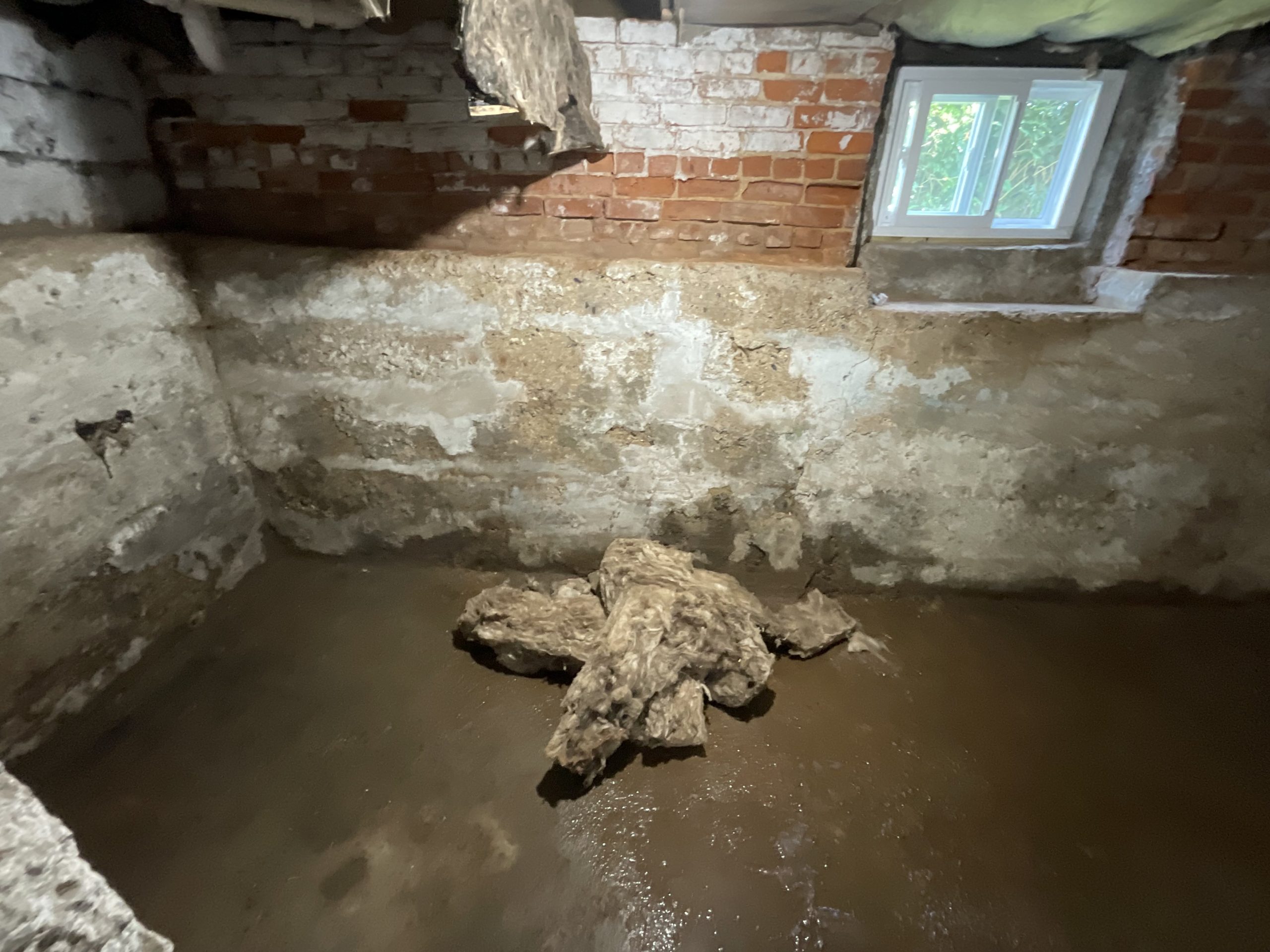
Have you ever considered the connection between a consistently wet basement and the growth of mold? It’s more than just an inconvenience; it’s a serious health risk that shouldn’t be ignored. The damp, dark conditions of your basement can become a breeding ground for mold spores, which can lead to numerous health problems. But what can you do about it? Let’s explore some preventative measures and solutions in our discussion.
Key Takeaways
- Wet basements provide ideal conditions for mold growth, especially when humidity levels exceed 60%.
- Mold spores, present in the air, multiply rapidly on damp surfaces found typically in basements.
- Poor air circulation in basements retains moisture, further promoting mold growth.
- Porous materials such as wood and concrete in basements absorb moisture, sustaining mold proliferation.
- Effective drainage solutions, waterproofing methods, and moisture barriers in basements can prevent mold growth.
Understanding Mold and Its Dangers
Mold silently invades your home, lurking in damp, hidden corners like your wet basement. This microscopic fungus, while seemingly harmless, presents significant health risks if left unchecked.
Let’s delve into the world of mold types and why they’re a cause for concern.
There are over a thousand types of mold, each varying in color, texture, and toxicity, but it’s the black mold that’s particularly worrisome. Stachybotrys chartarum, or black mold, thrives in consistently damp areas and is notorious for its health impact. Inhaling its spores can lead to respiratory issues, headaches, and in severe cases, neurological problems.
Even less toxic molds, such as Cladosporium, Penicillium, and Aspergillus, can trigger allergic reactions and asthma attacks when inhaled. You mightn’t realize these molds are present until you start experiencing symptoms like sneezing, coughing, and itchy eyes.
Mold isn’t just a cosmetic issue—it’s a significant health threat. Its spores are invisible, making it hard to detect until it’s spread significantly.
Therefore, understanding the different mold types and their potential health risks is essential, especially if you have a wet basement or other damp areas in your home.
How Moisture Contributes to Mold Growth
Damp basements serve as the perfect breeding ground for mold. Why? Because mold thrives in moist environments, and your wet basement provides just that.
It’s a science thing really. Mold spores, which are always present in the air, land on damp surfaces and begin to multiply.
Humidity levels play a crucial role in this process. When humidity levels rise above 60%, it creates ideal conditions for mold growth. In a wet basement, humidity levels often exceed this threshold, putting your basement at high risk.
Air circulation, or lack thereof, is another key factor. Basements typically lack proper ventilation, and stagnant air allows moisture to linger and humidity levels to remain high.
This lack of air circulation traps the dampness in, promoting the growth of mold.
What’s more, the porous nature of common basement materials like wood and concrete makes them absorb and retain moisture, providing a constant water source for mold.
Identifying Mold in Your Basement
In your quest to maintain a healthy home, knowing how to spot mold in your basement is crucial. Mold identification isn’t always straightforward, as mold types vary widely in appearance and growth patterns.
Primarily, you’re looking for patches or streaks of discoloration, often black, green, or white. While some mold types might be fuzzy, others appear slimy or powdery. Don’t be fooled by the lack of a distinct ‘moldy’ smell, as not all molds produce a detectable odor.
A quick visual check isn’t enough, though. You’ve got to consider the environment. Molds thrive in damp, dark, and warm conditions. So, if your basement is humid, poorly ventilated, or has recently suffered water damage, you’ve got a potential mold habitat.
Moreover, certain mold types cause structural damage to your house. Look for signs of decay like crumbling drywall, warped wood, or peeling paint. If you spot these signs, it’s likely you have mold silently thriving beneath the surface.
Lastly, some mold types cause allergic reactions. If you or your family members frequently experience allergy symptoms, especially when in the basement, it’s a strong signal mold may be present.
Prevention Strategies for Wet Basements
Having recognized the potential risks and signs of mold growth in your basement, it’s time to turn our attention to strategies that can prevent this issue in the first place. Two critical elements you should focus on are drainage solutions and waterproofing methods.
Implementing effective drainage solutions is paramount. A well-designed drainage system can manage excess water, preventing it from infiltrating your basement. If your property lacks a proper gradient to direct water away, you might want to consider installing French drains or sump pumps.
Waterproofing methods are equally important. Waterproofing can range from applying water-resistant paint to installing a full-scale exterior waterproofing system. Remember, it’s all about creating a barrier that prevents moisture from entering your basement.
Let’s break down these strategies:
| Strategy | Description | Effectiveness |
|---|---|---|
| French Drains | Trench filled with gravel or rock containing a perforated pipe that redirects surface water away from the building. | Highly effective if properly installed and maintained. |
| Sump Pumps | Pump used to remove water that has accumulated in a water-collecting sump basin. | Highly effective in preventing basement flooding. |
| Water-resistant Paint | Paint that prevents water penetration. | Moderately effective as a temporary solution. |
| Exterior Waterproofing | Full-scale solution involving the excavation of the foundation to install a waterproof membrane. | Most effective but also the most expensive. |
Preventing wet basements and subsequent mold growth is achievable with these strategies.
Remediation Techniques for Basement Mold
Should you discover mold in your basement, prompt remediation is crucial to prevent further damage and potential health issues.
Reacting quickly isn’t just about mitigating harm; it’s about reclaiming your space and ensuring a healthier environment.
Below, you’ll find a set of remediation techniques that you can employ:
- Identify and Rectify the Source: Before anything else, identify the source of the dampness. It could be a leaky pipe, condensation, or seepage. Fixing this will prevent future mold growth.
- Chemical Treatments: Use mold-specific chemical treatments to eradicate the current growth. These fungicides kill mold and prevent new spores from taking hold.
- Ventilation Improvements: Mold thrives in damp, stagnant air. Improving ventilation, by installing extractor fans or dehumidifiers, can create an environment where mold can’t survive.
- Regular Inspection and Maintenance: Keep a regular check on potential mold hotspots. Regular cleaning and early detection can help prevent mold growth.
Incorporating these techniques into your remediation strategy won’t only remove the existing mold but also act as a preventive measure.
Frequently Asked Questions
What Are the Health Risks Associated With Mold Exposure?
You’re at risk when exposed to mold.
Mold symptoms can range from minor irritations like sneezing, runny nose, and skin rashes, to more severe allergic reactions such as shortness of breath and asthma attacks.
Long term exposure can lead to serious lung infections.
It’s crucial to identify and remediate mold in your surroundings to maintain a healthy living environment.
Does Homeowners Insurance Usually Cover Mold Remediation?
Yes, your homeowner’s insurance often covers mold remediation, but it’s dependent on the policy and the cause of mold growth.
Most policies have coverage limits or may only cover it if it’s caused by a “covered peril.”
It’s important you read your policy’s fine print or consult your insurance agent.
If you’re living in an area prone to flooding, it’s advised you consider additional mold insurance.
What Types of Mold Are Most Commonly Found in Basements?
You’ll often find Aspergillus, Penicillium, and Stachybotrys, also known as black mold, in your basement.
These thrive in damp, dark areas. Mold identification techniques such as sampling and testing help you correctly identify them.
Effective moisture control methods, like dehumidifiers and proper ventilation, can prevent their growth.
Are There Any Natural Ways to Get Rid of Mold?
Yes, there are natural ways to get rid of mold. You can use white vinegar, which is a powerful antimicrobial.
Spray it on the moldy area, let it sit for an hour, and then wipe clean. Baking soda is also effective.
Mix it with water, spray on the mold, and scrub. Remember, these are temporary fixes.
For mold prevention, ensure your space is well-ventilated and dry, as mold thrives in damp environments.
How Long Does It Take for Mold to Grow After a Basement Flood?
After a basement flood, mold can start growing within 24-48 hours.
The speed depends on factors like flood duration, temperature, and material type.
It’s crucial you act fast to dry out the area and apply mold prevention measures.
Don’t wait till you see or smell mold.
Remember, prolonged wet conditions are a breeding ground for mold spores.
Ensuring immediate and proper cleanup will protect your basement from potential mold growth.
Conclusion
So, you’ve learned the risks. A wet basement is a breeding ground for mold, thanks to its damp, dark, and stagnant conditions. It’s not just about structural damage, but also your health. Don’t wait until it’s too late! Regular maintenance and moisture control can stop mold in its tracks. If you’ve got an infestation, remediation techniques are available. Your basement doesn’t have to be mold’s playground. Take control, and protect your home today.
For more than a decade, we have been the go-to waterproofing and related services provider for homeowners across New Jersey. Our reputation has been built on a foundation of delivering exceptional workmanship and top-notch customer service to each and every one of our valued clients.
We truly understand the significance of your home to you and your family, as well as the importance of the services we offer in safeguarding your home. That’s why we take our responsibilities seriously and never compromise on the quality of our work. Our commitment to your satisfaction is unwavering, and we go above and beyond to ensure that you are completely content with every aspect of the job we perform.
When it comes to protecting your home, trust is of utmost importance. At our professional New Jersey Waterproofing Company, we prioritize the well-being of your basement and ensure it remains shielded from any harmful moisture damage, regardless of the job’s size. Whether you require waterproofing, mold remediation, or even foundational or structural repairs, we are always ready and eager to take on any challenge.
Our singular focus is your happiness, and we leave no stone unturned in achieving it. If you are searching for a trustworthy New Jersey waterproofing company to safeguard your home, look no further. Contact us today and experience firsthand what sets us apart from the competition. Your home’s protection is our major priority, and we are here to serve you with dedication and expertise.