Imagine you’ve invested heavily in your dream home, but you’ve overlooked one critical aspect grading around your foundation. Poor grading could lead to water pooling, causing structural damage and even compromising the health of your household with mold growth. Not to mention, fixing these mistakes is a financial nightmare that could reach upwards of $10,000. This brings to light the importance of proper grading techniques. But what are these techniques? And how can you guarantee they’re correctly implemented to save your home from potential ruin?
Key Takeaways
- Poor grading can lead to water pooling around the foundation, increasing the risk of structural damage.
- Structural instability, such as cracks in walls and floors, is a potential consequence of poor grading.
- Mold and mildew problems, which decrease property value, can arise from water damage due to inadequate grading.
- The cost of repairing grading errors and resultant damages can exceed $10,000, depending on the extent of the damage.
- An example of poor grading’s impact was in 2010, when a home experienced severe damage from water intrusion due to inadequate grading.
Understanding Foundation Grading
When it comes to your home, understanding foundation grading is essential. It’s not enough to have a sturdy house; the soil it rests on needs to be properly graded too.
There are several grading techniques that you can use and the selection depends on the soil types present in your area. Some soils, like clay, can hold a lot of moisture, which can lead to foundation damage if the grading isn’t done right.
If you’re dealing with sandy soils, they drain well but can shift easily, so you’ll need a different grading approach. Understanding these nuances can help you choose the right grading techniques for your property.
One common technique is the slope away, where the ground is angled away from your home to avoid water pooling. There’s also the swale technique, where shallow ditches are constructed to divert water away.
Remember, you’re not just protecting your home, you’re protecting your investment. It’s not an overstatement to say that understanding foundation grading could save you from costly repairs down the line.
Importance of Proper Grading
You’ve got the basics of foundation grading down, but why should you care about grading correctly?
It’s simple: proper grading can make or break your academic or professional career.
Let’s explore the fundamentals of grading and the consequences that can arise from misgrading.
Grading Fundamentals
Understanding the importance of proper grading can be a game-changer in the educational process. It’s not just about assigning marks; it’s about shaping the foundation of learning. You’re not just grading work, you’re grading the future.
Grading techniques come in various types. Some focus on the process, others on the product, while some even consider the effort. It’s important to find a balance and use a technique that’ll best suit your teaching style and the learners’ needs.
Just like soil composition varies from place to place, students vary in their learning styles and capabilities. It’s a complex process which requires a deep understanding of the core principles.
You need to understand the soil composition and use the right grading techniques. It’s like planting. You wouldn’t plant a seed in rocky soil and expect it to grow. Similarly, you wouldn’t grade a student without understanding their learning needs and expect them to succeed.
Grading improperly can do more harm than good. It’s essential to get it right. It’s not just about the grades, it’s about the future of our learners.
Consequences of Misgrading
Grading improperly, you could be setting a student up for failure rather than success. Inconsistent or inaccurate grading techniques can lead to a host of negative impacts.
Let’s explore the consequences of misgrading.
- First, it can cause students to lose confidence in their abilities. If they consistently receive low grades despite their efforts, they may begin to doubt their academic competence.
- Second, it distorts the student’s understanding of their progress. They might think they’re mastering a subject when they’re not, or vice versa.
- Third, it undermines the credibility of the educator. You’re seen as unfair or incompetent, damaging the student-teacher relationship.
- Fourth, it disrupts the overall learning environment. Students may become demotivated or competitive, creating a toxic culture.
Therefore, the importance of proper grading can’t be overstated. Using reliable grading tools and techniques not only guarantees accuracy in evaluating a student’s performance but also fosters a healthy, conducive learning environment.
Remember, you’re not just grading papers, but shaping futures. Misgrading not only affects the student but the entire educational ecosystem.
The Problem of Water Accumulation
Ponding water, an aftermath of poor grading, is more than just a nuisance – it’s a real issue for your property. It disrupts soil stability, complicating water drainage and increasing soil moisture. Without proper grading techniques and drainage systems, you’re inviting a host of problems.
Your landscape grading is vital in managing runoff. An effective site assessment will reveal the best grading methods to use for optimum moisture control. The goal is to guide water away from your property, not let it accumulate and create issues.
Here’s a quick table to break it down:
| Water Drainage | Grading Techniques | Runoff Management |
|---|---|---|
| Improves soil stability | Assessed per site | Controls soil moisture |
| Requires efficient systems | Involves landscape grading | Uses specific methods |
| Affects property value | Can be expensive | Essential for property health |
Structural Instability Due to Poor Grading
You mightn’t realize it, but poor grading can lead to serious structural instability.
The consequences of grading errors can be severe, potentially causing long-term damage to your property.
But don’t worry, there are ways to remedy poor grading and prevent these issues.
Grading Errors’ Consequences
Ever wondered about the potential hazards of grading errors? If you haven’t, it’s high time you did. Ignoring grading standards and incorrect implementation of grading techniques can lead to serious consequences.
It’s not just about an uneven lawn or a sloping driveway, it’s about something much more critical – the structural stability of your home or building.
Here are some of the negative impacts of grading errors:
- Increased risk of foundation damage: Poor grading can lead to water pooling around your foundation, causing it to weaken over time.
- Structural instability: If the grading isn’t done properly, it can cause uneven ground settlement, leading to cracks in walls and floorings.
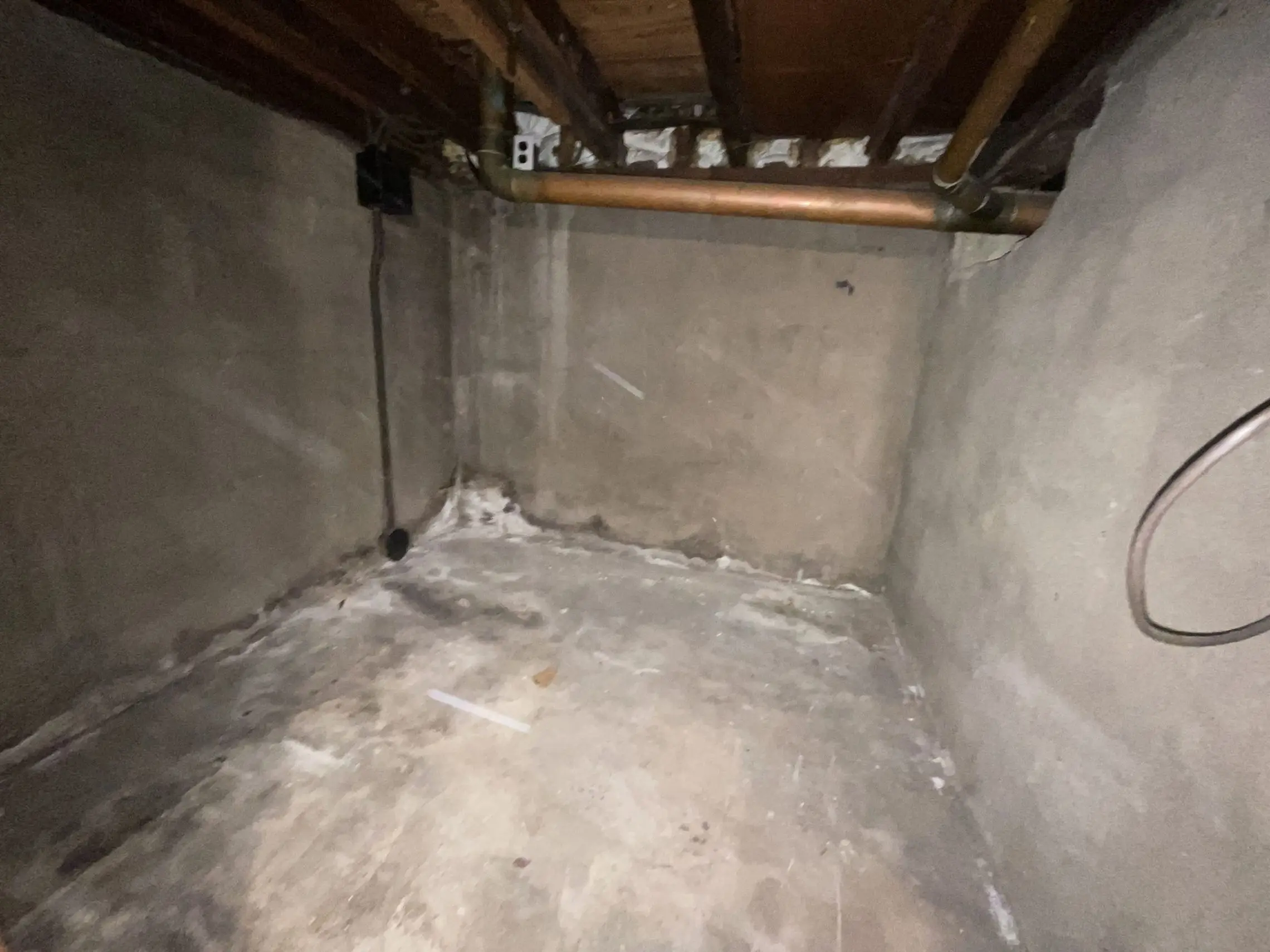
- Water damage: Inadequate or incorrect grading can lead to water seepage into your basement, causing mold, mildew and other water-related damages.
- Decreased property value: All of these issues not only cost money to fix, but also considerably decrease the value of your property.
Remedying Poor Grading
When your property’s structural instability is at risk due to poor grading, it’s time to take action swiftly. Remedying poor grading isn’t just about fixing the immediate problem, it’s about implementing long-term solutions that will prevent future issues.
Firstly, get familiar with different grading techniques. Knowledge is power, and understanding the best practices can help you make informed decisions. It’s vital to guarantee the land slopes away from your property. This technique, known as positive grading, helps in directing water away, thereby safeguarding your property against potential water damage.
Secondly, pay attention to soil drainage. If your soil doesn’t drain well, you’ll have persistent problems, regardless of how well the land is graded. To resolve this, consider soil amendments. Adding organic matter like compost or manure can help improve the structure and drainage of heavy clay soils.
Lastly, don’t forget regular maintenance. Once proper grading techniques are implemented and soil drainage is improved, regular check-ups are essential to guarantee everything’s working as it should.
Prevention is always better than cure, and a little diligence can save you from significant structural damage in the future.
Soil Erosion and Foundation Damage
A significant amount of homeowners overlook the severe impact of poor grading, leading to soil erosion and foundation damage. You may not realize it, but a poorly graded property doesn’t just detract from your home’s curb appeal.
It’s a silent destroyer, gradually compromising the structural integrity of your home. Poor grading disrupts soil stability, making your property susceptible to soil erosion. This process gradually washes away the soil around your home, leaving your foundation exposed and vulnerable.
When you can’t maintain soil stability, your foundation loses the support it needs, causing significant damage over time. To effectively prevent soil erosion and foundation damage, you need a thorough approach to erosion control.
This involves:
- Properly grading your property to guarantee water flows away from your home
- Planting vegetation to provide natural erosion control
- Installing drainage systems to manage excess water
- Regularly inspecting and maintaining your property’s grading and drainage systems
The Cost of Repairing Grading Mistakes
Fixing grading mistakes can be a costly affair. It’s not just about the direct grading costs but also about the subsequent repair expenses. You might think you’re saving money by cutting corners with grading, but in reality, you’re setting yourself up for a heap of future costs.
Consider this: improper grading can result in water seeping into your foundation, causing severe damage. The cost of repairing this can range from a few thousand dollars to over $10,000, depending on the extent of the damage. That’s not including the potential costs of mold remediation, which can add up quickly.
Moreover, these costs are just the tip of the iceberg. If the grading mistakes cause structural damage to your property, you could be looking at tens of thousands of dollars in repair expenses.
And don’t forget about the potential decrease in property value due to these issues.
In short, while you might save a few bucks initially by skimping on proper grading, you’ll likely end up paying much more in the long run. Proper grading might seem like a big investment now, but it’s worth it to avoid hefty repair costs down the line.
Preventive Measures for Grading Issues
Three preventive measures can save you from the headache and the financial burden of repairing grading mistakes.
It’s essential that as a homeowner, you prioritize these guidelines.
Firstly, start with a good grading plan. You can’t just wing it. You need to understand the lay of the land and decide on the best grading techniques to use. This will help you avoid potential issues down the road.
Secondly, invest in proper drainage solutions. This is a key part of your grading plan. You don’t want excess water to pool around your foundation. It can cause significant damage over time.
Lastly, hire a professional. It’s tempting to try and do it yourself, but grading is a complex process. A professional can help you avoid costly mistakes.
So, here’s a quick recap:
- Understand the lay of the land
- Decide on the best grading techniques
- Invest in proper drainage solutions
- Hire a professional to avoid costly mistakes
Case Study: Poor Grading Disaster
Back in 2010, an unfortunate homeowner faced a devastating situation due to poor grading. What seemed like a minor issue quickly escalated into a major disaster. It all started with slight unevenness in the yard; this was a result of inadequate grading techniques being used during the construction phase.
You’re probably thinking, “How could a little uneven ground cause such a problem?” Well, it’s all down to water. Without proper drainage solutions, water can pool around your home, seeping into the foundation and causing significant damage. In this case, the poor grading resulted in water not flowing away from the house as it should have.
When heavy rains hit, the situation worsened. The water seeped into the house, flooding the basement and weakening the foundation. Within weeks, the homeowner noticed cracks in the walls and a sinking floor. The final blow came when a section of the house literally fell inwards.
This catastrophe is a stark reminder of how essential proper grading is. It’s not just about aesthetics or convenience; it’s about the safety and stability of your home.
Professional Solutions for Foundation Grading
If you’ve ever faced a foundation grading issue, you’ll know it’s no small feat to resolve.
However, don’t worry, there are professional solutions out there to handle this. Utilizing the right grading techniques can prevent damage to your foundation and improve landscape drainage.
Professional grading solutions usually involve:
- Site Assessment: Experts first evaluate the landscape. They diagnose the issues and recommend the best grading techniques.
- Regulation of Slopes: Slopes guide water away from the foundation. Professionals will make sure they’re effectively doing their job.
- Installation of Drainage Systems: If necessary, experts might install drainage systems to further protect your foundation from water damage.
- Regular Maintenance: Post-installation, they’ll provide maintenance to keep your foundation healthy.
Frequently Asked Questions
What Are the Common Signs of Poor Foundation Grading in a Home?
You might notice signs like cracks in walls, uneven floors, or doors that don’t close properly.
These can indicate poor foundation grading. It’s essential to tackle these issues promptly.
By using effective grading techniques, you can direct water away from your home. Implementing proper drainage solutions also plays an important role.
Don’t overlook these warnings. They’re your home’s plea for help against the impact of poor grading.
Do Different Types of Soil Affect Foundation Grading?
Yes, different types of soil absolutely impact foundation grading.
Your soil composition, whether it’s clay, silt, sand, or a mix, can drastically change how water drains.
Clay soil, for instance, doesn’t drain well and can cause foundation issues.
Understanding your soil type and its drainage patterns is essential in preventing problems.
It’s not just about the slope of your land, but what’s beneath it that counts.
How Frequently Should a Homeowner Inspect Their Property for Grading Issues?
You should inspect your property for grading issues frequently, ideally with the change of each season.
Seasonal inspections help you catch problems early, reducing potential damage. It’s not just about looking for visible issues, but also about maintaining proper grading.
Remember, regular grading maintenance can save you from costly repairs in the long run.
Are There Any Specific Building Codes Related to Foundation Grading?
Yes, there are specific building codes related to foundation grading.
These grading regulations guarantee that water drains away from your home, preventing foundation damage.
It’s essential that you’re aware of these codes, as they directly impact your property’s safety and value.
Don’t overlook these drainage requirements; they’re not just suggestions but legal obligations.
It’s always best to consult with a professional to understand and meet these codes.
What Are the Potential Health Risks Associated With Poor Foundation Grading?
Poor foundation grading can lead to moisture retention, which may cause mold growth.
You’re potentially exposed to harmful spores, which can trigger allergies or respiratory issues.
Furthermore, poor grading can compromise the structural integrity of your home.
This instability could lead to accidents or injuries from falling debris.
It’s important to address any grading issues promptly to protect your health and safety.
Conclusion
Don’t underestimate the importance of proper grading on your property. Ignoring it can lead to water accumulation, structural instability, soil erosion, and expensive repairs. You can prevent these issues by understanding grading techniques and taking proactive steps. If you’re unsure, consult a professional to guarantee your home’s foundation is secure. Remember, protecting your property from poor grading is not just about saving money, it’s about assuring the safety and longevity of your home.
For more than a decade, we have been the go-to waterproofing and related services provider for homeowners across New Jersey. Our reputation has been built on a foundation of delivering exceptional workmanship and top-notch customer service to each and every one of our valued clients.
We truly understand the significance of your home to you and your family, as well as the importance of the services we offer in safeguarding your home. That’s why we take our responsibilities seriously and never compromise on the quality of our work. Our commitment to your satisfaction is unwavering, and we go above and beyond to ensure that you are completely content with every aspect of the job we perform.
When it comes to protecting your home, trust is of utmost importance. At our professional New Jersey Waterproofing Company, we prioritize the well-being of your basement and ensure it remains shielded from any harmful moisture damage, regardless of the job’s size. Whether you require waterproofing, mold remediation, or even foundational or structural repairs, we are always ready and eager to take on any challenge.
Our singular focus is your happiness, and we leave no stone unturned in achieving it. If you are searching for a trustworthy New Jersey waterproofing company to safeguard your home, look no further. Contact us today and experience firsthand what sets us apart from the competition. Your home’s protection is our major priority, and we are here to serve you with dedication and expertise.