You’ve probably heard about the importance of waterproofing in home maintenance, but have you ever wondered how it actually prevents mold, mildew, and structural damage? It’s not just about keeping things dry. Waterproofing manages moisture levels, curbing the growth of harmful mold and mildew and protecting your home’s structure from water-related decay. But there’s more to it than just that. So, why not stick around to uncover the deeper benefits of this essential home improvement step?
Key Takeaways
- Waterproofing prevents moisture buildup, a key condition for mold and mildew growth.
- Effective waterproofing techniques, like sealants and membranes, create a barrier against water intrusion, protecting structural integrity.
- Waterproofing solutions like sump pumps and drainage systems prevent flooding, mitigating potential structural damage.
- Regular maintenance of waterproofing installations helps identify and fix potential leaks, preventing damp conditions that foster mold.
- Waterproofing preserves indoor air quality by reducing dampness, thereby reducing health risks related to mold and mildew.
Understanding Waterproofing Basics
Waterproofing might seem like a complex process, but once you break it down into its basic elements, it’s relatively straightforward. The key is understanding the roles of waterproofing materials and techniques.
You begin by selecting the right waterproofing materials. This choice is vital because the materials act as a barrier, preventing water from seeping into structures.
Waterproofing materials can range from paints and sealants to membranes and concrete. Your choice depends on the level of protection needed and the type of surface you’re waterproofing. For example, if you’re waterproofing a basement, you might opt for a waterproofing membrane. This material is highly resistant to water penetration, making it an excellent choice for areas prone to flooding.
Next, it’s important to evaluate waterproofing techniques. These methods vary, but they all aim to keep water out. Techniques can include applying a waterproofing agent, installing a drain, or even creating a slope to divert water away from the structure.
It’s imperative to understand each technique’s benefits and drawbacks to select the most suitable one for your situation.
The Connection Between Moisture and Mold
You mightn’t realize it, but there’s a strong link between moisture and mold.
When you fail to waterproof your home properly, moisture can creep in, creating an ideal environment for mold growth.
Moisture’s Role in Mold
Unseen moisture can stealthily infiltrate your home, paving the way for unwelcome guests – mold and mildew. This clandestine intruder can seep through cracks in your walls, under doors, or around windows, often going unnoticed until it’s too late.
Moisture plays a vital role in mold growth. It’s the lifeblood of these fungi, enabling them to thrive and multiply. Without moisture, mold simply can’t survive. That’s why areas of your home with high humidity levels, such as your bathroom or basement, are often the first places mold appears.
You see, mold spores are always present in the air, but they need moisture to grow into the problematic colonies that can wreak havoc on your health and home. When moisture control is neglected, these spores latch onto damp surfaces and begin to grow, leading to mold infestations.
Mold prevention is essential, and it begins with controlling moisture. By keeping your home dry, you’re not only ensuring it remains a comfortable living space, but you’re also taking significant steps to protect it from structural damage and the health risks associated with mold.
Preventing Mold With Waterproofing
Understanding the connection between moisture and mold is the key to preventing mold growth in your home. Mold spores thrive in damp environments, and waterproofing solutions provide a barrier against these conditions.
Let’s take a look at a table that might surprise you:
| Without Waterproofing | With Waterproofing |
|---|---|
| Mold growth | Mold prevention |
| Structural damage | Structural integrity |
| Health risks | Health safety |
| High repair costs | Cost savings |
| Stress and worry | Peace of mind |
Without waterproofing, you’re left with the potential for mold growth, structural damage, health risks, high repair costs, and unnecessary stress. On the other hand, waterproofing brings mold prevention, structural integrity, health safety, cost savings, and peace of mind.
How Mildew Thrives in Damp Environments
You mightn’t realize it, but damp environments are a paradise for mildew.
It’s in these moist conditions that mildew can rapidly grow, leading to structural damage in your home.
Mildew Growth Factors
Stepping into a damp environment, you’re stepping into a breeding ground for mildew. It’s not just the moisture that mildew loves, but a combination of environmental factors that make damp areas a haven for growth. Understanding these factors is key to effective mildew prevention strategies.
| Factor | Description |
|---|---|
| Humidity | Mildew thrives in humid environments, where the air is saturated with moisture. |
| Temperature | Warm temperatures can accelerate mildew growth. Ideal temperatures for mildew range from 60-80 degrees Fahrenheit. |
| Poor Ventilation | Areas with poor airflow can trap moisture, providing the perfect conditions for mildew to grow. |
Dampness and Structural Damage
When your home experiences dampness, it’s like rolling out a welcome mat for mildew. This unwelcome guest thrives in damp environments, spreading quickly and causing significant damage.
But it’s not just an eyesore; it’s also a threat to your home’s structural integrity. You see, the constant exposure to moisture can lead to the slow decay of your home’s building materials, weakening their strength and stability over time.
This can result in costly repairs and even potential safety hazards if not addressed promptly. That’s where dampness prevention comes into play.
Structural Damage Caused by Water Intrusion
A staggering majority of structural damages in buildings are caused by water intrusion. When water seeps into your building, it’s more than just an unsightly damp spot. It’s the silent destroyer of your property’s structural integrity. Over time, the water intrusion effects become evident and often irreversible.
- Foundation Damage: Water can seep into your foundation, causing cracks and instability. This not only threatens your building’s structural integrity but can also lead to costly repairs.
- Wood Decay: Buildings with a lot of woodwork are particularly at risk. Moisture can cause wood to rot, weakening your structure.
- Concrete Corrosion: Water can cause concrete to corrode over time. This weakens the structure and can lead to collapses.
- Mold Growth: Damp environments are a breeding ground for mold. While this mightn’t seem like a structural issue, mold can degrade building materials over time.
It’s essential to understand that water intrusion isn’t just a cosmetic problem. It’s a ticking time bomb, waiting to cause serious damage.
Don’t wait until it’s too late. Address the risks now to prevent future headaches.
Waterproofing Methods to Consider
Considering the potential damage water intrusion can cause, it’s vital to take preventive measures. One of your first lines of defense can be spray foam. It’s commonly used for sealing cracks and gaps, providing an efficient moisture barrier.
Next, consider foundation membranes and drainage systems. These methods work together to direct water away from your home’s structure, preventing dampness from seeping into your walls. Foundation membranes are a sort of ‘shield’ for your home, while drainage systems guarantee that water doesn’t pool around your foundation.
Waterproof coatings and interior sealants are also effective methods. They create a solid barrier against moisture, stopping it from penetrating surfaces.
Don’t overlook the use of vapor barriers either. These are ideal for areas like basements, where humidity levels can be high.
Sump pumps can be a lifesaver in wet conditions, removing excess water and preventing flooding.
Also, consider exterior sealing and landscape grading. These control how water flows around your property, preventing accumulation near your home.
Lastly, don’t forget about moisture barriers. They’re vital in areas prone to high humidity, helping to control moisture levels and prevent mold growth.
With these methods, you’ll be well-equipped to handle potential water intrusion.
Essential Areas to Waterproof in Your Home
Now, let’s talk about the essential areas in your home that need waterproofing.
You can’t overlook the importance of protecting your basement, bathroom, and kitchen – these are your home’s first line of defense against water damage.
Let’s explore how to best safeguard these areas.
Waterproofing Your Basement
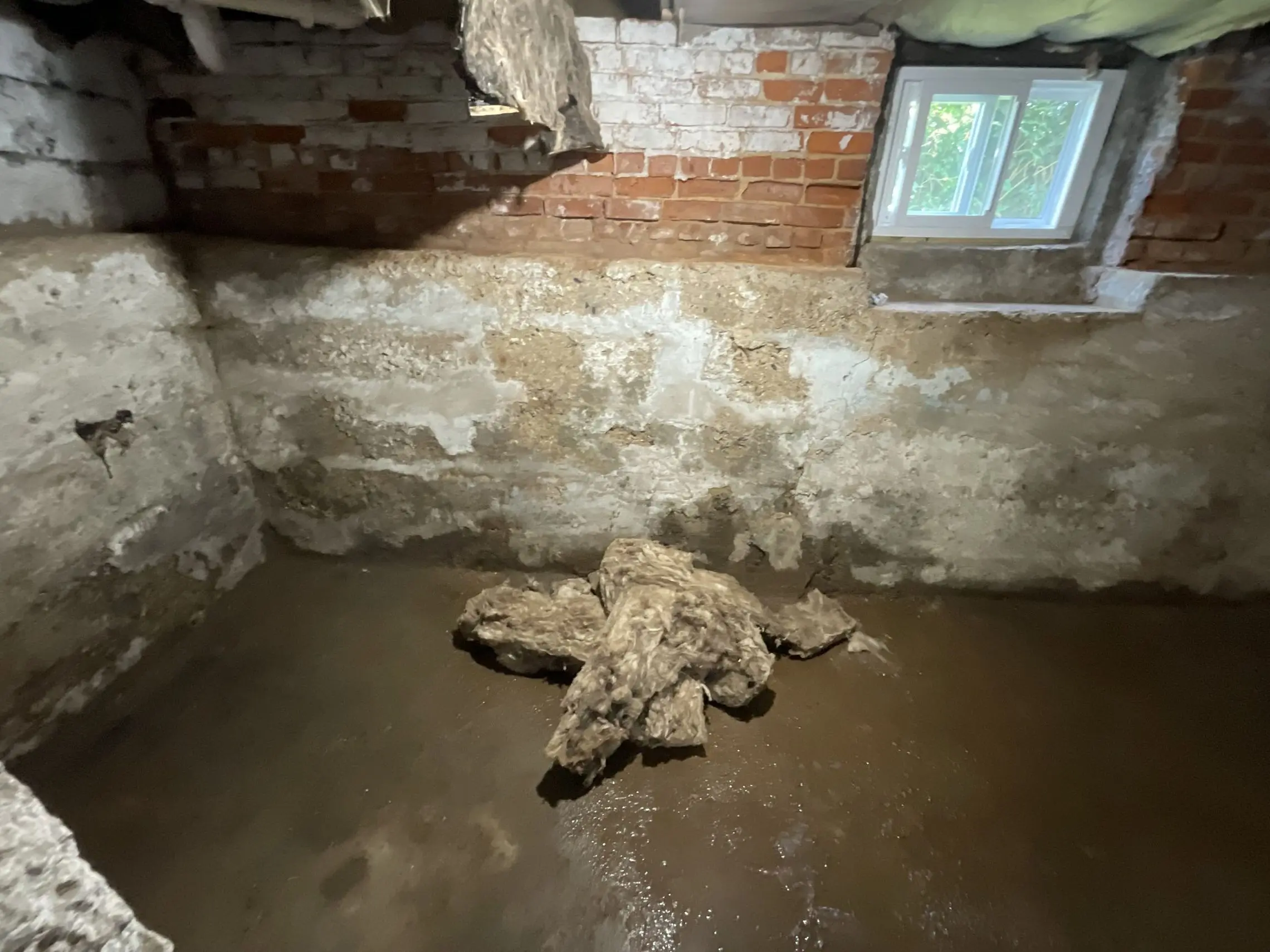
Did you know that approximately 60% of American homes suffer from below-ground wetness? Much of this dampness can be attributed to unsealed basements.
Waterproofing your basement is an essential step in home maintenance that can save you from mold, mildew, and structural damage.
Implementing basement drainage systems and sump pumps will help you manage water accumulation. These mechanisms redirect water away from your home’s foundation, offering vital foundation protection.
Wall sealing and vapor barriers are two effective interior waterproofing methods. They prevent moisture from seeping into your walls and creating a damp, humid environment.
Speaking of humidity, humidity control is key. By guaranteeing proper basement ventilation, you can prevent the build-up of moisture, which is a leading cause of mold and mildew formation.
Exterior solutions, on the other hand, provide an additional layer of protection against water penetration. These include sealing cracks and installing drainage systems around your home.
To prevent flooding and related damages, consider these points:
- Install a robust basement drainage system.
- Use sump pumps for efficient water removal.
- Apply wall sealing and vapor barriers for interior protection.
- Guarantee proper basement ventilation for humidity control.
Protecting Your Bathroom
Your bathroom is another crucial area in your home that can benefit greatly from waterproofing. This often-wet room sees a good deal of moisture, whether it’s from your morning shower, a relaxing bath, or a sink often left running by little ones.
Without proper precautions, this dampness can lead to mold and mildew growth, or even structural damage.
The first line of defense is good bathroom ventilation. You can’t stop the water use, but you can guarantee that excess moisture doesn’t stay trapped. An efficient exhaust fan can help, pulling moisture-laden air out of the room.
But it’s not enough on its own. You also need to take into account moisture barriers.
Moisture barriers, when installed correctly, act like a protective shield for your walls and floors, preventing water from seeping into places it shouldn’t.
They’re particularly crucial in shower and bathtub areas. Waterproofing these areas can save you from costly repairs down the line.
Safeguarding the Kitchen
The kitchen, often considered the heart of the home, also holds its fair share of potential water damage hazards.
With a multitude of kitchen appliances and areas for food storage, it’s essential to waterproof this space to avoid costly damage and health risks.
Waterproofing your kitchen won’t only prevent damage but also extend the lifespan of your appliances and keep your stored food safe from moisture and mold.
Here’s how:
- Under the Sink: This hidden area is a common place for leakage. Regularly check for drips and consider a waterproof cabinet liner to catch any potential leaks.
- Around Appliances: Dishwashers, refrigerators, and sinks are all culprits for water leaks. Regularly inspect these areas and consider waterproof sealants where necessary.
- Food Storage Areas: Moisture can lead to mold and mildew, spoiling your food. Seal these areas well, and always check for leaks or damp.
- Flooring: Spills are common in the kitchen. Choose waterproof flooring materials or verify your current flooring is well-sealed.
Costs and Benefits of Waterproofing
While it might seem costly upfront, investing in waterproofing for your property can lead to significant long-term savings. You may be wondering, “Is it really worth it?” To answer this, it’s crucial to conduct a cost analysis.
Initially, the expenses for waterproofing may make you think twice. This includes the cost of materials and the professional services if you opt to hire experts. However, you shouldn’t let these immediate costs deter you. Instead, consider the potential damages that waterproofing can prevent.
Over time, untreated water damage can lead to mold and mildew growth, which not only degrades your property but also poses serious health risks. Additionally, extensive water damage can result in structural issues, escalating repair costs exponentially.
By opting for waterproofing, you’re not just preserving the current state of your property, but you’re also preventing future expensive repair costs. The long-term savings are significant when compared to the initial investment.
In essence, waterproofing is a preventive measure that saves you money in the long run. It’s an investment in your property’s lifespan and your peace of mind.
Professional Vs DIY Waterproofing
Deciding between professional and DIY waterproofing can be a real conundrum. You’re likely juggling cost comparisons and effectiveness analysis in your mind. Both options have their pros and cons, and it’s crucial to weigh them correctly.
When considering cost comparisons, professional waterproofing might initially seem more expensive than DIY. But remember, professionals bring expertise and specialized tools to the table.
On the contrary, DIY waterproofing can be cost-effective upfront, but potential mistakes could lead to costly repairs later.
For an effectiveness analysis, consider the following points:
- Skill Level: Professionals are trained to spot and fix even the smallest issues. In contrast, you might miss these as an amateur.
- Time Commitment: DIY projects can be time-consuming. Do you have that time to spare?
- Quality of Work: Professionals typically guarantee their work, providing you with peace of mind.
- Long-term Maintenance: Professionals can also offer advice on maintaining the waterproofing, ensuring it lasts longer.
Maintenance Tips for Waterproofed Areas
Regardless of whether you choose professional or DIY waterproofing, it’s vital to maintain the waterproofed areas properly to guarantee longevity. To make certain your waterproofing stays effective, you need to establish regular maintenance schedules and use detailed inspection checklists.
Here’s a simple table that outlines the basic steps in maintaining a waterproofed area:
| Maintenance Steps | Frequency | Checklist |
|---|---|---|
| Visual Inspection | Monthly | Check for cracks or damage |
| Clean Surfaces | Quarterly | Remove dirt and debris |
| Professional Inspection | Annually | Assess overall waterproofing condition |
First, visually inspect the area each month. Look for any signs of wear and tear such as cracks or discoloration. Second, clean the surfaces quarterly to prevent buildup of dirt and debris that could lead to damage. Finally, it’s important to have a professional inspection annually. This is to catch any potential issues that you might have missed and it also offers an opportunity for any necessary repairs.
Real-Life Cases of Waterproofing Success
Although many may underestimate the importance of waterproofing, there are countless real-life examples that highlight its benefits.
You’ll find a plethora of real estate success stories and waterproofing testimonials that demonstrate the power of this preventative measure.
Let’s discuss four such cases:
- A homeowner in Florida was struggling with persistent mold and mildew. After waterproofing their basement, they saw a dramatic reduction in these issues, improving their home’s air quality and their family’s health.
- In California, a real estate investor had a property that was suffering from structural damage due to water intrusion. Post waterproofing, the property’s value soared, becoming one of their most successful investments.
- A couple in Oregon had a damp and uninviting basement. Waterproofing transformed it into a dry, usable space, increasing the overall living area and the home’s market value.
- A business owner in New York had frequent flooding in their warehouse. Waterproofing not only stopped the flooding but also prevented costly inventory losses.
These examples attest to the fact that waterproofing can increase property value, protect health, and prevent loss.
It’s an investment that’s well worth considering.
Frequently Asked Questions
What Is the Difference Between Mold and Mildew?
You’re asking about the difference between mold and mildew.
Well, mold’s characteristics include a fuzzy appearance and it comes in various colors. It penetrates surfaces, causing structural damage.
Mildew, on the other hand, grows on the surface of moist, warm areas. It’s usually gray or white, powdery or fluffy.
Mildew may look less harmful, but it can cause significant damage if not addressed.
Can Waterproofing Negatively Affect Indoor Air Quality?
You might worry that waterproofing could negatively affect your indoor air quality.
However, it’s really about moisture control and proper air circulation. When you waterproof, you’re preventing excessive moisture that can breed mold and mildew.
But, you can’t forget about air circulation. Stale air can also lead to mold growth.
So, while you’re waterproofing, make sure you’re also keeping the air in your home fresh and moving.
It’s a balance, but you’ve got this!
Are Waterproofing Solutions Environmentally Friendly?
You’re right to ask if waterproofing solutions are environmentally friendly. Many are, especially those using sustainable materials and methods.
It’s key to choose products that don’t harm the environment. Look for solutions that are non-toxic, use less energy for production, and are made from renewable resources.
There’s a variety of eco-friendly waterproofing options. So, you can protect your home from damage while also being a good steward of the planet.
Does Homeowners Insurance Typically Cover Waterproofing Costs?
It’s uncommon for homeowners insurance to cover waterproofing costs. Usually, these policies don’t include maintenance work like waterproofing.
However, you can’t ignore the immense benefits of waterproofing. It protects your home from water damage, reducing potential repair costs down the line.
It’s best to check your policy carefully or consult with your insurance provider to understand what’s covered.
Don’t let cost deter you; consider the long-term savings and peace of mind waterproofing provides.
Can Waterproofing Increase the Value of My Property?
Absolutely, waterproofing can boost your property’s value.
It’s not just about preventing damage; it’s an investment. Appraisers and potential buyers recognize the benefits of a well-maintained, waterproofed home.
It’s attractive in the market, signaling that you’ve taken preventive measures to safeguard your property.
So, you’re not just increasing your home’s lifespan, you’re enhancing its market demand, potentially raising its appraisal value.
It’s a smart move for your property’s health and your wallet.
Conclusion
So, you see, waterproofing is more than just preventing leaks. It’s about protecting your home from mold, mildew, and serious structural damage. No matter if you opt for professional help or take the DIY route, the costs are well worth the benefits. Don’t forget, maintenance is key to keep the barrier strong. Remember, a dry home is a healthy home. Make the smart choice and invest in waterproofing – your home (and health) will thank you.
For more than a decade, we have been the go-to waterproofing and related services provider for homeowners across New Jersey. Our reputation has been built on a foundation of delivering exceptional workmanship and top-notch customer service to each and every one of our valued clients.
We truly understand the significance of your home to you and your family, as well as the importance of the services we offer in safeguarding your home. That’s why we take our responsibilities seriously and never compromise on the quality of our work. Our commitment to your satisfaction is unwavering, and we go above and beyond to ensure that you are completely content with every aspect of the job we perform.
When it comes to protecting your home, trust is of utmost importance. At our professional New Jersey Waterproofing Company, we prioritize the well-being of your basement and ensure it remains shielded from any harmful moisture damage, regardless of the job’s size. Whether you require waterproofing, mold remediation, or even foundational or structural repairs, we are always ready and eager to take on any challenge.
Our singular focus is your happiness, and we leave no stone unturned in achieving it. If you are searching for a trustworthy New Jersey waterproofing company to safeguard your home, look no further. Contact us today and experience firsthand what sets us apart from the competition. Your home’s protection is our major priority, and we are here to serve you with dedication and expertise.