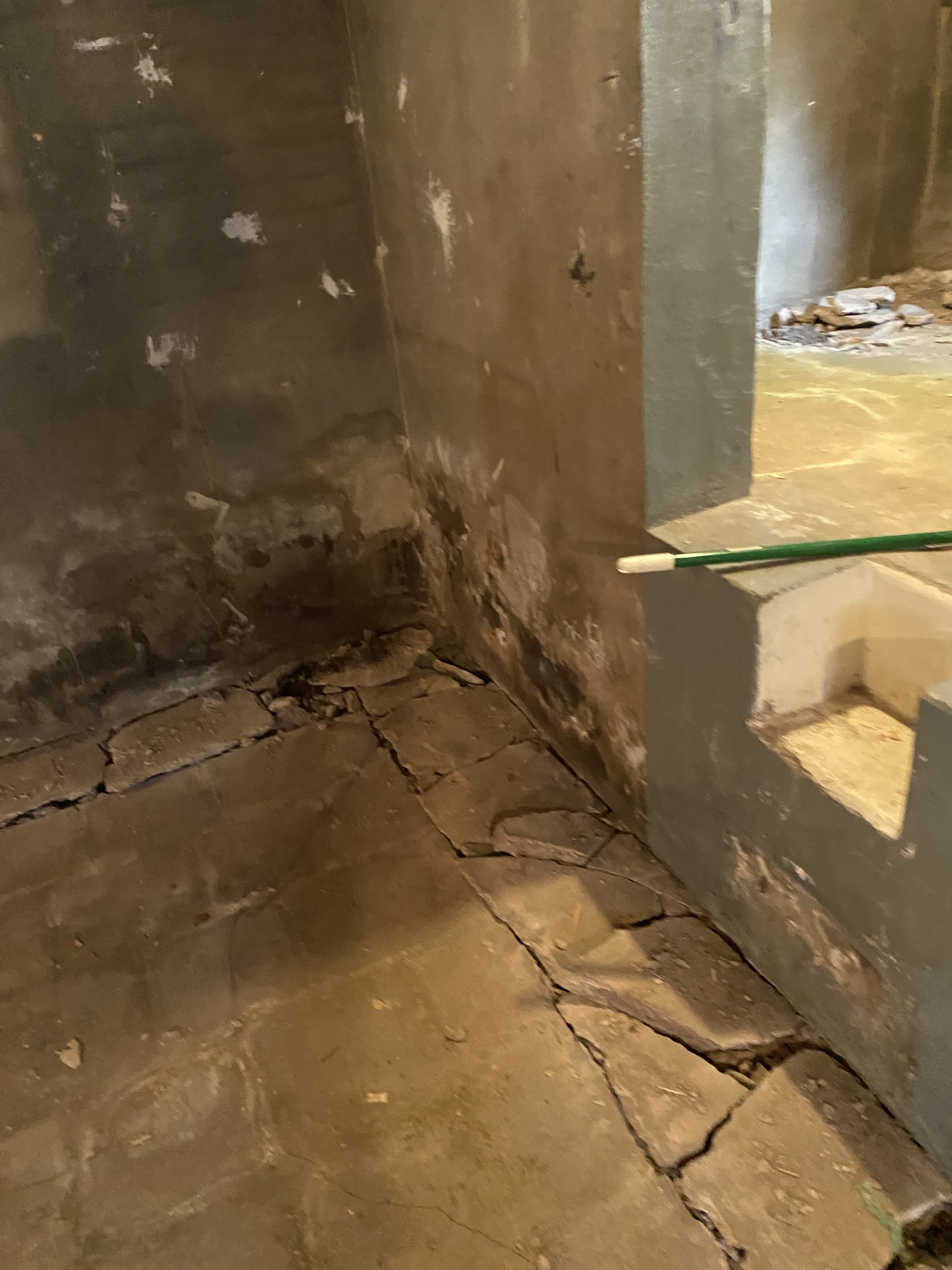
You’ve probably heard a few old wives’ tales about mold. Maybe you’ve been told that it only grows in aged homes, or that bleach is all you need to get rid of it. However, these common misconceptions can lead to serious health risks and property damage. To keep your home and family safe, it’s time to debunk these myths and gain a better understanding of how mold really works. So, are you ready to challenge what you think you know?
Key Takeaways
- Contrary to myth, mold can grow in both cold and dry climates due to varying humidity and temperature conditions.
- The belief that all black mold is toxic is a misconception; only certain types such as Stachybotrys chartarum can cause severe health issues.
- Bleach is not a comprehensive solution for mold removal; it fails to kill embedded spores, especially on porous surfaces.
- The notion that mold only occurs in old homes is false; new homes can also harbor mold due to moisture, lack of ventilation, and water damage.
- Painting over mold is not a solution; it merely hides the problem and allows for continued growth beneath the paint surface.
The Link Between Mold and Cold Weather
As winter rolls around, you may think you’re off the hook when it comes to mold in your home. However, cold weather conditions can often exacerbate mold growth, thanks to temperature fluctuations and fluctuating humidity levels.
It’s a myth you need to debunk: seasonal mold isn’t solely a warm-weather woe.
Winter moisture, especially in poorly insulated or ventilated homes, can create the perfect breeding ground for mold. Temperature fluctuations between the warm indoors and cold outdoors can lead to condensation issues. This excess moisture often ends up on your walls, windows, and other surfaces, providing the damp conditions mold spores need to thrive.
Indoor air quality can also take a hit during the winter months. As you’re likely to keep your windows and doors shut to preserve heat, this can increase the humidity levels in your home. High humidity can promote mold growth, leaving you with a potential health hazard.
The Myth of Harmless Black Mold
You might believe that black mold is harmless, but this is another myth that needs debunking. It’s true that not all black molds are toxic, but it’s essential to understand the potential harm they can cause. The term ‘black mold’ often refers to Stachybotrys chartarum, a mold which produces toxins that can lead to serious health issues.
Black mold health risks aren’t something to take lightly. You could suffer from chronic coughing, sneezing, eye irritation, rashes, chronic fatigue, and persistent headaches. These symptoms are often mistaken for common allergies, making it easy to overlook the real culprit. In severe cases, toxic mold exposure can lead to serious respiratory problems.
Even if you’re not experiencing these symptoms, don’t underestimate the potential hazards. Black mold can grow unnoticed behind walls or under floors, releasing dangerous spores into the air you breathe. It’s important to regularly check these areas, especially if you’ve had any water damage.
In short, don’t fall for the myth of harmless black mold. Your health and home deserve better. Get informed, stay vigilant, and take action when necessary.
Bleach: A Mold Solution?
Many homeowners’ first instinct when they spot mold is to reach for a bottle of bleach. You might be under the impression that bleach is the ultimate solution for your mold problems. After all, it’s a powerful disinfectant, right? However, this is a common misconception that needs debunking.
While bleach might seem effective at first, it’s not the ideal weapon against mold. It’s true that bleach can kill some types of mold on non-porous surfaces, like tiles. But on porous surfaces, such as wood and drywall, bleach can’t penetrate to destroy the deeply embedded mold spores.
In fact, bleach’s water content can actually fuel the growth of mold spores, exacerbating the problem. And while the surface may look clean post-bleach, under the surface, the mold continues to grow and spread.
Moreover, frequent use of bleach can lead to other issues including damage to surfaces and potential health risks. It’s better to seek out products specifically designed to kill mold, or better yet, hire a professional to guarantee the mold is completely eradicated.
Only Old Homes Have Mold
You might think that only old homes are susceptible to mold, but that’s not the case.
Even new homes can harbor mold if the conditions are right.
Let’s discuss the causes of household mold and why it’s not just an issue for older properties.
Mold in New Homes
Contrary to popular belief, mold isn’t exclusive to old homes. In fact, new homes can be just as susceptible. The myth that only old homes have mold is one you need to ditch, as it can lead to complacency and missed opportunities for mold prevention strategies.
Your new home might look pristine, but that doesn’t mean it’s mold-free. Hidden in corners, behind walls, or under floors, mold can lurk unnoticed. That’s why new home inspections are essential. They’re not just for finding structural issues, but also for detecting mold. These inspections can catch mold colonies before they spread, saving you time, money, and health issues down the line.
But don’t just rely on inspections. You must also take proactive steps to prevent mold. This includes ensuring good ventilation, controlling humidity, and quickly addressing any water leaks or spills.
It’s also a good idea to use mold-resistant products during the construction of your home.
Causes of Household Mold
Shifting our focus, let’s debunk another common myth: that only old homes can have mold. Fact is, mold doesn’t discriminate based on the age of your home. It’s the conditions within the home that matter.
Mold growth triggers are primarily moisture, warmth, and organic material to feed on. Any home, old or new, can provide these conditions. For instance, a leaking pipe in a brand new house can create the damp environment that mold spores love. The material of your home’s structure, like wood or drywall, can provide the organic food source for mold.
Here’s a simple table to help you understand:
| Mold Growth Triggers | Old Homes | New Homes |
|---|---|---|
| Moisture | Possible | Possible |
| Warmth | Possible | Possible |
| Organic Material | Possible | Possible |
Painting Over Mold Dilemma
You might think painting over mold is a quick fix, but let’s clear up some misconceptions.
Covering up the issue can lead to serious consequences down the line.
Misunderstandings About Mold Painting
Ever wondered about the idea of just painting over mold? It’s a common misunderstanding, but it’s important to know that it’s not an effective solution.
Mold is more than just a surface issue, it’s an infestation that can grow deep into your walls. You see, mold spores are microscopic and can easily penetrate paint. Painting over mold doesn’t kill it, it merely covers it up, allowing those spores to continue growing underneath.
It’s like putting a band-aid on a wound that really needs stitches. Your best bet is to embrace mold prevention strategies. This starts with identifying potential mold sources, like leaks, and fixing them promptly.
Then, make certain your home is properly ventilated, especially in damp areas like bathrooms and basements. But what if you’ve already got mold? That’s where mold identification techniques come in handy.
Recognizing mold early and seeking professional help can save you from the headaches of a major mold problem down the line.
Consequences of Painting Mold
While it might seem like a quick fix, painting over mold can lead to serious complications down the road.
You’re not solving the problem, you’re merely applying a band-aid solution. The mold consequences are still there, lurking beneath the fresh layer of paint.
Mold is a living organism that feeds on your paint and drywall, continuing to grow and spread behind the scenes. It’s not deterred by your new color scheme.
The painting risks are high, as the mold will eventually break through your paint, causing unsightly stains and damage.
Moreover, you’re allowing a potentially harmful organism to thrive in your home. Many mold types can cause health issues, like respiratory problems, allergic reactions, and even serious lung conditions.
Neglecting the mold issue by merely painting over it doesn’t make it disappear, it just sets you up for bigger problems in the future.
In short, don’t be fooled by the myth that painting over mold is an effective solution.
It’s a temporary cover-up at best, and at worst, it’s a ticking health hazard in your home.
Address the mold issue head-on and hire professionals to properly remove it.
Mold Cannot Grow in Dry Climates
Contrary to popular belief, mold can indeed grow in dry climates. While it’s true that mold thrives in moist environments, don’t be fooled into thinking that dry climate conditions offer a mold-free guarantee.
Mold spores are opportunistic and resilient, ready to proliferate wherever they find sufficient mold moisture sources.
In a dry climate, these moisture sources can be unexpected:
- Condensation: In your home, activities like cooking, bathing, or even breathing can cause condensation, creating a perfect breeding ground for mold.
- Leaky pipes: Overlooked leaks can cause mold to grow, even in the driest of climates.
- Humidity: A humid day or a poorly ventilated space can provide enough moisture for mold to grow.
You might think that the dry air outside your home keeps mold at bay but remember, mold can grow indoors regardless of the outdoor climate.
Understanding the resilience of mold, even in dry climates, is the first step in preventing its growth.
The “Mold-Free” Home Myth
Many homeowners pride themselves on living in a “mold-free” home. However, this is a myth that needs debunking. Mold spores are ubiquitous, present in almost all indoor and outdoor environments. So, the concept of a completely “mold-free” home is a misnomer.
What you can aim for, though, is a home free of active mold growth. This is where mold prevention tips come in handy. The key lies in controlling the indoor humidity levels of your home. Mold thrives in moist environments, so maintaining a balanced humidity level is essential. Use dehumidifiers and air conditioners to keep indoor humidity below 50%.
Regularly clean and dry wet areas in your home. This includes promptly repairing any leaks in roofs, windows, or pipes. Remember, mold can grow on any organic material when moisture and oxygen are present.
While it’s impossible to eliminate all mold spores, you can prevent them from growing into a problem. So, don’t be misled by the “mold-free” home myth. Instead, focus on effective mold prevention strategies. By doing so, you’ll foster a healthier living environment and protect your home from potential mold-related damage.
Misconceptions About Mold Remediation
Ever thought you could tackle mold problems on your own? Many homeowners believe they can rid their homes of mold without professional help. But there are some misconceptions about mold remediation that you need to understand.
To begin with, mold isn’t just a surface problem. It penetrates into walls and floors, making it tough to eliminate without professional tools and techniques. Additionally, bleach isn’t the end-all solution. Sure, it can kill surface mold but it doesn’t address the root cause or prevent future growth.
Here are some common myths about mold remediation:
- Mold testing isn’t necessary: In reality, mold testing is essential to identify the mold type and the appropriate treatment.
- Remediation costs are too high: The truth is, ignoring mold can lead to more serious health and home repair costs down the line.
- DIY mold remediation is effective: In fact, without proper training and tools, you may end up spreading mold spores, causing more harm than good.
Understand that mold remediation isn’t a DIY project. It’s a job for professionals who’ve the knowledge, equipment, and training necessary to properly eliminate mold and prevent its recurrence.
The Fallacy of Mold Immunity in New Houses
It’s a common misconception that new houses are immune to mold. You might think, “I’ve just built my dream home. There’s no way mold could appear!” But, new construction risks exist, and they can lead to the growth of mold spores.
Just like older homes, new ones need proper mold prevention strategies. Lack of adequate ventilation, humidity control, or water damage from faulty plumbing can all lead to mold growth, even in brand-new homes.
Don’t be lulled into a false sense of security. Stay proactive about mold prevention. Here’s a simple table to help you understand the risks and solutions:
| New Construction Risks | Mold Prevention Strategies |
|---|---|
| Poor Ventilation | Install proper ventilation systems |
| High Humidity | Use dehumidifiers and air conditioners |
| Water Damage | Regularly check for leaks and fix any promptly |
| Inadequate Insulation | Verify insulation is installed correctly |
Frequently Asked Questions
Can Mold Affect My Pets as It Does Humans?
Yes, mold can affect your pets just like humans.
They’re susceptible to mold toxicity, which can lead to various pet symptoms such as respiratory issues, skin irritation, and lethargy.
It’s essential to keep your home mold-free not just for your health, but also for your pets.
Remember, if you’re feeling the effects of mold, it’s likely your pets are too.
Always consult a vet if you suspect mold exposure in your pets.
What Are Some Early Signs of Mold Growth in My Home?
You might notice early signs of mold growth in your home before actually seeing the mold.
If you’re detecting musty odors or seeing unexplained discoloration spots on walls, floors, or ceilings, it’s likely you’ve got a mold problem.
Don’t ignore these signs! They’re your first clue that you need to investigate further or call in a professional to guarantee your home stays safe and healthy.
How Does Mold Exposure Impact Individuals With Allergies or Asthma?
If you’ve allergies or asthma, mold exposure can seriously impact your health.
Mold sensitivity reactions can range from sneezing and skin rashes to more severe responses like shortness of breath.
For asthma sufferers, mold spores are a common exacerbation trigger, causing increased coughing and wheezing.
It’s essential to manage mold in your home effectively to avoid these potential health issues.
Can Household Plants Increase the Risk of Mold Growth?
Yes, your household plants can increase the risk of mold growth.
It’s all about how you’re caring for your plants. Overwatering and not allowing the soil to dry can create a damp environment, perfect for mold.
Also, high humidity levels in your home can contribute. So, you’ve got to balance your plant care routine and monitor your home’s humidity levels to prevent mold from making itself at home.
Are There Any Health Issues Associated With Long-Term Mold Exposure?
Yes, there definitely are health issues linked to long-term mold exposure.
If you’re consistently exposed to mold, you might start experiencing mold symptoms like persistent coughing, sneezing, eye irritation, and even skin rashes.
Over time, chronic exposure can lead to more serious health problems such as lung infections or development of asthma.
It’s essential to get rid of mold immediately once you spot it in your home.
Conclusion
Don’t fall for these mold myths. Remember, mold can appear in any home, old or new, and in any climate. Bleach and paint won’t solve your mold problem, and even “mold-free” homes need regular checks. Misunderstanding mold and its remediation could risk your health. Stay informed, take preventative measures, and seek professional help when necessary. Your home’s health reflects your own, so let’s debunk these myths and aim for mold-free living.
For more than a decade, we have been the go-to waterproofing and related services provider for homeowners across New Jersey. Our reputation has been built on a foundation of delivering exceptional workmanship and top-notch customer service to each and every one of our valued clients.
We truly understand the significance of your home to you and your family, as well as the importance of the services we offer in safeguarding your home. That’s why we take our responsibilities seriously and never compromise on the quality of our work. Our commitment to your satisfaction is unwavering, and we go above and beyond to ensure that you are completely content with every aspect of the job we perform.
When it comes to protecting your home, trust is of utmost importance. At our professional New Jersey Waterproofing Company, we prioritize the well-being of your basement and ensure it remains shielded from any harmful moisture damage, regardless of the job’s size. Whether you require waterproofing, mold remediation, or even foundational or structural repairs, we are always ready and eager to take on any challenge.
Our singular focus is your happiness, and we leave no stone unturned in achieving it. If you are searching for a trustworthy New Jersey waterproofing company to safeguard your home, look no further. Contact us today and experience firsthand what sets us apart from the competition. Your home’s protection is our major priority, and we are here to serve you with dedication and expertise.