
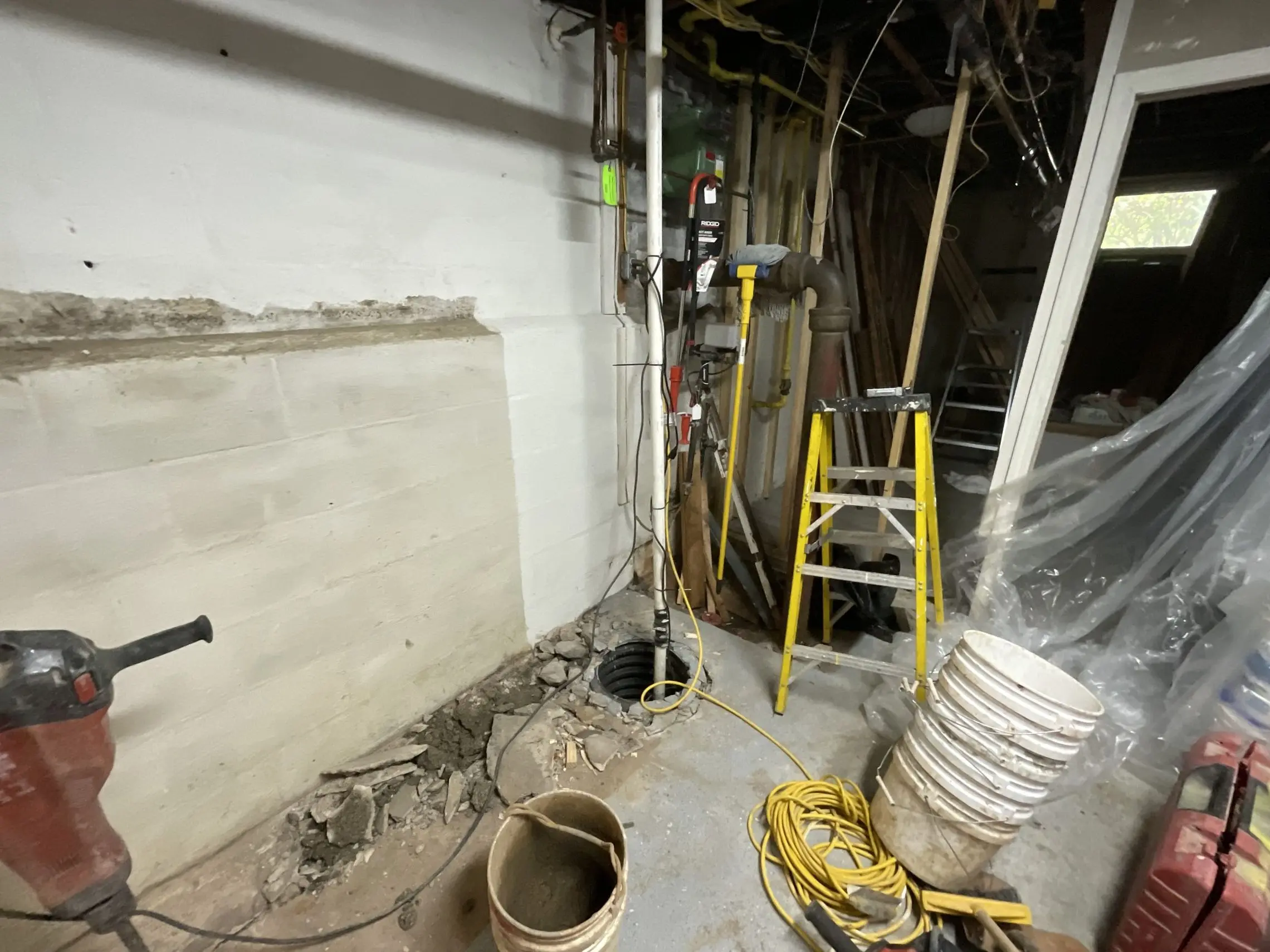
You’ve probably been told countless times about the importance of a solid foundation for your home. But how often do you actually check its condition? And more importantly, when should you call in professionals for a thorough evaluation? While there are standard indicators to watch out for, such as unexplained cracks and settling, knowing the best time for a professional inspection isn’t always clear cut. Let’s tackle these questions and make sure you’re well-equipped to safeguard your home’s structural integrity.
Key Takeaways
- Schedule a professional foundation evaluation if you notice signs of foundation problems like cracked walls, uneven floors, or moisture intrusion.
- Regular inspections can be scheduled as preventative maintenance to proactively address potential issues and enhance property longevity.
- Consider scheduling an evaluation before purchasing a property to ensure a sound foundation, fostering investment security.
- It’s advisable to schedule regular evaluations to save costs, as minor repairs are cheaper than extensive restoration later.
- If there are changes in your property’s environment, such as soil erosion or flooding, scheduling a foundation evaluation is prudent.
Understanding Foundation Evaluations
Diving into foundation evaluations can save you a fortune down the line. It’s crucial to understand the types of foundations and their evaluation methods before you get into the process.
You’ve got different types of foundations such as concrete slab, pier and beam, and crawl space foundations. Each has its unique characteristics, benefits, and drawbacks. The choice of foundation depends on your location, soil type, and personal preferences.
Now, let’s talk about evaluation methods. Generally, professionals use visual inspection as the first step in foundation evaluations. They’ll look for visible signs like cracks or shifts in the foundation.
But that’s not all. They may also use equipment like moisture meters and laser levels to detect any potential issues.
When it comes time for your foundation evaluation, do your homework. Research the types of foundations and their evaluation methods. Ask the professionals questions about their process to guarantee you’re getting a thorough, fair assessment.
Recognizing Foundation Problems
Having done your research and understanding the evaluation methods, you’re better equipped to spot the signs of foundation issues.
It’s essential to recognize these problems early, to maintain the structural integrity of your home.
Cracked walls are a clear indication of underlying issues. If you notice cracks, especially those that are horizontal or wider at the top than the bottom, you’re likely dealing with settling issues.
Uneven floors are another sign. If you’re constantly tripping or dropping items, it’s not clumsiness; your foundation could be shifting.
Moisture intrusion is another common symptom of foundation problems. If you find damp spots or mildew in your home, it’s a red flag.
Similarly, basement leaks are a sure telltale sign. While a humid basement might seem normal, consistent leaks can indicate serious problems below the surface.
Benefits of Early Foundation Inspection
In light of the potential problems, arranging for an early foundation inspection offers numerous benefits. The most significant advantage is preventative maintenance. Instead of waiting for visible damage to occur, you’re proactively addressing potential issues. This approach helps to avoid serious structural problems down the line, which can be costly and inconvenient to fix.
Early inspections help identify minor issues before they escalate. You can tackle these at your own pace, reducing the stress and urgency often associated with major repairs. It’s all about staying one step ahead.
The cost savings shouldn’t be underestimated either. Think about it, wouldn’t you rather pay for minor repairs now than shell out for extensive restoration work later? Early inspections can save you a significant amount of money in the long run. Not to mention, it also increases your property’s lifespan, enhancing its overall value.
An additional benefit of early foundation inspection is peace of mind. Knowing that your property’s foundation is in good shape provides a certain comfort. You’ll sleep better knowing you’ve taken steps to protect your investment.
Choosing a Foundation Evaluation Professional
When it comes to choosing a foundation evaluation professional, a careful approach is paramount. You need to verify their credentials and understand their evaluation methods. This isn’t just about hiring someone with a license; it’s about confirming they have the right skills and experience.
Start by checking their credentials. Don’t just take their word for it; verify their certifications and professional associations. Also, learn about their evaluation methods. Are they up-to-date with the latest industry standards? Do they use advanced tools and techniques?
Consider the following table to help you make an informed decision:
| Consideration | Questions to Ask | Why It Matters |
|---|---|---|
| Credentials Verification | What certifications do you hold? | Confirms competence and adherence to industry standards |
| Evaluation Methods | What tools and techniques do you use? | Assures extensive and accurate evaluation |
| Experience | How many years of experience do you have? | Guarantees expertise and skill |
| Reviews | What do past clients say about your service? | Indicates reliability and quality of service |
| Pricing | What is your fee structure? | Helps you budget and prevents surprise charges |
Choosing the right foundation evaluation professional can make the difference between a thorough, useful evaluation and a superficial one. So, take your time and choose wisely.
Timing and Frequency of Evaluations
You might be wondering how often you should schedule a foundation evaluation. An easy answer doesn’t exist because it depends on several factors, including the age of your property and seasonal considerations.
Older homes often require more frequent checks. If your home is over 50 years old, you should consider having an annual inspection. Age factors into the wear and tear of the foundation, and older homes are more likely to have issues due to settling over time, changes in the soil, and outdated construction techniques.
Seasonal considerations also play a significant role. It’s best to schedule your foundation evaluations after seasons of heavy rain or drought. These extreme weather conditions can cause soil contraction and expansion, potentially damaging your home’s foundation.
However, if you notice signs of foundation issues, such as cracked walls or doors that don’t shut properly, don’t wait for your scheduled evaluation. Call a professional immediately, regardless of your home’s age or the season.
Bottom line, protecting your home’s foundation will preserve its structural integrity and save you from costly repairs in the long run.
Frequently Asked Questions
How Much Does a Professional Foundation Evaluation Typically Cost?
You’re probably wondering how much a professional foundation evaluation typically costs.
It’s not a fixed price, as cost factors such as the size and condition of your foundation come into play.
Generally, you might expect to shell out anywhere from $300 to $1,000.
Remember, this is an investment towards preventing potentially costly foundation repair down the line.
Always consult with a professional for an accurate quote.
Does Homeowners Insurance Usually Cover Foundation Evaluations?
Whether your homeowners insurance covers foundation evaluations depends on your specific policy.
Generally, insurance doesn’t cover foundation evaluations unless the damage is from a covered peril, like a flood or fire.
It’s essential you check your policy details or consult with your insurance agent.
Don’t wait until you’ve got significant foundation damage to find out.
If it’s not covered, you’ll need to budget for this expense yourself.
What Credentials Should a Foundation Evaluation Professional Have?
When you’re looking for a foundation evaluation professional, make certain they’ve the right credentials.
They should meet certification requirements in your area, typically involving education, experience, and passing a licensing exam.
A professional’s knowledge of various evaluation techniques is vital too.
Don’t be shy to ask about their expertise and experience.
What Can I Expect During a Foundation Evaluation Process?
During a foundation evaluation, you’ll watch as a professional assesses foundation signs, using various evaluation techniques.
They’ll inspect for cracks, water damage, and structural issues. You’ll receive a detailed report of their findings at the end.
It’s not a process that’s invasive to your daily life, but it’s essential for your home’s health. You can ask questions and get advice on potential fixes.
It’s all about ensuring your foundation’s strength.
How Long Does a Typical Foundation Evaluation Take?
Wondering about the duration of a foundation evaluation? It’s not a lengthy process.
Typically, a thorough foundation inspection timeline can stretch from two to four hours. However, it’s important to remember this can vary.
Factors like your property’s size and the complexity of the issues discovered may lengthen the evaluation process duration.
But don’t worry, you’ll be kept in the loop throughout, ensuring you’re not left in the dark.
Conclusion
So, don’t wait until you’re knee-deep in structural issues. If you spot signs like cracked walls or uneven floors, or if your area is prone to harsh weather, it’s high time to schedule a foundation evaluation. Regular check-ups every few years can save you loads in the long run. Remember, choosing the right professional is key. Be proactive and stay ahead of any potential problems with your home’s foundation.
For more than a decade, we have been the go-to waterproofing and related services provider for homeowners across New Jersey. Our reputation has been built on a foundation of delivering exceptional workmanship and top-notch customer service to each and every one of our valued clients.
We truly understand the significance of your home to you and your family, as well as the importance of the services we offer in safeguarding your home. That’s why we take our responsibilities seriously and never compromise on the quality of our work. Our commitment to your satisfaction is unwavering, and we go above and beyond to ensure that you are completely content with every aspect of the job we perform.
When it comes to protecting your home, trust is of utmost importance. At our professional New Jersey Waterproofing Company, we prioritize the well-being of your basement and ensure it remains shielded from any harmful moisture damage, regardless of the job’s size. Whether you require waterproofing, mold remediation, or even foundational or structural repairs, we are always ready and eager to take on any challenge.
Our singular focus is your happiness, and we leave no stone unturned in achieving it. If you are searching for a trustworthy New Jersey waterproofing company to safeguard your home, look no further. Contact us today and experience firsthand what sets us apart from the competition. Your home’s protection is our major priority, and we are here to serve you with dedication and expertise.